









This article was written by Serge, MSc. Plant Biologist and Environmental Scientist with a BSc in Plant Biology and an MSc in Environmental Biology and Biogeochemistry. My background covers plant biochemistry, botany, and field research in forest and soil ecosystems. I write from real experience, not just literature.
Affiliate disclosure: This site has affiliate links, including Amazon. As an Amazon Associate I earn from qualifying purchases, at no extra cost to you.
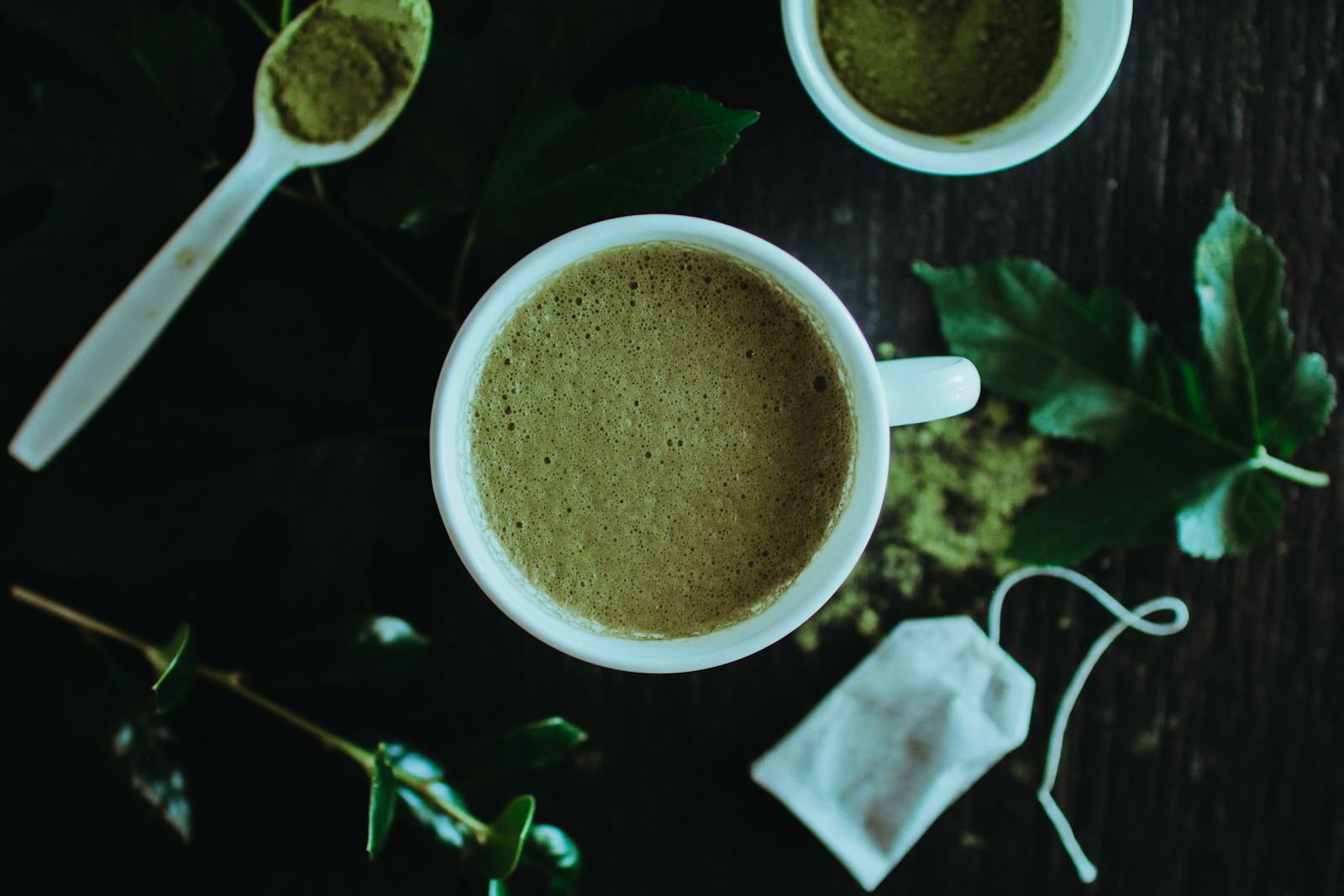
I drink green tea most mornings. Not because of the weight loss claims or the wellness marketing. Because once you understand what Camellia sinensis actually produces and why, the plant becomes far more interesting than any supplement label suggests.
Most articles about green tea get the conclusions roughly right but the explanations completely wrong. I want to go through the actual chemistry, what the plant makes, why it makes it, and what that means for the compounds in your cup.
About Green Tea, Botanically
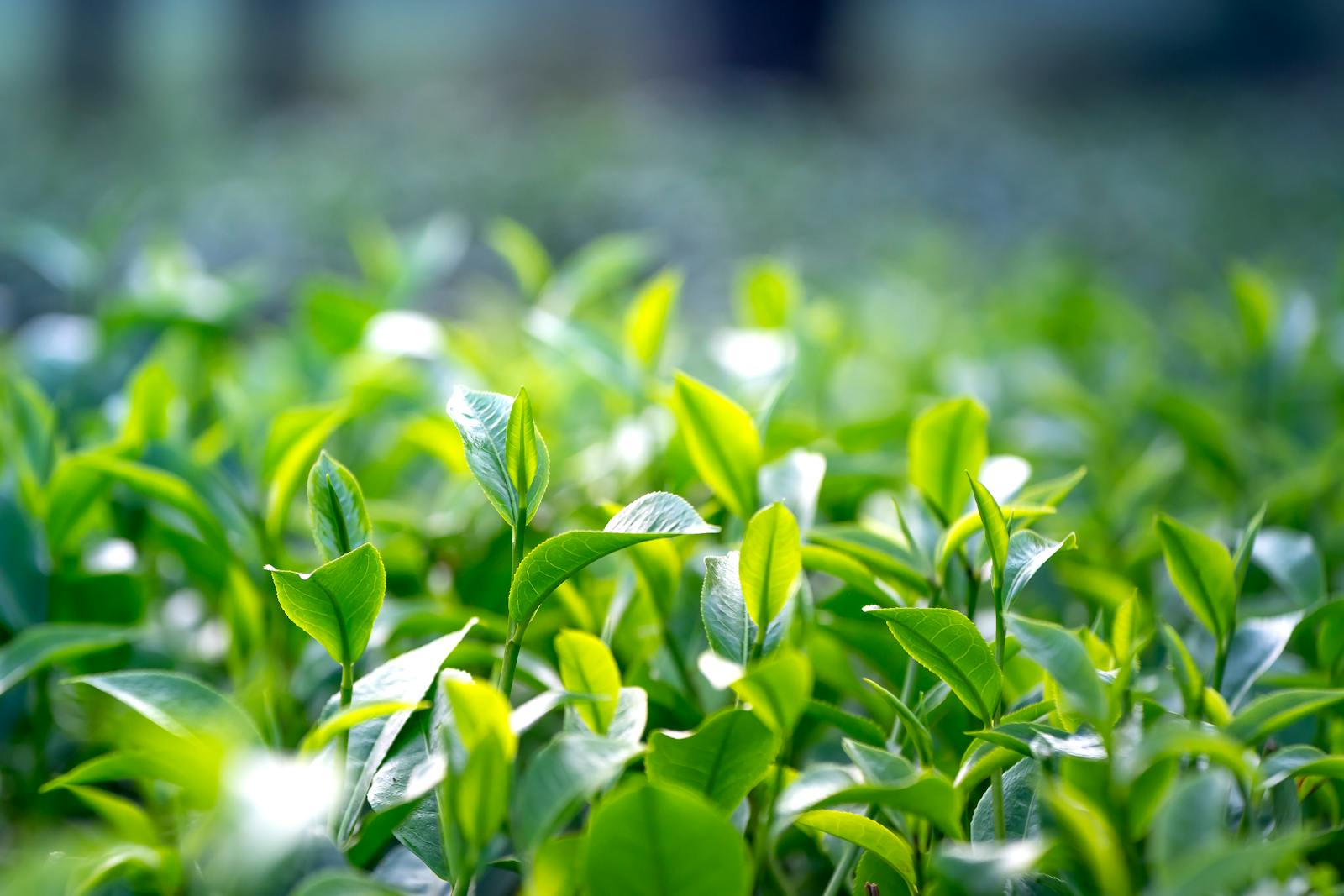
Camellia sinensis is a woody shrub in the family Theaceae. The leaves accumulate a specific class of secondary metabolites called catechins, which are flavan-3-ols belonging to the broader polyphenol group. These compounds are not produced for human health benefits. They are produced as part of the plant’s defence chemistry against herbivores, pathogens, and UV stress.
This matters because it explains why growing conditions affect potency. A plant under moderate environmental stress allocates more carbon toward secondary metabolite production. Shade-grown tea, cooler temperatures, and specific soil chemistry all influence how much catechin the leaf actually contains by harvest.
The Chemistry of EGCG
Epigallocatechin gallate, EGCG, is the most abundant and most studied catechin in green tea. Its biological activity comes from its molecular structure, specifically its ability to interact with proteins, inhibit certain enzymes, and act as an electron donor in oxidation reactions.
In human metabolism, EGCG has been shown to inhibit catechol-O-methyltransferase, an enzyme that breaks down norepinephrine. Higher norepinephrine activity increases thermogenesis and fat oxidation. This is the actual biochemical mechanism behind green tea’s effect on metabolism, not a vague boost but a specific enzyme interaction with measurable effects.
The effect is real but modest. Studies typically show a 3 to 4 percent increase in energy expenditure. That is meaningful over time but not dramatic in isolation.
L-theanine and Why It Matters More Than Caffeine
L-theanine is a non-protein amino acid found almost exclusively in Camellia sinensis. It is structurally similar to glutamate and crosses the blood-brain barrier, where it modulates neurotransmitter activity, specifically increasing GABA and reducing excitatory glutamate signalling.
The practical effect is a reduction in perceived stress and anxiety without sedation. Importantly, L-theanine modifies the effect of caffeine. The combination produces calm alertness, focused attention without the cortisol spike that straight caffeine can produce.
From a plant biochemistry angle, L-theanine is fascinating because it is synthesised in the roots and transported to young leaves, where it is then converted into catechins under light exposure. Shading tea plants before harvest preserves L-theanine content, which is why matcha and gyokuro have notably higher L-theanine levels than standard sencha.
What Processing Does to the Chemistry
Green tea differs from black tea in one critical step: heat inactivation of polyphenol oxidase immediately after harvest. This enzyme, if left active, oxidises catechins into theaflavins and thearubigins, the compounds responsible for black tea’s colour and flavour.
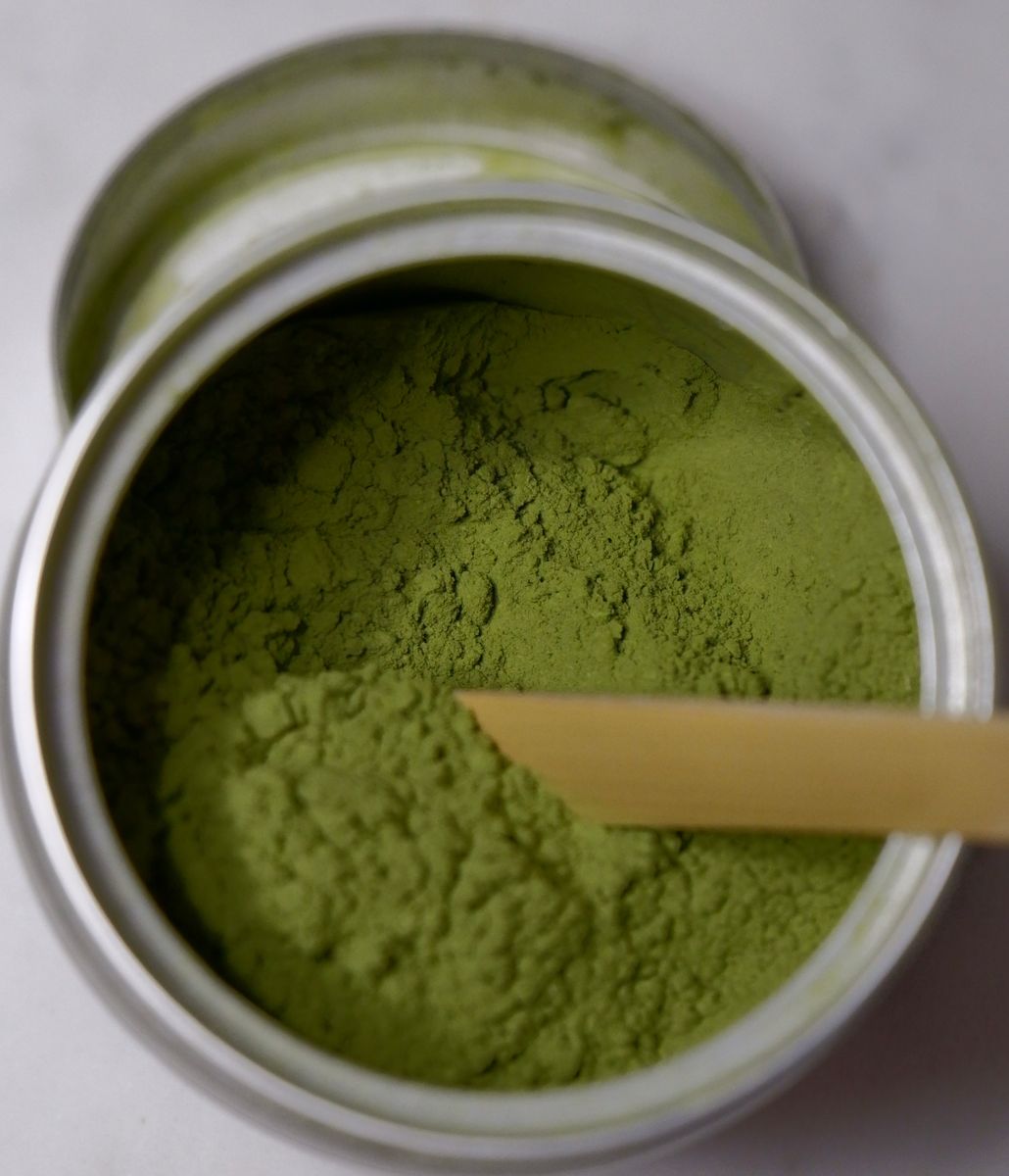
By stopping oxidation early, green tea retains its catechin profile. Matcha goes further. Whole leaves are ground, meaning you consume the entire leaf rather than an infusion, significantly increasing catechin and L-theanine intake per serving.
Looking for a Complete Guide to Herbal Tea?
I’ve put together a complete guide on picking good herbs, storing them so they stay fresh, and brewing each type the right way.
Covers choosing, storing, and brewing, so you get the most out of every cup.
What the Evidence Actually Supports
The research on green tea is more straightforward than most supplement marketing suggests. The strongest evidence exists for modest increases in fat oxidation during exercise, primarily through EGCG-mediated enzyme inhibition. Small reductions in LDL oxidation due to catechin antioxidant activity. Improved insulin sensitivity in some populations, particularly relevant for metabolic health. Anxiolytic effects from L-theanine, well supported across multiple trials.
The evidence for significant weight loss from green tea alone is weak. The compounds are useful as part of a broader metabolic picture, not as standalone interventions.
How Growing Conditions Affect What You Actually Drink
This is where my plant ecological stress physiology training connects directly. The catechin and L-theanine content of green tea varies considerably depending on soil nitrogen availability, which directly affects amino acid synthesis including L-theanine. Light exposure before harvest drives catechin accumulation as UV-protective compounds. Temperature during the growing season influences enzyme activity and secondary metabolite allocation. Harvest timing matters too, since young first-flush leaves have higher catechin concentrations than older leaves.
A certified organic label tells you about pesticide use. It tells you nothing about catechin content or L-theanine levels. If potency matters to you, shade-grown Japanese varieties and first-flush teas are more reliable indicators of quality than certification alone.
Summary
Green tea is a useful plant. Its chemistry is well understood and the core health claims are biochemically plausible and moderately supported by evidence. Drink it because the compounds are real, the mechanisms are known, and the risk profile is excellent.
Two to three cups daily provides a meaningful catechin and L-theanine intake. Matcha provides more of both. Brewing with water around 75 to 80 degrees Celsius rather than boiling preserves more L-theanine and reduces bitterness caused by tannin extraction.
The plant is more interesting than its marketing. That is usually true of plants.
Common Questions
Does green tea quality vary significantly between products?
Yes substantially. Catechin and L-theanine content depend on cultivar, growing conditions, shading, and processing. Shade-grown Japanese teas generally have higher L-theanine. First-flush harvests have higher catechin concentrations.
Is matcha genuinely better than loose leaf green tea?
For catechin and L-theanine content yes. You consume the whole leaf rather than an infusion. The difference is meaningful if you are specifically interested in those compounds.
Can green tea affect medication?
EGCG can interact with certain medications, particularly blood thinners and some cardiovascular drugs. If you take regular medication, check with your doctor before significantly increasing intake through supplements or concentrated matcha.
Why does brewing temperature matter?
Higher temperatures extract more tannins, which increases bitterness and can reduce L-theanine’s perceptible effect. Lower temperatures around 75 to 80 degrees Celsius produce a smoother cup with better amino acid to catechin balance.
What is the difference between green tea and black tea chemically?
Green tea is heat-treated immediately after harvest to inactivate polyphenol oxidase, preserving the catechin profile. Black tea skips this step allowing the enzyme to oxidise catechins into theaflavins and thearubigins. The two teas have genuinely different compound profiles as a result of this single processing difference.
Why does shade growing increase L-theanine in matcha?
L-theanine is synthesised in the roots and transported to young leaves where it converts to catechins under light exposure. Shading the plant before harvest reduces light exposure and slows this conversion, leaving more intact L-theanine in the leaf tissue. This is why shade-grown varieties like matcha and gyokuro have higher L-theanine and lower catechin concentrations than full-sun teas.
What does EGCG actually do in the body?
EGCG inhibits catechol-O-methyltransferase, an enzyme that breaks down norepinephrine. Higher norepinephrine activity increases thermogenesis and fat oxidation. This is a specific enzyme interaction with measurable effects rather than a vague antioxidant boost.
How much green tea provides meaningful health benefits?
Two to three cups daily provides a meaningful catechin and L-theanine intake based on the research literature. Matcha provides more of both per serving because you consume the whole leaf. Supplement extracts standardised to EGCG content are an alternative for those who want consistent dosing without the caffeine.

