







This article was written by Serge, MSc. Plant Biologist and Environmental Scientist with a BSc in Plant Biology and an MSc in Environmental Biology and Biogeochemistry. My background covers plant biochemistry, botany, and field research in forest and soil ecosystems. I write from real experience, not just literature.
Affiliate disclosure: This site has affiliate links, including Amazon. As an Amazon Associate I earn from qualifying purchases, at no extra cost to you.
Timing is probably the most underrated variable in herb quality. Most people focus on which herb to use and how to prepare it. Far fewer think about when the plant was harvested and what that does to the compound profile inside it.
I studied secondary metabolite production in plants in detail during my plant biochemistry and plant ecological stress physiology coursework. One thing that came through clearly is that plants do not produce fixed amounts of their active compounds. Production shifts with growth stage, season, light levels, and environmental pressure. The plant is making resource allocation decisions continuously. Understanding those decisions tells you when to harvest.
Why Harvest Timing Changes the Chemistry
Plants produce secondary metabolites in response to biological need. Defensive chemistry peaks when the plant faces maximum pressure from herbivores, pathogens, and UV radiation. Reproductive chemistry peaks during flowering to attract pollinators. Storage compounds peak when the plant is preparing for dormancy.
Each of these peaks corresponds to a specific growth stage and time of year. Harvesting at the wrong stage means collecting plant material that has not yet invested in the compounds you are after, or has already redirected resources elsewhere.
My ecophysiology coursework covered how plants balance resource investment between primary growth and secondary metabolite production. That balance shifts constantly. Harvest timing is essentially the art of catching the plant at the right point in that balance.
Chamomile. Matricaria chamomilla
Chamomile flowers concentrate apigenin and aromatic terpenoids including chamazulene precursors at peak bloom when the ray florets are fully horizontal. This is the point where the plant has invested maximum resources in the flower to attract pollinators.
Harvest in the morning after dew has dried but before the heat of the day drives off volatile terpenoid compounds. High temperatures accelerate evaporation of the aromatic compounds responsible for both scent and activity. A chamomile crop harvested at midday on a hot day carries a noticeably different volatile profile than one harvested in cool morning conditions.
As the flower matures past peak bloom and ray florets begin to fold back, aromatic compound concentration starts to decline. The colour also shifts from white to a more yellowed appearance. That visual cue is your signal that the peak has passed.

Peppermint. Mentha x piperita
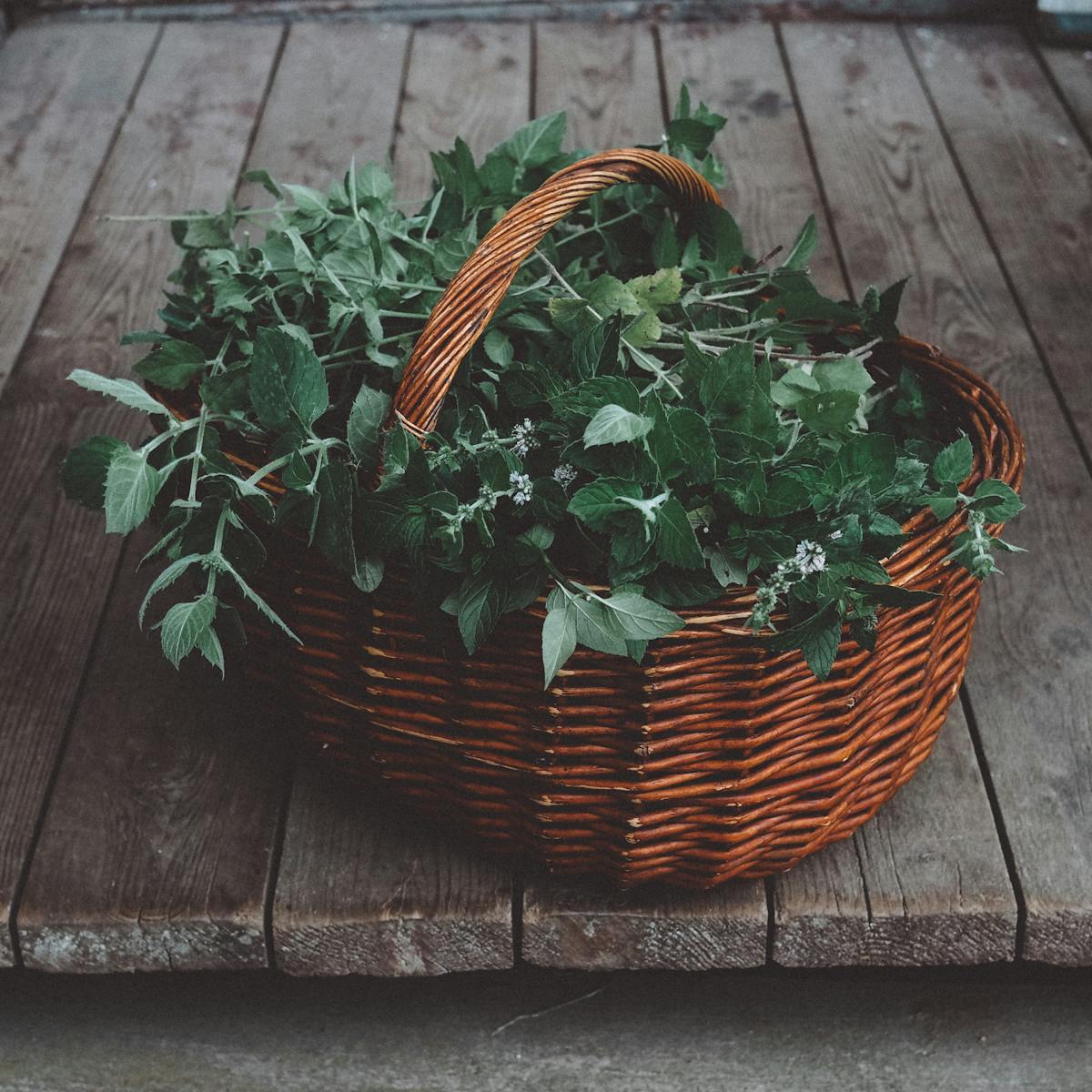
Menthol concentration in peppermint leaves peaks just before the plant flowers. At this stage the plant is still investing heavily in leaf tissue production and the glandular trichomes on the leaf surface, where menthol and other monoterpenoids are stored, are at maximum density.
Once flowering begins the plant redirects resources toward reproduction. Leaf production slows, trichome density decreases per unit area, and menthol concentration in remaining leaves drops noticeably. The flavour becomes less intense and the aromatic impact weaker.
Harvest leaves in late morning after dew has dried, just before or at the very start of flowering. Dry quickly at low temperature to preserve the volatile terpenoid profile. High heat drying drives off menthol rapidly and defeats the purpose of timing the harvest correctly.

Lemon Balm. Melissa officinalis
Melissa officinalis leaves carry the highest concentrations of rosmarinic acid and volatile citral compounds before flowering. The lemon scent fades noticeably in over-mature leaves and in poorly dried material.
Harvest before the plant sends up flower stalks. Mid to late morning on a sunny day captures the best aromatic profile. Fresh lemon balm has a much stronger lemon scent than most dried commercial material because the volatile citral compounds dissipate during drying. This is one herb where the difference between fresh and properly dried material is immediately apparent to anyone who has handled both.

Calendula. Calendula officinalis
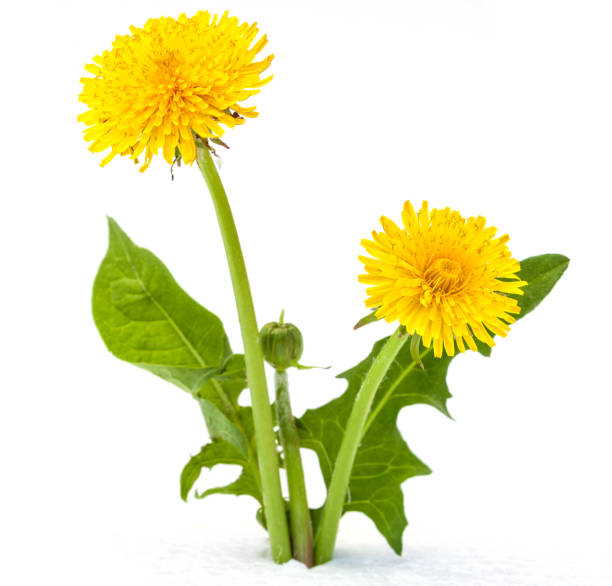
Calendula officinalis flowers contain flavonoids including quercetin and isorhamnetin, carotenoids responsible for the orange pigmentation, and terpenoids in the resin. The fully open flower at mid bloom carries the highest concentration of these compounds.
Harvest fully open flowers regularly throughout the flowering period. Calendula is a cut-and-come-again plant meaning regular harvesting stimulates continued flower production. Flowers left on the plant past peak bloom set seed and signal the plant to reduce flower production.
Harvest in dry conditions. Wet flowers mold rapidly during drying. Mid morning after dew has dried is the standard recommendation for the same volatile compound preservation reasons that apply to peppermint and chamomile.
Dandelion. Taraxacum officinale
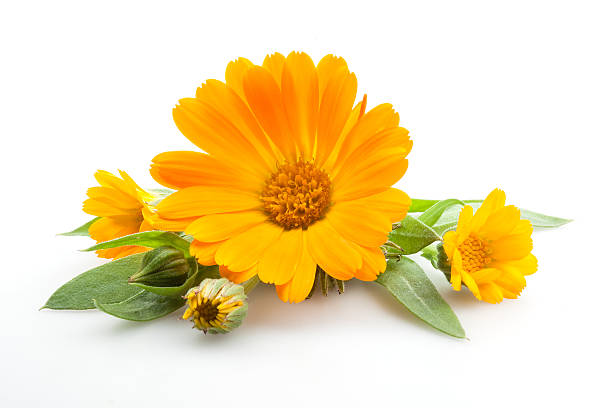
Taraxacum officinale is one of the more chemically versatile plants in the common herb toolkit because the root and leaf chemistry follow opposite seasonal patterns.
Leaves are most nutritionally dense in spring before the plant flowers. Young spring leaves carry higher carotenoid concentrations and lower sesquiterpene lactone bitterness than summer leaves. After flowering the leaves become progressively more bitter as taraxacin and related compounds accumulate. Spring leaves work well in salads, teas, and light preparations. Summer leaves are more appropriate for bitter digestive preparations where the bitter compounds are the point.
Roots follow the opposite pattern. Autumn roots after the aerial parts have died back contain the highest concentrations of inulin, a fructooligosaccharide that accumulates as a storage carbohydrate for winter survival, alongside taraxacin and related bitter compounds. Spring roots are thinner and less concentrated. For roasted dandelion root preparations the autumn harvest produces a noticeably richer flavour.
Burdock. Arctium lappa
Arctium lappa roots accumulate inulin, mucilage, and bitter compounds through the growing season with concentrations peaking in autumn after the first year of growth. Burdock is a biennial and first year roots harvested in autumn carry the best compound profile. Second year roots become woody and fibrous as the plant directs energy toward flowering and seed production.
Autumn harvest, first year roots, after the aerial parts begin to die back. The roots can be substantial in size at this point and the compound concentration is at its seasonal peak.

Elderberry. Sambucus nigra
Sambucus nigra berries accumulate anthocyanins and flavonoids as they ripen from late summer into early autumn. The deep purple to black colouration indicates anthocyanin concentration. Partially ripe red or pink berries carry lower anthocyanin levels and also contain sambunigrin, a cyanogenic glycoside that degrades on cooking but should not be consumed raw in significant quantities.
Harvest fully ripe deep purple to black berry clusters. The colour is your primary quality indicator. Ripe berries separate easily from the stem. Cook before consuming to neutralise any residual cyanogenic glycosides.

Ashwagandha. Withania somnifera
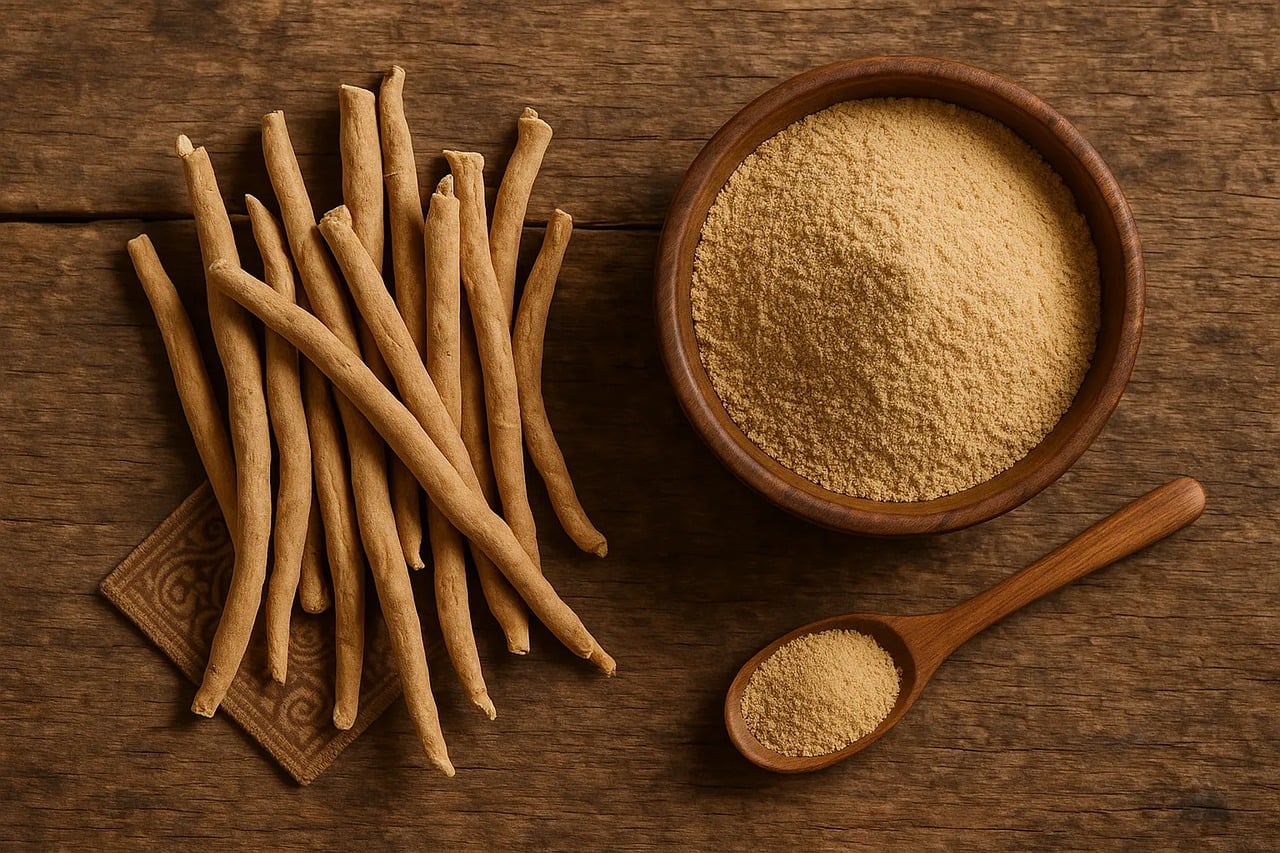
Withania somnifera roots accumulate withanolides, the steroidal lactone compounds responsible for its adaptogenic activity, through the growing season with concentrations peaking in autumn after the plant has completed its growing cycle.
Roots harvested too early carry lower withanolide concentrations. Autumn harvest after the berries have formed and the aerial parts are beginning to senesce captures the peak root chemistry investment.
Practical Drying and Storage
Timing the harvest correctly is only half the equation. How you dry and store the material determines how much of that peak chemistry reaches your preparation.
Aromatic herbs including chamomile, peppermint, and lemon balm should be dried at low temperature in good airflow away from direct light. High heat drives off the volatile compounds that make these herbs worth harvesting at peak timing. A warm dry room with air circulation is better than an oven or dehydrator set too high.
Roots including dandelion, burdock, and ashwagandha tolerate slightly higher drying temperatures because their active compounds are less volatile. Slice roots before drying to reduce drying time and prevent mold in the centre.
Store dried herbs in airtight containers away from light and heat. The same oxidative degradation processes that affect volatile compounds during improper drying continue during storage if conditions are poor. A well-dried herb in proper storage conditions maintains its compound profile for six to twelve months depending on the herb.
If You Want Quality Herbs Without Growing Your Own
Growing and harvesting your own herbs gives you full control over timing and processing. Not everyone has that option. If you want reliably harvested and processed herbs from a trusted source, Homegrown Herbalist covers most of the species in this article.
Shop High Quality Dried Herbs and Tinctures →
Common Questions
Why does harvest timing affect herb potency?
Secondary metabolite production in plants responds to biological need at each growth stage. Aromatic compounds peak during flowering to attract pollinators. Storage compounds peak before dormancy. Harvesting at the wrong stage means collecting material that has not yet invested in the compounds you want or has already redirected resources elsewhere.
When is the best time to harvest chamomile?
At peak bloom when ray florets are fully horizontal, in the morning after dew has dried. Aromatic terpenoids evaporate with heat so morning harvest in cool conditions preserves a better volatile profile than midday harvest.
Why are dandelion roots better in autumn than spring?
Autumn roots contain the highest inulin and bitter compound concentrations because the plant has spent the growing season accumulating storage compounds for winter survival. Spring roots are thinner and less concentrated after winter dormancy.
Does drying method affect herb quality?
Yes significantly. High temperature drying drives off volatile compounds including the monoterpenoids responsible for aroma and activity in peppermint, chamomile, and lemon balm. Low temperature drying in good airflow preserves more of the volatile compound profile from harvest.
When should elderberries be harvested?
When fully ripe and deep purple to black in colour. Partially ripe red or pink berries contain higher levels of cyanogenic glycosides and lower anthocyanin concentrations. Full ripeness is indicated by deep uniform colouration and easy separation from the stem cluster.
Can the same herb be harvested at different times for different purposes?
Yes. Dandelion is the clearest example. Spring leaves for nutritional and light digestive use, autumn roots for bitter tonic and liver support applications. The plant produces genuinely different compound profiles in different organs at different seasons.
How long do properly dried herbs stay potent?
Six to twelve months in airtight containers away from light and heat depending on the herb. Aromatic herbs lose volatile compounds faster than root preparations. Aroma strength is your practical quality indicator. Faint or absent aroma in dried aromatic herbs signals degradation regardless of harvest date.
What is the best container for storing dried herbs?
Dark glass jars with airtight lids stored in a cool dry location away from direct light. Clear glass or plastic containers allow light exposure that accelerates compound degradation. The same oxidative processes that degrade volatile compounds during improper drying continue during storage under poor conditions.

