








This article was written by Serge, MSc. Plant Biologist and Environmental Scientist with a BSc in Plant Biology and an MSc in Environmental Biology and Biogeochemistry. My background covers plant biochemistry, botany, and field research in forest and soil ecosystems. I write from real experience, not just literature.
Affiliate disclosure: This site has affiliate links, including Amazon. As an Amazon Associate I earn from qualifying purchases, at no extra cost to you.
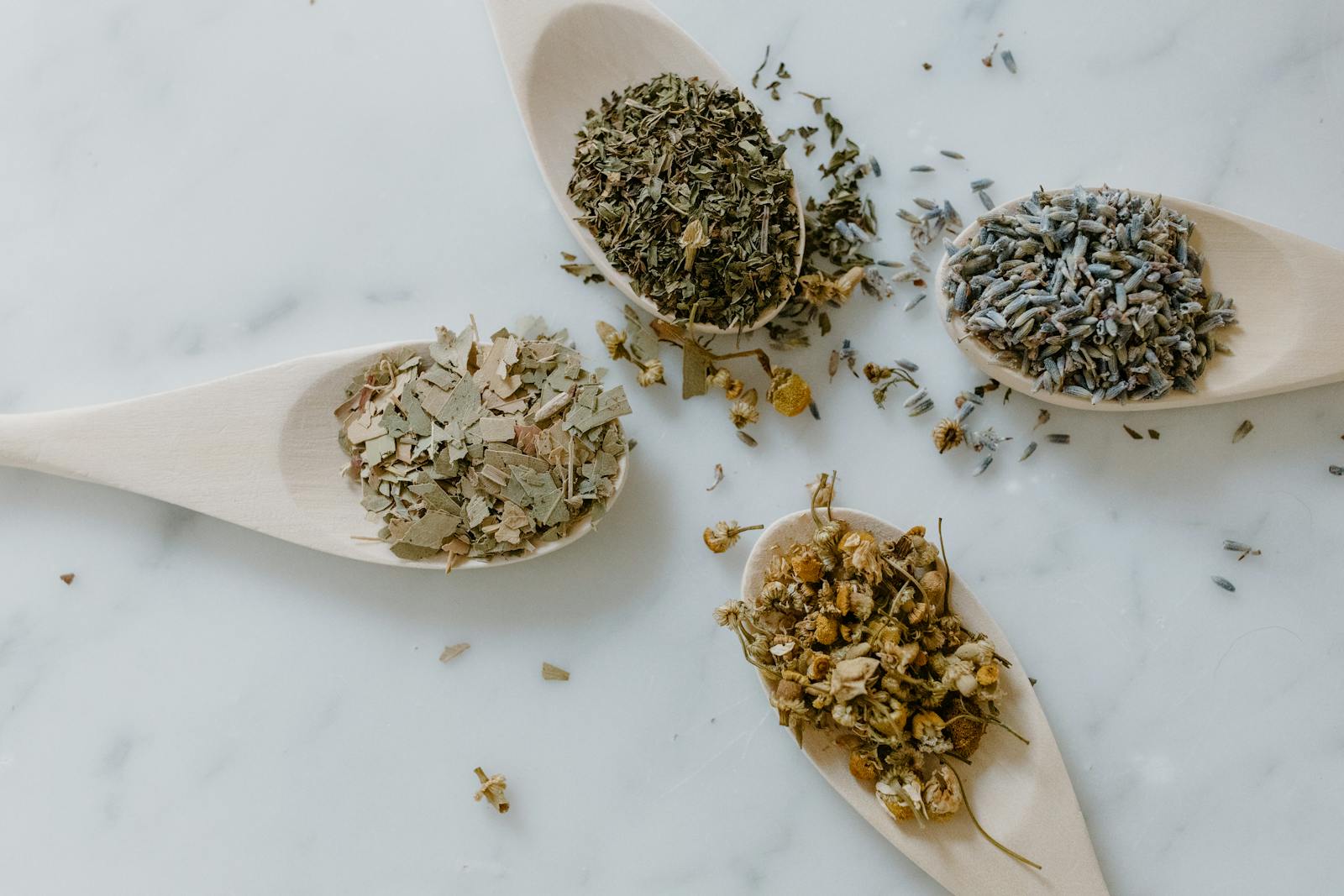
Three plants that rarely appear in the same conversation. A boreal forest tree, a marine alga, and a flowering citrus. What connects them is that each one produces a chemically interesting secondary metabolite profile that operates through a distinct biological mechanism. They are not interchangeable and they are not doing the same thing.
I want to go through each one from a plant chemistry angle because most of what gets written about these three plants is either vague wellness language or oversimplified claims. The compounds are real and the mechanisms are worth understanding properly.
Birch Bark. Betula Species
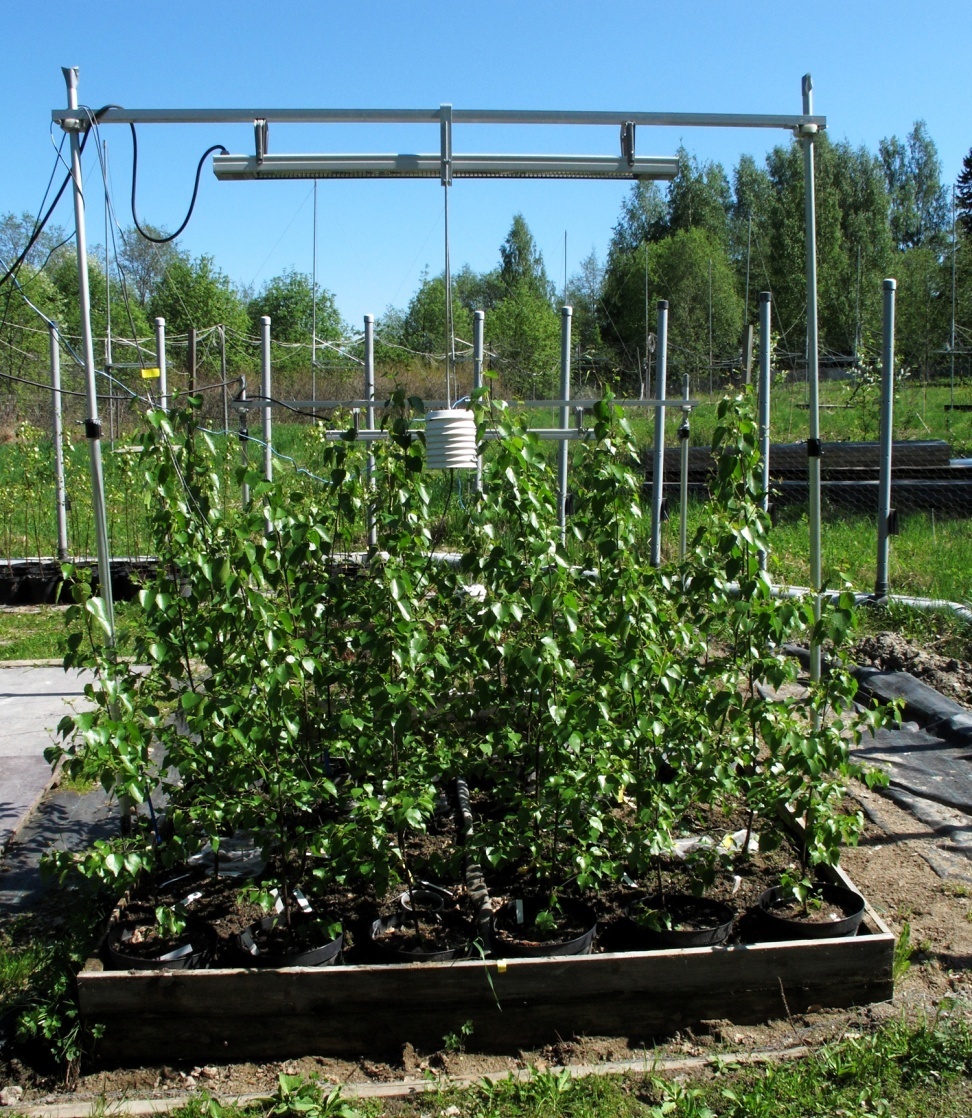
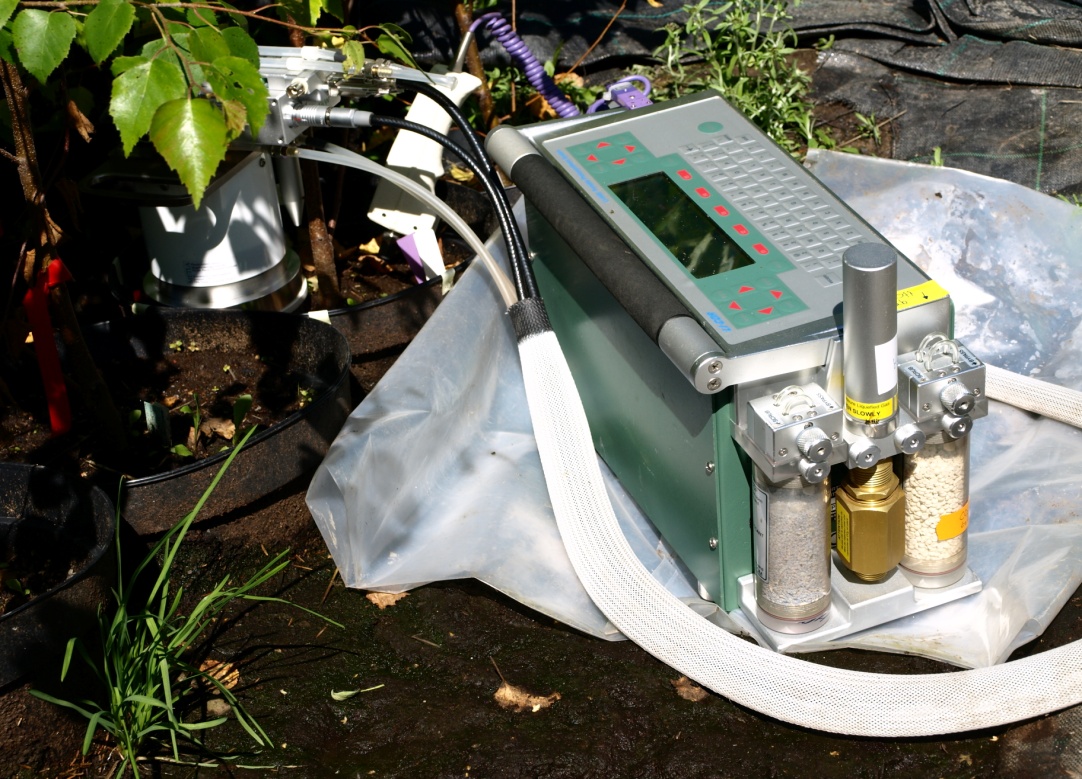
Several birch species produce the secondary metabolite profile worth discussing here. I spent a full research season working with silver birch (Betula pendula), measuring how ozone and temperature stress shifted growth and soil respiration across two genotypes.
I was not studying bark chemistry specifically but I know this tree intimately. Betula alba is an older synonym still used in some herbal literature. North American commercial preparations typically use Betula papyrifera, paper birch. The betulin and betulinic acid chemistry is consistent across the genus so the species distinction matters less than the extraction method and part of plant used.
Birch bark contains betulin and betulinic acid, two pentacyclic triterpenes biosynthesised through the terpenoid pathway. Betulin can make up 10 to 30 percent of outer birch bark dry weight, which is an unusually high concentration for a secondary metabolite. The plant produces it as a structural and antimicrobial compound in the outer bark layer where it contributes to the characteristic white colouration.
Betulinic acid is a carboxylic acid derivative of betulin. It has attracted significant research interest for its documented effects on lipid metabolism, specifically its influence on adipogenesis, the formation of fat cells, through PPAR-gamma receptor modulation. PPAR-gamma is a nuclear receptor that regulates fat cell differentiation and lipid storage. Compounds that modulate this receptor influence how the body handles lipid metabolism at a cellular level.
Birch bark also contains lupeol, another pentacyclic triterpene, alongside flavonoids including quercetin glycosides. The antioxidant profile is genuinely high. The traditional European use of birch bark and birch sap as spring tonics reflects a real secondary metabolite profile rather than pure folklore.
Kelp. Fucus vesiculosus
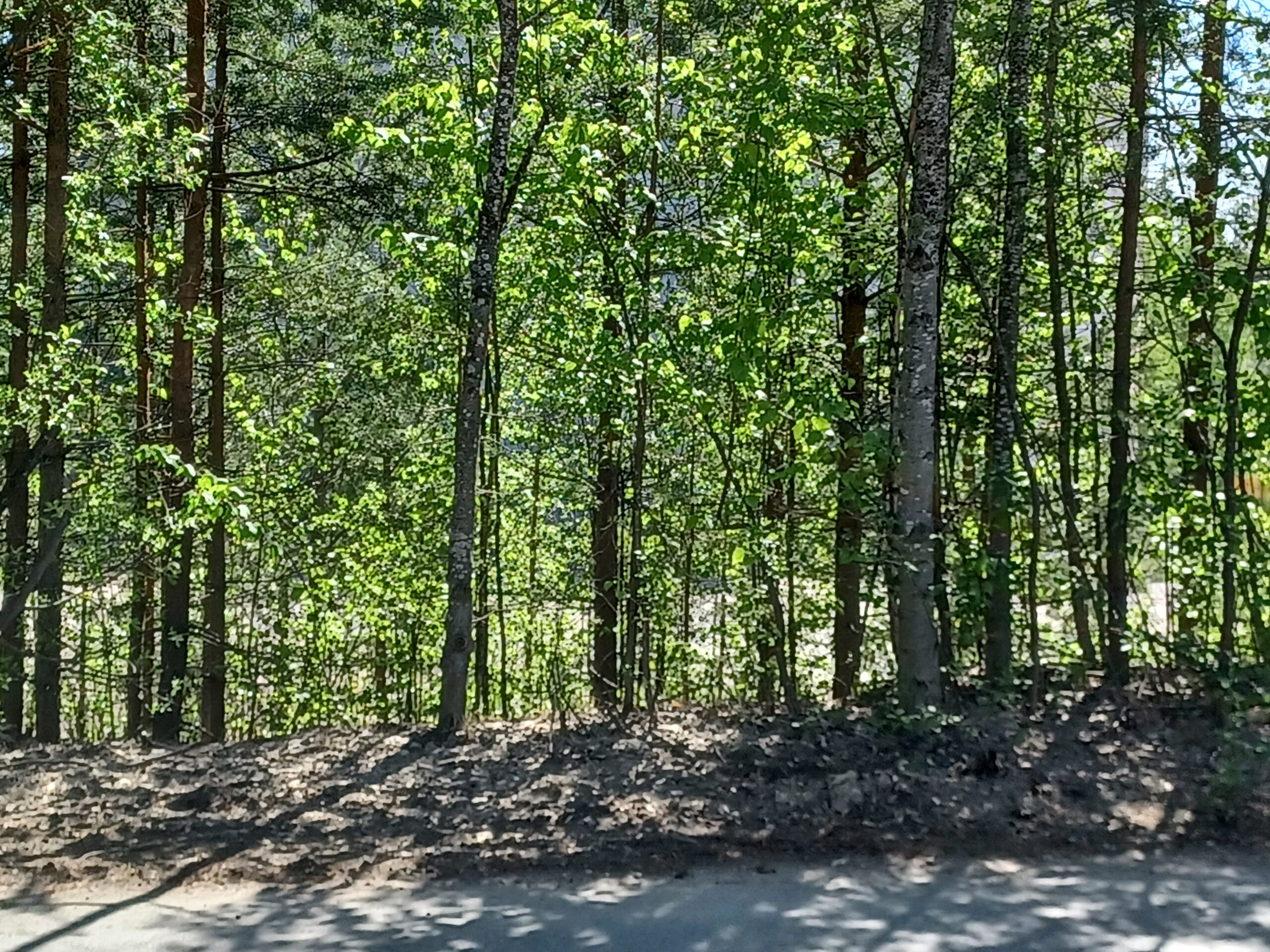
Fucus vesiculosus is a brown alga rather than a true plant, which makes it biochemically distinct from everything else on this site. Brown algae produce their own class of secondary metabolites including phlorotannins, polyphenolic compounds unique to the Phaeophyceae that do not appear in terrestrial plant chemistry at all.
The most pharmacologically studied compound in Fucus vesiculosus is not a secondary metabolite but a primary one: iodine. Kelp accumulates iodine from seawater at concentrations far exceeding any terrestrial plant. Iodine is an essential micronutrient because it is the primary substrate for thyroid hormone synthesis. Thyroxine and triiodothyronine, T4 and T3, both require iodine atoms in their molecular structure. Without adequate iodine, thyroid hormone production drops and metabolic rate declines.
I covered mineral cycling and nutrient biogeochemistry in detail during my biogeochemistry coursework. Iodine cycling between marine and terrestrial environments is a genuinely interesting biogeochemical process. Marine algae concentrate iodine from seawater and historically provided dietary iodine to coastal populations. Inland populations without access to seafood or iodine-rich plants historically developed iodine deficiency far more frequently.
Fucoxanthin is the carotenoid pigment responsible for the brown colour of Fucus vesiculosus and related brown algae. It is not found in terrestrial plants. Research has identified effects of fucoxanthin on uncoupling protein 1 expression in white adipose tissue, which relates to thermogenic fat metabolism. The mechanism is distinct from anything operating in terrestrial herb chemistry.
Phlorotannins, the polyphenolic compounds unique to brown algae, inhibit alpha-glucosidase and alpha-amylase, the enzymes responsible for carbohydrate digestion. This produces a mechanism relevant to blood sugar management that operates similarly to some pharmaceutical approaches.
One important practical note on sourcing. Pacific kelp carries contamination risk from marine pollution and should be avoided. Atlantic and Icelandic sources have a cleaner contamination profile. Source matters significantly for any marine ingredient.
Neroli Orange. Citrus aurantium subsp. amara
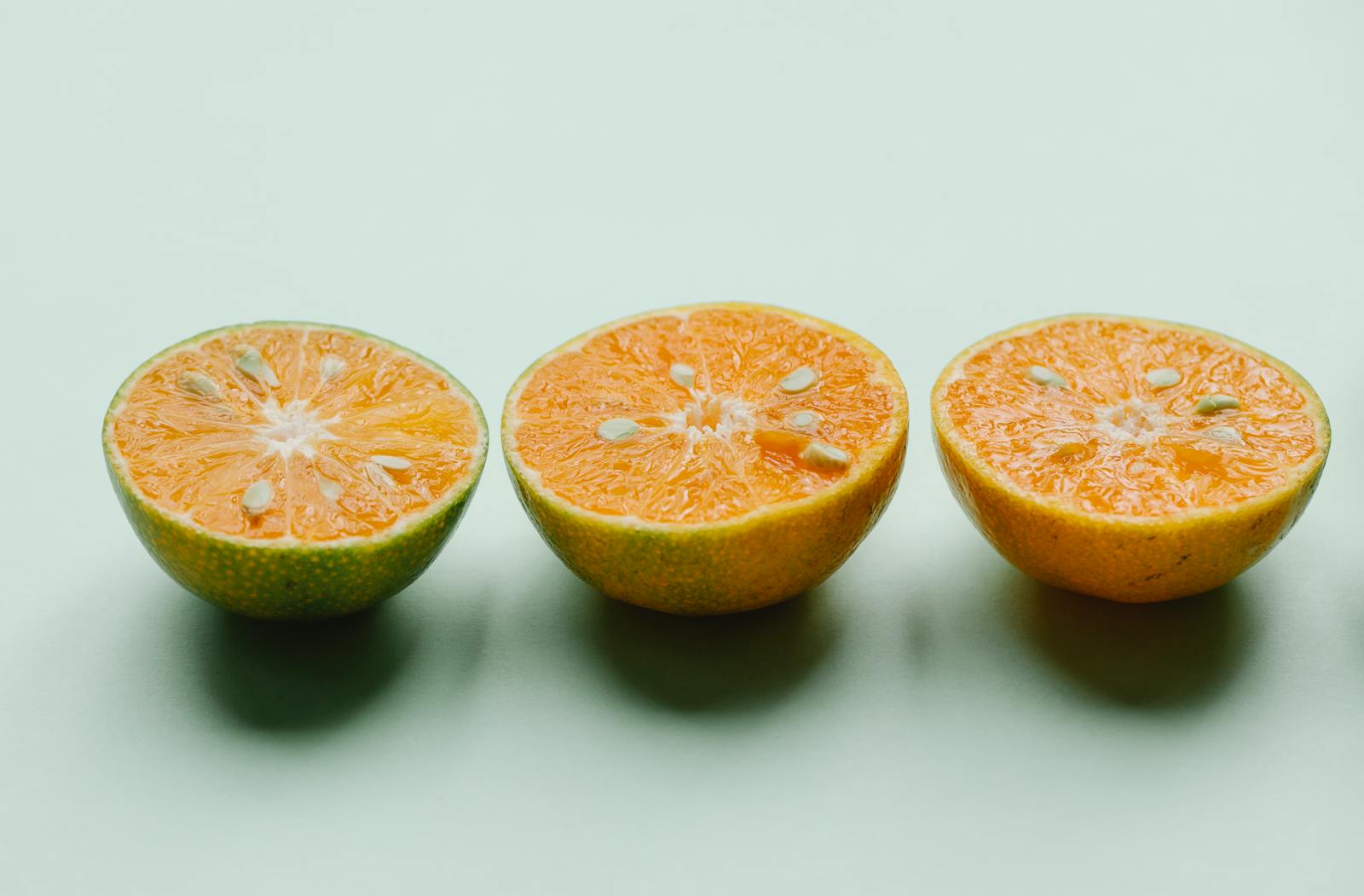
Neroli is the essential oil extracted from the flowers of the bitter orange tree. The flowers of Citrus aurantium subsp. amara produce one of the most complex volatile profiles in the citrus family, dominated by linalool, limonene, and beta-pinene alongside nerolidol and geraniol.
Linalool is a monoterpenoid alcohol biosynthesised through the methylerythritol phosphate pathway in the flower trichomes. It is the same compound that dominates lavender essential oil and has documented GABA-A receptor modulating activity, the mechanism behind lavender’s calming effects. In neroli the linalool concentration is substantial and the additional volatile compounds add complexity to the olfactory and neurological effects.
Limonene, a cyclic monoterpene, is the primary volatile in most citrus peel oils but appears in neroli flowers at lower concentrations alongside the more complex sesquiterpenoids. Limonene has documented effects on liver enzyme activity relevant to phase I and phase II detoxification pathways.
Bitter orange peel and flowers contain synephrine, a sympathomimetic alkaloid structurally similar to ephedrine. Synephrine has adrenergic receptor activity and has been studied for thermogenic effects. The concentration in flower preparations is lower than in peel extracts but it contributes to the stimulant character of bitter orange preparations.
The traditional Mediterranean use of bitter orange blossom tea after heavy meals connects to the volatile compound profile. Linalool acts on the enteric nervous system and digestive smooth muscle. The calming effect on post-meal digestive discomfort has a biochemical basis in the GABA-A receptor activity and smooth muscle relaxing properties of the dominant volatile compounds.
Why These Three Together
Each operates through a different mechanism with minimal overlap.
Birch bark betulinic acid addresses lipid metabolism through PPAR-gamma modulation. Kelp iodine supports thyroid hormone synthesis directly. Neroli linalool and synephrine address stress response chemistry and digestive function through adrenergic and GABAergic mechanisms.
Three distinct biochemical pathways, three different molecular targets. That is the genuine case for using them together rather than individually. Not because they create some synergistic magic but because they address different biological systems that all connect to metabolic function.
Common Questions
What is betulinic acid in birch bark?
Betulinic acid is a pentacyclic triterpene produced through the terpenoid pathway in outer birch bark tissue. It modulates PPAR-gamma receptors which regulate fat cell differentiation and lipid storage. It accumulates at unusually high concentrations in birch bark compared to most plant secondary metabolites.
Why does kelp support thyroid function?
Kelp accumulates iodine from seawater at high concentrations. Iodine is an essential substrate for thyroid hormone synthesis. Without adequate iodine, the thyroid cannot produce sufficient thyroxine and triiodothyronine, reducing metabolic rate. Kelp provides a dietary source of iodine in a whole food matrix.
What compounds give neroli its calming effect?
Linalool, a monoterpenoid alcohol produced in the flower trichomes of Citrus aurantium subsp. amara, has documented GABA-A receptor modulating activity. The same mechanism operates in lavender essential oil. In neroli the linalool concentration is substantial alongside other volatile compounds that contribute to the overall neurological effect.
What are phlorotannins in kelp?
Phlorotannins are polyphenolic compounds unique to brown algae that do not appear in terrestrial plant chemistry. They inhibit alpha-glucosidase and alpha-amylase, the digestive enzymes responsible for carbohydrate breakdown, producing effects relevant to blood sugar management.
Does the source of kelp matter?
Yes significantly. Pacific kelp carries marine pollution contamination risk. Atlantic and Icelandic kelp sources have a cleaner contamination profile. Always check sourcing information when buying any marine ingredient.
What is synephrine in bitter orange?
Synephrine is a sympathomimetic alkaloid in Citrus aurantium with adrenergic receptor activity. It is structurally related to ephedrine and has been studied for thermogenic effects. Concentration varies between plant parts, being higher in peel than in flower preparations.
Can these three herbs be used together?
Yes. They operate through different mechanisms with minimal overlap. Birch bark addresses lipid metabolism through PPAR-gamma. Kelp supports thyroid function through iodine provision. Neroli addresses stress response and digestive chemistry through volatile compound activity. Using them together covers different biological systems rather than duplicating the same mechanism.
How is birch bark traditionally prepared?
Traditionally as a tea or decoction from dried inner bark, simmered rather than steeped to extract the heavier terpenoid compounds. Tinctures in alcohol extract a broader range of compounds including the more fat-soluble triterpenes. Capsules of standardised extract provide consistent dosing.
Looking for a Complete Guide to Herbal Tea?
I’ve put together a complete guide on picking good herbs, storing them so they stay fresh, and brewing each type the right way.
Covers choosing, storing, and brewing, so you get the most out of every cup.

