








This article was written by Serge, MSc. Plant Biologist and Environmental Scientist with a BSc in Plant Biology and an MSc in Environmental Biology and Biogeochemistry. My background covers plant biochemistry, botany, and field research in forest and soil ecosystems. I write from real experience, not just literature.
Affiliate disclosure: This site has affiliate links, including Amazon. As an Amazon Associate I earn from qualifying purchases, at no extra cost to you.
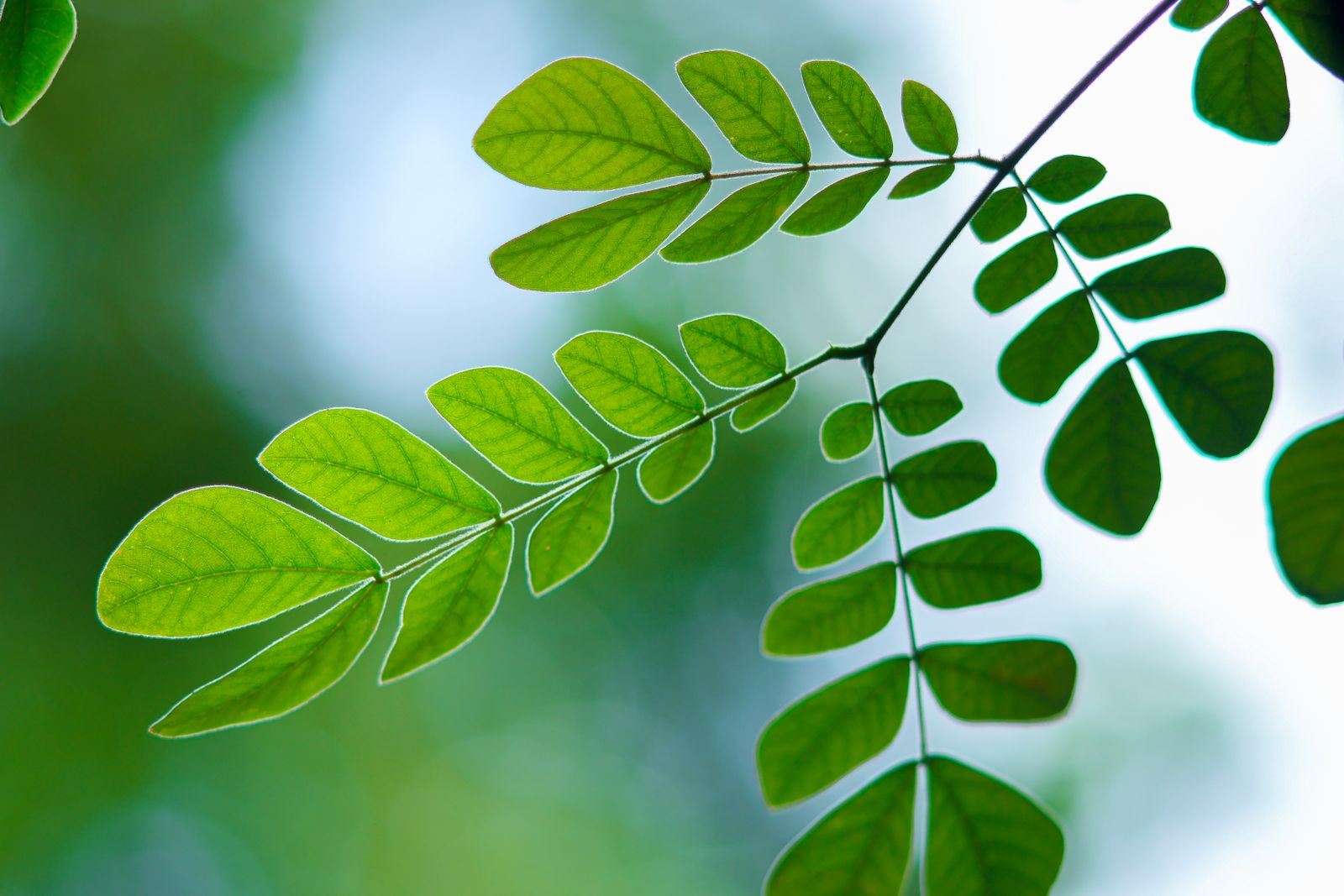
I keep moringa powder at home. A few times a week I mix it into a drink, sometimes with other herb powders, sometimes on its own. The flavour is earthy and slightly grassy. Not unpleasant but distinctive enough that you know something green is in there.
I started looking at it more seriously because the nutrient density claims kept coming up in plant biochemistry contexts and I wanted to understand what was actually behind them. Moringa oleifera turns out to be one of the more chemically interesting plants I have looked at. Not because of supplement marketing. Because of what the plant actually contains and why it produces those compounds in the first place.
What Is Moringa oleifera
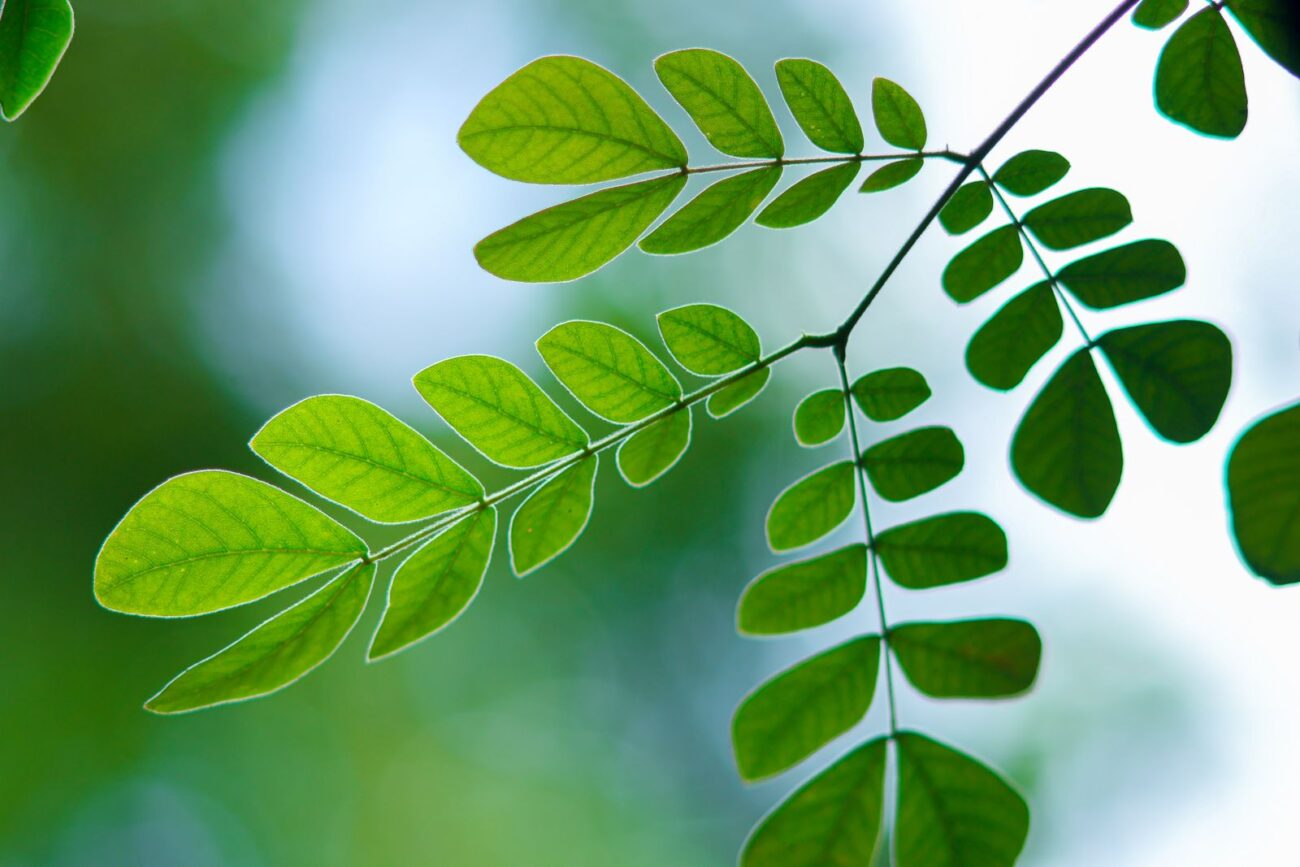
Moringa oleifera is a fast growing deciduous tree native to the foothills of the Himalayas in northwestern India. It belongs to the Moringaceae family, a small family with only thirteen species. It grows across tropical and subtropical regions and has been cultivated for food, medicine, and water purification for centuries across South Asia, Africa, and parts of Central America.
The leaves, pods, seeds, flowers, and roots have all been used traditionally. The leaves are the most nutritionally dense part and the part most commonly used in supplement form. The seeds produce a high quality oil and also contain proteins that can clarify turbid water through a process called flocculation, which is a genuinely unusual property for a plant seed.
The Secondary Metabolite Chemistry
Moringa oleifera leaves contain an unusually broad range of compound classes. My plant biochemistry studies covered several of these pathways directly.
Glucosinolates and their breakdown products isothiocyanates are present in moringa leaves and seeds. These sulphur containing compounds are produced through a specialised biosynthetic pathway as feeding deterrents and antimicrobial defence chemistry. The same compound class appears in cruciferous vegetables like broccoli (Brassica oleracea) and is one of the more studied secondary metabolite groups in plant biochemistry.
The leaves also contain quercetin and kaempferol, flavonoids biosynthesised through the phenylpropanoid pathway as UV screening and oxidative stress management compounds. Chlorogenic acid and other phenolic acids are present alongside these flavonoids.
Carotenoids including beta-carotene and lutein accumulate in the leaf tissue as accessory photosynthetic pigments and photoprotective compounds. These are fat soluble and extract differently from the water soluble flavonoids, which is relevant for how you prepare and consume moringa.
Zeatin, a cytokinin plant hormone, is present in moringa leaves at unusually high concentrations compared to most plants. Cytokinins regulate cell division and growth in plants. Their presence in moringa leaf tissue has attracted research interest though the implications for human consumption are not fully mapped.
Why the Nutrient Density Claims Hold Up
Moringa oleifera leaves contain vitamins A, C, E, and the B complex including thiamine, riboflavin, niacin, B6, and folate. The mineral profile includes calcium, iron, magnesium, phosphorus, potassium, and zinc. The leaves also contain all nine essential amino acids making them one of the few plant sources with a complete amino acid profile.
These are not marketing claims. They are documented in multiple nutritional analyses of dried moringa leaf powder. The concentrations vary depending on growing conditions, harvest timing, leaf age, and drying method, as they do in any plant, but the breadth of the nutritional profile is consistently documented.
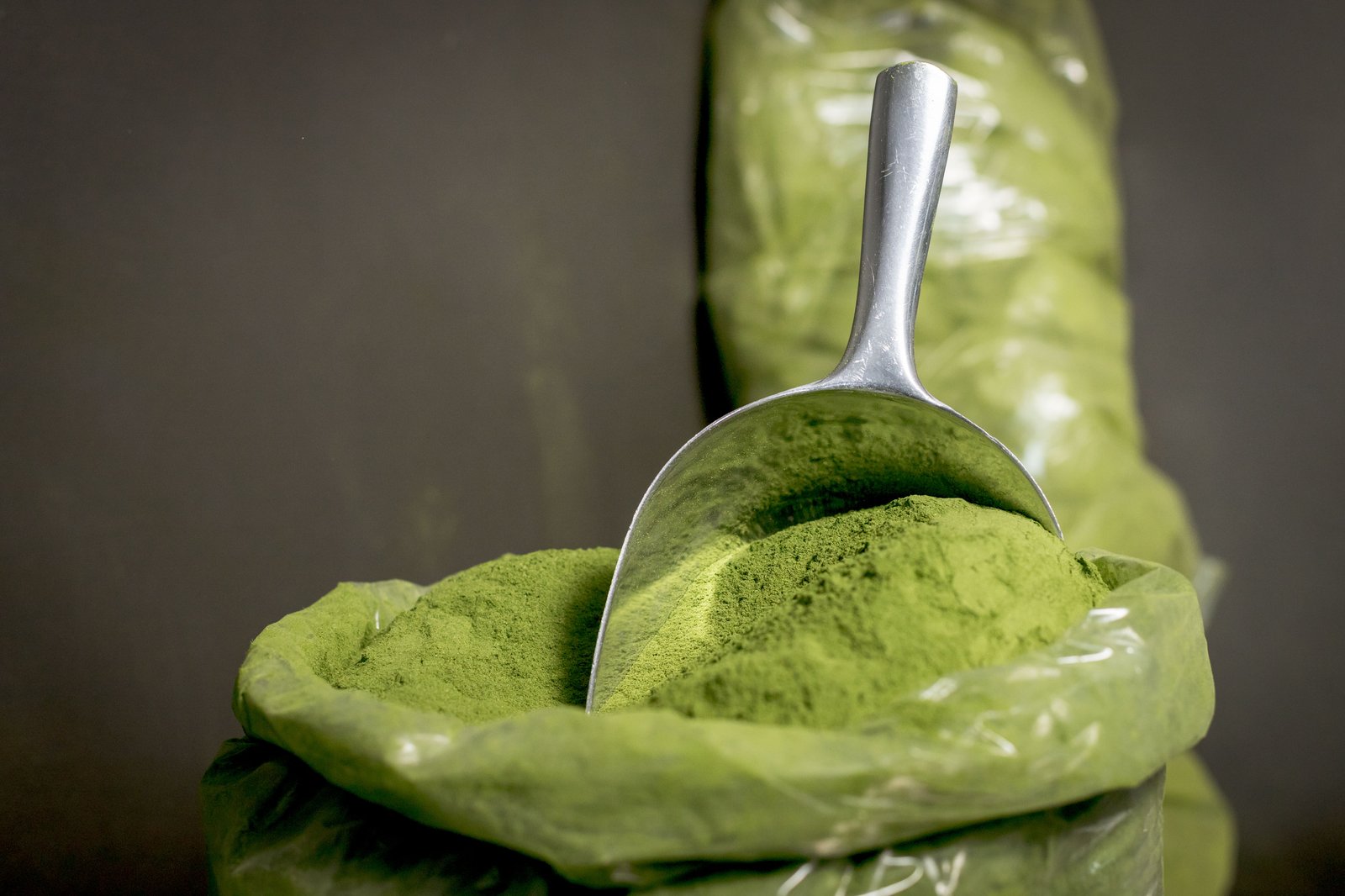
Dried moringa leaf powder concentrates these nutrients significantly compared to fresh leaves because most of the water weight is removed. This is why powder form makes practical sense for regular consumption. You get a meaningful dose of the compound profile in a small amount of material.
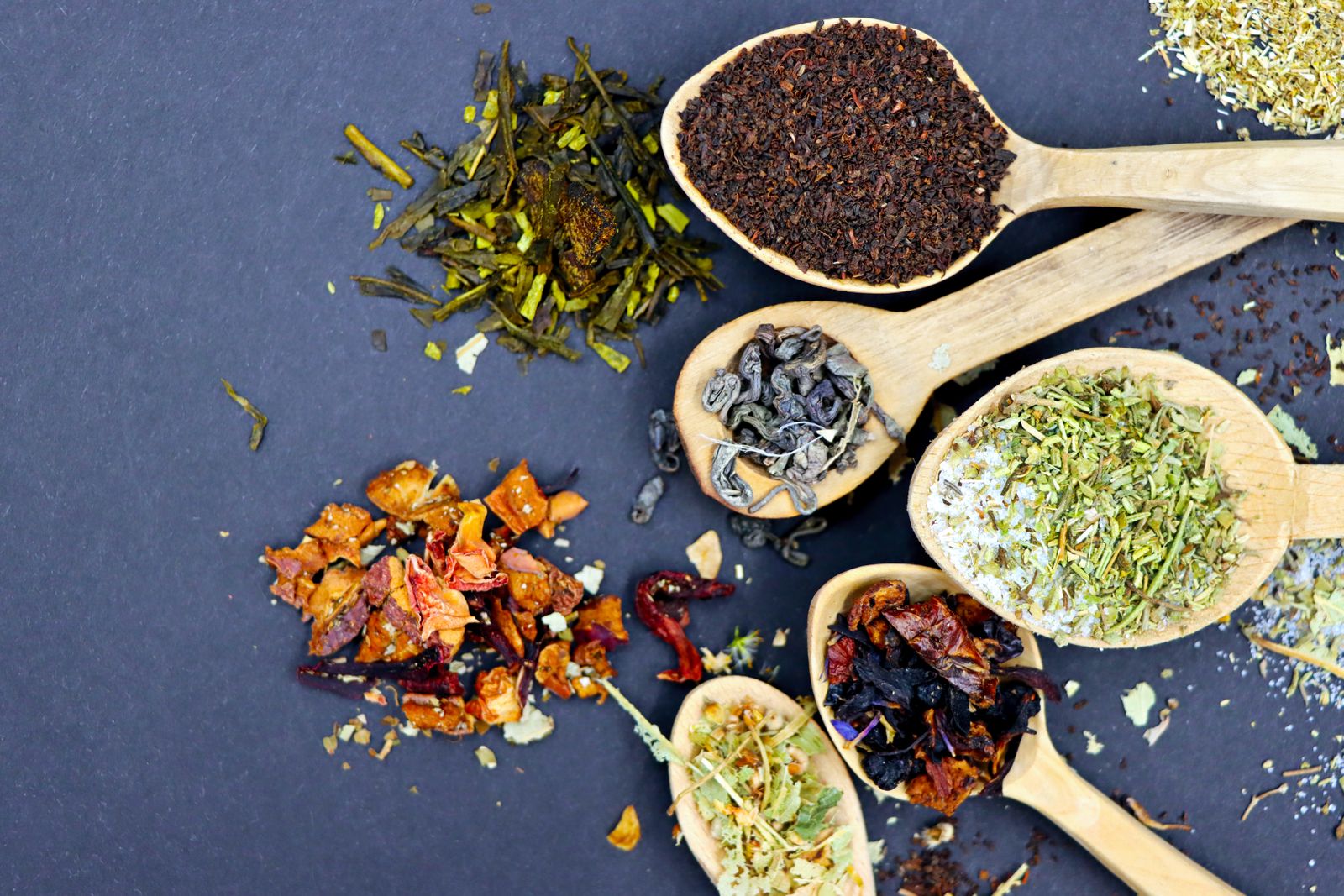
I mix the powder with water or other herb powders. The taste is earthy and slightly bitter. Adding it to something with a stronger flavour like ginger or cinnamon makes it more palatable without losing anything from the compound profile.
The Isothiocyanate Chemistry
The most pharmacologically interesting compounds in Moringa oleifera are probably the isothiocyanates, particularly moringin which forms from the glucosinolate glucomoringin when plant tissue is damaged or processed.
This is the same damage activated chemistry that operates in broccoli and other Brassicaceae family plants. The intact glucosinolate is relatively inert. Enzymatic conversion to the isothiocyanate happens when cell walls are disrupted, when you chew fresh leaves, grind dried material, or process the plant.
My plant biochemistry coursework covered glucosinolate biosynthesis in detail as an example of specialised metabolite production in response to herbivory and pathogen attack. The moringa glucosinolate profile is distinct from that of Brassica species but operates through the same general chemical logic.
This has practical implications. Fresh leaves and freshly ground powder likely retain more active isothiocyanate forming capacity than heavily processed or heat treated material. How moringa is processed after harvest affects which compound classes remain biologically active.
The Research Behind the Claims
There is a reasonable body of research on Moringa oleifera covering antioxidant activity, blood glucose modulation, lipid profiles, and antimicrobial properties. A 2024 systematic review published in F1000Research analysed 129 original studies on the biological activity of moringa across chronic diseases, cancer, and infectious diseases. The review found documented antioxidant, hypoglycemic, antihypertensive, and cytoprotective properties across multiple experimental models, alongside antimicrobial activity against several drug resistant bacterial strains. The authors also noted that most evidence comes from in vitro and animal studies, with limited well controlled human trials, and flagged variability in extract composition and potential toxicity as areas needing further research before clinical application.
That honest assessment from the researchers themselves is worth noting. The gap between laboratory findings and clinically meaningful effects in humans is real and significant. Moringa oleifera is a nutrient dense plant with interesting secondary metabolite chemistry. That does not automatically translate to dramatic therapeutic effects at the doses typically found in supplement capsules.
What I think is reasonable to say is this. As a food plant with a broad nutritional profile, regular consumption of moringa leaf powder as part of a varied diet makes biochemical sense. The compound classes present are the same ones studied across plant biochemistry for their roles in human physiology. The traditional use record across multiple cultures and centuries is extensive.
Treating it as a dietary supplement alongside a varied plant rich diet is a different proposition from treating it as a therapeutic agent for specific conditions. I use it the first way.
For the full research picture see the systematic review here: https://pmc.ncbi.nlm.nih.gov/articles/PMC11782934/

How to Use Moringa Powder
Dried leaf powder is the most practical form for regular use. Mix into water, smoothies, or other herb preparations. The earthy flavour blends reasonably well with ginger, cinnamon, or citrus. Start with a small amount, around half a teaspoon, and increase gradually.
Capsules contain the same powder in a more convenient form with no flavour to manage. The compound profile is equivalent to loose powder assuming the same starting material and processing method.
Fresh leaves can be used in cooking but are not widely available outside tropical growing regions.
Store powder in an airtight container away from light and heat. Volatile and light sensitive compounds degrade with exposure. The carotenoid and vitamin profile in particular is affected by oxidation and light exposure over time.
A Note on Quality
Growing conditions affect the compound profile of moringa leaf powder as they do for all plant materials. Soil quality, harvest timing, and drying method all influence what ends up in the final product. Organically grown material from reputable suppliers with transparent sourcing is worth prioritising.
If you want to try moringa in supplement …Try Moringa Magic →
FAQs
What secondary metabolites does moringa contain?
Moringa oleifera leaves contain glucosinolates and their isothiocyanate breakdown products, quercetin and kaempferol flavonoids, chlorogenic acid and other phenolic acids, carotenoids including beta-carotene and lutein, and zeatin, an unusual cytokinin plant hormone present at higher concentrations than most plant species.
Why is moringa considered nutrient dense?
The leaves contain a broad range of vitamins including A, C, E, and B complex, minerals including calcium, iron, magnesium, potassium, and zinc, and all nine essential amino acids. This breadth of nutritional profile across multiple compound classes in a single plant is genuinely unusual.
What are isothiocyanates in moringa?
Isothiocyanates are sulphur containing compounds that form from glucosinolates when plant tissue is damaged or processed. The main moringa isothiocyanate is moringin, formed from the glucosinolate glucomoringin. The same compound class appears in broccoli and other cruciferous vegetables.
Does processing affect moringa’s compound profile?
Yes. Isothiocyanate forming capacity depends on enzymatic activity that can be reduced by heavy heat processing. Fresh leaves and freshly ground powder retain more active enzyme capacity than heavily processed material. Drying method and temperature affect the vitamin and volatile compound profile.
How does moringa powder taste?
Earthy, slightly grassy, and mildly bitter. The flavour blends reasonably well with ginger, cinnamon, or citrus. It is distinctive but not unpleasant at small amounts mixed into a drink.
Is moringa safe for daily use?
Moringa oleifera leaves have been consumed as food across multiple cultures for centuries. The leaf powder is generally considered safe at typical dietary doses. Anyone taking medications, particularly blood thinners or diabetes medications, should check with a clinician before adding moringa regularly as some interactions are plausible given the compound profile.
What is the difference between fresh moringa leaves and powder?
Fresh leaves contain active myrosinase enzyme needed for glucosinolate to isothiocyanate conversion. Dried powder has reduced enzyme activity but concentrated levels of stable compounds including carotenoids, flavonoids, and minerals. Both have value but the active compound profile differs.
How should moringa powder be stored?
In an airtight container away from light and heat. Carotenoids and vitamins degrade with light and oxygen exposure. Properly stored powder maintains its compound profile for several months.
Can moringa be mixed with other herbs?
Yes. I mix it with other herb powders regularly. The earthy flavour combines reasonably well with most herb powders. There are no widely documented negative interactions between moringa leaf powder and common culinary or medicinal herbs at typical doses.
Why does moringa grow so successfully in tropical regions?
Moringa oleifera is adapted to warm dry conditions and grows rapidly even in poor soils. Its drought tolerance, fast growth rate, and ability to regenerate after cutting make it a reliable food and medicine source in regions with seasonal water scarcity. These same stress tolerance adaptations likely contribute to the accumulation of protective secondary metabolites in the leaf tissue.

