






This article was written by Serge, MSc. Plant Biologist and Environmental Scientist with a BSc in Plant Biology and an MSc in Environmental Biology and Biogeochemistry. My background covers plant biochemistry, botany, and field research in forest and soil ecosystems. I write from real experience, not just literature.
Affiliate disclosure: This site has affiliate links, including Amazon. As an Amazon Associate I earn from qualifying purchases, at no extra cost to you.
One thing I keep coming back to in my plant biochemistry work is how much growing conditions affect what a plant actually produces. A chamomile (Matricaria chamomilla) grown in controlled commercial conditions with optimised soil nutrition and minimal stress carries a different secondary metabolite profile than one grown in your garden under natural variable conditions. Neither is categorically better but the chemistry is genuinely different. And that difference matters if the compounds in the plant are why you are growing it.
This is the argument I find most compelling for growing your own medicinal herbs. Not self-sufficiency as a lifestyle choice. The plant chemistry argument. When you control the growing conditions you have influence over the stress chemistry the plant invests in. When you harvest at the right growth stage you capture peak compound concentrations. When you prepare fresh material you preserve volatile compounds that degrade in commercial drying and processing.
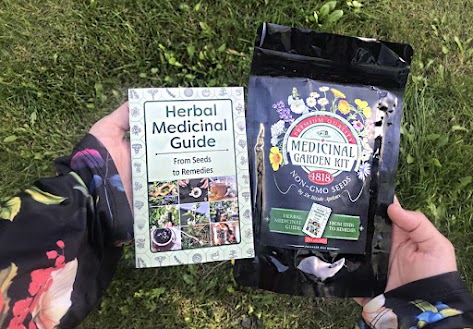
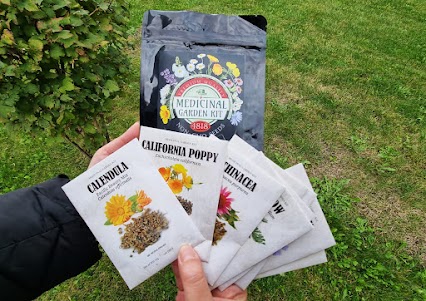
The Medicinal Garden Kit by Nicole Apelian is built around exactly this principle. Ten medicinal plant species, non-GMO seeds, and a preparation guide covering tinctures, infusions, salves, and decoctions.
The Ten Plants and Why They Were Selected
The species selection in this kit is coherent from a plant chemistry angle. These are not random wellness plants. Each one has a documented secondary metabolite profile and a long traditional use record.
Echinacea purpurea contains alkylamides with documented CB2 receptor binding activity. I touched fresh echinacea root material during a botany practical years ago and the tingling was immediate. That is alkylamides activating receptors in the oral mucosa. The compound is real and measurable.
Matricaria chamomilla produces apigenin through the phenylpropanoid pathway alongside chamazulene precursors in the flower tissue. I have written about chamomile chemistry in detail and I drink it most evenings. Growing your own and harvesting at peak bloom in the morning captures a genuinely different aromatic profile than most commercial dried chamomile.
Lavandula angustifolia accumulates linalool and linalyl acetate in glandular trichomes on the flower. The linalool chemistry has documented GABA-A receptor modulating activity. Homegrown lavender harvested at the right stage smells noticeably different from commercial material because the volatile profile is more intact.
Calendula officinalis flowers contain quercetin, isorhamnetin, carotenoids, and resin terpenoids. The fully open flower at peak bloom carries the highest concentration. Regular harvesting of open flowers stimulates continued production throughout the season.
Achillea millefolium, yarrow, contains azulene, achillin, and flavonoids with documented antimicrobial and haemostatic activity. The plant accumulates these compounds as defence chemistry against herbivores and pathogens.
Tanacetum parthenium, feverfew, produces parthenolide, a sesquiterpene lactone concentrated in the flower heads and leaves. Parthenolide is the compound behind the traditional use of feverfew for headache and fever reduction. It is biosynthesised through the terpenoid pathway as the same class of defence chemistry that produces many other medicinally active sesquiterpenes.
Oenothera biennis, evening primrose, produces gamma-linolenic acid in the seeds. GLA is an omega-6 fatty acid that follows a different metabolic pathway from standard linoleic acid with documented effects on inflammatory modulation. The seed oil is the primary medicinal product from this species.
Althaea officinalis, marshmallow, produces mucilaginous polysaccharides in the root that form a gel in water. These galactomannans coat mucosal surfaces and have documented soothing effects on irritated digestive and respiratory tissue. The cold water extraction method preserves the mucilage better than hot water preparation.
Cichorium intybus, chicory, root contains chicoric acid, inulin, and bitter sesquiterpene lactones. The inulin functions as a prebiotic fiber and the bitter compounds stimulate digestive secretions through traditional bitter tonic mechanisms.
Eschscholzia californica, California poppy, contains alkaloids including californidine and eschscholzine. These are isoquinoline alkaloids with mild sedative activity through opioid receptor interactions at far lower potency than opium poppy alkaloids. The plant is in a completely different family from Papaver somniferum and has a well-established safety record.
Why Growing Your Own Makes Chemical Sense
My plant ecological stress physiology training covered secondary metabolite production as a resource allocation decision. Plants under moderate environmental stress invest more carbon in defence chemistry. Commercially grown herbs optimised for yield and uniformity may carry lower secondary metabolite concentrations than plants grown under more natural variable conditions.
Harvest timing is the other critical variable. I have covered this in detail elsewhere. Chamomile harvested at peak bloom in cool morning conditions carries a different aromatic terpenoid profile than chamomile harvested past peak at midday. Echinacea roots harvested in autumn carry higher alkylamide concentrations than spring harvested material. These are not minor differences.
When you grow your own you control both variables. You decide the growing conditions. You decide the harvest timing. That is the plant chemistry argument for a home medicinal garden that no supplement label can match.
The Preparation Guide
The kit includes the Herbal Medicinal Guide covering tinctures, infusions, decoctions, salves, and poultices for all ten species. For anyone new to herbal preparation this is the practical component that makes the seed collection usable.
The preparation method matters as much as the plant material. Cold water extraction for marshmallow root preserves mucilage that hot water degrades. Alcohol tinctures extract fat soluble compounds including some alkaloids and terpenoids that water preparations miss. Low temperature drying preserves volatile compounds in aromatic herbs. These distinctions are covered in the guide.
Worth It?
If the plant chemistry argument resonates with you and you have outdoor growing space, yes. Ten species covering sleep, immunity, digestion, skin, and pain chemistry in one kit with a preparation guide is a coherent starting point for a home medicinal garden.
The 365 day money back guarantee removes the financial risk entirely.
Common Questions
What plants are included in the Medicinal Garden Kit?
Ten medicinal species: chicory (Cichorium intybus), yarrow (Achillea millefolium), California poppy (Eschscholzia californica), marshmallow (Althaea officinalis), chamomile (Matricaria chamomilla), evening primrose (Oenothera biennis), lavender (Lavandula angustifolia), echinacea (Echinacea purpurea), calendula (Calendula officinalis), and feverfew (Tanacetum parthenium).
Why grow medicinal herbs rather than buying supplements?
Growing conditions and harvest timing directly affect secondary metabolite concentrations in medicinal plants. When you grow your own you control both variables. Commercial herbs are optimised for yield and consistency rather than medicinal compound concentration.
Are the seeds non-GMO?
Yes. All seeds in the kit are non-GMO and selected for medicinal potency.
Does the kit include preparation instructions?
Yes. The Herbal Medicinal Guide covers tinctures, infusions, decoctions, salves, and poultices for all ten species with step by step instructions suitable for beginners.
Is California poppy the same as opium poppy?
No. Eschscholzia californica is in a completely different plant family from Papaver somniferum. It contains isoquinoline alkaloids with mild sedative activity at far lower potency and has a well established safety record. The two plants are not related.
What is the money back guarantee?
The kit comes with a 365 day money back guarantee.

