










This article was written by Serge, MSc. Plant Biologist and Environmental Scientist with a BSc in Plant Biology and an MSc in Environmental Biology and Biogeochemistry. My background covers plant biochemistry, botany, and field research in forest and soil ecosystems. I write from real experience, not just literature.
Affiliate disclosure: This site has affiliate links, including Amazon. As an Amazon Associate I earn from qualifying purchases, at no extra cost to you.
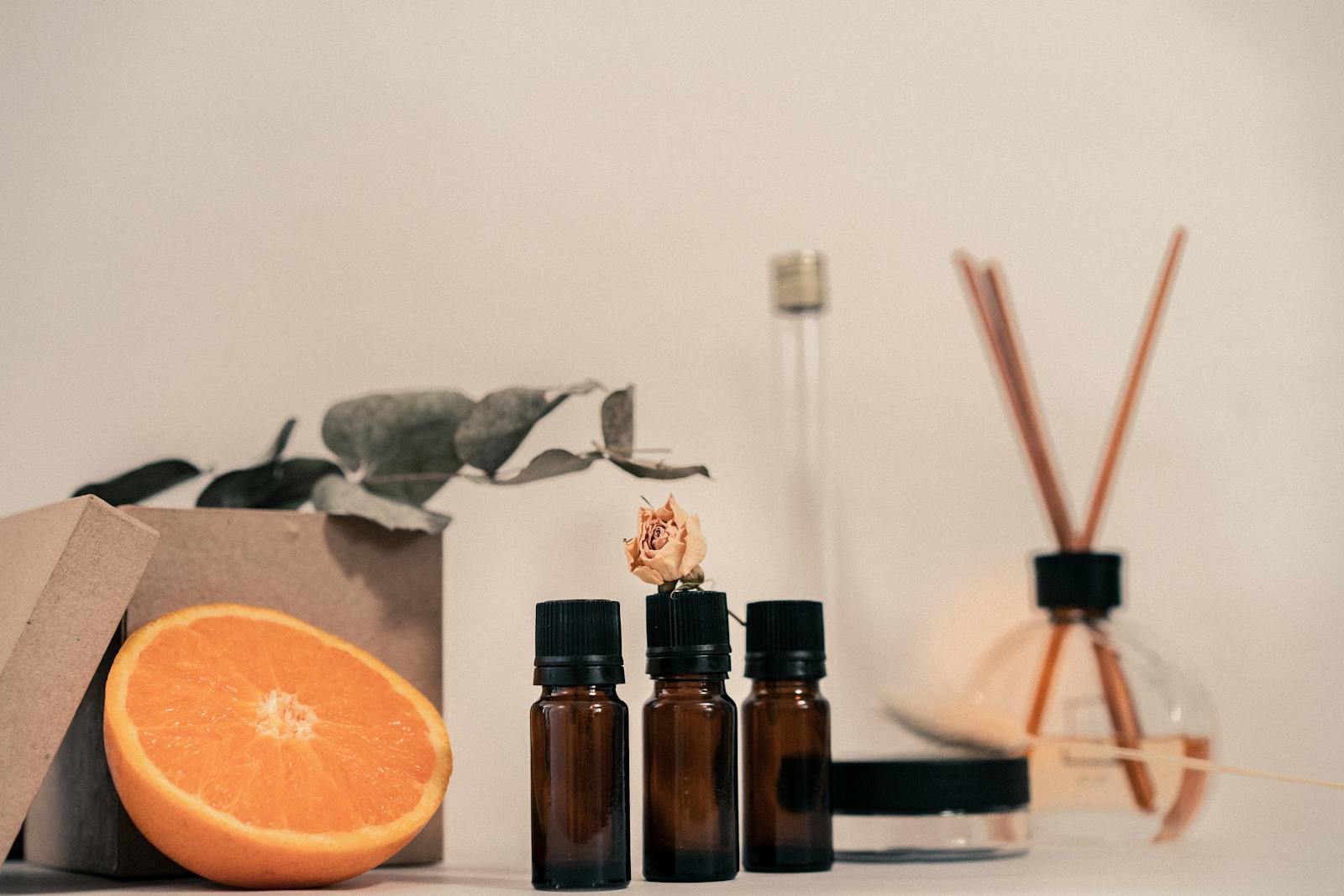
Most essential oil blending guides tell you which oils smell good together. That is useful but incomplete. Understanding why certain combinations work gives you a framework for creating effective blends rather than just following recipes someone else designed.
The chemistry behind blending comes down to three things: compound compatibility, mechanism complementarity, and volatility balance. During my plant biochemistry studies I spent considerable time on volatile compound interactions and secondary metabolite profiles across plant families.
What became clear is that plants producing similar secondary metabolites often do so through related biosynthetic pathways. That shared chemistry is partly why certain oils blend naturally. Their compounds are structurally compatible and interact with similar biological targets.
The Three Principles of Effective Blending
Principle 1: Compound Compatibility
Essential oils are complex mixtures of volatile compounds, not single molecules. When you combine two oils you are combining two compound profiles that interact chemically and perceptually.
I find the easiest way to think about this is structural similarity. Oils sharing similar compound classes tend to blend harmoniously because their volatiles are structurally related. Lavender and bergamot both contain significant linalool, the same monoterpenoid alcohol. When I combine them their linalool contributions reinforce each other, producing a stronger linalool effect than either oil alone at the same total volume. That is compound level enhancement, not just pleasant scent combination.
Oils with contrasting compound classes can also work well when the contrast is complementary. Frankincense contains alpha-pinene and incensole acetate, both heavier compounds with slower volatility than the linalool in lavender. When I use them together, lavender provides the immediate top note and frankincense persists longer as the heavier compounds evaporate more slowly. The blend has both immediate impact and staying power.
Principle 2: Mechanism Complementarity
For blends aimed at a specific effect, choosing oils that work through different biological mechanisms produces broader results than doubling up on the same pathway.
Lavender acts primarily through GABA-A receptor modulation, reducing excitatory nervous system activity. Bergamot contains both linalool for GABAergic calming and limonene which works through separate olfactory pathway mechanisms. Frankincense contains heavier terpenoid compounds that interact with different receptor systems in the nervous system entirely.
When I combine all three I am addressing stress through three distinct neurochemical pathways at once. That is why this particular combination feels more complete than any single oil used alone. The compounds are doing different jobs simultaneously, and the reader does not need to know the receptor names to feel the difference.
Principle 3: Volatility Balance
Volatile compounds evaporate at different rates. Perfumers call this top notes, middle notes, and base notes but the chemistry behind it is simply molecular weight and vapour pressure.
Light monoterpenoids like limonene in citrus oils and menthol in peppermint evaporate quickly, providing immediate but short-lived impact. Heavier sesquiterpenes like alpha-cedrene in cedarwood and caryophyllene in clove evaporate slowly, providing persistence. Linalool in lavender and geraniol in rose sit in the middle.
When I build a blend I think about what I want it to do immediately versus what I want it to do twenty minutes later. A blend with only top notes disappears fast. A blend with only base notes sits heavy and static. Including compounds across the volatility spectrum gives the blend an evolution that feels complete.
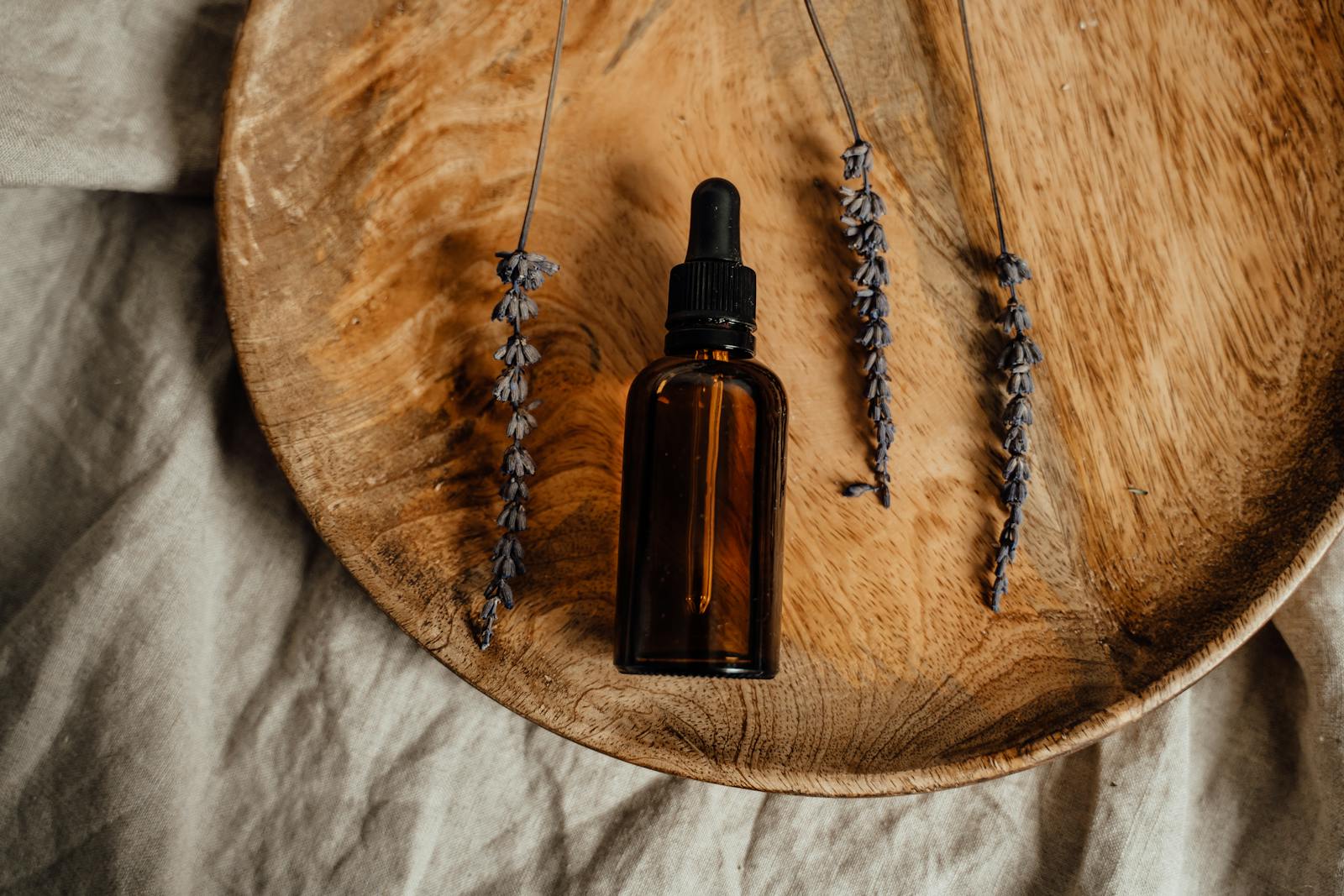
Shop High Quality Essential Oils →
Which Oils Blend Well Together and Why
Lavender with Bergamot
Both contain linalool as a primary volatile. I use this pairing more than any other for stress and anxiety blends because the linalool reinforcement at GABA-A receptors is genuinely stronger than either oil alone. Bergamot’s citrus compounds add brightness that lifts lavender’s heavier floral character. Biochemically coherent and practically effective.
Ratio: 3 drops lavender to 2 drops bergamot.
Lavender with Frankincense
My go-to evening blend. Lavender’s linalool produces the immediate calming effect and frankincense’s heavier terpenoids and incensole acetate provide grounding and duration. The two work through GABAergic and TRPV3 pathways simultaneously. I find frankincense easy to overuse, one drop is usually enough to anchor the whole blend.
Ratio: 2 drops lavender to 1 drop frankincense.
Peppermint with Eucalyptus
Both are high in 1,8-cineole and other monoterpenoids with respiratory and stimulant activity. Peppermint adds menthol’s cooling sensation while eucalyptus contributes its camphoraceous note. I use equal parts in a diffuser when I want mental clarity. The compounds are structurally compatible and the combined respiratory effect is noticeably stronger than either alone.
Ratio: equal parts for diffusion.
Bergamot with Cedarwood
A volatility-balanced pairing I find particularly useful for transitions, morning to focused work, or afternoon to evening wind-down. Bergamot’s limonene provides the bright opening that evaporates quickly, then cedarwood’s sesquiterpenes take over and persist. The blend starts uplifting and settles into something grounded.
Ratio: 3 drops bergamot to 2 drops cedarwood.
Frankincense with Cedarwood
Both contain heavier terpenoids with slow volatility. I use this for meditation or extended diffusion when I want something that stays consistent rather than evolving. Neither oil has strong top notes so the blend opens and maintains the same grounded quality throughout.
Ratio: equal parts.
Lemongrass with Peppermint
Lemongrass contributes citral, a mixture of geranial and neral. Peppermint contributes menthol. Both are energising through different volatile compound classes. I use this combination when I need focus and alertness rather than calm. Worth noting that citral is potent and can dominate quickly if you add too much lemongrass.
Ratio: 2 drops peppermint to 1 drop lemongrass.
Rosemary with Lemon
Rosemary contains 1,8-cineole and camphor alongside borneol. Lemon contributes limonene. I find this pairing useful for work sessions that require sustained concentration. There is some research support for rosemary’s 1,8-cineole and cognitive performance during diffusion which I find consistent with my own experience using it.
Ratio: 2 drops rosemary to 2 drops lemon.
Which Oils Should Not Be Mixed
Clove and cinnamon together produce an intensely phenolic blend that is irritating to skin and mucous membranes at even modest concentrations. Both contain high proportions of phenolic compounds. Used together they amplify the potential for irritation rather than providing beneficial combined effects.
Citrus oils combined with bergamot for topical use creates a photosensitisation risk. Bergapten in bergamot and furanocoumarins in lime and grapefruit can cause skin reactions when exposed to sunlight after application. Combining multiple photosensitising oils increases this risk significantly.
High doses of camphor-containing oils including rosemary, sage, and spike lavender combined together should be used cautiously. Camphor is a neurotoxic compound at high concentrations. Individual oils at normal diffusion quantities are safe, but stacking multiple camphor-rich oils in a small space at high doses is unnecessary and potentially problematic for sensitive individuals.
True lavender (Lavandula angustifolia) and spike lavender (Lavandula latifolia) are often confused but have very different compound profiles. Spike lavender contains significant camphor while true lavender does not. Mixing them expecting the calming effects of true lavender will produce a different result due to the camphor content of spike lavender.
Practical Blending Guide
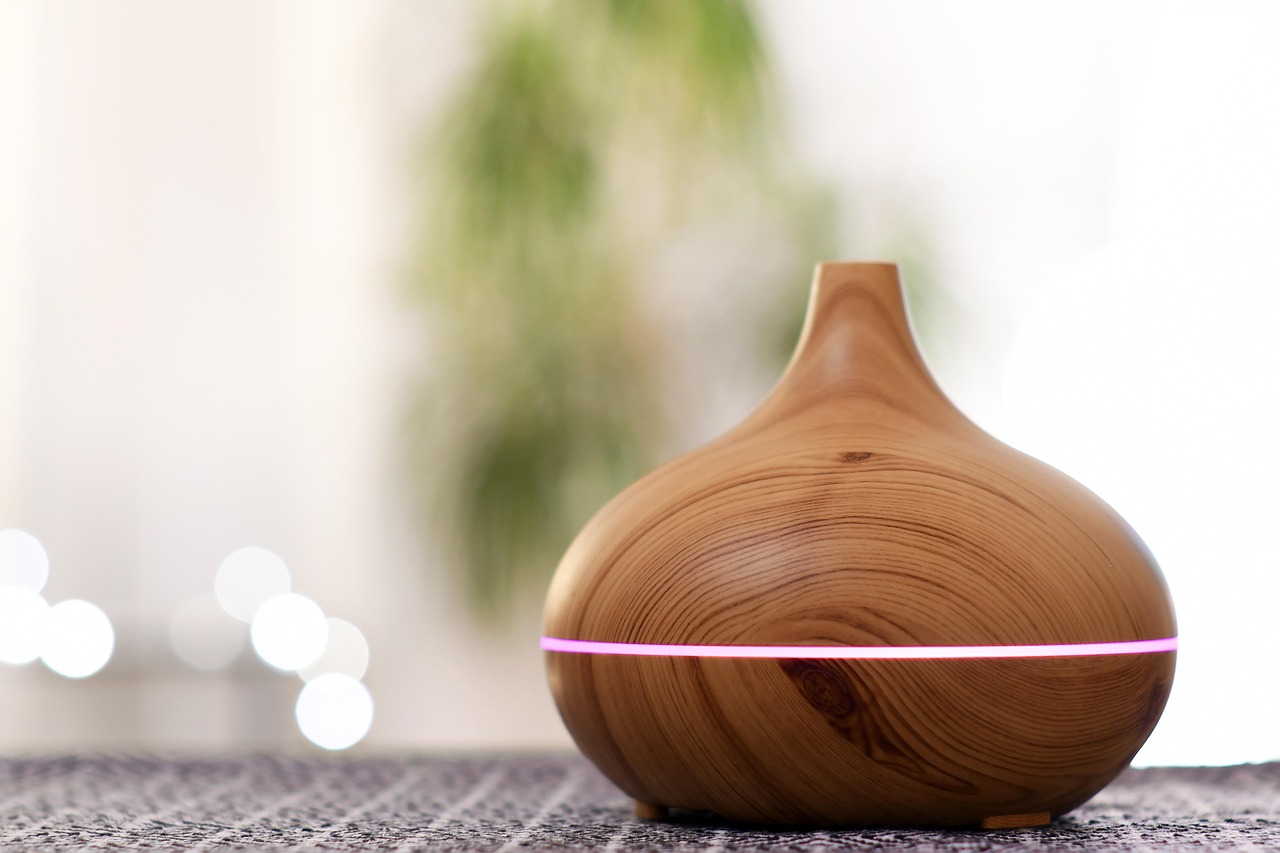
For a diffuser blend covering 100ml water I start with 5 to 8 total drops. More does not improve effectiveness and with some oils, particularly the phenolics, going higher causes headaches and respiratory irritation rather than any benefit.
When I build a blend I follow a simple structure based on volatility:
1 to 2 drops of a base note oil such as cedarwood, frankincense, or sandalwood
2 to 3 drops of a middle note oil such as lavender, chamomile, or geranium
1 to 2 drops of a top note oil such as lemon, bergamot, or peppermint
For a topical massage blend in 30ml carrier oil I keep the total essential oil concentration at 1 to 2 percent. That is 6 to 12 drops total in 30ml. I always patch test first and avoid photosensitising oils before going outside.
For an inhaler 15 to 20 total drops on the cotton wick provides direct high-concentration olfactory pathway exposure for quick effects without diffusing into a whole room.
Blend Recipes
Evening Wind-Down Diffuser 3 drops lavender, 2 drops bergamot, 1 drop frankincense Linalool from both lavender and bergamot reinforces GABAergic calming. Frankincense adds grounding through TRPV3 activity and slower volatility for persistence.
Focus and Clarity Diffuser 3 drops rosemary, 2 drops lemon, 2 drops peppermint 1,8-cineole from rosemary combined with limonene from lemon and menthol from peppermint creates a stimulating blend through multiple olfactory mechanisms.
Grounding Meditation Blend 2 drops frankincense, 2 drops cedarwood, 1 drop lavender Heavy sesquiterpene base with linalool middle note. Slow volatility throughout. Suitable for extended diffusion during meditation or yoga.
Uplifting Morning Blend 3 drops bergamot, 2 drops lemongrass, 1 drop peppermint Limonene and linalool from bergamot, citral from lemongrass, menthol from peppermint. Three distinct volatile compound classes working together for an energising effect.
Common Questions
Which essential oils blend well with lavender?
Bergamot shares linalool chemistry with lavender making it a natural pairing that reinforces GABAergic calming effects. Frankincense provides complementary mechanism and volatility balance. Chamomile adds alpha-bisabolol with compatible sedative chemistry. Cedarwood provides a grounding base note that gives lavender blends persistence.
Which essential oils should not be mixed?
Clove and cinnamon together amplify phenolic irritation potential. Multiple photosensitising oils including bergamot, lime, and grapefruit combined for topical use increase photosensitisation risk. Stacking multiple camphor-rich oils including rosemary, sage, and spike lavender in high concentrations in small spaces is unnecessary and potentially problematic for sensitive individuals.
Why do lavender and bergamot work so well together?
Both contain significant linalool as a primary volatile compound. When combined their linalool contributions reinforce each other, producing stronger GABAergic activity than either oil alone at the same total volume. This is compound level enhancement rather than just pleasant scent compatibility.
How many drops should I use in a diffuser?
5 to 8 total drops in 100ml water suffices for most diffusers. More does not improve effectiveness and can cause headaches or respiratory irritation particularly with high-phenolic oils like clove and oregano.
Does the ratio of oils in a blend matter?
Yes. Potent oils like frankincense, clove, and lemongrass can dominate a blend at equal ratios because their primary volatiles are more perceptually intense than those in lighter oils. Starting with lower proportions of potent oils and adjusting allows you to find the balance where no single oil overwhelms the others.
Can essential oils be mixed with water for a spray?
Not effectively without an emulsifier. Essential oil volatiles are hydrophobic and do not dissolve in water. They float on the surface rather than dispersing evenly. Witch hazel or a small amount of alcohol acts as an emulsifier allowing more even distribution in water-based sprays.
What is the difference between true lavender and spike lavender?
Lavandula angustifolia true lavender contains primarily linalool and linalyl acetate with no significant camphor. Lavandula latifolia spike lavender contains substantial camphor alongside linalool. The two smell similar but have different compound profiles and different effects. Spike lavender is more stimulating, true lavender more sedating.
Why does frankincense make blends last longer?
Frankincense contains heavy sesquiterpene compounds including alpha-pinene and incensole acetate with high molecular weights and low vapour pressure. These compounds evaporate more slowly than lighter monoterpenoids, extending the duration of the blend’s scent profile.
If you want to explore quality essential oils for blending, this collection covers a wide range of the oils discussed in this article.

