









$9.00
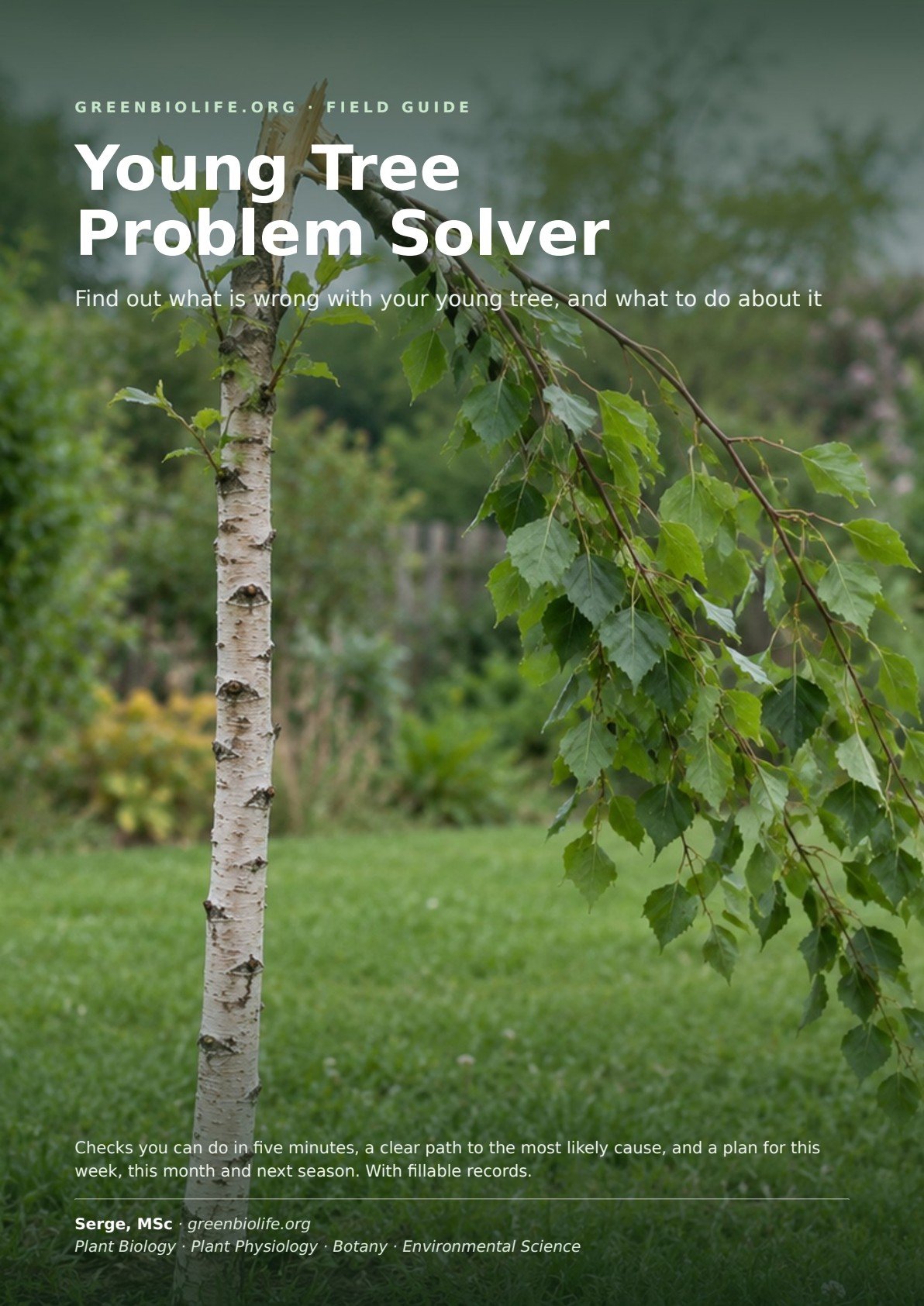
A young tree that has stopped growing, bends over, lost its top or drops its leaves in summer can usually be put right.
This 13-page fillable PDF starts from what you see, takes you through quick yes or no checks, and tells you what to do now and what to check later.
Description
This article was written by Serge, MSc. Plant Biologist and Environmental Scientist with a BSc in Plant Biology and an MSc in Environmental Biology and Biogeochemistry. My background covers plant biochemistry, botany, and field research in forest and soil ecosystems. I write from real experience, not just literature.
Affiliate disclosure: This site has affiliate links, including Amazon. As an Amazon Associate I earn from qualifying purchases, at no extra cost to you.
Work out what your young tree needs, step by step
You planted a tree and something isn’t right. It hasn’t grown, or it’s tall and floppy, or the top snapped, or the leaves are browning in July. Searching online gives ten possible causes and no way to tell which one is yours.
This guide narrows it down. You pick the problem you can see, answer a short run of yes or no questions while standing at the tree, and each answer tells you what to do or where to look next.
It’s written for garden and yard trees from planting day up to about ten years old.
Problems covered
A. It was planted in the last few years and has barely grown
B. It’s tall, but the trunk is thin and it flops or bends
C. The trunk measures smaller or looks narrower than before
D. The top shoot broke off, was eaten or was cut
E. Leaves are yellow, brown or dropping in summer, or the crown looks thin
A separate page for trees with more than one of these.
In the guide
Five-minute checks that need only your hands and a ruler
One step-by-step page per problem
Actions for this week, this month and next season
A “do not do this” list for each problem
When to stop and call an arborist
What to check if the first fix didn’t work
A follow-up calendar: what you should see after 2 weeks, 6 weeks and next season
Notes for broadleaf trees, conifers, grafted fruit trees and birch
A worked example and blank case records to type into or print
The university extension and government sources behind the steps.
What it doesn’t cover
Pests and soil testing aren’t in this guide. For those, see What’s Eating My Garden? and Test Your Garden Soil at Home in this shop.
About the author
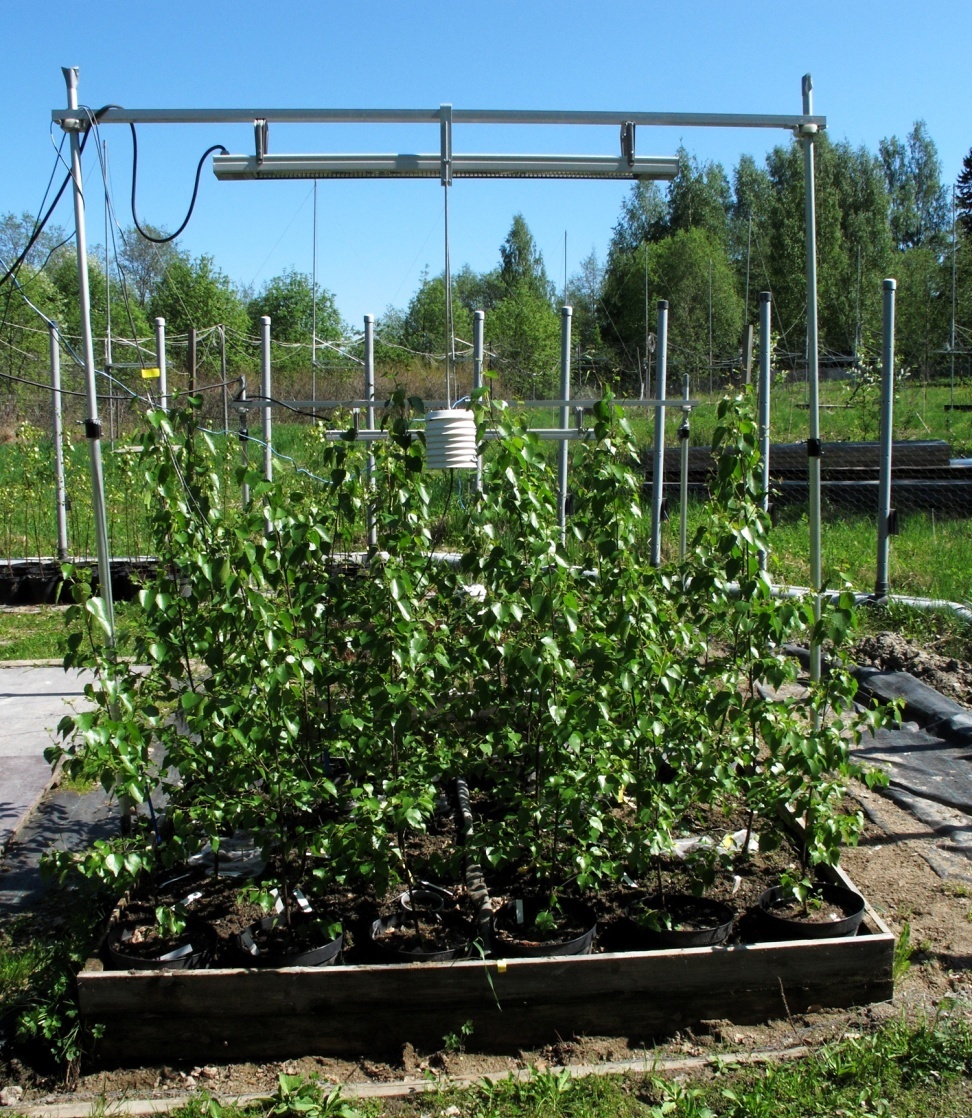
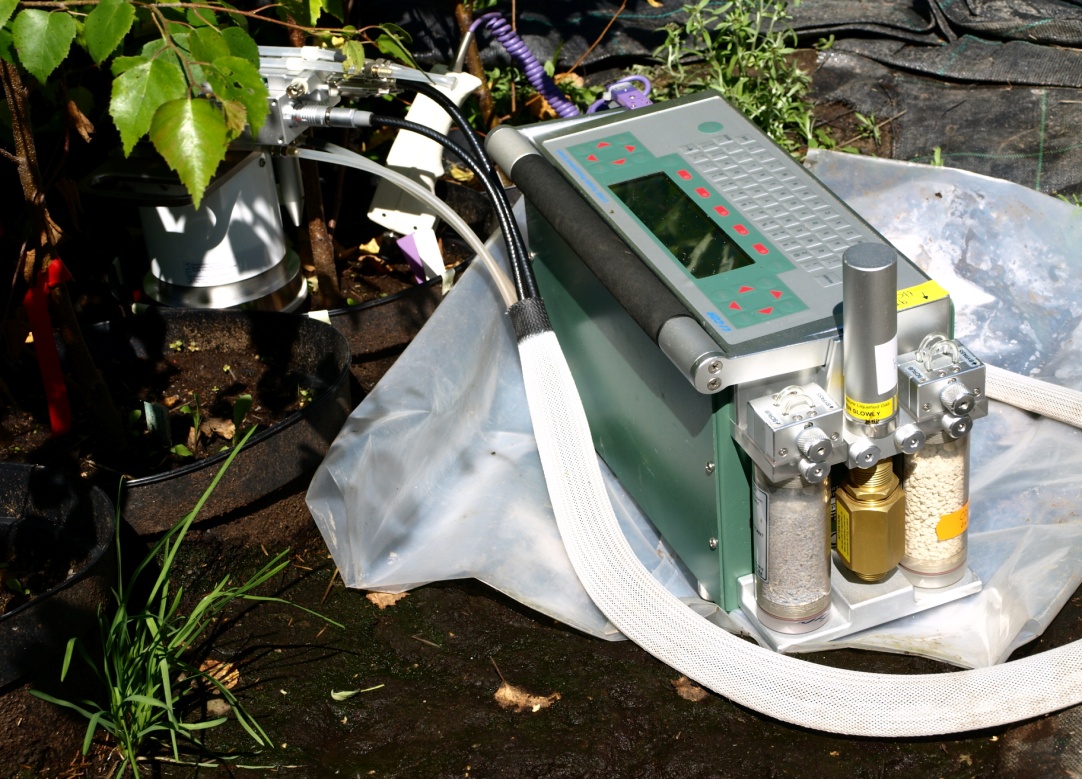
I’m a plant biologist and environmental scientist. In my field research I followed 192 young silver birch trees through a growing season. I measured their stems every three weeks and checked the soil moisture three times a week. Some broke, some bent after wind and rain, and trees of the same age in the same soil grew differently.
Format
13-page PDF with fillable fields. Use it on a phone, tablet or computer, or print it on A4 or Letter. The download link arrives straight after payment.
Please note
This guide is for common problems in young garden trees and doesn’t replace an on-site inspection. If a tree could fall on people, buildings, roads or power lines, contact a qualified arborist. All sales are final once the guide has been downloaded.