






$7.00
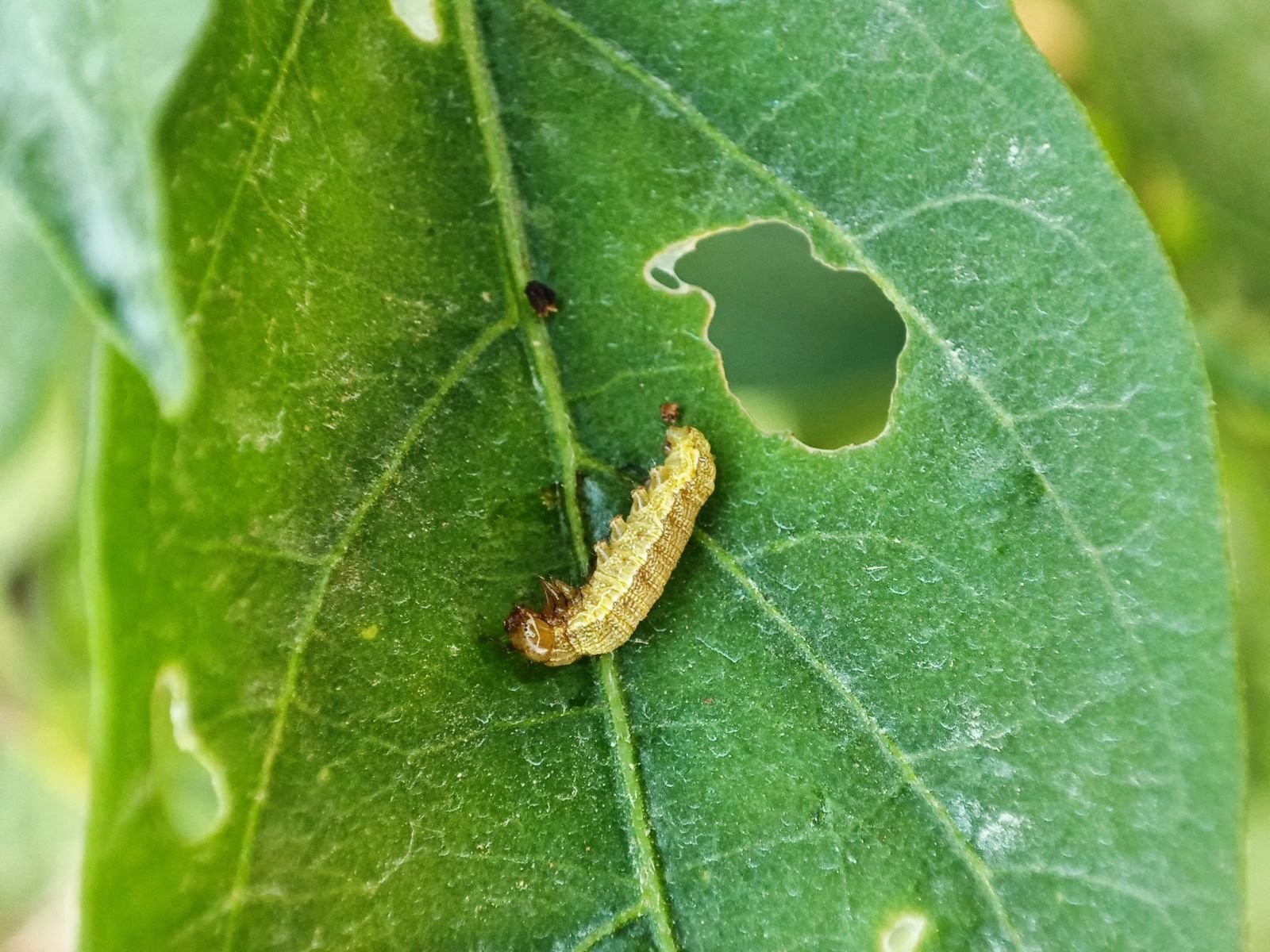
Holes in leaves, slime trails, plants gone overnight? Work out the culprit from the damage and stop it, naturally.
Instant PDF.
Description
This article was written by Serge, MSc. Plant Biologist and Environmental Scientist with a BSc in Plant Biology and an MSc in Environmental Biology and Biogeochemistry. My background covers plant biochemistry, botany, and field research in forest and soil ecosystems. I write from real experience, not just literature.
Affiliate disclosure: This site has affiliate links, including Amazon. As an Amazon Associate I earn from qualifying purchases, at no extra cost to you.
Before you spray anything, you need to know what’s actually attacking your plants.
The wrong treatment wastes time and kills the helpful insects too.
This guide reads the damage and tells you what caused it.
A “read the damage” table turns what you see into what did it. There’s a full section on slugs and snails, the biggest cause of plant damage, with methods that really work. You’ll learn to spot the insects that chew and suck, tell when it’s an animal instead of a bug, and know when it’s disease instead. And you’ll see how to build a garden that fends off most trouble on its own.
Organic, least-toxic-first throughout. Written by a plant biologist. Instant digital download (PDF), 6 pages.