








$12.00
Sustainable growing depends on living soil. This living soil test guide gives you five home methods to see whether your soil is alive and improving, from earthworm counts to the tea bag test. Built on soil science, with seven fillable logs to track change over the seasons.
12-page PDF · instant download · fillable on screen or print
Description
This article was written by Serge, MSc. Plant Biologist and Environmental Scientist with a BSc in Plant Biology and an MSc in Environmental Biology and Biogeochemistry. My background covers plant biochemistry, botany, and field research in forest and soil ecosystems. I write from real experience, not just literature.
Affiliate disclosure: This site has affiliate links, including Amazon. As an Amazon Associate I earn from qualifying purchases, at no extra cost to you.
Measure what sustainable growing is building
Compost, mulch and less digging all aim at the same thing: more life in the soil. But how do you know it’s working? A living soil test gives you the answer. As a researcher who measured soil respiration in the field, I built this guide around simple methods that show soil life at work, and how to track it year to year.
Five methods, rated by effort and cost
- Look and smell check
- Earthworm count (USDA NRCS method)
- Cotton strip test
- Tea bag test (updated for the 2024 change in the standard tea)
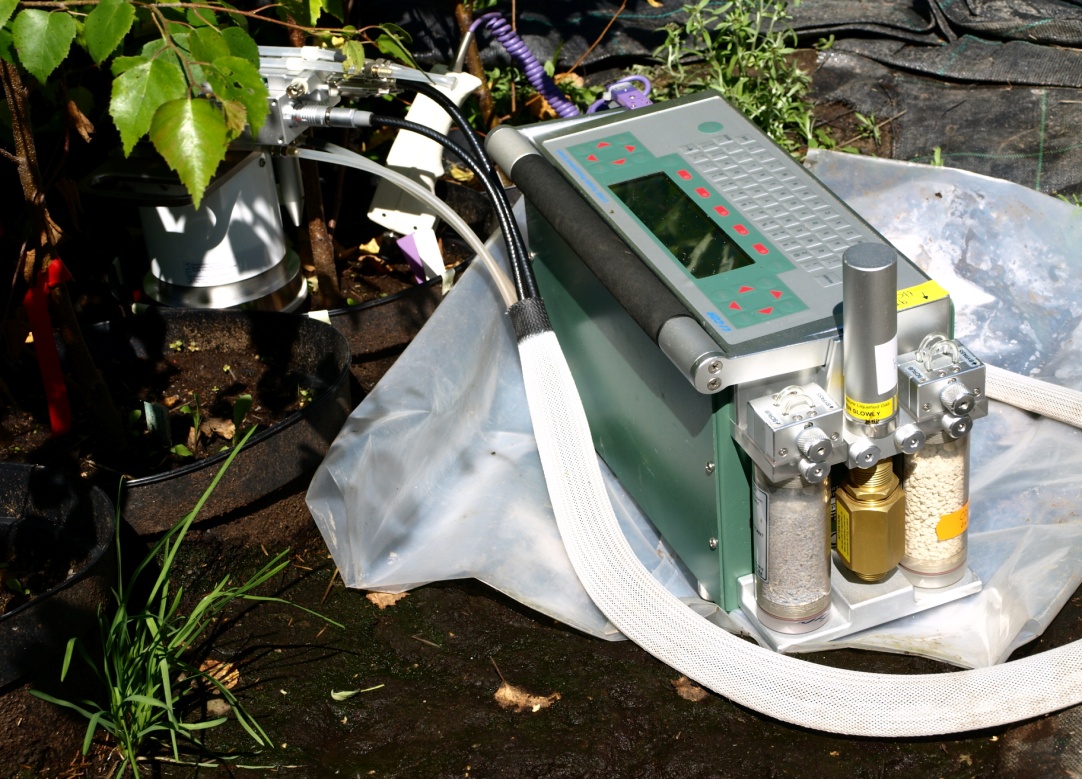
- CO₂ burst kit
Why it works for green growers: the fair-comparison method shows you whether your practices (compost, mulch, no-dig) are moving your soil in the right direction.
Inside: seven fillable logs, from site description to a season summary, plus USDA NRCS sources.