











This article was written by Serge, MSc. Plant Biologist and Environmental Scientist with a BSc in Plant Biology and an MSc in Environmental Biology and Biogeochemistry. My background covers plant biochemistry, botany, and field research in forest and soil ecosystems. I write from real experience, not just literature.
Affiliate disclosure: This site has affiliate links, including Amazon. As an Amazon Associate I earn from qualifying purchases, at no extra cost to you.
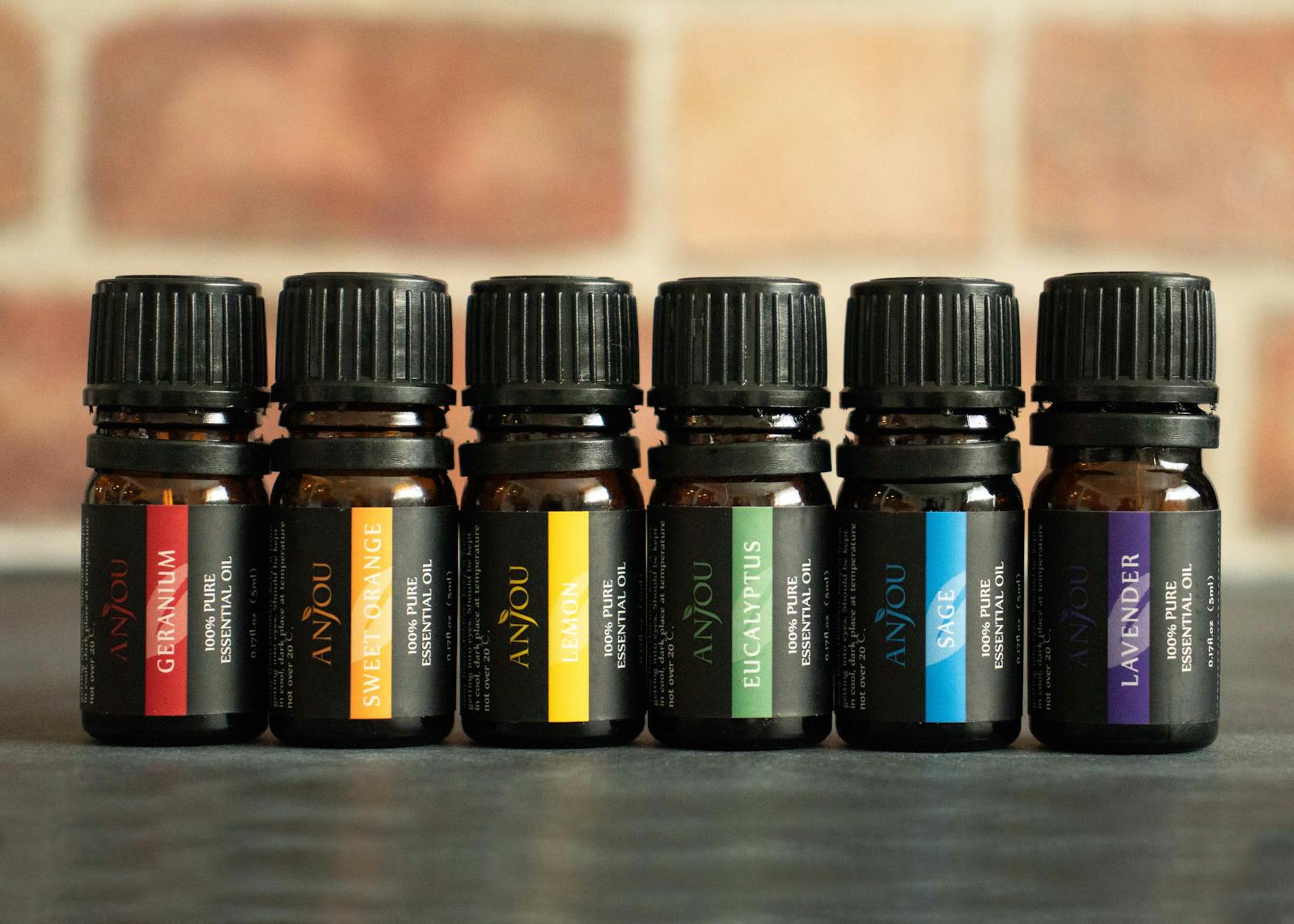
The first time I understood why lavender smells the way it does, I was studying volatile terpenoid biosynthesis in my plant biochemistry training. Linalool, the primary volatile compound in lavender, is synthesized in glandular trichomes on the leaf and flower surfaces through the MEP pathway, the same biosynthetic route that produces most plant monoterpenoids. The plant produces it as a herbivore deterrent. The same molecule that tells insects to stay away triggers relaxation responses in the human nervous system.
That biochemical irony never gets old to me.
How Volatile Compounds Actually Reach the Brain
When you inhale an essential oil the volatile molecules travel through the nasal passage and interact with olfactory receptor neurons in the olfactory epithelium. These neurons project directly to the olfactory bulb, which connects to the limbic system including the amygdala and hippocampus.
This is the only sensory pathway that connects directly to the limbic system without first passing through the thalamus. Every other sense, sight, sound, touch, taste, routes through the thalamus before reaching emotional processing areas. Smell bypasses this relay entirely.
The practical consequence is that volatile compounds from essential oils can trigger emotional and physiological responses faster and more directly than almost any other sensory input. This is not aromatherapy marketing language. It is basic neuroanatomy that explains why certain smells can shift your emotional state within seconds of inhalation.
The Chemistry of the Most Studied Stress-Relief Oils
Lavender (Lavandula angustifolia)
Linalool and linalyl acetate are the primary volatiles, both monoterpenoids synthesized through the MEP pathway in glandular trichomes. Linalool has documented activity at GABA-A receptors, the same receptors targeted by benzodiazepine drugs, producing anxiolytic effects through GABAergic inhibition. It also inhibits glutamate receptor activity, reducing excitatory signalling in the central nervous system.
I covered linalool biosynthesis in detail in my flowering plants article when discussing lavender’s drought adaptation. The same compound that reduces water loss in Mediterranean conditions by deterring herbivores produces measurable relaxation responses in humans through receptor-level mechanisms.
Multiple controlled trials have tested lavender oil inhalation against placebo and found significant reductions in anxiety scores, heart rate, and cortisol levels. The evidence is genuinely solid compared to most aromatherapy claims.
Chamomile (Matricaria chamomilla)
Chamomile essential oil contains alpha-bisabolol and chamazulene as its primary bioactive volatiles. Alpha-bisabolol has documented anti-inflammatory and mild sedative activity. Chamazulene, which gives chamomile oil its characteristic blue colour, is produced during steam distillation from a non-volatile precursor in the plant rather than being present in the fresh plant material.
The anxiolytic effects of chamomile are better documented for its flavonoid apigenin in water extracts than for the essential oil specifically. Apigenin binds GABA-A receptors directly. However inhaled alpha-bisabolol also shows CNS activity in animal studies.
Bergamot (Citrus bergamia)
Bergamot essential oil contains linalool and linalyl acetate alongside limonene and bergapten. The linalool content is what distinguishes bergamot from other citrus oils and explains its documented anxiolytic effects. Pure citrus oils without significant linalool, like orange and lemon, show weaker anxiety-reducing effects in controlled studies.
Bergapten, a furocoumarin in bergamot, is photosensitising and can cause skin reactions when applied topically before sun exposure. Bergapten-free bergamot oil is processed to remove this compound for safe topical use.
Frankincense (Boswellia serrata)
I covered Boswellia serrata chemistry in detail in my anti-inflammatory herbs article. The essential oil contains alpha-pinene, limonene, and incensole acetate as primary volatiles. Incensole acetate specifically has documented effects on TRPV3 channels in the brain, producing anxiolytic and antidepressant-like effects in research models.
Frankincense’s long association with meditation and spiritual practice across multiple cultures may reflect genuine neurochemical activity through incensole acetate rather than purely symbolic significance.
Ylang Ylang (Cananga odorata)
One of the most chemically complex essential oils with over 100 identified compounds including linalool, geraniol, benzyl acetate, and caryophyllene. The complexity makes it difficult to attribute effects to single compounds. Linalool is again likely the primary anxiolytic component. Caryophyllene is a sesquiterpene that binds CB2 cannabinoid receptors, which may contribute to mood modulation.
What Affects Essential Oil Quality
This is where my background in plant secondary metabolite production becomes directly relevant.
The volatile compound profile of an essential oil reflects the growing conditions of the source plant. Lavender grown in poor dry soil under high light stress produces higher linalool concentrations than lavender grown in rich moist conditions. I covered this mechanism in detail in my herbal terroir article. The same environmental stress physiology that affects medicinal herb potency affects essential oil composition.
Steam distillation temperature and duration also affect the volatile profile. Lower temperature distillation preserves more of the lighter monoterpenoids including linalool. Higher temperature or longer distillation increasingly extracts heavier sesquiterpenes and can degrade thermolabile compounds.
This is why oil quality varies between suppliers even when the source plant species is the same. Harvest timing, growing conditions, and distillation parameters all shift the compound profile in ways that affect therapeutic activity.
Synthetic or adulterated oils that add isolated linalool to cheaper base oils can produce similar aromatic profiles but may lack the full compound complexity of genuine steam-distilled plant material. The minor compounds present in genuine oils may contribute to the overall biological effect in ways that are not yet fully characterised.
Practical Use
Diffusion is the most efficient delivery method for stress and anxiety applications because inhalation provides direct access to the olfactory-limbic pathway. A diffuser running for 30 to 60 minutes in a room produces consistent ambient volatile concentrations without oversaturation.
Topical application with a carrier oil allows skin absorption of some compounds, particularly linalool which is lipophilic and crosses the skin barrier. Always dilute to 1 to 3 percent in carrier oil before skin application. Some compounds, particularly bergapten in bergamot and certain furanocoumarins in citrus oils, are photosensitising and should not be applied before sun exposure.
Direct inhalation from the bottle or a tissue provides immediate high-concentration exposure for acute stress moments. A few slow breaths with the bottle held 5 to 10 cm from the nose is sufficient.
FAQs
Why does lavender reduce stress and anxiety?
Linalool, the primary volatile in lavender essential oil, has documented activity at GABA-A receptors producing anxiolytic effects through GABAergic inhibition. It also reduces excitatory glutamate signalling. Multiple controlled trials confirm significant reductions in anxiety scores and cortisol levels with lavender inhalation compared to placebo.
How do essential oils affect the brain so quickly?
The olfactory pathway is the only sensory route that connects directly to the limbic system without first passing through the thalamic relay. Volatile molecules trigger olfactory receptor neurons that project directly to emotional processing areas including the amygdala. This direct connection explains the rapid emotional responses to inhaled volatile compounds.
Why does essential oil quality vary so much between brands?
Because the volatile compound profile reflects the growing conditions of the source plant, harvest timing, and distillation parameters. Lavender grown under environmental stress produces higher linalool concentrations. Lower temperature distillation preserves more thermolabile monoterpenoids. These variables shift the compound profile in ways that affect therapeutic activity regardless of whether the oil is labelled pure or organic.
Is bergamot oil safe to apply to skin?
Standard bergamot oil contains bergapten, a furocoumarin that is photosensitising and can cause skin reactions when exposed to sunlight after topical application. Bergapten-free bergamot oil has this compound removed and is safe for topical use. Check the label before applying to skin and sun exposure.
Can essential oils replace pharmaceutical anxiety treatment?
No. The evidence supports essential oils as complementary tools for mild anxiety and stress management, not as replacements for prescribed medication in clinical anxiety disorders. The receptor-level mechanisms are real but the potency is far lower than pharmaceutical interventions.
Does the whole oil work better than isolated compounds?
Likely yes for most therapeutic applications, though this is difficult to prove definitively. Minor compounds present alongside the primary actives may have synergistic effects or modify absorption and metabolism in ways not yet fully characterised. This is consistent with what plant biochemistry shows about secondary metabolite interactions generally.

