








This article was written by Serge, MSc. Plant Biologist and Environmental Scientist with a BSc in Plant Biology and an MSc in Environmental Biology and Biogeochemistry. My background covers plant biochemistry, botany, and field research in forest and soil ecosystems. I write from real experience, not just literature.
Affiliate disclosure: This site has affiliate links, including Amazon. As an Amazon Associate I earn from qualifying purchases, at no extra cost to you.
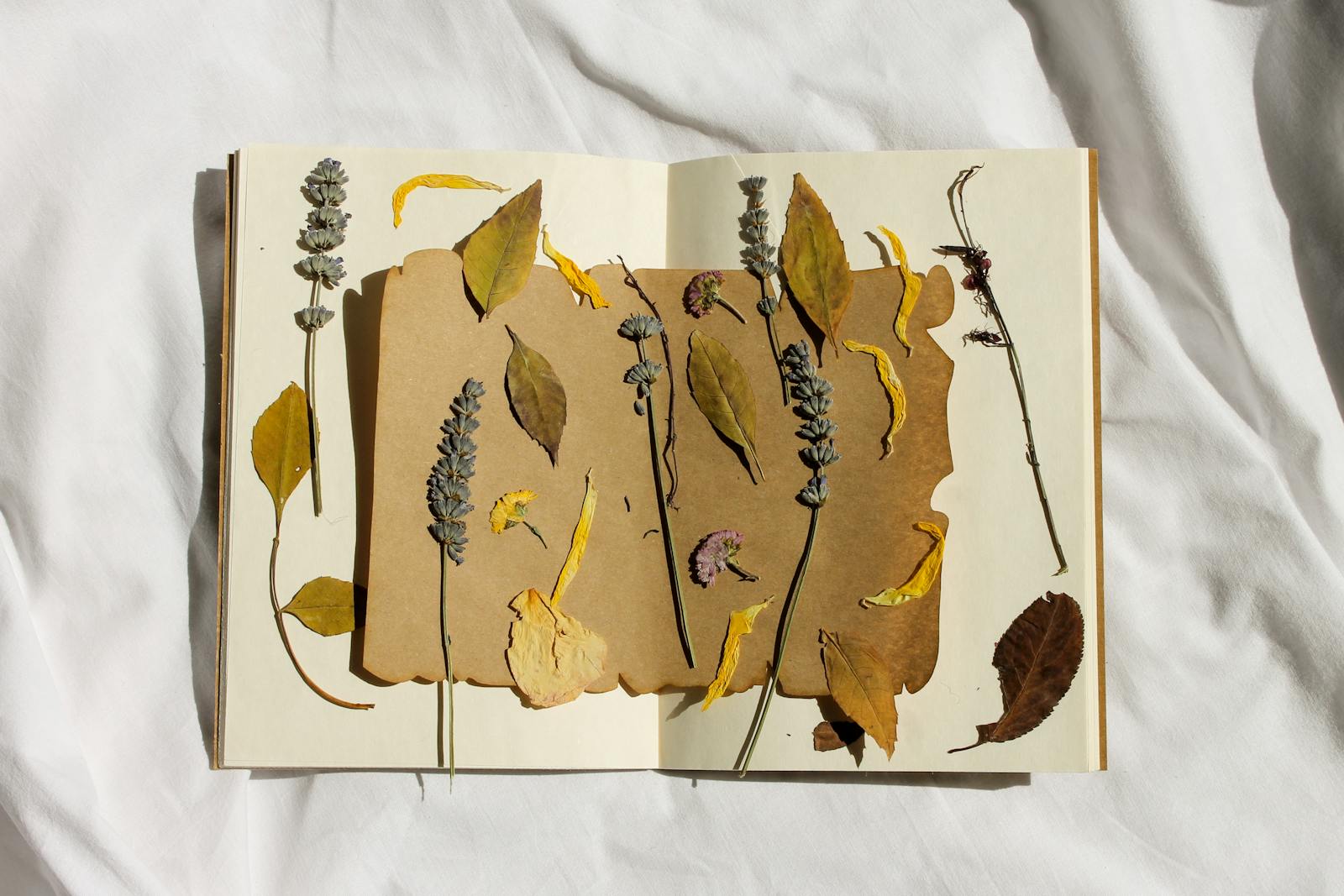
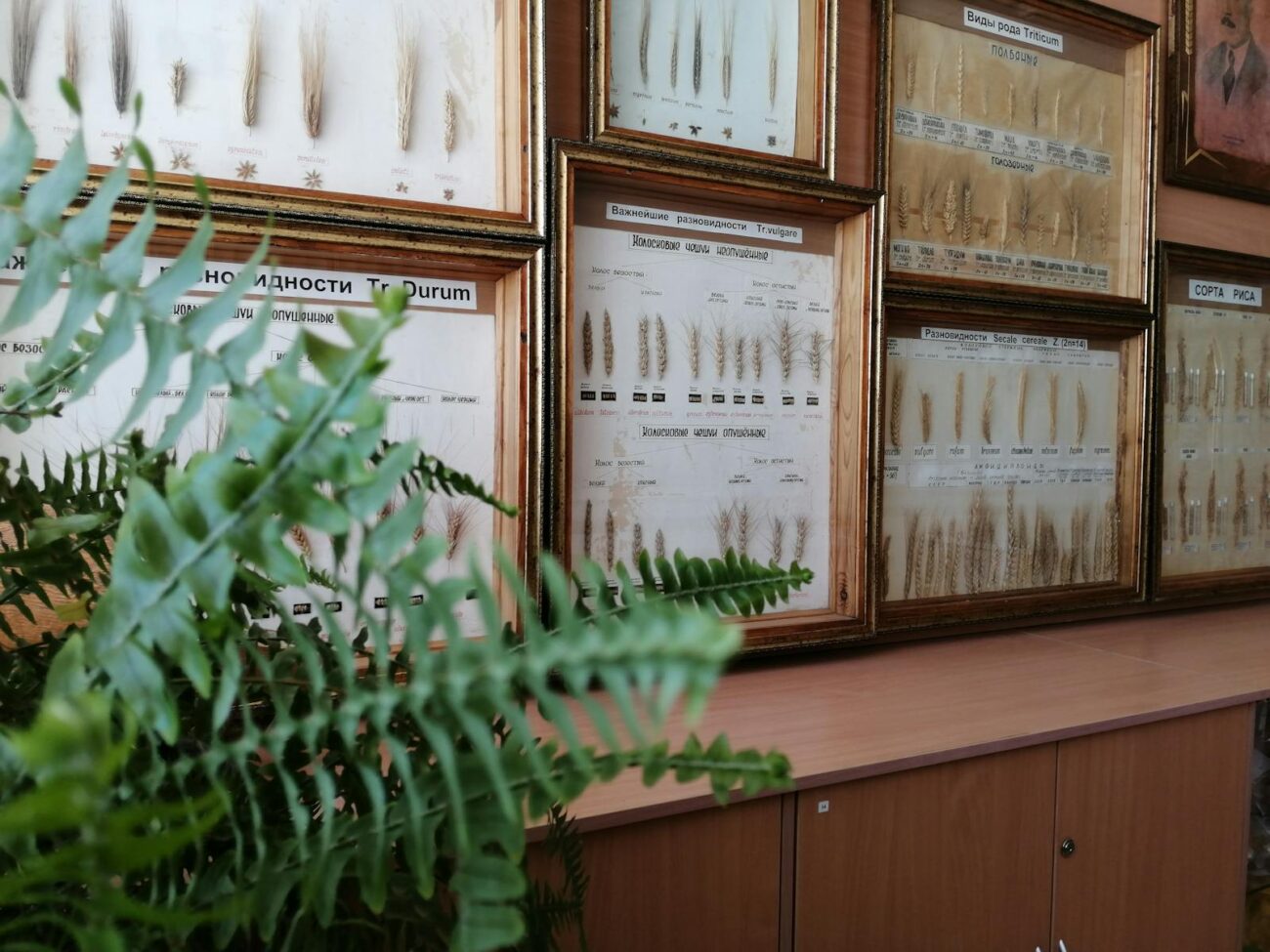
Part of my training as a plant biologist meant long hours with real specimens. On field trips with my teacher and the other students, we collected as many plant species as we could find, then pressed them flat, dried them, labelled each one and kept them in our herbarium collection. I describe more of that work in what a plant biologist really does.
There was a real reason behind all that careful work. Once a plant dries out, it loses a lot of what makes it easy to recognise. The colour fades, the shape distorts, and the soft parts shrink and curl. A leaf that looked obvious in the field can turn into a brown puzzle on the sheet.
Learning to name a plant from its underlying structure, rather than its fresh colour, trains your eye in a way nothing else does. That practice taught me plant classification from the ground up, not as a list to memorise but as a way of reading a plant and placing it in the wider plant kingdom.
So this is not going to read like a textbook chapter. I want to walk you through how plants are sorted, why the system looks the way it does, and where it gets interesting once you stop seeing it as dry naming and start seeing it as a map of how plants are related.
There are somewhere around 390,000 to 400,000 known plant species, and counts keep shifting as new ones are described and old groupings are revised. Sorting that many living things needs a system, and the one we use has a long history.
The Naming System, and Why Latin
Plant classification rests on foundations Carl Linnaeus laid in the 18th century. He introduced the two-word naming system and a hierarchy of nested ranks, and later botanists added further ranks such as family and division. Today the main ranks run from species at the bottom, through genus, family, order, class and division, up to kingdom at the top. Each step up gathers a wider group sharing fewer but deeper traits.
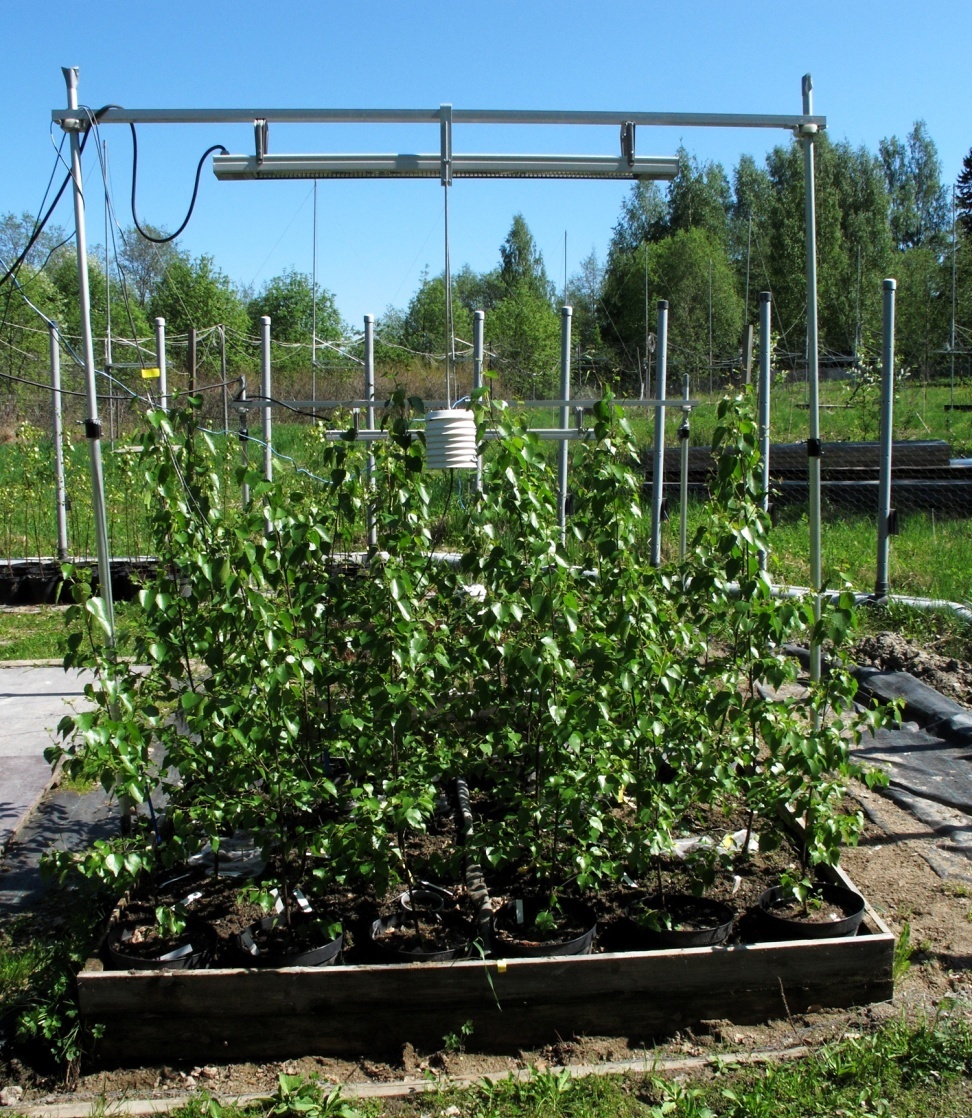
A species is commonly defined as a group that can interbreed and produce fertile offspring, although plants hybridise often enough to blur that line. Each species gets a precise Latin binomial, two words, genus first and then species. Silver birch, the tree used in my field research, carries the name Betula pendula. Betula tells you the genus, the birches. Pendula pins down the exact species.
The reason for Latin comes down to one thing. A common name changes from country to country and language to language, but Betula pendula means the same plant to a botanist anywhere on the planet. Back when I was learning to identify those dried specimens, the Latin name was the only label that removed all doubt about what I held.
I explain how these names are built in botanical names and Latin taxonomy, and if you want to look one up, my free botanical name finder matches common herb names to their accepted scientific names.
The Big Split: Vascular and Non-Vascular
The first real division most people meet separates plants by their plumbing.
Vascular plants have specialised internal tissue, xylem and phloem, that moves water and nutrients around the body. That plumbing lets them grow tall and stiff. Ferns, conifers and all the flowering plants belong here.
Non-vascular plants lack that tissue. Without internal transport they stay small and low, and they depend on damp surroundings to move water across their cells. Mosses and liverworts sit in this group.
Once I understood that single split, a lot of plant structure made sense. The reason a moss hugs a wet rock and a birch towers over a forest comes straight from whether or not it evolved that internal plumbing.
The Major Plant Groups
Within and around those two camps, plants are usually described in five broad groups. Here is how I think about each one.
Algae
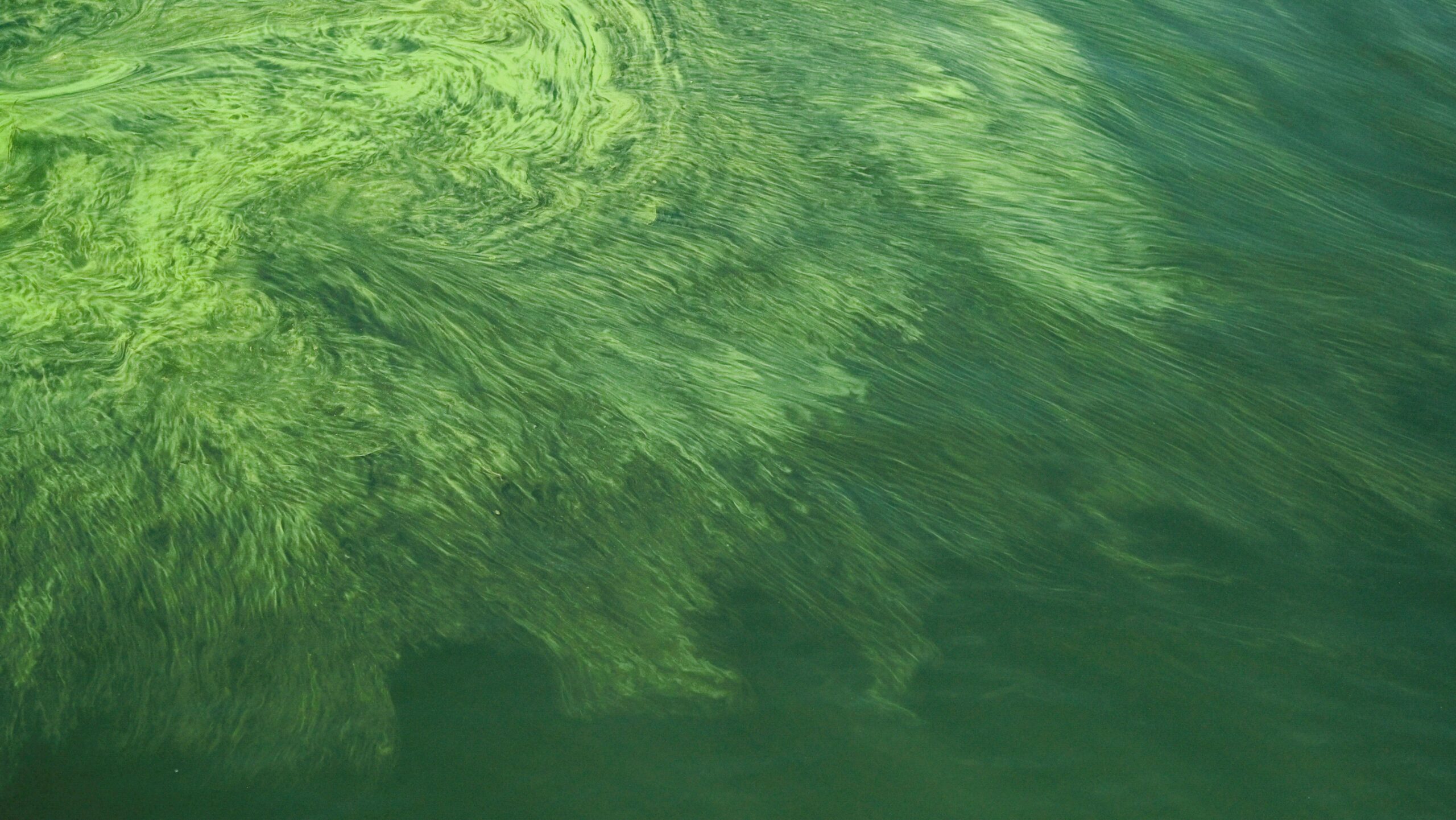
Algae are the simplest. They are mostly aquatic, lack true roots, stems and leaves, and range from single cells to long seaweeds. Most biologists no longer count algae as true plants, and brown seaweeds are not even closely related to them.
But one group of green algae, the charophytes, which include the stoneworts, are the closest living relatives of land plants, which makes them far more than pond scum to a botanist. Together with other aquatic photosynthesisers, algae produce roughly half of the planet’s oxygen.
Bryophytes
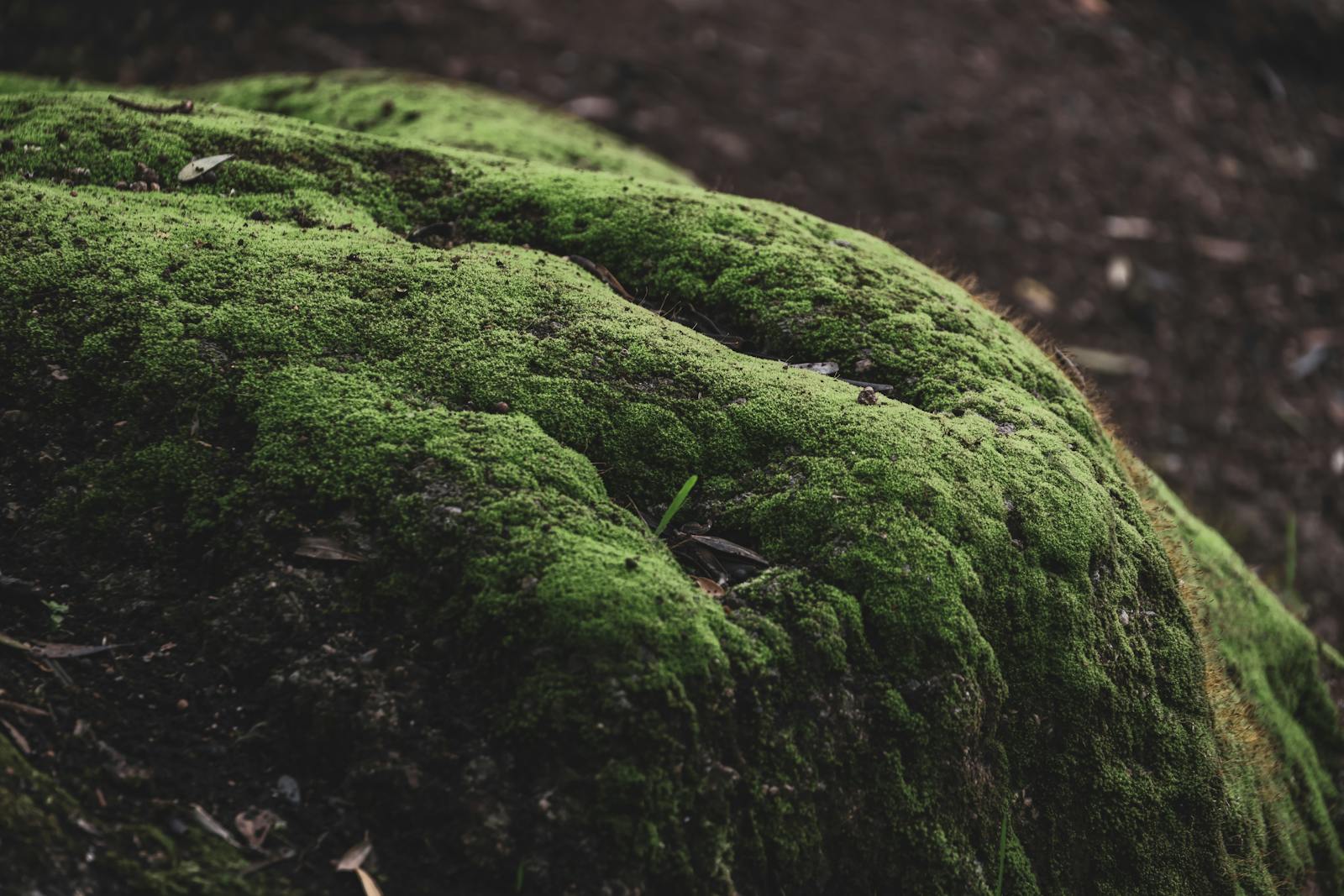
Bryophytes cover mosses, liverworts and hornworts. They are non-vascular, small, and tied to moisture, because they need a film of water for their sperm to reach the egg. They do quiet work in soil formation and water retention, and they are often among the first plants to colonise bare ground.
Ferns
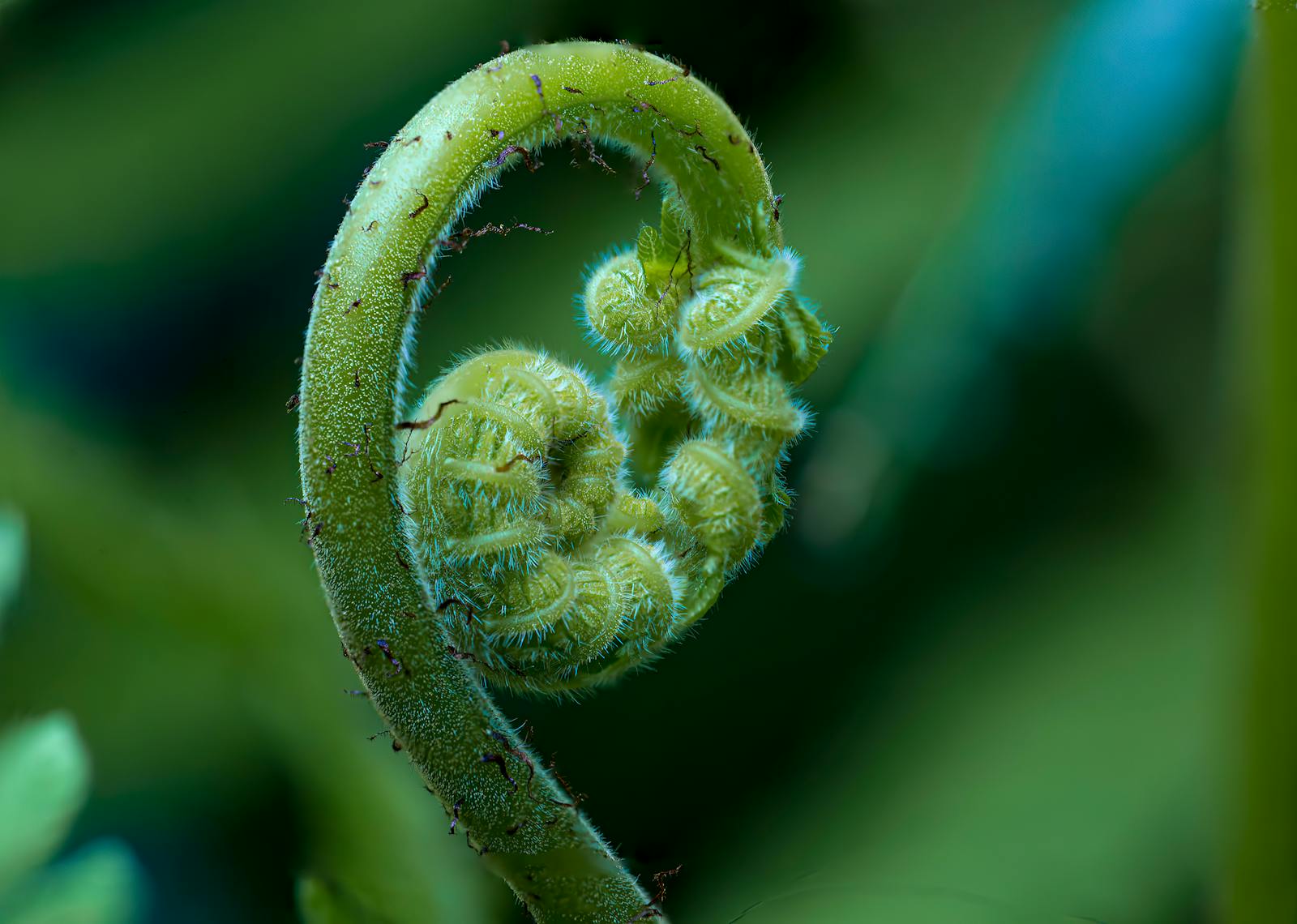
Ferns and their relatives have vascular tissue and proper roots, stems and leaves, but they reproduce through spores rather than seeds. Bracken, Pteridium aquilinum, uses spores for its sexual cycle, though it spreads across woodland floors mainly through underground rhizomes. The spore lifecycle sets ferns apart from everything that came later.
Gymnosperms
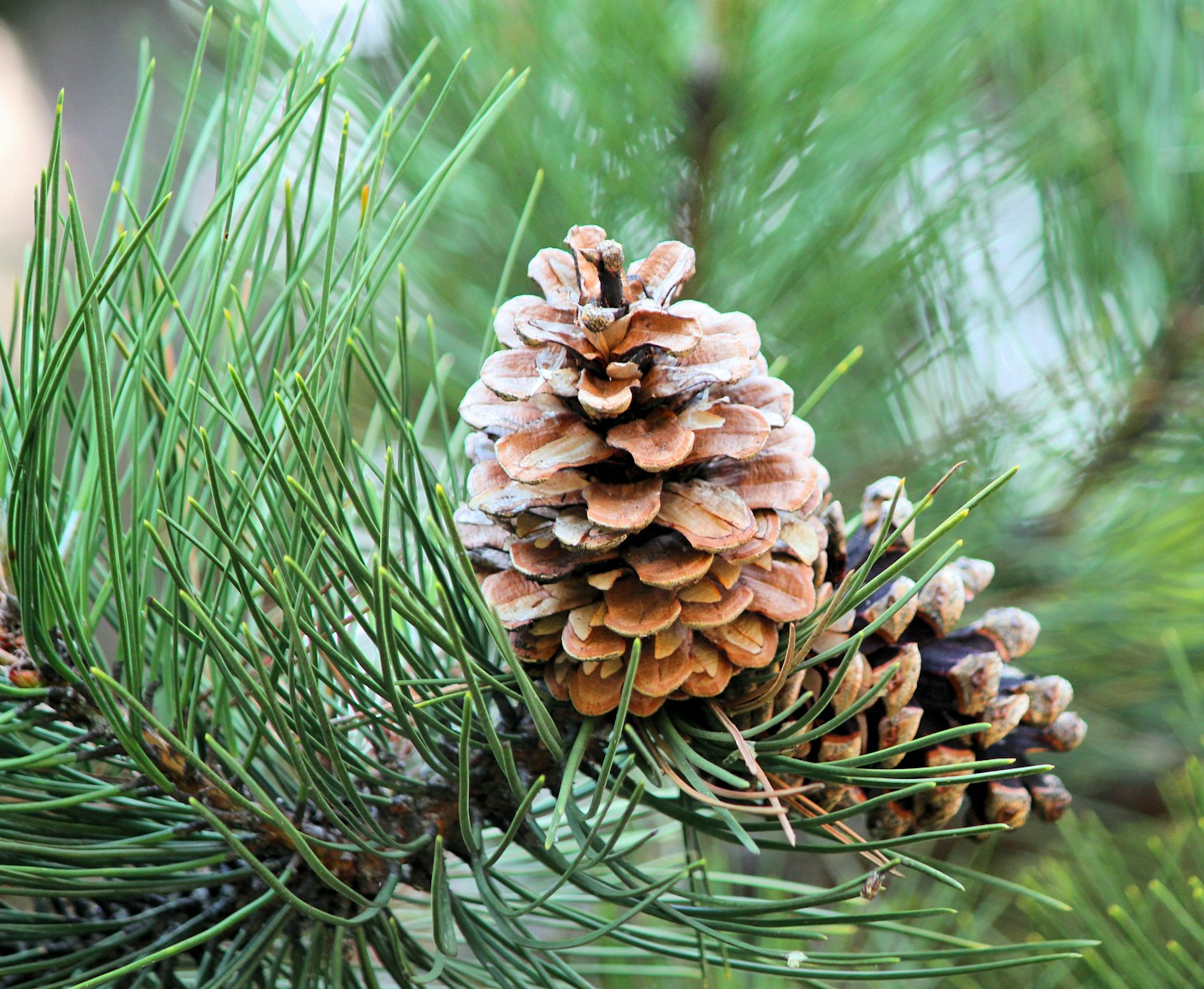
Gymnosperms produce seeds but no flowers, and their seeds sit exposed on cones or scales rather than wrapped in fruit. Conifers like Scots pine, Pinus sylvestris, belong here, along with cycads and the lone survivor of an ancient lineage, Ginkgo biloba, now also a well-studied medicinal plant.
Many gymnosperms tolerate harsh, cold, dry conditions that flowering plants struggle with.
Angiosperms
Angiosperms, the flowering plants, are the giants of the group, with somewhere over 350,000 described species. They enclose their seeds inside fruit and reproduce through flowers.
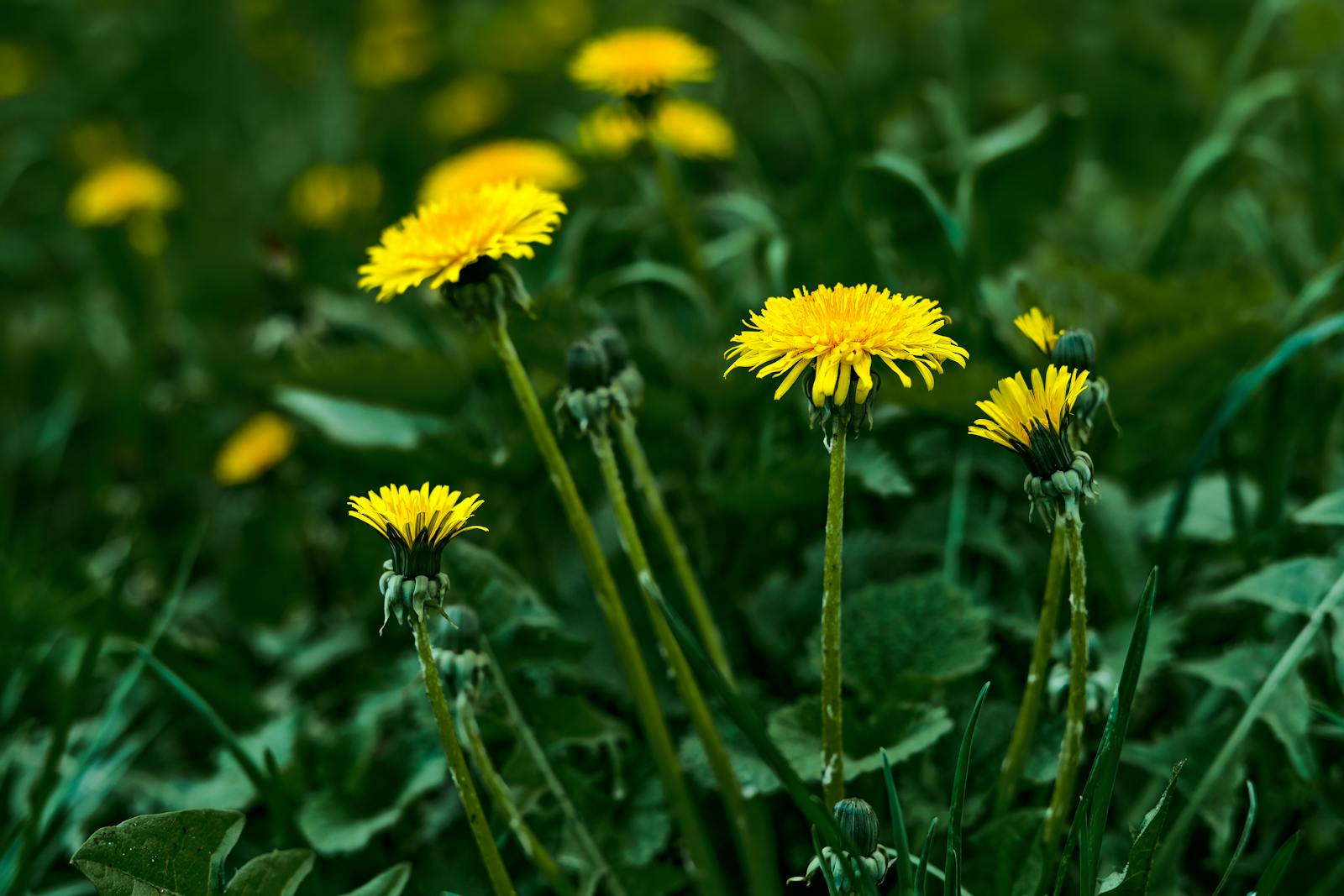
Nearly all our food crops, most of the herbs I work with and the bulk of garden plants sit in this group. Daisy, Bellis perennis, and dandelion, Taraxacum officinale, are angiosperms you can find underfoot almost anywhere.
Sorting Plants by Where They Live
Classification by evolutionary group is one layer. Botanists also sort plants by habitat, which cuts across those groups.
Aquatic plants grow in or on water and carry adaptations for living partly or fully submerged. Terrestrial plants grow on land, with structures tuned to catch sunlight and draw nutrients from soil. Epiphytic plants grow perched on other plants, often on tree branches, without feeding off them as a parasite would. They take moisture and nutrients from the air and rain around them instead.
This habitat layer matters for anyone growing plants, because it tells you what conditions a species expects before you ever look at its family tree.
Sorting Plants by Lifecycle
The other practical layer is how long a plant lives and how it times its reproduction.
Annuals run their whole life in a single growing season, germinating, flowering, setting seed and dying within the year. Basil, Ocimum basilicum, behaves this way in most gardens.
Biennials take two seasons. They build leaves and roots in the first, then flower and set seed in the second. Foxglove, Digitalis purpurea, follows this pattern.
Perennials come back year after year from the same roots, flowering and seeding repeatedly across their lives. Dandelion and most mints, Mentha species, live like this.
I lean on this category constantly when I think about which plants to grow and when to expect anything from them. For annuals in particular, timing is everything, and my free seed starting calculator works back from your last frost date to tell you when to sow.
Where Classification Gets Interesting: Evolutionary Relationships
Here is the part that changed how I see the whole system.
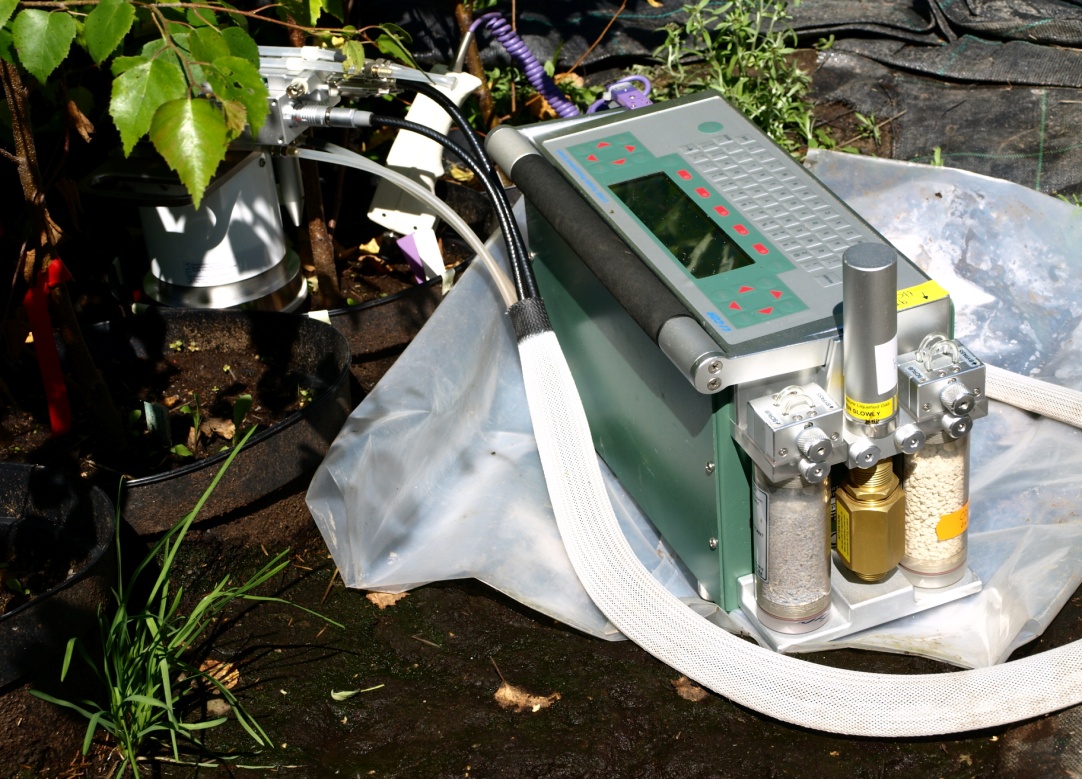
Classification was originally built on what plants looked like, their visible structures. Then molecular methods arrived. During my later studies I worked with techniques that read gene activity and DNA, the same kind of molecular tools that now sit behind modern plant classification.
By comparing DNA sequences, researchers can trace how plant groups actually descend from shared ancestors, rather than guessing from appearance alone. This rebuilt parts of the family tree. Some plants that looked similar turned out to be distant relatives, and some that looked unrelated turned out to be close kin.
The flowering plant tree in particular was substantially redrawn by the Angiosperm Phylogeny Group, an international team of botanists whose DNA-based system is now the standard reference.
That is why I tell people classification is never finished and never sits still. It is our best current reading of plant relationships, and it updates as the molecular evidence improves.
Why Any of This Helps Conservation
Naming and sorting plants is not academic tidiness. You cannot protect what you have not identified.
Once a species is classified, researchers can track where it grows, how large its populations are and what conditions it needs. That information feeds directly into deciding which plants face the greatest risk from habitat loss, pollution, climate shifts and invasive competitors, and which to prioritise for protection.
Classification gives conservation its starting map, and the stakes are higher than most people realise, as I explain in how biodiversity loss affects human health.
Accurate identification also matters closer to home. Several harmless plants have toxic look-alikes, and my guide Dangerous Look-Alikes draws on the same botany and herbarium training to help you tell safe plants from the ones that can harm you.
Common Questions
What is the basic unit of plant classification?
The species. It is commonly defined as a group of plants that can interbreed and produce fertile offspring, and it gets a two-word Latin name, like Betula pendula for silver birch.
What are the seven levels of plant classification?
From narrowest to broadest: species, genus, family, order, class, division and kingdom. Each level up gathers a wider group that shares fewer but more fundamental traits.
Who created the plant classification system?
Carl Linnaeus laid the foundations in the 18th century with two-word Latin naming and a ranked hierarchy, and later botanists added ranks such as family and division. Modern classification has since been reshaped by DNA evidence.
What is the difference between vascular and non-vascular plants?
Vascular plants have internal tissue that transports water and nutrients, letting them grow tall. Non-vascular plants like mosses lack that tissue, so they stay small and depend on damp surroundings.
What are the five main groups of plants?
A common teaching grouping is algae, bryophytes (mosses and relatives), ferns, gymnosperms (cone-bearing plants) and angiosperms (flowering plants). They differ mainly in their tissue and how they reproduce, although strictly speaking algae sit outside the true plants.
Why do plants have Latin names?
Because a Latin binomial means the same plant to anyone, anywhere, regardless of language. Common names vary from place to place, which causes confusion that the Latin name removes.
What is the largest group of plants?
Angiosperms, the flowering plants, with somewhere over 350,000 described species. They produce flowers and enclose their seeds inside fruit.
Are algae really plants?
Not in the strict modern sense. Algae are simple, mostly aquatic organisms that photosynthesise, but they lack true roots, stems and leaves, and many groups, such as brown seaweeds, are only distantly related to plants. The charophyte green algae are the exception, as the closest living relatives of land plants.
Are fungi plants?
No. Fungi, including mushrooms, form their own kingdom. They do not photosynthesise, and they are actually more closely related to animals than to plants. If you want to see one up close, growing mushrooms at home is an easy way to start.
What is the difference between an annual, biennial and perennial?
An annual completes its life in one season. A biennial takes two, growing leaves the first year and flowering the second. A perennial returns from the same roots year after year.
How has DNA changed plant classification?
DNA comparison lets researchers trace true ancestry rather than relying on appearance. This has redrawn parts of the plant family tree, especially among flowering plants, and the system keeps updating as the evidence grows.

