






$7.00
Some of the most common useful plants have a dangerous double growing right beside them. A plant biologist shows you the exact features that tell them apart, so you can forage, grow and use plants with confidence instead of luck. Instant PDF download.
Description
This article was written by Serge, MSc. Plant Biologist and Environmental Scientist with a BSc in Plant Biology and an MSc in Environmental Biology and Biogeochemistry. My background covers plant biochemistry, botany, and field research in forest and soil ecosystems. I write from real experience, not just literature.
Affiliate disclosure: This site has affiliate links, including Amazon. As an Amazon Associate I earn from qualifying purchases, at no extra cost to you.
I’ve spent years identifying plants in the field and the herbarium, and one thing that work makes clear is how many familiar, useful plants have a dangerous look-alike. Every year people are harmed because two plants looked the same and only one was safe.
This guide hands you the specific, feature-by-feature checks I use myself to tell these dangerous pairs apart. It’s built as a caution tool, not a licence to forage, its job is to make you slower and more careful, and to help you rule a plant out with certainty.
What’s inside:
The botanist’s method, using clear yes-or-no features (present or absent, never “a bit more”), and why you must always check more than one.
Side-by-side comparisons of dangerous look-alike pairs, safe plant and harmful double, each with a photo, its botanical name, and the features that separate them:
Wild garlic and lily of the valley
Wild carrot and poison hemlock
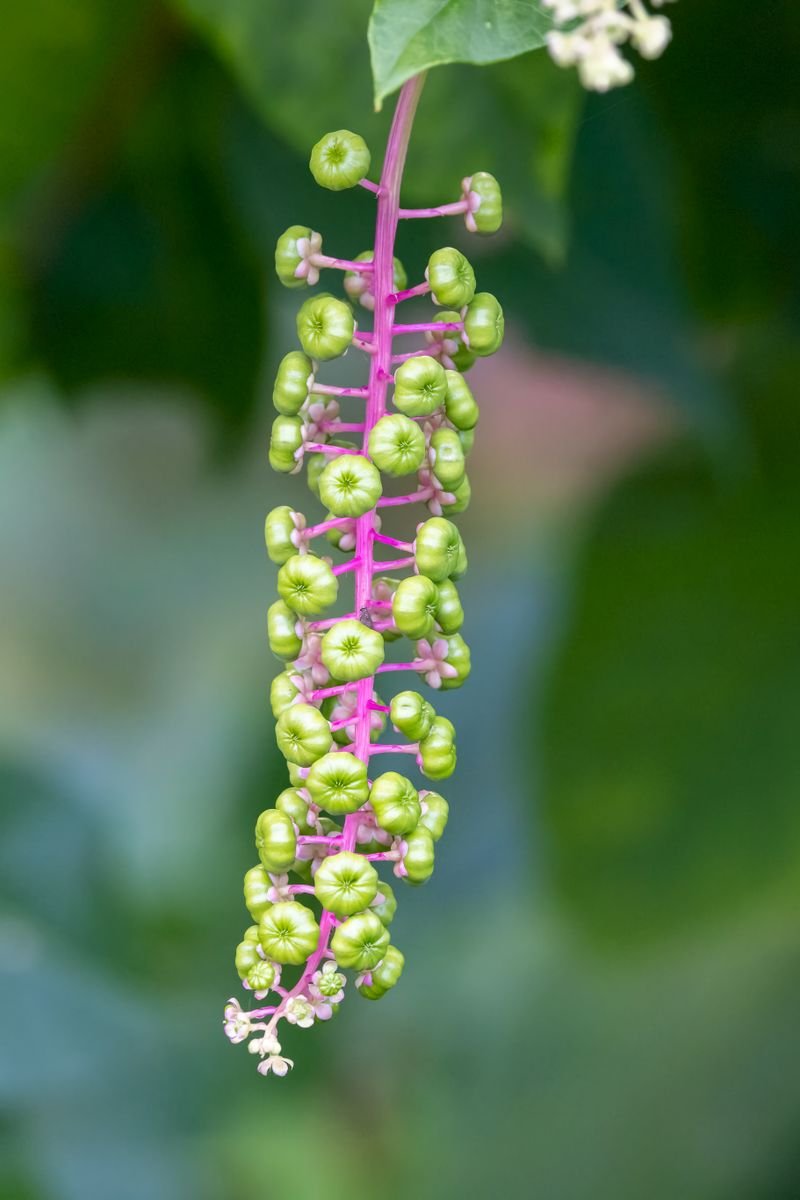
Elderberry and pokeweed
The quickest tell for each pair, the single fastest way to distinguish them.
What to do when you’re unsure, and what to do if someone may have been poisoned.
Who it’s for:
Anyone who forages, grows, or uses wild and garden plants and wants to be genuinely sure of what they’re handling, from cautious beginners to experienced gardeners.
Format:
Instant digital download (PDF). Read it on any device or print it to carry. For personal use.
Important safety note:
This is an educational identification aid, not a guarantee of safety. It does not replace expert identification. Never eat, brew, or apply any wild plant unless you are completely certain of its identity. When in doubt, treat the plant as the dangerous one.