







This article was written by Serge, MSc. Plant Biologist and Environmental Scientist with a BSc in Plant Biology and an MSc in Environmental Biology and Biogeochemistry. My background covers plant biochemistry, botany, and field research in forest and soil ecosystems. I write from real experience, not just literature.
Affiliate disclosure: This site has affiliate links, including Amazon. As an Amazon Associate I earn from qualifying purchases, at no extra cost to you.
Growing mushrooms at home sounds technical at first, but it is one of the most beginner-friendly food-growing hobbies you can try.
You do not need a garden. You do not need sunlight. You do not need advanced equipment.
What you do need is a basic understanding of moisture, airflow, and patience.
Once you understand those three things, mushroom growing becomes surprisingly simple.
This guide will show you exactly how to do it in a practical, step-by-step way.
Before You Start: What You Need
To keep things simple, start with a mushroom grow kit. This removes most of the complicated steps.
You will need:
A mushroom grow kit (oyster mushrooms are best for beginners)
A clean spray bottle with water
A room with indirect light
A stable indoor temperature (normal room temperature is fine)
That is enough for your first grow. No sterile lab setup. No special tools.
Step 1: Activate the Grow Kit
Most kits come as a block inside a bag or box. Your first step is to wake it up.
Do this by:
Opening the bag or cutting a small slit (follow kit instructions)
Placing it in a clean indoor space
Making sure it is not in direct sunlight or next to heat sources
The kit already contains everything the mushrooms need. Your job is just to create the right environment.
Step 2: Maintain Moisture (Most Important Step)
Mushrooms are mostly water, so humidity is everything.
You should:
Spray the kit lightly with water 1 to 2 times per day
Keep the surface moist but not dripping
Avoid letting it dry out completely
If it dries out, growth slows or stops. If it is too wet, contamination can appear. The goal is balance, not soaking.
Step 3: Give It the Right Environment
Mushrooms do not need sunlight, but they do need some light direction and steady airflow.
Place your kit:
In indirect daylight (near a window but not in direct sun)
In a room with fresh air circulation
Away from radiators or heaters
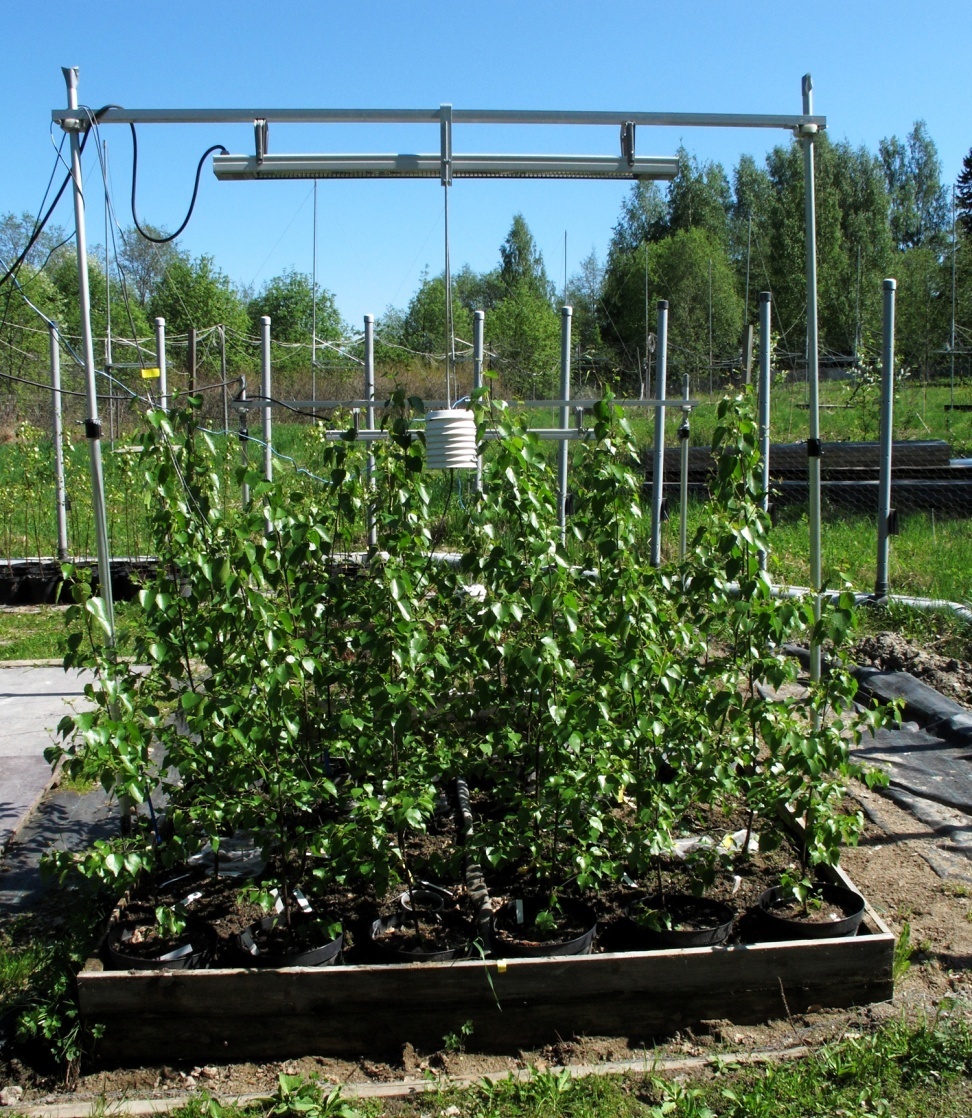
Temperature is usually fine in normal indoor conditions, but extreme heat or cold will slow growth. When I measured how trees responded to controlled warming in my field research, even a sub-degree change shifted growth in measurable ways.
A mushroom block reacts to its surroundings the same way, which is why stable moisture and airflow matter far more than expensive equipment.
Step 4: Wait for Pinning (First Growth Stage)
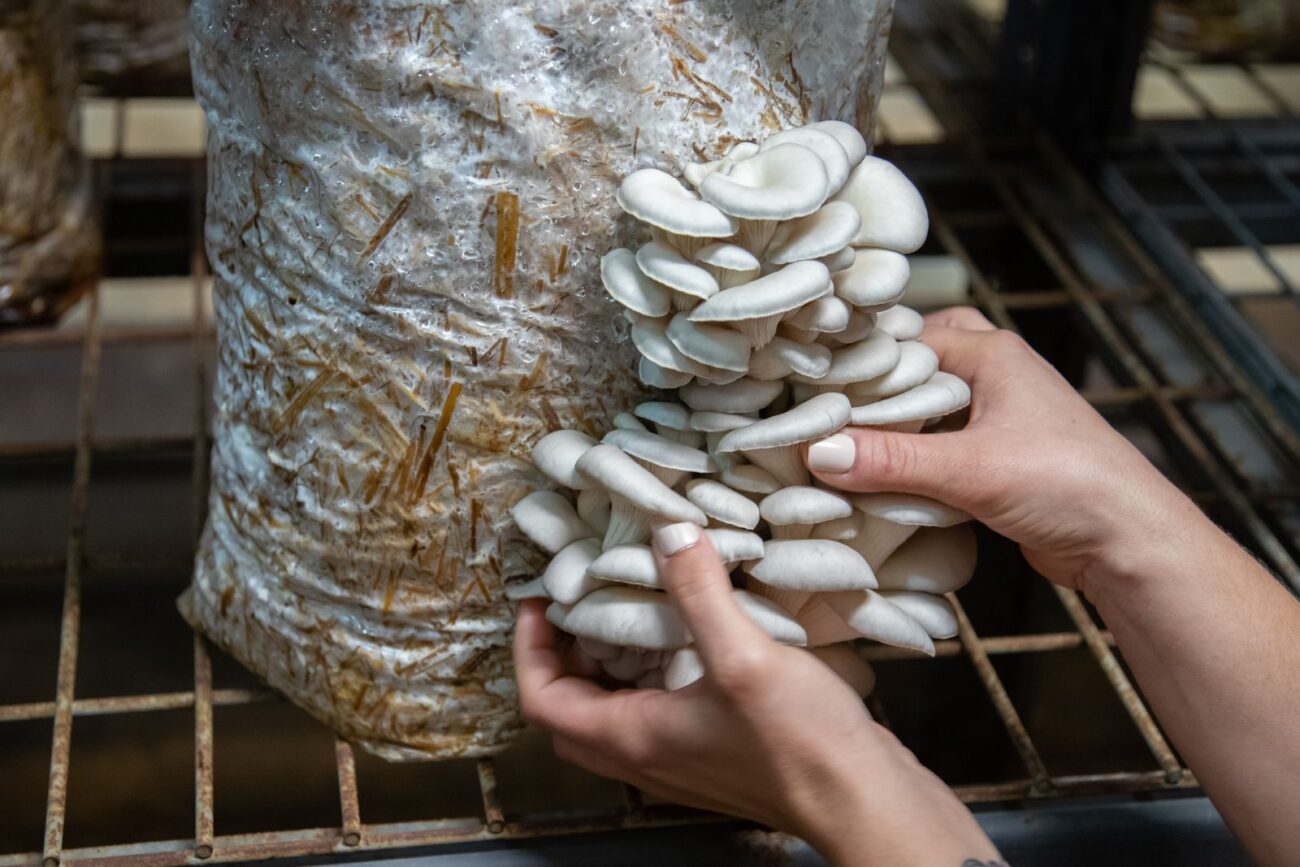
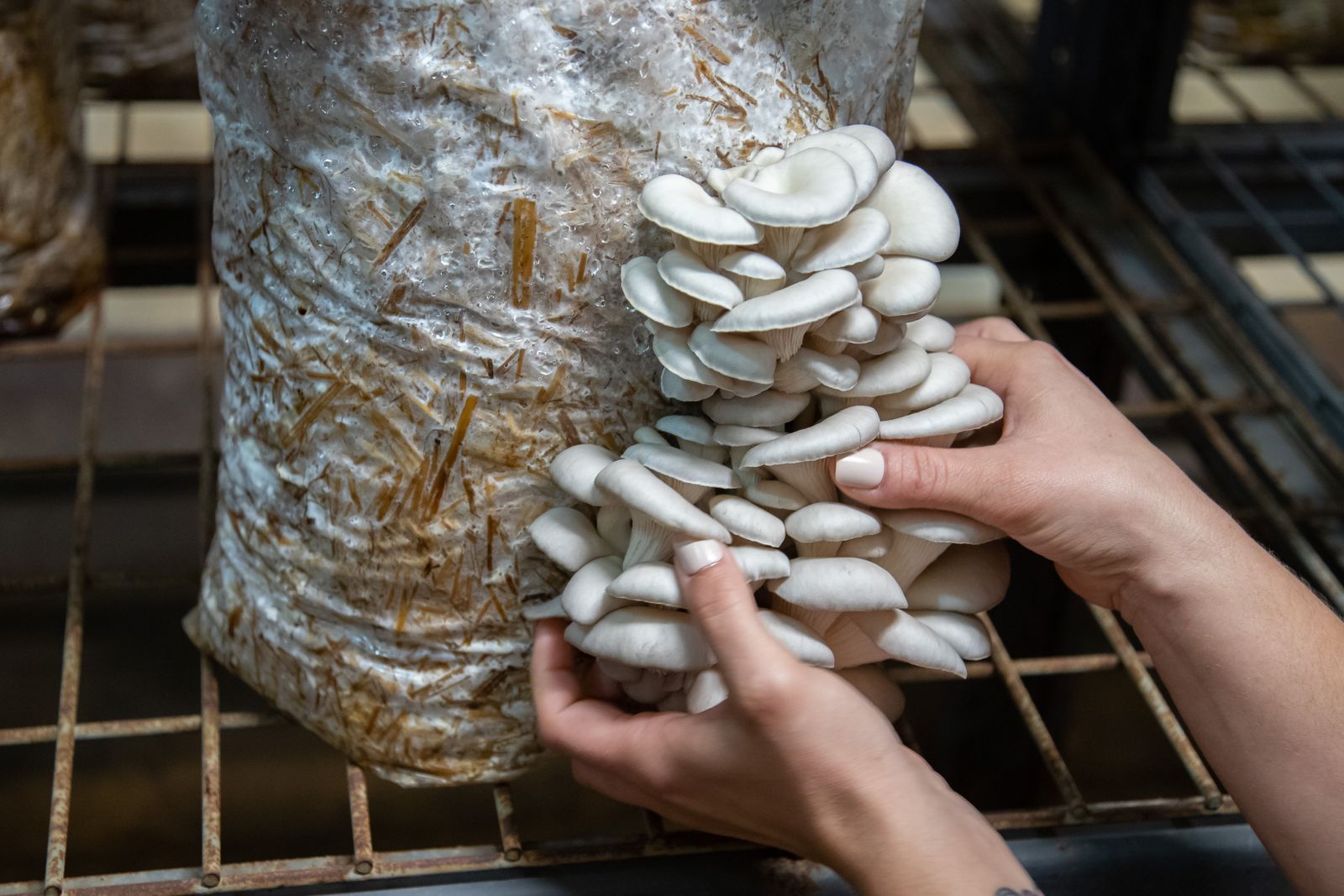
After a few days to about two weeks, you will start seeing tiny white bumps. These are called pins. This is the first visible stage of mushroom formation.
At this point:
Keep misting daily
Maintain airflow
Do not overhandle the kit
Pins grow quickly once they appear.
Step 5: Let Mushrooms Grow Fully
Pins will develop into full mushrooms within a few days.
You will notice:
Rapid size increase
Caps starting to open
Stems becoming thicker
This is the most active growth stage. Keep conditions stable and do not change the environment suddenly.
Step 6: Harvest at the Right Time
Harvesting at the right moment improves both texture and regrowth.
Pick your mushrooms when:
The caps are fully formed but not completely flat
The edges are slightly curled or just starting to open
To harvest, gently twist or cut at the base. Avoid pulling aggressively.
Step 7: Second and Third Flushes
Most kits produce more than one harvest.
After the first harvest:
Keep misting daily
Rest the kit for a few days
Continue maintaining humidity
A second or third flush of mushrooms often appears. Each round may come in a little smaller than the first.
Common Problems and Fixes
No mushrooms appearing
This usually means humidity is too low or airflow is too weak. Increase misting slightly and check placement.
Mushrooms growing long and thin
This usually means low fresh air. When carbon dioxide builds up around the block, the stems stretch and the caps stay small. Improve ventilation.
Mould appearing
This is often caused by too much water or poor hygiene. Remove affected parts if possible and reduce misting.
Mushrooms drying out
Increase misting frequency and make sure the kit is not near a heat source.
Summary
Growing mushrooms at home is simple once you break it into steps. You start with a kit, keep it moist, give it fresh air, and wait for the growth stages to appear. There is no need for advanced tools or technical knowledge.
The process comes down to consistency rather than complexity. In my own field research I spent two growing seasons controlling temperature around birch trees and measuring how they responded, and what stuck with me was how a shift of less than a degree changed growth in measurable ways. The same sensitivity applies to a mushroom block. Stable moisture and airflow shape your result far more than any expensive kit.
Most beginners find the first harvest rewarding because it happens fast, a visible crop in a couple of weeks, far quicker than most plants, with full control over freshness. Once you finish that first grow, you will see how predictable mushrooms are when their environment stays stable.
Common Questions
Is it legal to grow mushrooms for personal use?
Yes. Growing edible mushrooms like oyster mushrooms, Pleurotus ostreatus, for your own use is legal in most countries. The rules that exist target certain psychoactive species, not culinary ones.
What is the easiest way to grow mushrooms at home?
A ready-to-grow oyster mushroom kit. It removes the hardest part, the sterile colonising stage, and leaves you with the simple job of keeping the block moist and well aired.
Which mushroom is best for beginners?
Oyster mushrooms, Pleurotus ostreatus. They grow fast, forgive small mistakes, and fruit reliably in normal indoor conditions, which is why nearly every starter kit uses them.
How long does it take to grow mushrooms?
Most kits fruit within 7 to 21 days, depending on temperature and humidity. The warmer and more stable the setup, the faster and more even the flush.
Does growing mushrooms at home smell?
Healthy growth has a mild, earthy smell, nothing unpleasant. A sour or off smell usually points to contamination or too much trapped moisture, which means airflow needs improving.
Can growing mushrooms cause mould in the house?
Not if you manage the moisture. A single kit does not release enough humidity to harm a room, as long as you mist rather than soak and keep fresh air moving around it.
Why are my mushrooms growing long and thin?
Almost always too little fresh air. When carbon dioxide builds up around the block, the stems stretch and the caps stay small. More ventilation fixes it.
Why are no mushrooms appearing?
Usually low humidity or weak airflow. Increase your misting slightly, check the kit is not near a heat source, and give it a spot with indirect light and moving air.
How many harvests will one kit give?
Most kits produce two or three flushes. Keep misting and rest the block for a few days between rounds. Each flush tends to come in a little smaller than the one before.
Is growing mushrooms at home worth it?
For most beginners, I think so. The appeal is less about saving money and more about the speed, you get a visible result in a couple of weeks, far quicker than most plants, plus full control over freshness.

