








This article was written by Serge, MSc. Plant Biologist and Environmental Scientist with a BSc in Plant Biology and an MSc in Environmental Biology and Biogeochemistry. My background covers plant biochemistry, botany, and field research in forest and soil ecosystems. I write from real experience, not just literature.
Affiliate disclosure: This site has affiliate links, including Amazon. As an Amazon Associate I earn from qualifying purchases, at no extra cost to you.
Most people think of plants as serving one purpose at a time. A food crop feeds you. A fiber crop clothes you. A medicinal herb heals you. The biochemistry tells a different story.
A single plant species simultaneously produces primary metabolites for its own growth and energy, structural compounds for physical support, and secondary metabolites as defence chemistry. These three categories correspond almost directly to the three things humans have always extracted from plants: nutrition, fibre, and medicine. The overlap is not coincidence. It reflects how plant biochemistry actually works.
I studied carbon allocation across metabolic pathways in detail during my plant biochemistry training. Understanding how fixed carbon gets distributed across different compound classes changes how you look at every plant you eat, wear, or use as medicine.
Primary Metabolites: The Nutritional Foundation
Primary metabolites are compounds a plant produces for its own core biological functions: carbohydrates for energy, amino acids for protein synthesis, fatty acids for membrane structure, and vitamins as enzymatic cofactors.
These are the compounds that make plants nutritionally valuable to us. When you eat spinach for iron and folate, kale for vitamins A, C, and K, or seeds for essential fatty acids, you are consuming compounds the plant produced for its own metabolic maintenance.
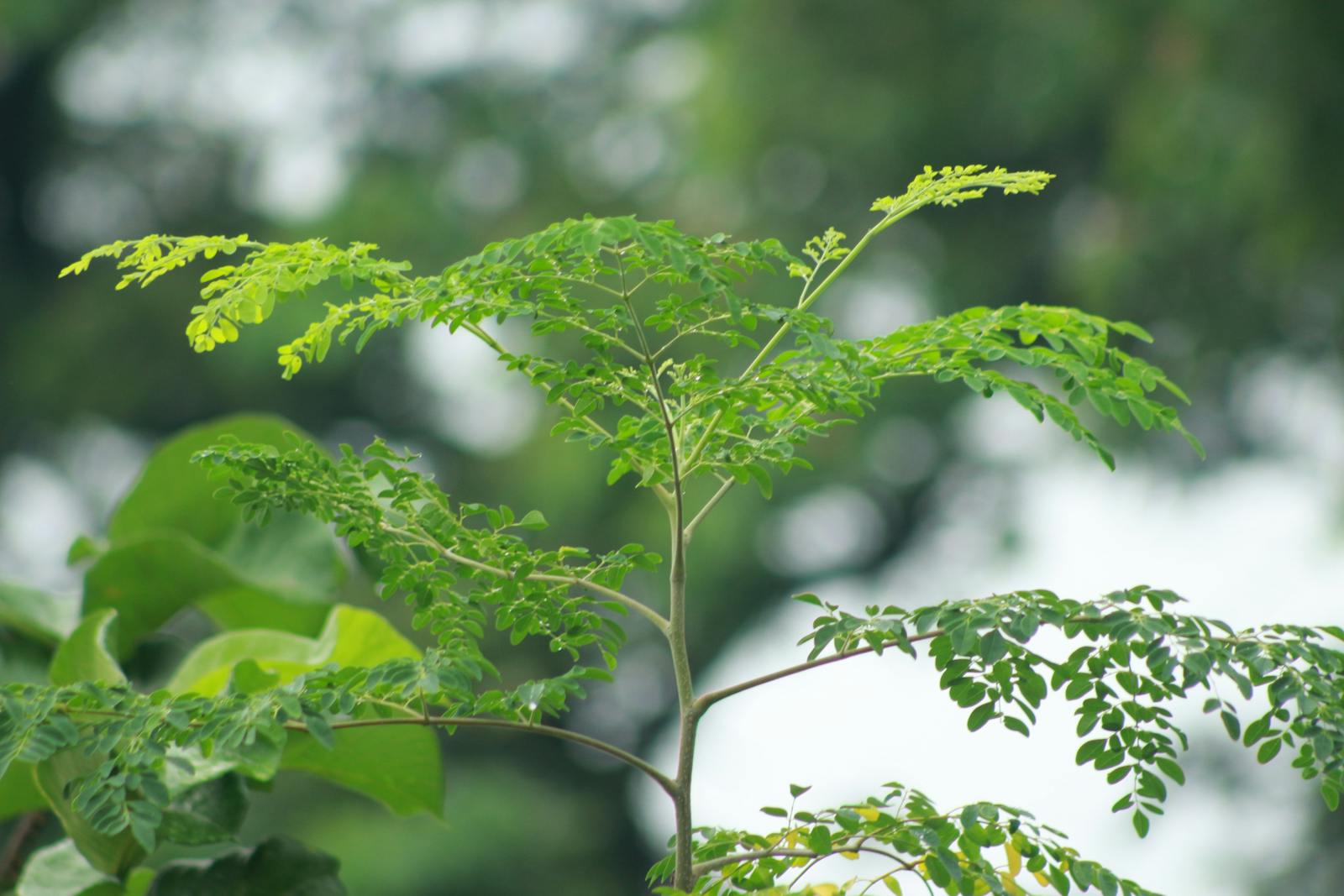
What makes this biochemically interesting is the concentration and diversity achievable from a single species. Moringa oleifera leaves contain all nine essential amino acids alongside significant concentrations of vitamins A, C, and E, calcium, potassium, and iron. This nutritional density is a direct product of the plant’s metabolic investment in its own tissue maintenance. We benefit because those compounds are biologically available to us as well.
Fruit-bearing plants concentrate carbohydrates, organic acids, and antioxidant pigments in their fruits specifically to attract seed dispersers. The nutritional value we associate with apples, citrus, and mangoes is essentially a byproduct of the plant’s reproductive strategy.
Structural Compounds: Where Fiber Comes From
Plant fibers come from structural compounds the plant produces to support its own physical architecture. Cellulose, the most abundant organic compound on Earth, forms the primary structural component of plant cell walls. Lignin reinforces those walls in woody tissue. Bast fibers in stems provide tensile strength.
These structural investments are what humans have exploited for textiles, rope, paper, and building materials for thousands of years.
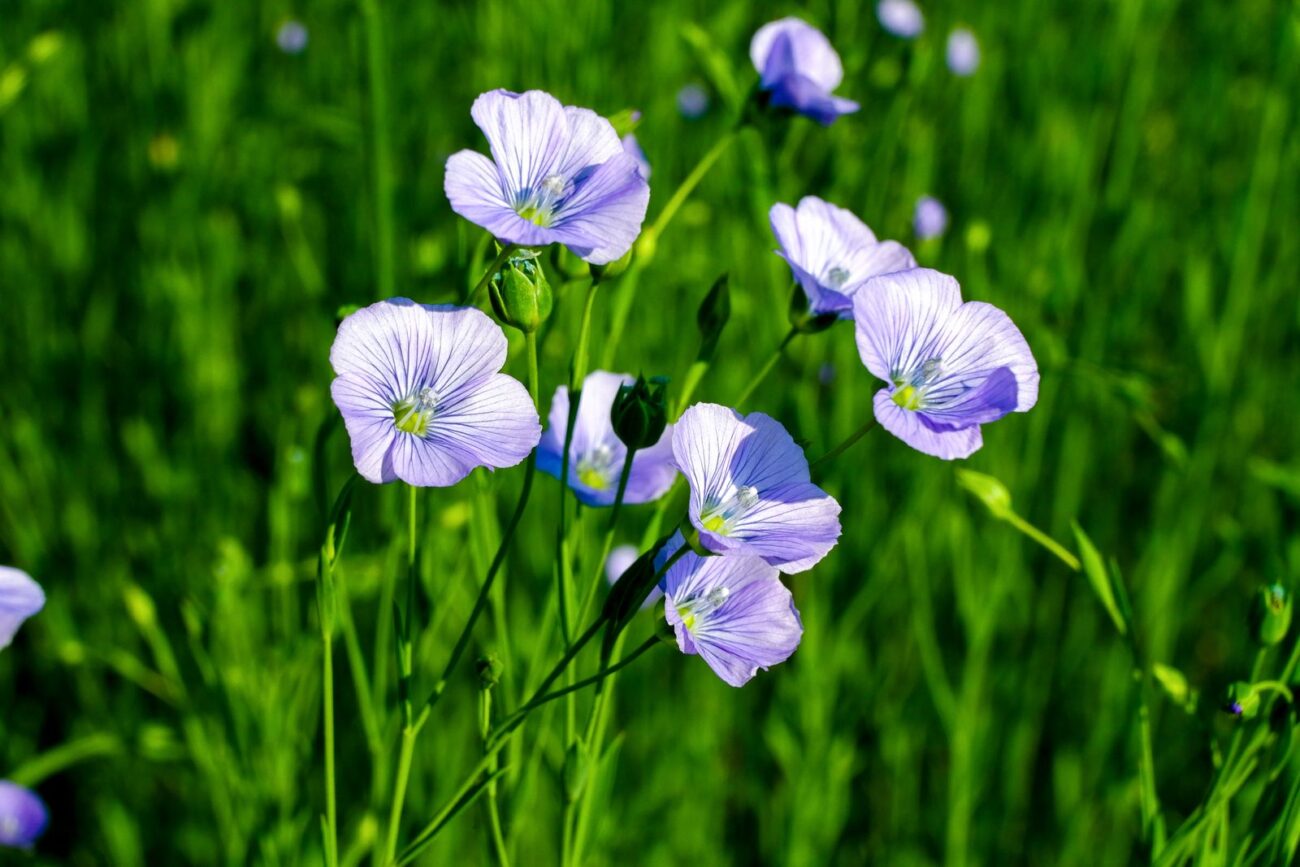
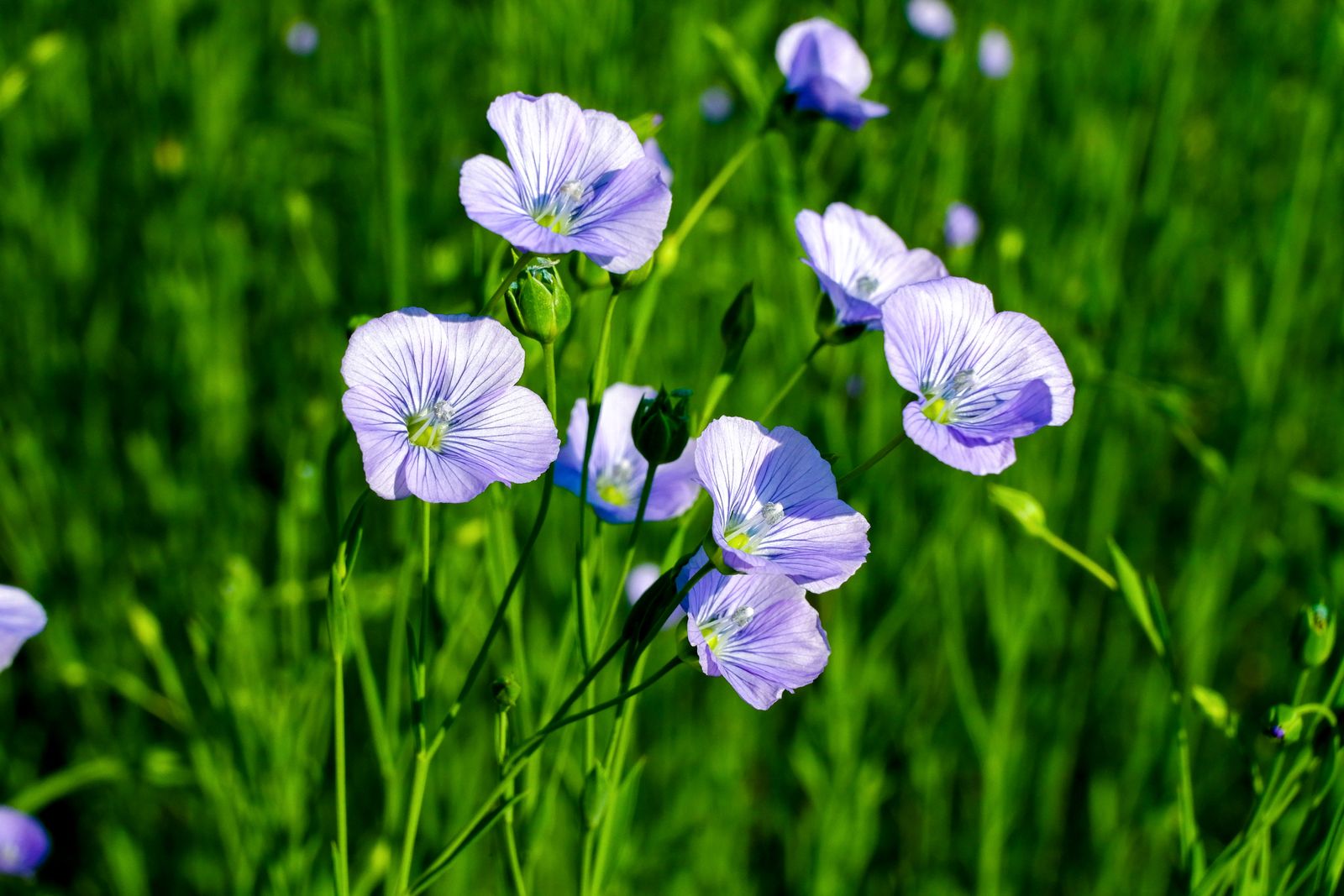
Linum usitatissimum, flax, produces long bast fibers in its stem that the plant uses for structural support. Those same fibers, when processed, become linen. The plant also produces seeds rich in omega-3 fatty acids and lignans, compounds serving completely different biological functions in the same plant.
Cannabis sativa, hemp, produces some of the strongest natural bast fibers of any plant species, alongside protein and fatty-acid-rich seeds, and cannabinoid secondary metabolites in its resin. Three completely distinct compound classes from one species, each produced for different biological reasons, each useful to humans in completely different ways.
Secondary Metabolites: The Medicinal Layer
Secondary metabolites are where plant chemistry becomes most pharmacologically interesting to me. These compounds are not directly involved in the plant’s primary growth and reproduction. They are produced in response to environmental pressures: herbivory, pathogen attack, UV radiation, and competition.
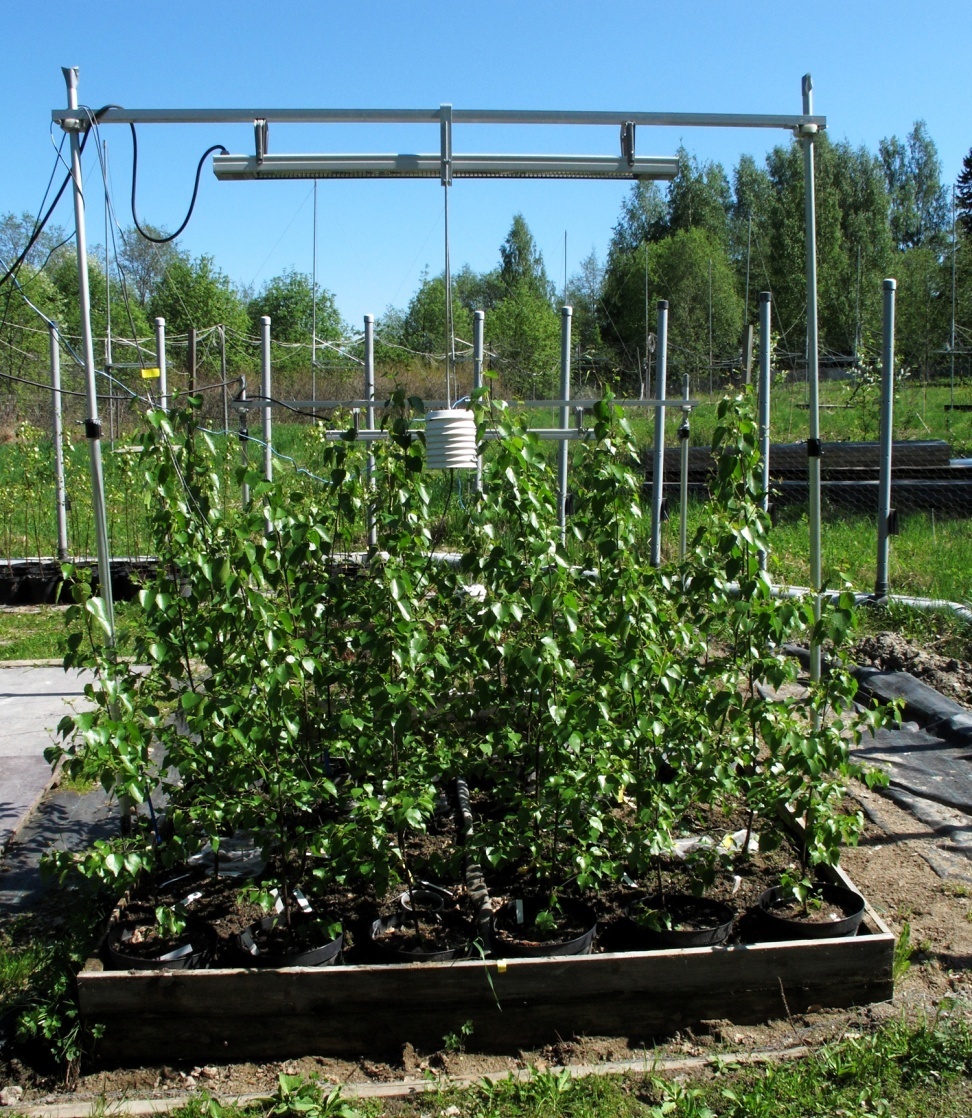
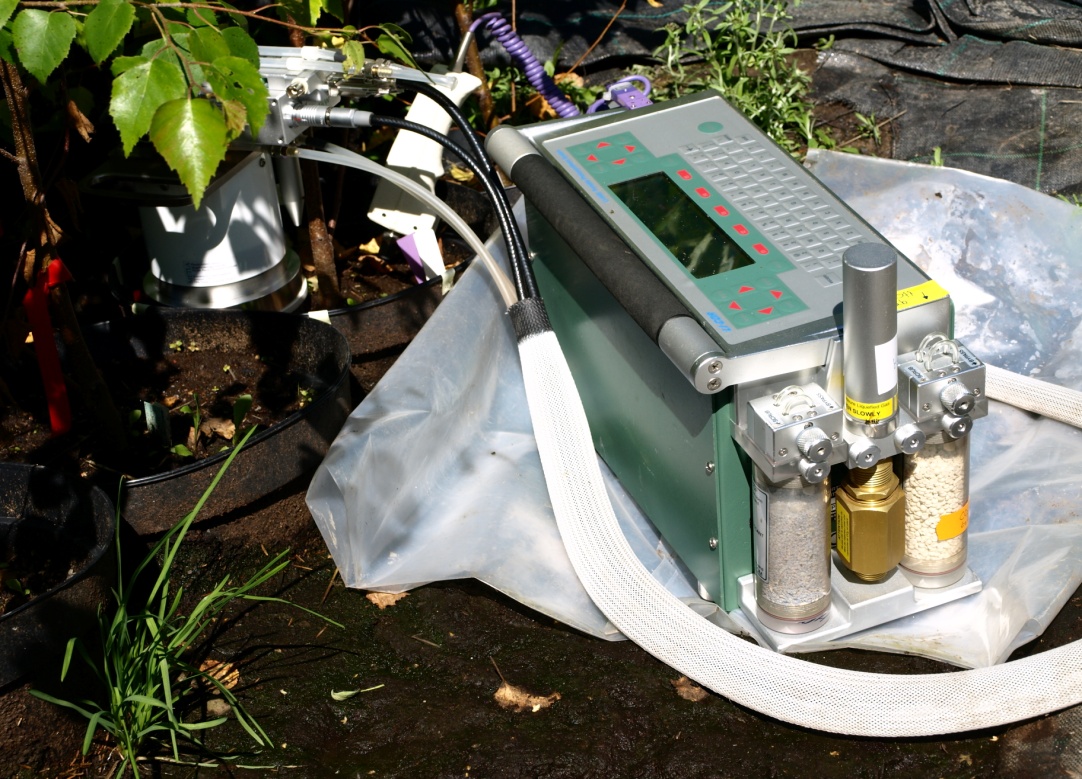
This is the area my research focused on most directly. In my field work measuring ozone and temperature effects on silver birch (Betula pendula) at Ruohoniemi in Finland, I watched environmental stress shift carbon allocation toward stress response chemistry. The trees were investing more in defence compounds under pressure and less in primary growth. The same principle operates in medicinal herbs. The conditions under which a plant grows directly influence the concentration and diversity of its defensive chemistry.
Curcumin in turmeric rhizomes is produced as a broad-spectrum antimicrobial and UV-protective compound. Humans use it as an anti-inflammatory with documented NF-kB and COX-2 inhibitory activity. The biological purpose for the plant and the therapeutic application for humans are completely different, but the compound is the same.
Aloe vera gel contains polysaccharides, specifically acemannan, produced to retain water in the plant’s succulent tissue. Those same polysaccharides have documented wound-healing and immunomodulatory activity in humans. The plant produces it to survive drought. We use it to heal skin.
Rosmarinic acid in basil (Ocimum basilicum), thyme (Thymus vulgaris), and rosemary (Salvia rosmarinus) is produced as an antioxidant defence against oxidative stress. In human biochemistry it inhibits inflammatory enzymes and has antimicrobial activity. Same compound, different context.
Plants That Cover All Three Categories
Some species are particularly efficient at producing all three compound classes simultaneously.
Flax produces cellulose-rich bast fibers for structural support, omega-3 fatty acids and lignans in its seeds for reproductive investment, and phytoestrogenic compounds with documented effects on hormone metabolism.
Hemp produces bast fibers of exceptional tensile strength, complete protein and essential fatty acids in its seeds, and cannabinoids in its resin as herbivory deterrents with complex neurological activity in mammals.
Moringa produces dense nutritional compounds across its leaves and pods, some structural fiber utility, and isothiocyanates with antimicrobial and anti-inflammatory activity as pest deterrents.
In each case the diversity of useful compounds is a product of the plant solving multiple biological problems simultaneously, not a design for human benefit.
Carbon Allocation: Why Growing Conditions Matter
Understanding that all these compounds come from the same fixed carbon changes how you think about plant quality.
A plant under resource stress allocates more carbon to secondary metabolite production and less to primary growth. This is why stressed plants often have higher concentrations of medicinal compounds but lower yields of food and fiber. The trade-off is direct and biochemically measurable.
In my field research I measured how elevated temperature shifted carbon allocation in silver birch (Betula pendula), changing the balance between above-ground growth and below-ground respiration. Temperature treatment increased soil respiration by up to 36 percent in one genotype. Similar trade-offs operate in herb and food crops. A plant grown in rich soil with abundant water invests heavily in primary growth. A plant under moderate stress redirects carbon toward secondary defence chemistry.
This is why growing conditions matter for medicinal herb quality. Organic certification addresses chemical inputs. It says nothing about the carbon allocation decisions the plant made during growth, which determine the actual concentration of the compounds you are after.
Practical Application
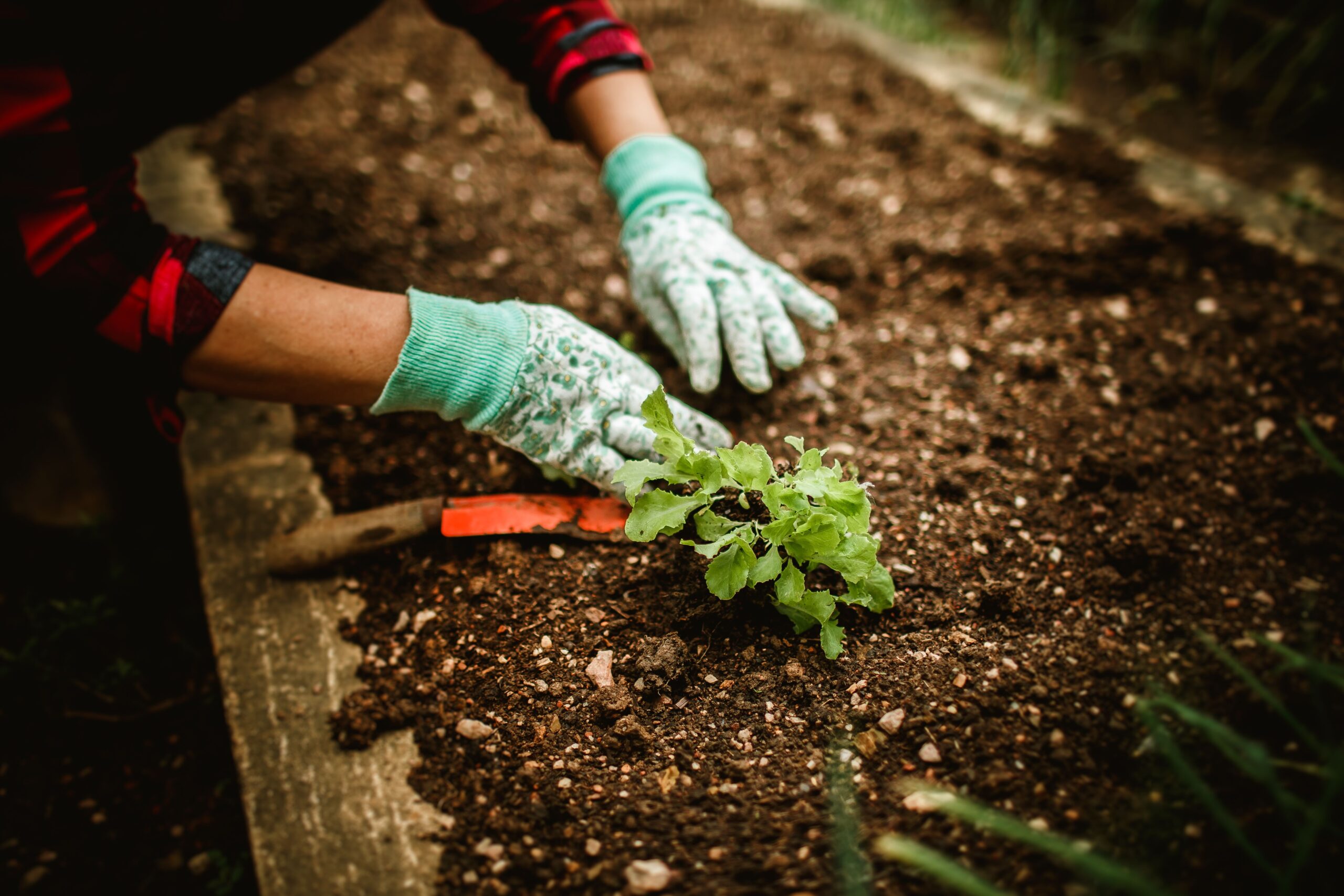
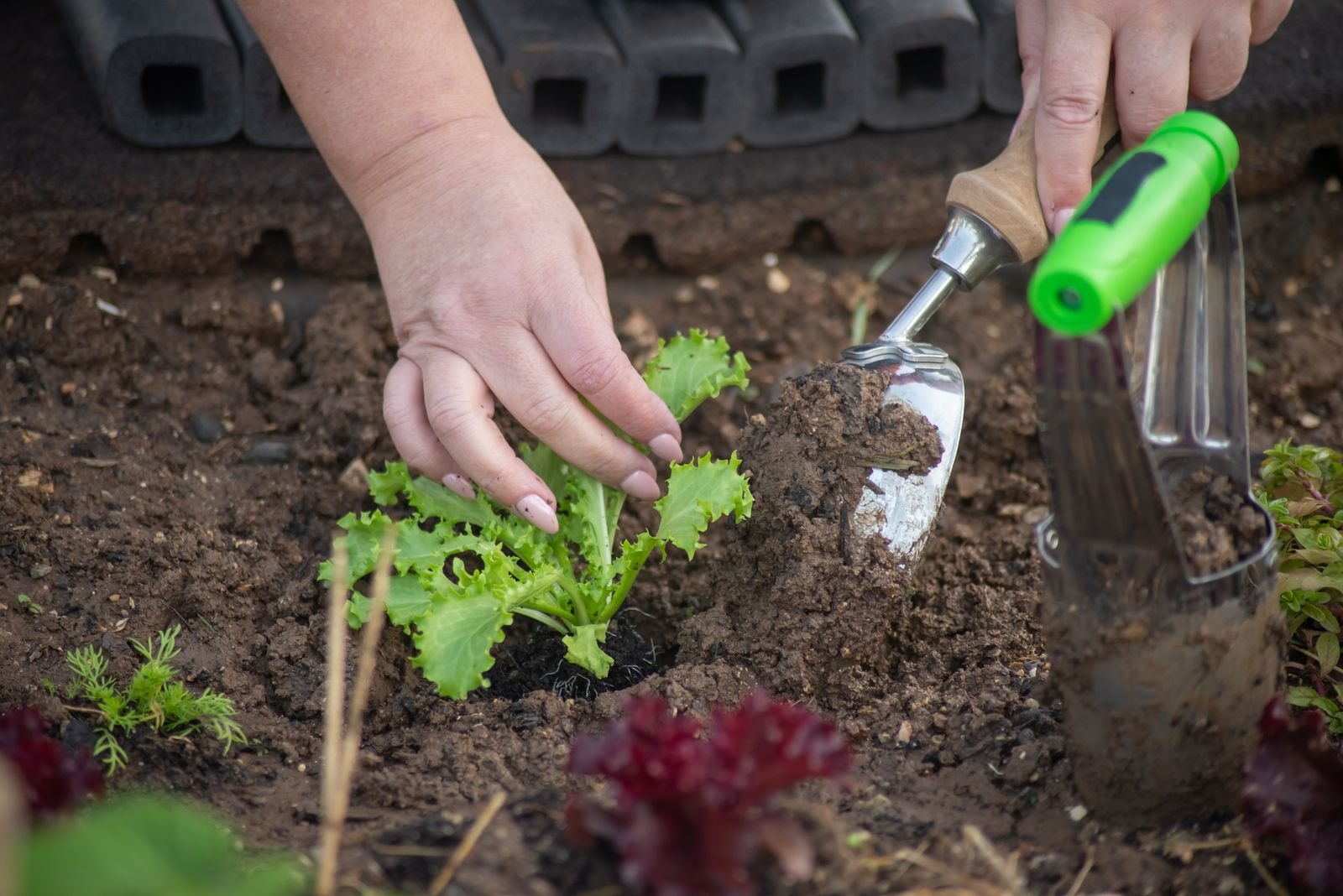
Choosing multipurpose species for a home garden or small plot is straightforward when you understand the biochemistry.
Flax, hemp where legally permitted, moringa in suitable climates, and common culinary herbs like basil, thyme, rosemary, and oregano all provide nutritional, structural, and medicinal value from a single plant. Using all parts of the plant, leaves, stems, seeds, roots, flowers, maximises the return from each species.
Harvesting at the right time matters. For secondary metabolite concentration, harvesting at or just before peak flowering captures the highest defensive chemistry investment. For nutritional value in leaves, younger tissue generally has higher primary metabolite density. For fiber, stem maturity at harvest determines fiber length and strength.
Common Questions
Why do some plants produce both food and medicine?
The compounds responsible for nutritional and medicinal value come from different metabolic pathways in the plant. Primary metabolites like vitamins and amino acids serve the plant’s own growth. Secondary metabolites like curcumin and rosmarinic acid serve as defence chemistry. Both are present simultaneously because the plant is solving multiple biological problems at once.
Does growing stress actually increase medicinal potency?
Yes, moderate stress increases secondary metabolite production as the plant invests more carbon in defence chemistry. This is why wild-harvested herbs sometimes have higher medicinal compound concentrations than intensively cultivated ones. Chronic or severe stress reduces overall plant health and eventually reduces compound production.
Why does harvest timing affect compound concentration?
Secondary metabolite production peaks when the plant faces maximum biological pressure, typically at or just before flowering when herbivory risk is highest. Primary metabolite density is highest in young actively growing tissue. Harvesting at the right stage captures peak concentrations of whichever compound class you are targeting.
Are plant-based fibers biochemically different from synthetic fibers?
Yes. Plant fibers are primarily cellulose, a glucose polymer with a specific crystalline structure that gives it tensile strength and biodegradability. Synthetic fibers are petroleum-derived polymers with no biological origin. The structural properties differ significantly, as does environmental persistence after disposal.
How do I know if a medicinal plant has adequate compound concentration?
Standardised extracts specifying active compound content are the most reliable indicator. For whole plant material, aroma intensity, colour saturation, and harvest timing are practical proxies. Pale, weakly aromatic herbs grown in nutrient-rich conditions without stress typically have lower secondary metabolite concentrations.
Why does the same plant species produce compounds useful for such different human purposes?
Because the plant is not producing them for human purposes at all. Primary metabolites maintain the plant’s own metabolism. Structural compounds support its physical architecture. Secondary metabolites defend it from environmental threats. Humans have identified and exploited all three compound classes because they happen to be biologically compatible with human physiology and needs.
Can I grow multipurpose medicinal and food plants together?
Yes. Many culinary herbs including basil (Ocimum basilicum), thyme (Thymus vulgaris), rosemary (Salvia rosmarinus), and oregano (Origanum vulgare) provide nutritional, culinary, and medicinal value from the same plant. Growing them under moderate stress conditions, slightly poor soil, full sun, limited water, tends to increase secondary metabolite concentrations without compromising the plant’s health.

