













This article was written by Serge, MSc. Plant Biologist and Environmental Scientist with a BSc in Plant Biology and an MSc in Environmental Biology and Biogeochemistry. My background covers plant biochemistry, botany, and field research in forest and soil ecosystems. I write from real experience, not just literature.
Affiliate disclosure: This site has affiliate links, including Amazon. As an Amazon Associate I earn from qualifying purchases, at no extra cost to you.
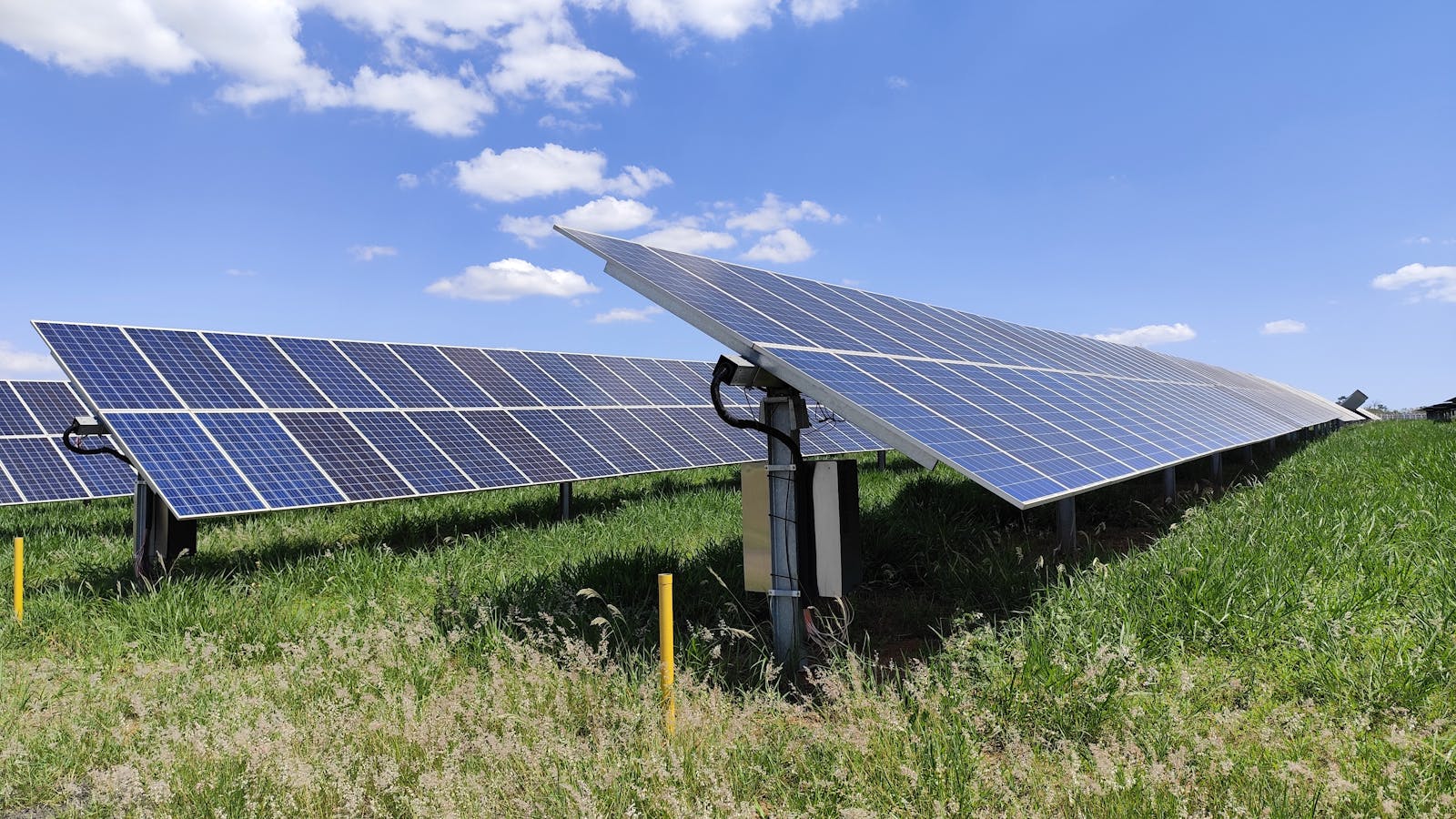
Part of my environmental science training covered how gases move between ecosystems and the atmosphere, and how atmospheric chemistry changes affect living systems. That background shapes how I look at solar technology. Not just does it work, but what is the chemistry, and what does the full picture look like.
Solar generators are a good example of technology worth understanding properly. Here is what is going on inside those panels and battery packs.
How a Solar Panel Converts Light to Electricity
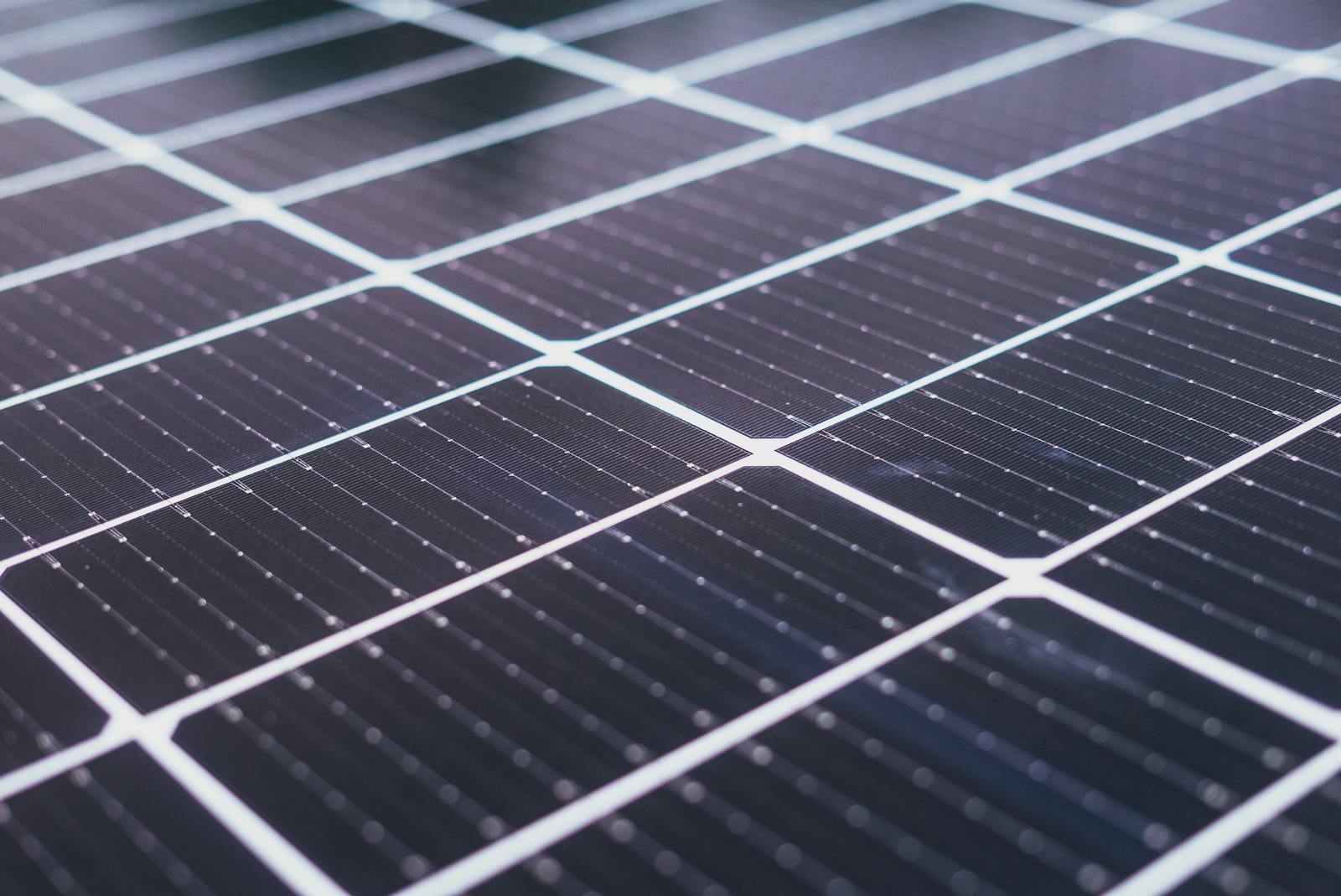
The core of any solar panel is the photovoltaic cell, almost always made from silicon, the second most abundant element in Earth’s crust.
Silicon alone does not conduct electricity well. The key is what happens when you dope it with small amounts of other elements. One layer gets doped with boron, creating p-type silicon with electron vacancies called holes. The adjacent layer gets doped with phosphorus, creating n-type silicon with free electrons. Where these two layers meet you get a p-n junction.
When photons from sunlight hit that junction, they knock electrons loose and push them across it, generating a direct current. The inverter inside the generator then converts that direct current into alternating current that can run standard household appliances.
Monocrystalline cells are cut from a single silicon crystal, giving them higher purity and typically higher efficiency, around 20 to 22 percent. Polycrystalline cells are cast from multiple silicon fragments, which lowers cost but also efficiency, usually 15 to 17 percent. Bifacial panels capture light on both the front and reflected light from below on the back, squeezing more output from the same footprint.
The Battery Chemistry Inside a Solar Generator
The solar panels generate electricity, but you need somewhere to store it. That is the battery pack, and the chemistry here decides how long it lasts, how many charge cycles it handles, and how safely it behaves under temperature stress.
Most modern solar generators use lithium iron phosphate, LiFePO4, chemistry rather than older lithium nickel manganese cobalt oxide. Lithium iron phosphate is more thermally stable, meaning it does not overheat or fail under stress the way early lithium batteries could. The trade-off is lower energy density, so you need more weight and volume to store the same power. For a portable generator that sits in your home or camping kit rather than inside a phone, that trade-off is worth making.
During charging, lithium ions move from the cathode through the electrolyte to the anode. During discharge they move back. Each full cycle wears the electrode structure fractionally, which is why capacity gradually drops over thousands of cycles. Good LiFePO4 chemistry holds above 80 percent capacity for 3000 to 4000 cycles, which translates to roughly a decade of regular use.
Why Solar Generators Reduce Environmental Impact
No exhaust, no combustion, no CO2 at the point of use. That is the core environmental benefit and it is a real one.
Every kilowatt-hour generated from sunlight rather than fossil fuel reduces the carbon released into the atmosphere. The electricity generation phase of solar is close to zero-emission once the manufacturing energy is repaid, and for a quality solar setup that repayment period is typically two to four years. After that the energy and carbon savings are net positive for the remaining lifespan of the system.
Reducing fossil fuel dependence also means reducing the atmospheric chemistry problems that follow combustion: the nitrogen oxides, particulates, and ground-level ozone that affect both ecosystems and air quality.
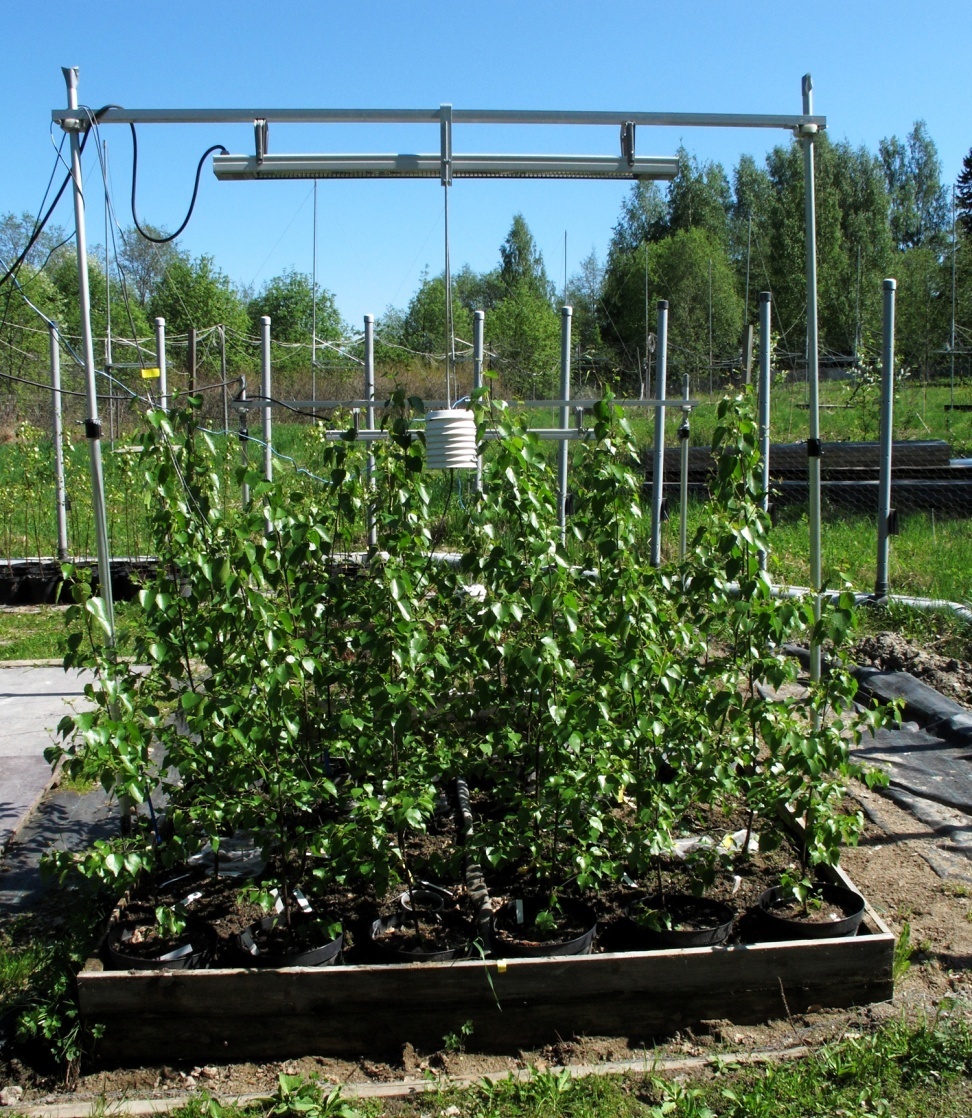
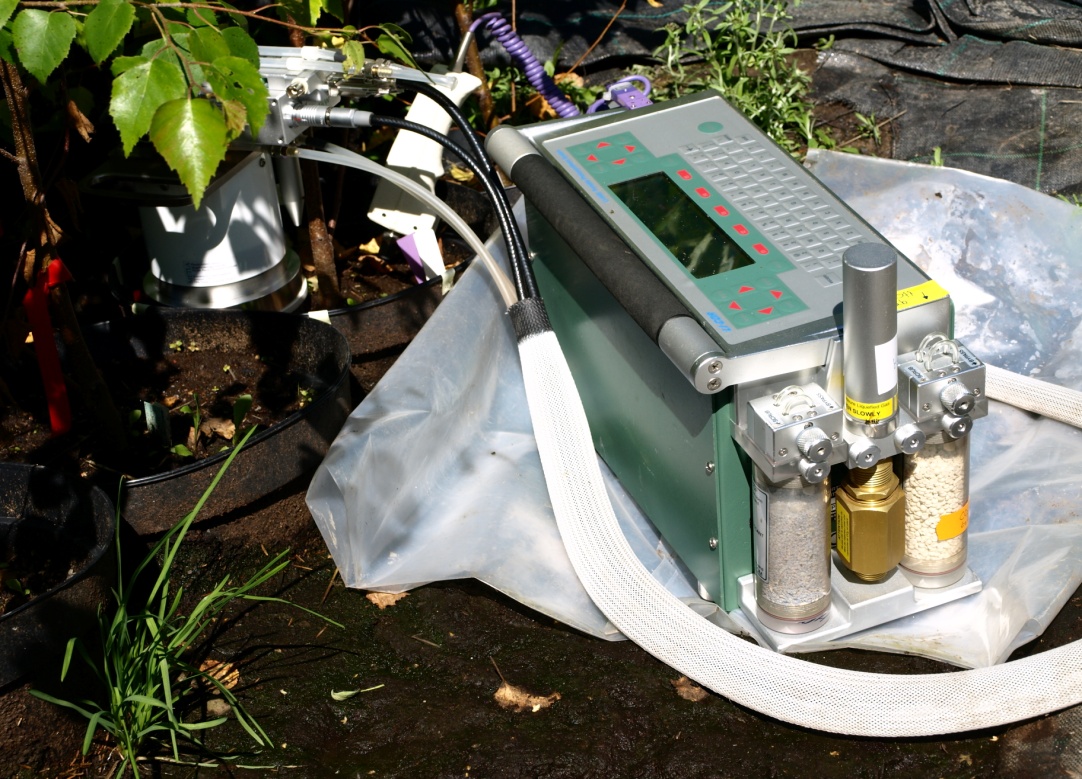
In my own field research I spent two growing seasons measuring how ozone at elevated concentrations affected silver birch, Betula pendula, growth and soil CO2 efflux. Even modest rises in ozone concentration produced measurable biological effects. Anything that keeps combustion products out of the atmosphere has real downstream ecological value beyond just the carbon number.
The Full Environmental Picture
I want to address something most product posts skip, because my ecotoxicology training makes me take it seriously.
The manufacturing process has real environmental costs worth understanding.
Silicon purification is energy-intensive. Producing the high-purity silicon needed for photovoltaic cells requires processing well beyond basic smelting of quartz. Lithium is extracted either from hard-rock deposits or from lithium-rich brines in salt flats. Brine extraction is water-intensive in regions that are often already water-stressed. Heavy metal contamination from mining sites moves into soil, water, and plant tissue in measurable ways, which is something ecotoxicology covers in detail. Some battery chemistries also contain cobalt, which has supply chain concerns worth knowing about.
None of this makes solar generators a bad choice. The net lifecycle carbon benefit over equivalent fossil fuel use is substantial and well-documented. But the full scientific picture includes manufacturing and end-of-life battery recycling, not just the clean running phase. Knowing that helps you make a more informed decision about what you are buying.
Choosing the Right Capacity
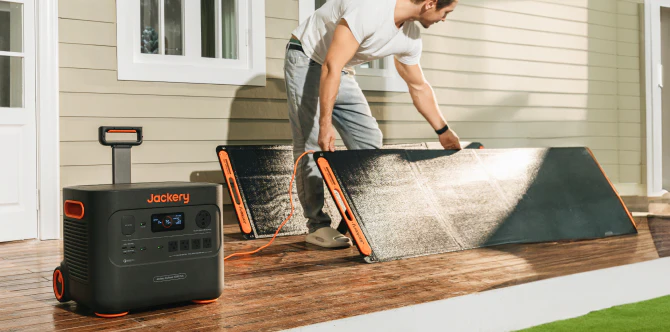
Capacity in a solar generator is measured in watt-hours (Wh) or kilowatt-hours (kWh). That tells you how much total energy the battery holds. The output wattage tells you how much power it can deliver at once.
A 1000Wh battery running a 100W device will last around 10 hours. A 3000W output rating means you can run appliances drawing up to 3000 watts simultaneously without tripping the inverter.
For camping and small devices like a laptop, phone, or small fan: 300 to 1000Wh is enough.
For short home backup covering a fridge, lights, and phone charging: 2000 to 3000Wh handles several hours to a full day.
For extended home backup or off-grid setups: 5000Wh and above, with expandable battery capacity where the model allows.
Jackery builds across this whole range, from compact day-trip models through to whole-home backup systems.
Shop Jackery Solar Generators →
Common Questions
How does a solar generator work?
Solar panels convert sunlight into direct current via the photovoltaic effect in silicon semiconductor cells. An inverter converts this to alternating current. A battery pack stores energy for use when sunlight is absent.
What type of battery is in a solar generator?
Most quality solar generators use lithium iron phosphate, LiFePO4, chemistry. It is more thermally stable and lasts longer in charge cycles than older lithium NMC chemistry, though it has lower energy density per kilogram.
How efficient are solar panels?
Monocrystalline silicon cells typically reach 20 to 22 percent efficiency. Polycrystalline cells run around 15 to 17 percent. Bifacial panels capture additional reflected light from below and improve overall output.
Are solar generators actually better for the environment?
At the point of use they produce zero emissions, which is a real and meaningful benefit. The manufacturing process has costs, silicon purification, lithium extraction, and cobalt in some battery types, but the net lifecycle carbon benefit over fossil fuel alternatives is substantial and well-documented.
Do solar generators work on cloudy days?
Yes, at reduced output. Photovoltaic cells respond to diffuse light, not only direct sunlight. Output drops significantly on overcast days but does not go to zero. Most solar generators also allow charging via wall outlet or car charger as a backup.
How long does a solar generator last?
Lithium iron phosphate batteries in quality solar generators hold above 80 percent capacity for 3000 to 4000 charge cycles. That typically translates to 8 to 10 years of regular use.
Can a solar generator power a house?
A small unit can run essential appliances such as a fridge, lights, and phone charging for hours to days depending on capacity. Whole-home backup for extended periods needs high-capacity systems with expandable battery banks and multiple solar panels.
What size solar generator do I need?
Calculate the wattage of the appliances you want to run and multiply by the number of hours you need to run them. That gives you the minimum watt-hours to look for. Add around 20 percent as a practical buffer.
Can I use a solar generator while it is charging?
Yes. Pass-through charging means the battery supplies power to your appliances at the same time as it recharges from solar panels or another source.
Is a solar generator the same as a home solar panel system?
No. A solar generator is a portable, self-contained unit combining panels, battery, and inverter. A fixed home solar system is wired into your home’s electrical system and often grid-connected. They serve different purposes and different needs.

