











This article was written by Serge, MSc. Plant Biologist and Environmental Scientist with a BSc in Plant Biology and an MSc in Environmental Biology and Biogeochemistry. My background covers plant biochemistry, botany, and field research in forest and soil ecosystems. I write from real experience, not just literature.
Affiliate disclosure: This site has affiliate links, including Amazon. As an Amazon Associate I earn from qualifying purchases, at no extra cost to you.
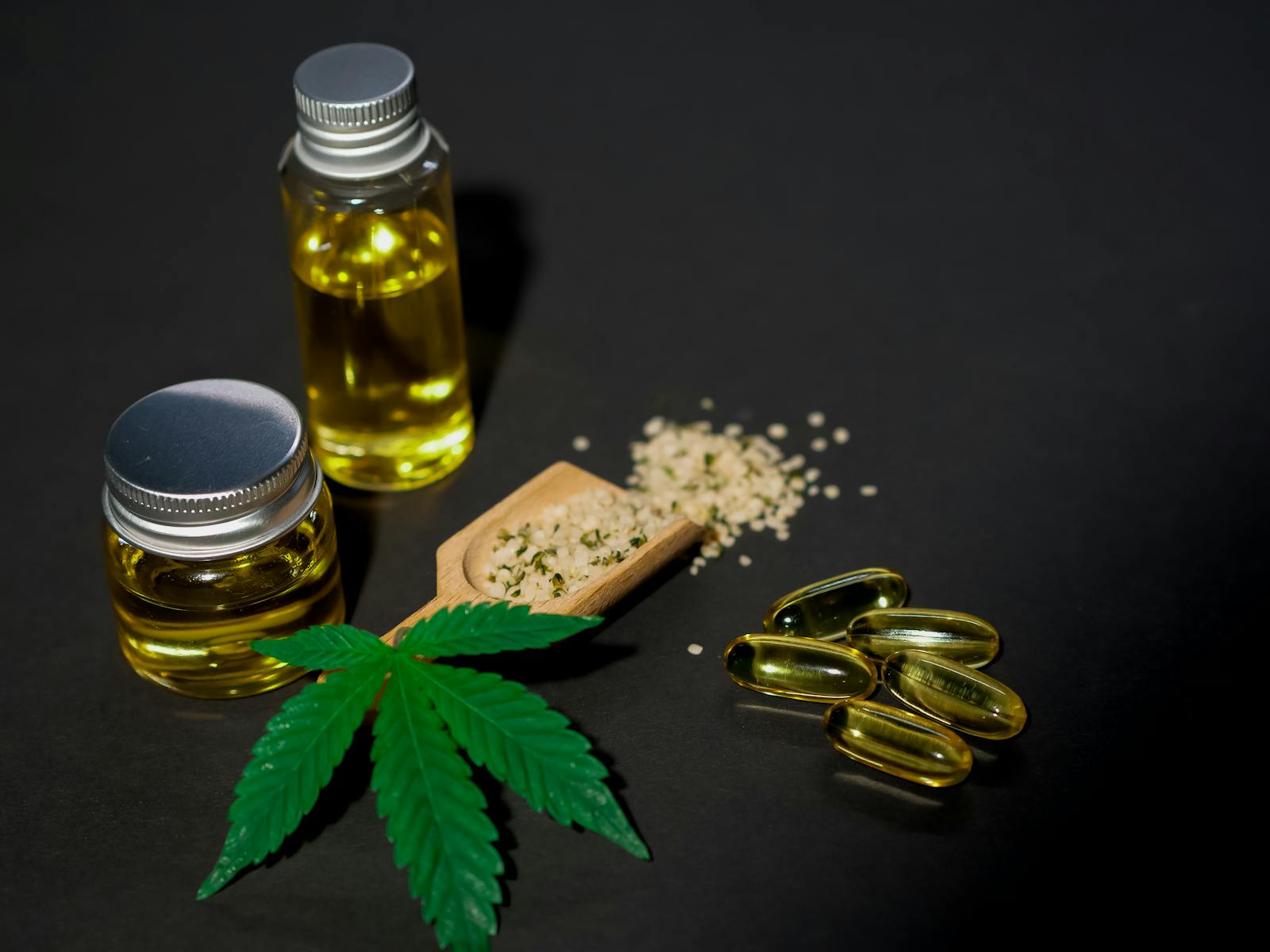
Cannabis sativa seeds produce one of the more nutritionally interesting oils in the plant kingdom. Not because of cannabinoids, hemp seed oil contains negligible amounts of THC and no CBD worth mentioning, but because of the fatty acid profile locked inside those seeds.
I studied lipid biochemistry and seed storage compounds during my plant biochemistry coursework. Seeds concentrate energy in triacylglycerols, fats built from glycerol and three fatty acid chains. What makes hemp seed oil stand out is not just that it contains fatty acids but which fatty acids it contains and in what ratio. That ratio is genuinely unusual among plant seed oils and it is the real story behind why this oil keeps coming up in nutrition conversations.
What Hemp Seed Oil Actually Comes From
Cannabis sativa seeds contain no psychoactive compounds. The cannabinoids that attract regulatory attention, THC and CBD, are produced in the trichomes of the flowers and leaves, not in the seeds. Cold pressing hemp seeds produces an oil with a clean fatty acid profile and no meaningful cannabinoid content.
This distinction matters because hemp seed oil and CBD oil are completely different products from the same plant. Hemp seed oil comes from cold pressed seeds. CBD oil comes from extraction of aerial plant parts. They have different chemistry, different uses, and should not be confused.
The Fatty Acid Profile
Hemp seed oil contains a specific balance of polyunsaturated fatty acids that sets it apart from most other plant oils.
Linoleic acid, an omega-6 fatty acid, makes up around 55 to 60 percent of the total fatty acid content. Alpha-linolenic acid, an omega-3 fatty acid, makes up around 15 to 20 percent. The ratio of omega-6 to omega-3 in hemp seed oil falls between 2:1 and 3:1, which nutritionists consider close to optimal for human dietary needs. Most modern diets run at ratios of 15:1 or higher in favour of omega-6, which is why the balanced profile of hemp seed oil attracts interest.
Gamma-linolenic acid, GLA, a less common omega-6 fatty acid, makes up around 1 to 4 percent of hemp seed oil. GLA follows a different metabolic pathway from standard linoleic acid and has attracted research interest for its role in prostaglandin synthesis and inflammatory modulation. It appears in relatively few plant oils, which makes its presence in hemp seed oil worth noting.
Oleic acid, a monounsaturated omega-9 fatty acid, makes up around 10 to 15 percent. This the same fatty acid that dominates olive oil and has a long association with cardiovascular health in nutritional research.
Why the Plant Produces This Profile
Seeds are energy storage organs. The plant concentrates triacylglycerols in seed tissue to fuel germination and early seedling growth before photosynthesis becomes functional. The specific fatty acid composition of a seed oil reflects the evolutionary pressures the plant has faced and the metabolic priorities of seed development.
Polyunsaturated fatty acids remain liquid at lower temperatures, which supports membrane fluidity in germinating seedlings in cool conditions. Cannabis sativa originated in Central Asia and has adapted to a wide range of climates. The high polyunsaturated fat content in hemp seeds likely reflects adaptation to variable temperature conditions during germination.
The plant produces this oil profile for its own purposes. The nutritional relevance for humans follows from the overlap between plant lipid biochemistry and human fatty acid metabolism.
Vitamin E and Minor Compounds
Hemp seed oil contains tocopherols, the vitamin E family, primarily gamma-tocopherol. Tocopherols accumulate in seed oils as antioxidant protection for the polyunsaturated fatty acids during seed storage. Polyunsaturated fats oxidise readily and tocopherols protect them from degradation.
This protective function in the plant translates to antioxidant activity relevant to human nutrition. Vitamin E is a fat soluble antioxidant that protects cell membranes from lipid peroxidation. Its presence in hemp seed oil is not incidental. It is part of the plant’s own oil preservation system.
Phytosterols, particularly beta-sitosterol, are present in small amounts. Phytosterols have a similar structure to cholesterol and compete with it for absorption in the digestive tract. They appear naturally in most plant seed oils.
Hemp Seed Oil and the Skin
The fatty acid profile of hemp seed oil makes it interesting for topical skin applications. Linoleic acid is a component of the skin barrier lipid layer. Skin conditions associated with a compromised barrier, including eczema and some forms of dry skin, sometimes show reduced linoleic acid in barrier lipids.
Hemp seed oil has a low comedogenic rating, meaning it does not readily block pores. This makes it suitable for oily and acne prone skin types that need moisturisation without occlusion. The GLA content adds a dimension that most other plant oils lack because GLA follows a different eicosanoid pathway that may modulate skin inflammation.
Does Hemp Seed Oil Contain THC
This question comes up constantly and the answer requires a clear distinction.
Hemp seed oil produced from properly cleaned seeds contains negligible THC, typically below 0.001 percent. The seeds themselves contain no THC. Trace contamination can occur if seed surfaces are not properly cleaned before pressing because plant material containing trichomes can contact the seed during harvesting. Reputable producers clean seeds before pressing specifically to eliminate this contamination.
The answer to whether hemp seed oil shows up on a drug test is almost certainly no for a properly produced oil at normal dietary amounts. The theoretical risk comes from trace contamination in poorly processed products, not from the oil chemistry itself.
Hemp seed oil has a relatively low smoke point, around 165 degrees Celsius, which makes it unsuitable for high heat cooking. It works well as a finishing oil, in salad dressings, or added to smoothies and drinks after preparation.
The polyunsaturated fatty acids that make it nutritionally interesting are also what make it heat sensitive. High temperatures oxidise polyunsaturated fats and generate compounds you do not want in food. Cold pressed hemp seed oil used cold or at low temperatures preserves the fatty acid profile intact.
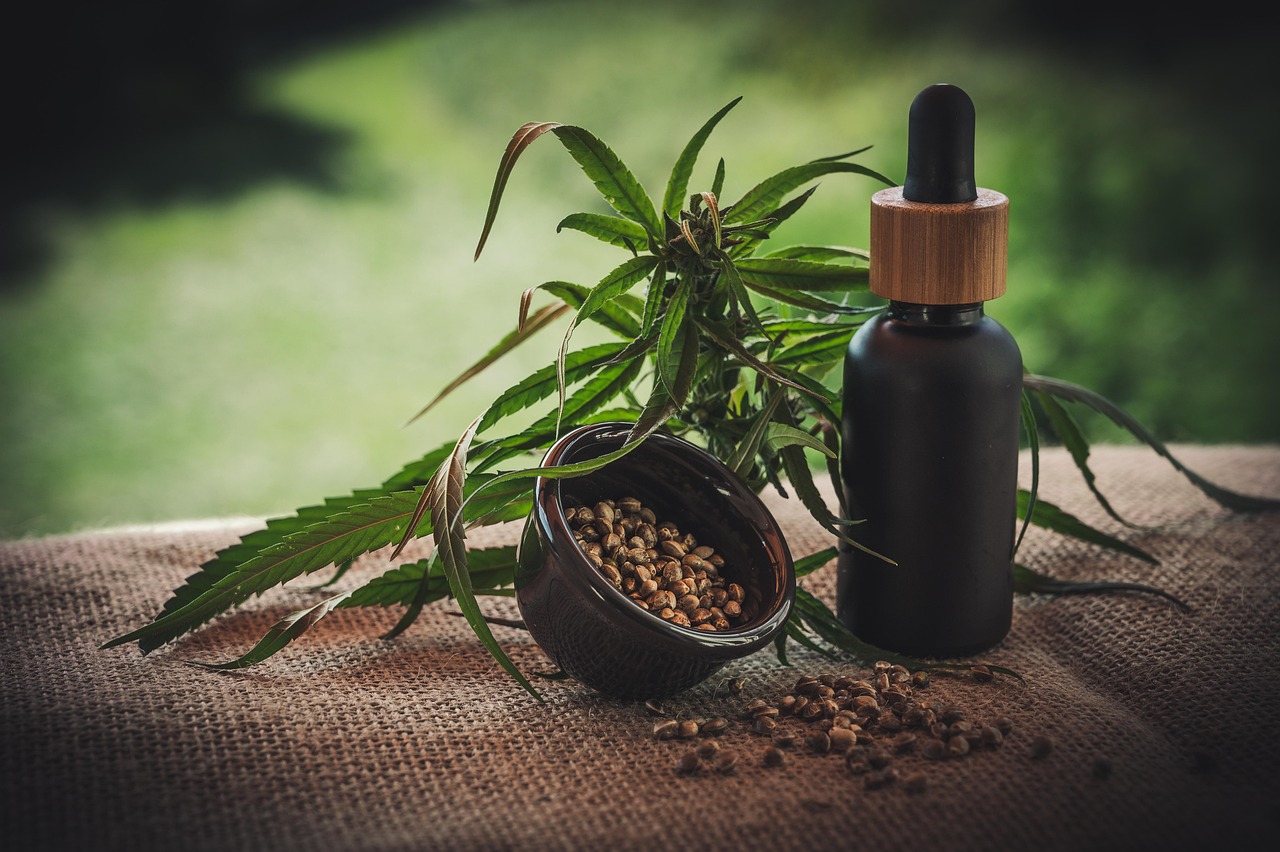
Store in a dark glass bottle in the refrigerator after opening. Polyunsaturated oils oxidise readily with light and heat exposure. Rancid hemp seed oil smells noticeably off and should be discarded.
Common Questions
What makes hemp seed oil different from CBD oil?
Hemp seed oil comes from cold pressing Cannabis sativa seeds and contains the seed’s fatty acid profile with negligible cannabinoid content. CBD oil comes from extraction of aerial plant parts including flowers and leaves where cannabinoids accumulate in trichomes. They are completely different products from the same plant species.
What omega fatty acids does hemp seed oil contain?
Hemp seed oil contains linoleic acid omega-6 at around 55 to 60 percent, alpha-linolenic acid omega-3 at around 15 to 20 percent, gamma-linolenic acid GLA at around 1 to 4 percent, and oleic acid omega-9 at around 10 to 15 percent. The omega-6 to omega-3 ratio of approximately 2:1 to 3:1 is considered nutritionally favourable.
Will hemp seed oil show up on a drug test?
Properly produced hemp seed oil from cleaned seeds contains negligible THC and should not cause a positive drug test at normal dietary amounts. Trace contamination from poorly processed products represents a theoretical risk. Reputable producers clean seeds before pressing to eliminate this.
Can hemp seed oil make you high?
No. The psychoactive compound THC accumulates in the trichomes of Cannabis sativa flowers and leaves, not in the seeds. Cold pressed hemp seed oil contains no meaningful amount of THC and produces no psychoactive effect.
Does hemp seed oil help with pain?
The GLA content in hemp seed oil follows a metabolic pathway that influences prostaglandin synthesis and inflammatory modulation. Whether this translates to meaningful pain relief at typical dietary doses in humans is not well established in clinical research. The fatty acid profile supports general anti-inflammatory dietary patterns rather than acting as a direct pain treatment.
Can hemp seed oil be used for cooking?
For low temperature applications yes. The low smoke point of around 165 degrees Celsius makes it unsuitable for frying or high heat cooking. Use as a finishing oil, in dressings, or added to food after cooking to preserve the polyunsaturated fatty acid profile.
Does hemp seed oil clog pores?
Hemp seed oil has a low comedogenic rating and does not readily block pores. This makes it suitable for oily and acne prone skin types that require moisturisation without occlusion.
How should hemp seed oil be stored? In a dark glass bottle in the refrigerator after opening. Polyunsaturated fatty acids oxidise readily with light and heat exposure. Properly stored hemp seed oil keeps for several months. Rancid oil smells noticeably off and should be discarded.
Does hemp seed oil help with hair growth?
Hemp seed oil contains fatty acids including linoleic acid and GLA that support scalp and hair follicle health as part of the lipid environment. Direct evidence for meaningful hair growth effects at typical topical or dietary doses is limited. It moisturises the scalp and hair shaft without heavy occlusion which may support hair condition generally.
What does hemp seed oil taste like?
Mild, slightly nutty, and grassy. The flavour reflects the raw seed chemistry and is less neutral than refined plant oils. Some people find it pleasant in dressings and smoothies, others prefer capsule form to avoid the taste entirely.

