








This article was written by Serge, MSc. Plant Biologist and Environmental Scientist with a BSc in Plant Biology and an MSc in Environmental Biology and Biogeochemistry. My background covers plant biochemistry, botany, and field research in forest and soil ecosystems. I write from real experience, not just literature.
Affiliate disclosure: This site has affiliate links, including Amazon. As an Amazon Associate I earn from qualifying purchases, at no extra cost to you.
Here is something that surprised me the first time I really thought about it, and it still pleases me every time I make a cup: green tea and black tea are the same plant. Not cousins, not close relatives, the exact same species. White and oolong too.
Four teas that look, smell, and taste completely different, all from the leaves of one plant, Camellia sinensis. What separates them is not the plant at all. It is what happens to the leaf after it is picked, and almost all of that comes down to one process: oxidation.
I want to walk you through this, because once you understand the chemistry of what oxidation does to a tea leaf, every type of tea suddenly makes sense, and you will know exactly what you are tasting and why. This is one of my favourite examples of plant chemistry in everyday life, so let me show you what is going on.
One plant, one enzyme, one reaction
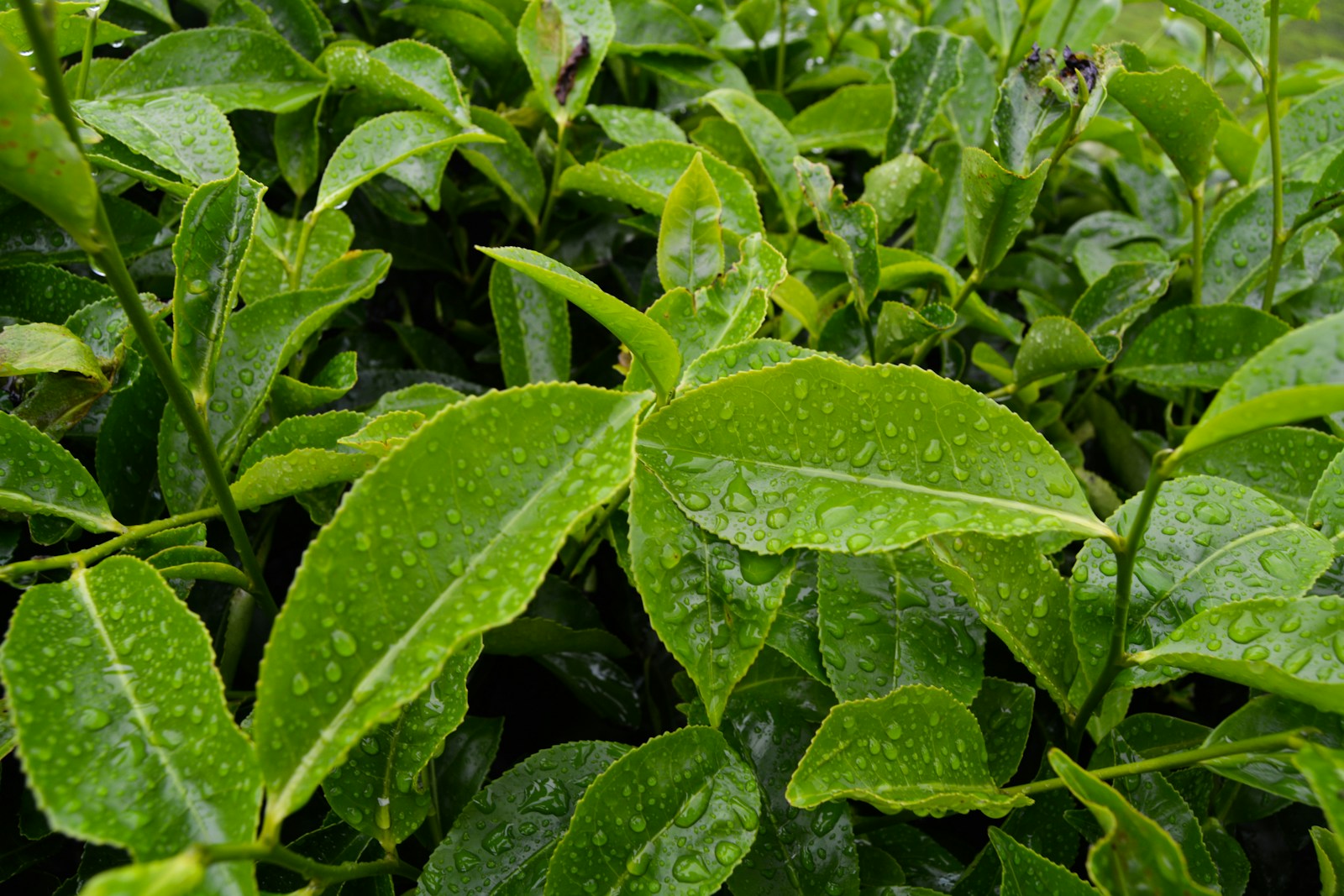
Start with the leaf. A fresh Camellia sinensis leaf is packed with compounds called catechins. These are molecules I researched closely and read a great deal about while studying plant biochemistry: catechins are flavan-3-ols, part of the big flavonoid family of plant compounds, and they are what give green tea its fresh, slightly bitter, brisk character. In the living leaf they sit there intact, held inside the leaf cells.
The leaf also contains an enzyme called polyphenol oxidase. In the intact leaf, the enzyme and the catechins are kept apart, held in different parts of the cell. Nothing happens. But the moment you damage the leaf, by bruising, rolling, or crushing it, you break those cell compartments open, and the enzyme meets the catechins in the presence of oxygen from the air. That is the trigger. The enzyme starts reacting the catechins with oxygen, and they begin to transform.
This is the same basic reaction you have seen a hundred times without naming it. Slice an apple, leave it on the counter, and it browns. Bruise a banana and the bruise darkens. That browning is polyphenol oxidase doing exactly what it does in a tea leaf, reacting the plant’s own compounds with oxygen. Knowing that connection is the key to all of tea, because making tea is really just controlling that browning, deciding how far to let it run.
What oxidation actually changes
When polyphenol oxidase goes to work on the catechins, it does not destroy them, it rebuilds them into new, larger compounds. The two that matter most are called theaflavins and thearubigins. I find these satisfying to talk about because they explain everything you can see and taste in the cup.
As the catechins convert into theaflavins and thearubigins, three things change together. The colour deepens, from green toward gold, amber, and finally dark reddish-brown, because the new compounds are darker than the catechins they came from. The flavour changes, from fresh and grassy toward malty, rich, and round, because those bright, brisk catechins are being turned into something deeper. And the briskness softens, because the sharp catechins that gave the green leaf its edge are being used up.
So the whole spectrum of tea is really a single dial: how much of the catechin-to-theaflavin conversion you allow before you stop it. Stop it early and you keep the green, fresh leaf. Let it run to the end and you get the dark, malty one. Everything else sits in between.
The four teas are four points on that dial
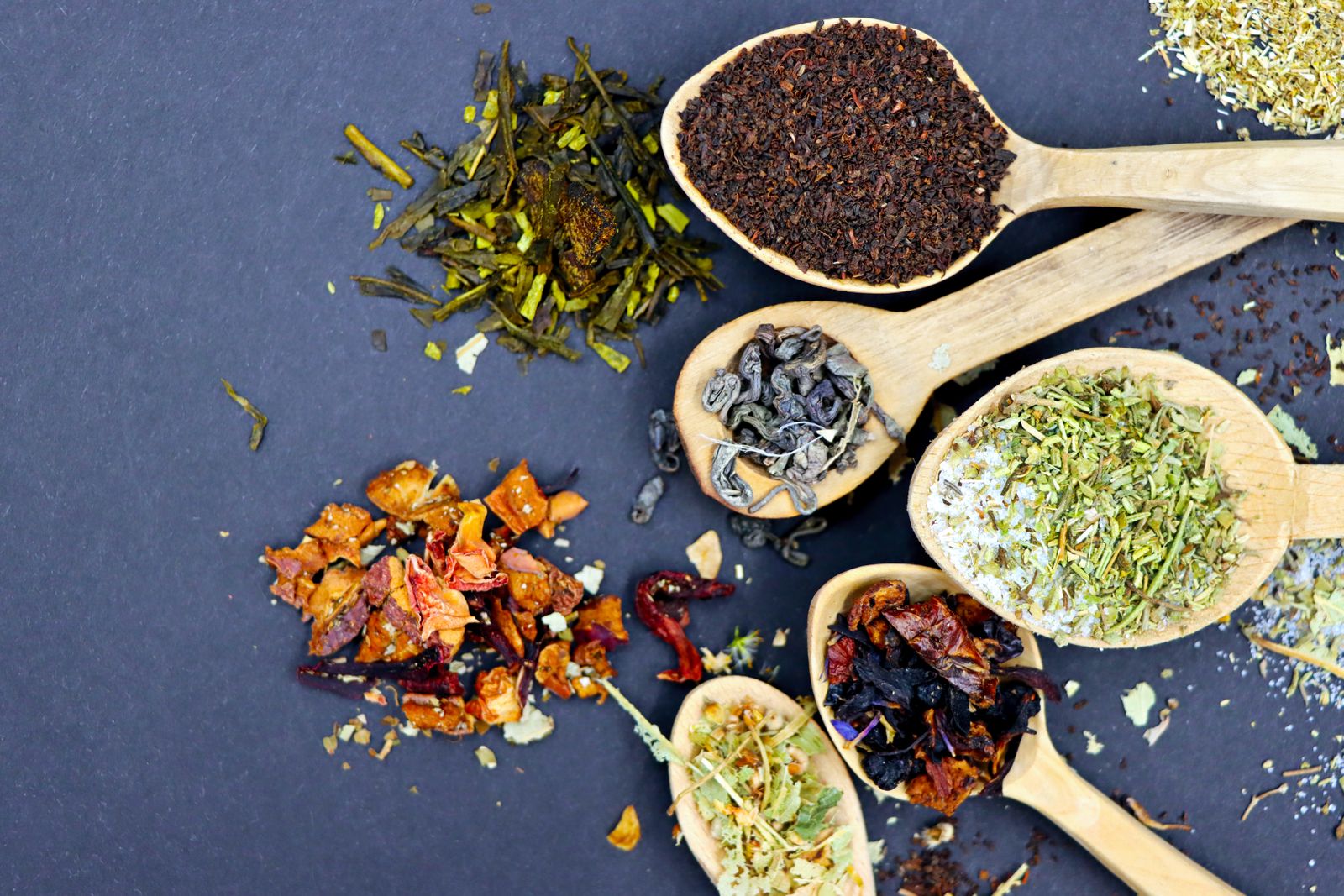
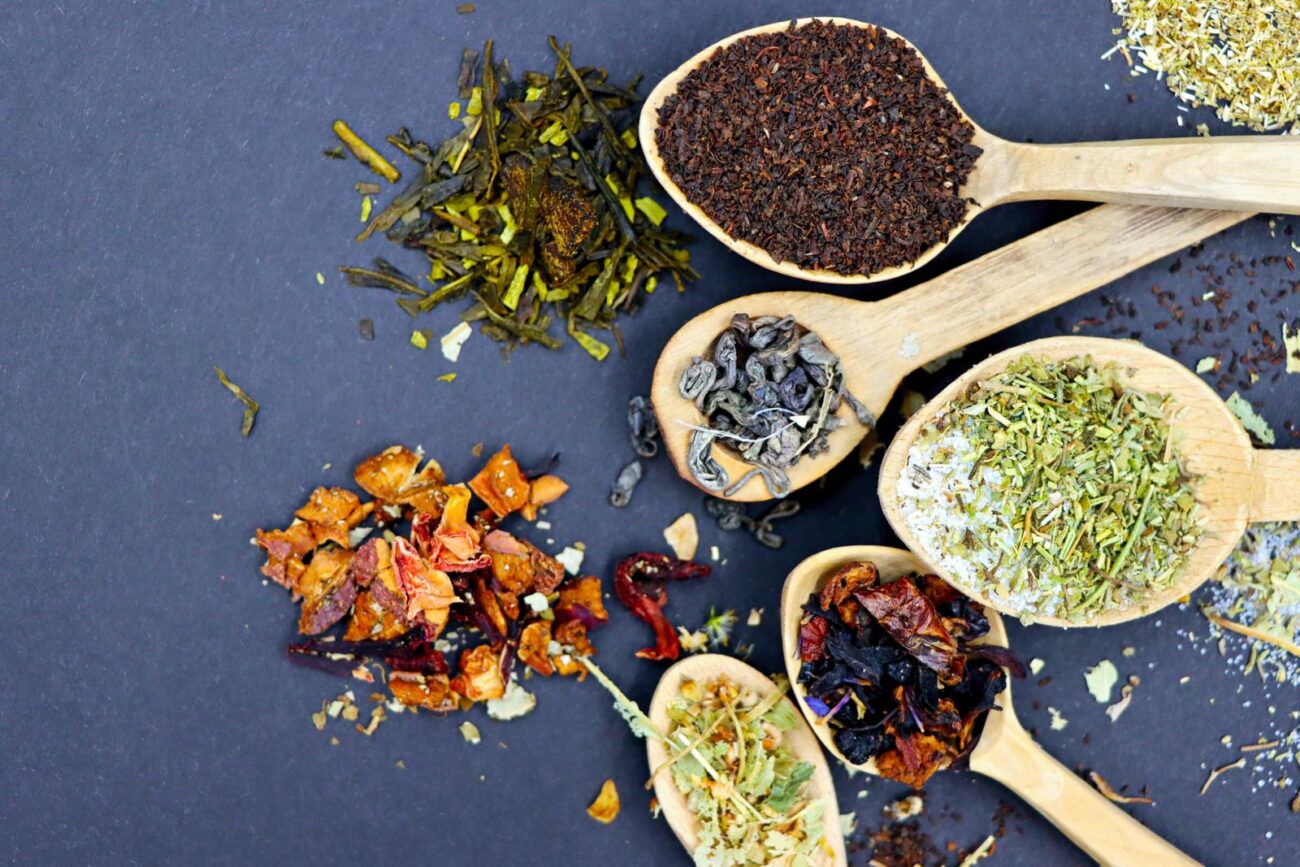
Now the part that ties the whole set of questions together, because people constantly ask how green, black, white, and oolong differ. They are four points on the oxidation dial, nothing more.
White tea is the least handled. The leaves are simply withered and dried with very little bruising, so only a small, slow amount of oxidation happens. It stays delicate, pale, and closest to the raw leaf.
Green tea is deliberately stopped early. Very soon after picking, the leaves are heated, steamed or pan-fired, and here is the clever part: heat destroys the polyphenol oxidase enzyme. Once the enzyme is gone, oxidation cannot happen, so the leaf stays green and fresh, its catechins largely intact. That is why green tea tastes the way it does. You are tasting a leaf where the browning reaction was switched off before it could start.
Oolong tea is partly oxidized, stopped somewhere in the middle. The leaves are bruised and allowed to oxidize part of the way, then heated to halt it. This is why oolong sits between green and black in colour and flavour, and why it has such range, the maker chooses where on the dial to stop.
Black tea is fully oxidized. The leaves are rolled or crushed to break the cells thoroughly, then left to oxidize completely before being dried. The catechins convert as far as they can into theaflavins and thearubigins, giving the dark colour and malty strength. What we call black tea is simply a leaf where the browning was allowed to run all the way.
Same plant. Same enzyme. Same reaction. The only real difference is when, and whether, someone decided to stop it.

Where “organic” and terroir come in
Since you may be looking at organic teas specifically, one honest note. “Organic” refers to how the plant is grown, without synthetic pesticides and fertilizers, not to anything about oxidation or type. You can have organic green, organic black, organic oolong; it is a growing standard, sitting alongside everything above, not a fifth type of tea.
What does change the flavour, beyond oxidation, is where and how the plant grows, often called terroir: the soil, altitude, climate, and the exact variety of Camellia sinensis. The same processing in two different places gives two different cups, because the starting leaf is not chemically identical.
This is the same reason wine grapes or coffee taste of where they were grown. So the full picture of any tea is really two things: the leaf the land gave you, and how far along the oxidation dial the maker took it.
How I drink it, and why the chemistry helps
I drink green tea, daily, and understanding this is the reason I stopped ruining it. Because green tea is the un-oxidized, delicate end of the dial, its catechins are easily scorched, and pouring fully boiling water straight onto green tea leaves makes it harsh and bitter, you are burning those fragile compounds.
Let the water sit off the boil for a minute first, and the cup is smoother and sweeter. Black tea, robust and fully oxidized, takes boiling water happily because its sharp catechins have already been converted. That single piece of chemistry, that green tea is the fragile raw end and black is the finished robust end, is useful every single morning.
That is the quiet pleasure of knowing what is in your cup. You are not drinking four different plants. You are drinking one leaf, caught at four different moments in the same simple reaction, and once you can taste that, tea gets a great deal more interesting.
If reading this makes you want to taste the difference for yourself, trying a green, an oolong, and a black side by side is the best way to learn the dial by tongue.
Common Questions
Are green tea and black tea from the same plant?
Yes, exactly the same plant, Camellia sinensis. So are white and oolong tea. The differences between them come entirely from how the picked leaf is processed, above all how much it is allowed to oxidize, not from any difference in the plant.
What is the difference between green, black, white, and oolong tea?
How far the leaf is oxidized. White is barely oxidized, green is stopped early by heating so it stays fresh, oolong is partly oxidized, and black is fully oxidized. They are four points on a single scale, from least to most oxidized.
What is tea oxidation?
It is a reaction in the picked leaf where an enzyme, polyphenol oxidase, reacts the leaf’s catechins with oxygen once the leaf is bruised or rolled. This converts the pale, brisk catechins into darker compounds, deepening the colour and changing the flavour. It is the same browning you see in a cut apple.
Why is green tea green and black tea dark?
Because green tea is heated soon after picking, which stops the oxidation enzyme and keeps the leaf’s green compounds intact. Black tea is left to oxidize fully, so its compounds convert into dark theaflavins and thearubigins, giving the deep colour.
Does organic tea taste different?
“Organic” refers to how the plant is grown, not how the tea is processed, so it does not by itself create a type or flavour of tea. Flavour comes mostly from the oxidation level and from where the plant was grown, its soil, climate, and variety.
Why does green tea sometimes taste bitter?
Usually because the water was too hot. Green tea keeps its delicate catechins intact, and very hot water can scorch them, turning the cup harsh. Letting boiling water cool for a minute before brewing green tea gives a smoother, less bitter result.
Looking for a Complete Guide to Herbal Tea?
I’ve put together a complete guide on picking good herbs, storing them so they stay fresh, and brewing each type the right way.
Covers choosing, storing, and brewing, so you get the most out of every cup.
