








This article was written by Serge, MSc. Plant Biologist and Environmental Scientist with a BSc in Plant Biology and an MSc in Environmental Biology and Biogeochemistry. My background covers plant biochemistry, botany, and field research in forest and soil ecosystems. I write from real experience, not just literature.
Affiliate disclosure: This site has affiliate links, including Amazon. As an Amazon Associate I earn from qualifying purchases, at no extra cost to you.
Plants do not make the compounds in your food for you. They make them to survive. UV radiation, pest attack, oxidative stress. Every flavonoid, every carotenoid, every phenolic compound in your vegetables and herbs exists because the plant needed it first.
I studied this in detail during my plant biochemistry coursework and it changed how I read nutrition. The compounds that end up on your plate are plant defence chemistry. The fact that they interact with human physiology at all is a coincidence of molecular shape. A useful one, but a coincidence.
Why Plants Make the Compounds That Make Food Valuable
Plants cannot move. When a pathogen attacks, when UV radiation increases, when a herbivore starts feeding, the plant cannot run. It responds biochemically.
Secondary metabolites are that response. Flavonoids, carotenoids, glucosinolates, terpenoids. These compounds serve the plant as UV screens, antimicrobials, feeding deterrents, and oxidative stress managers.
What makes food interesting from a biochemistry angle is that many of these same compounds interact meaningfully with human physiology. Not because evolution designed it that way. Because we share enough fundamental molecular architecture with the rest of the living world that plant defence chemistry and human cell biology overlap in useful ways.
My plant ecological stress physiology training covered secondary metabolite investment as a resource allocation decision. The plant weighs the metabolic cost of producing these compounds against the survival benefit. When stress increases the investment increases. That decision is written into the chemistry of everything you eat.
The Compounds Worth Knowing About
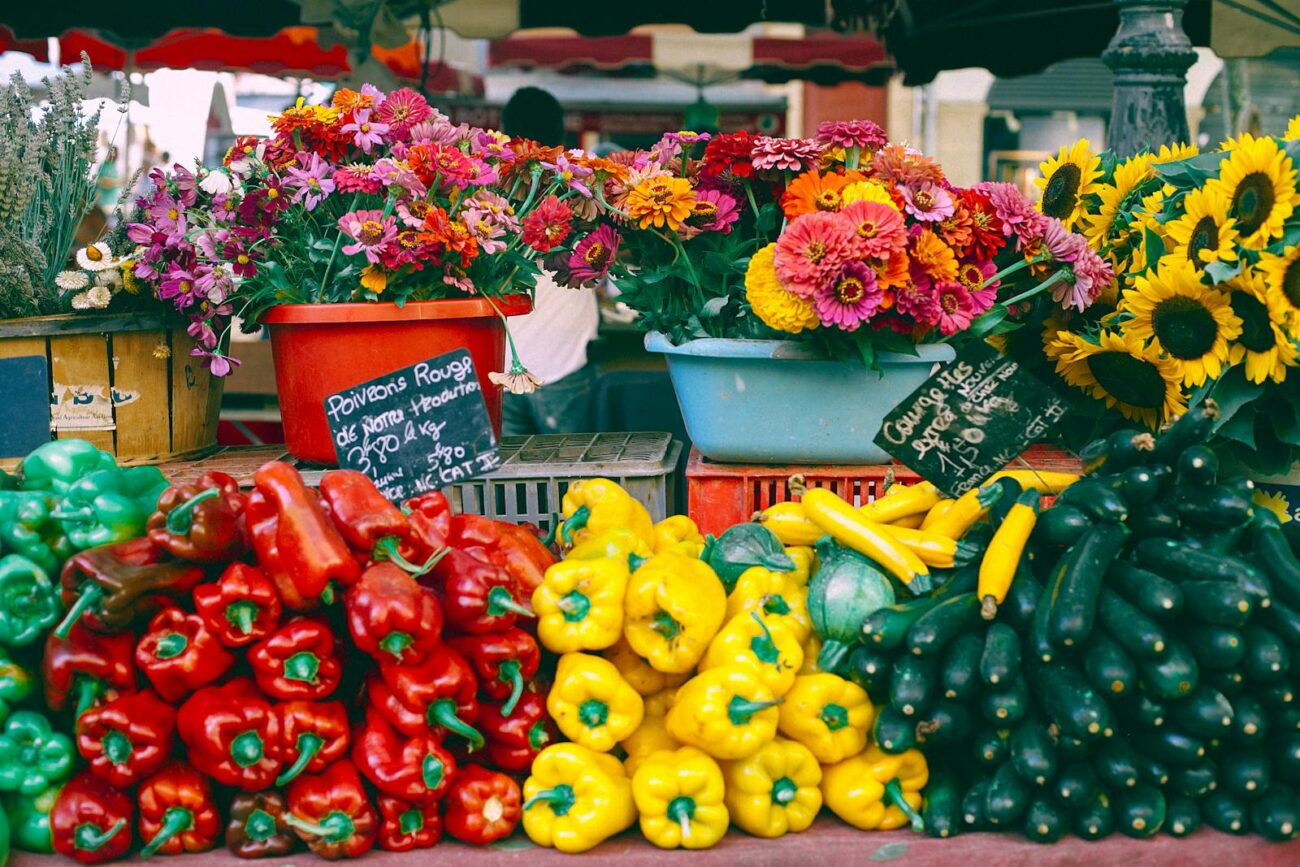
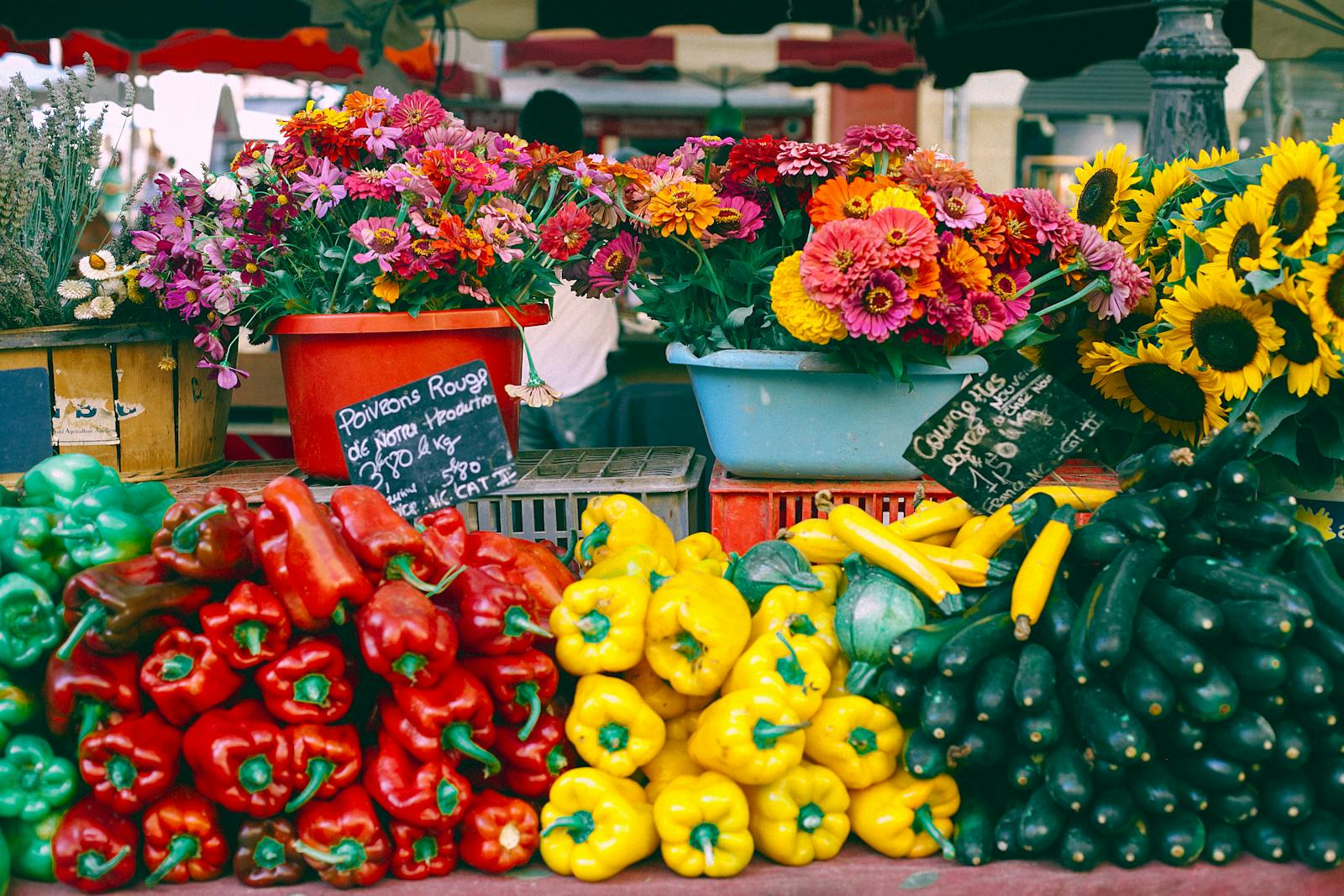
Coloured fruits and vegetables get their pigmentation from flavonoids and carotenoids. Anthocyanins give berries their deep reds and purples. Carotenoids give carrots and tomatoes their orange and red tones. These are not decorative. They are functional compounds the plant produces under specific growing conditions.
Leafy greens contain chlorophyll alongside fat soluble vitamins and phenolic acids. Cruciferous vegetables like broccoli (Brassica oleracea) and kale produce glucosinolates, sulphur containing compounds that form biologically active breakdown products when plant tissue is damaged. Which is exactly what happens when you chew them.
Alliums like garlic (Allium sativum) and onion (Allium cepa) produce organosulphur compounds through a damage response mechanism. The pungent chemistry that makes your eyes water is the plant’s defence system activating. The same chemistry that makes garlic difficult to chop raw is what makes it worth eating.
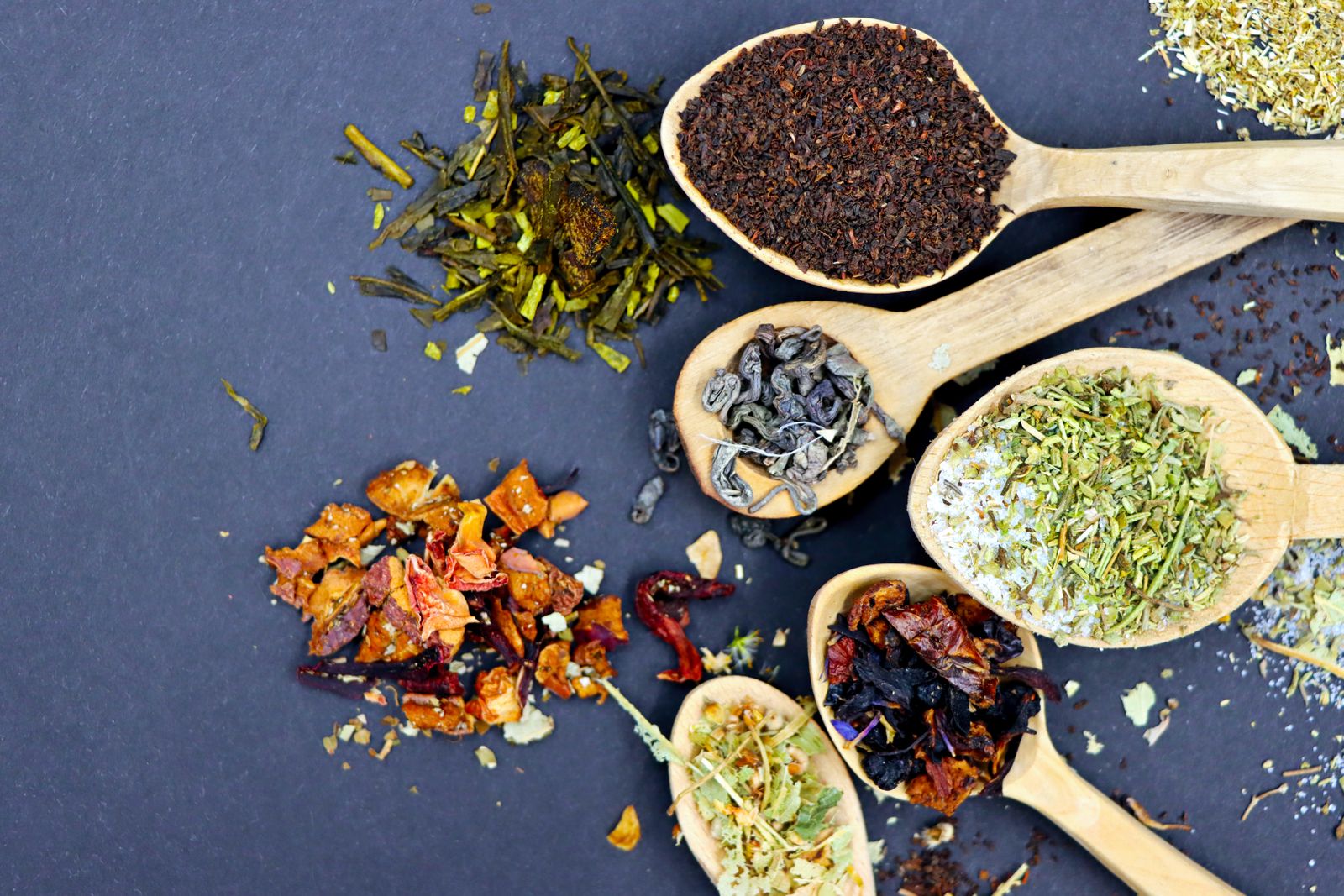
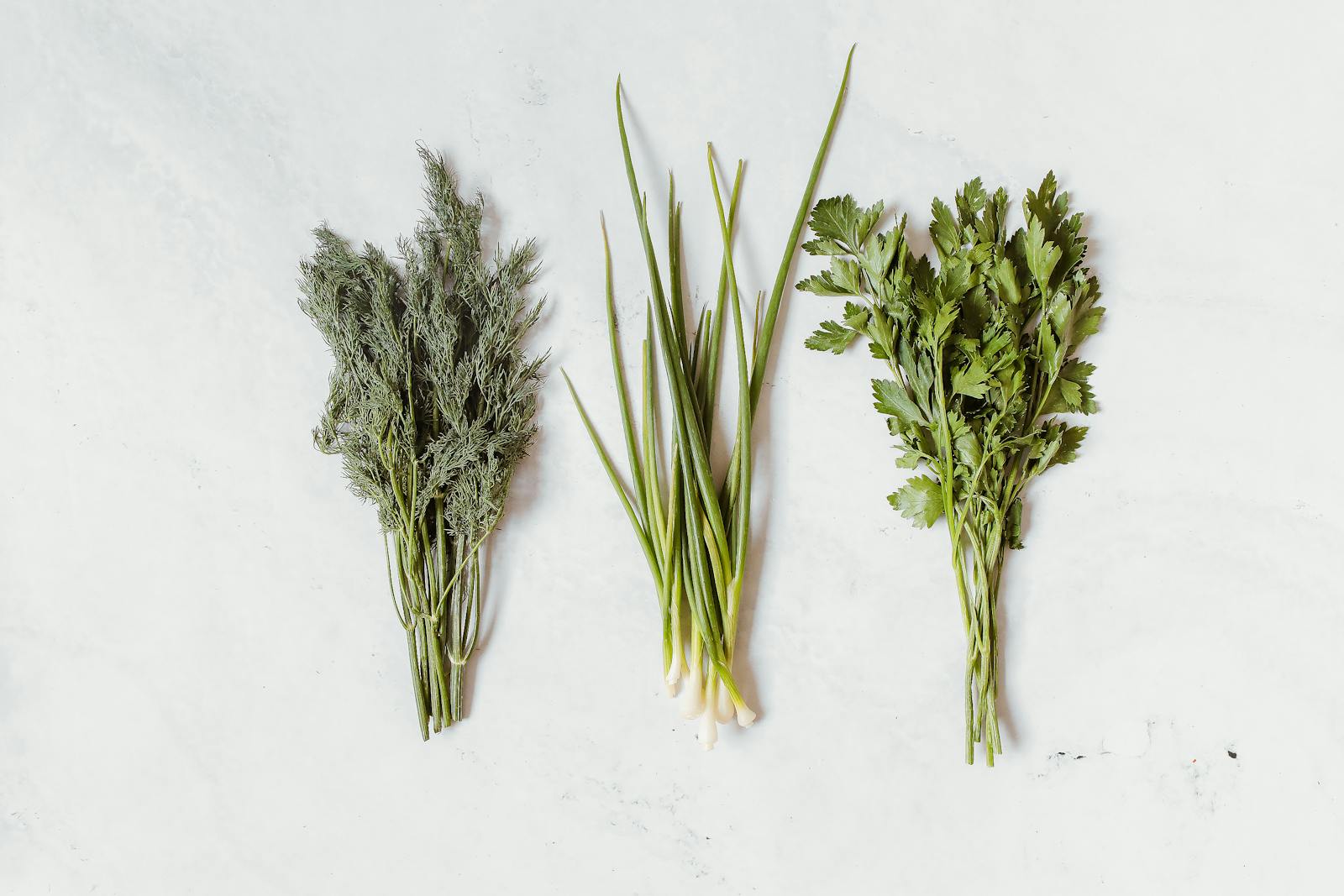
Herbs and spices tend to have the highest secondary metabolite concentrations of all. Turmeric (Curcuma longa), rosemary (Salvia rosmarinus), and ginger (Zingiber officinale) accumulate terpenoids and phenolic compounds in amounts that dwarf what you find in most vegetables. Small quantities carry significant phytochemical density.
Growing Conditions Change What You Eat
This is something I think about a lot given my background in plant stress physiology and my field research experience.
A plant grown under stress produces a different chemical profile than one grown in comfortable optimal conditions. Low soil nutrients, water stress, high UV exposure, pest pressure. All of these trigger secondary metabolite production as part of the plant’s defence response.
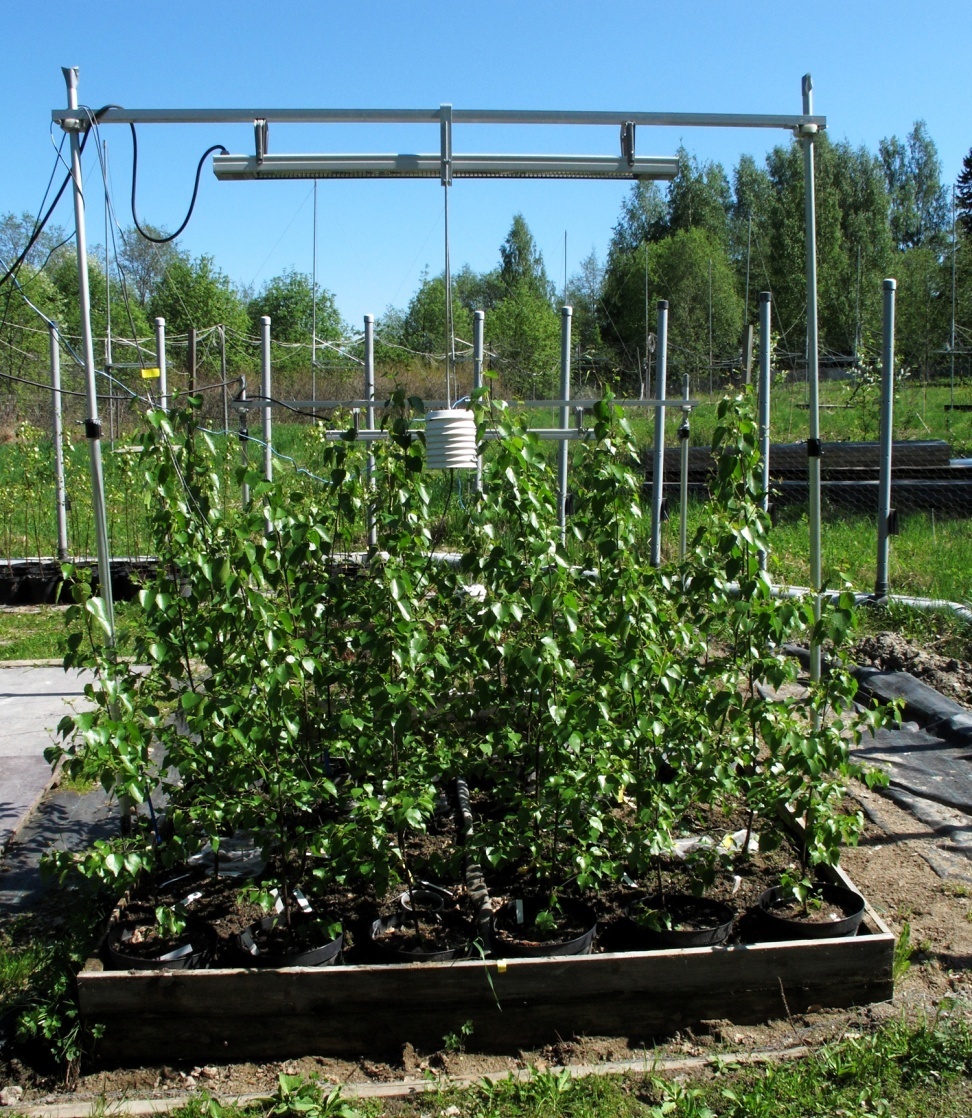
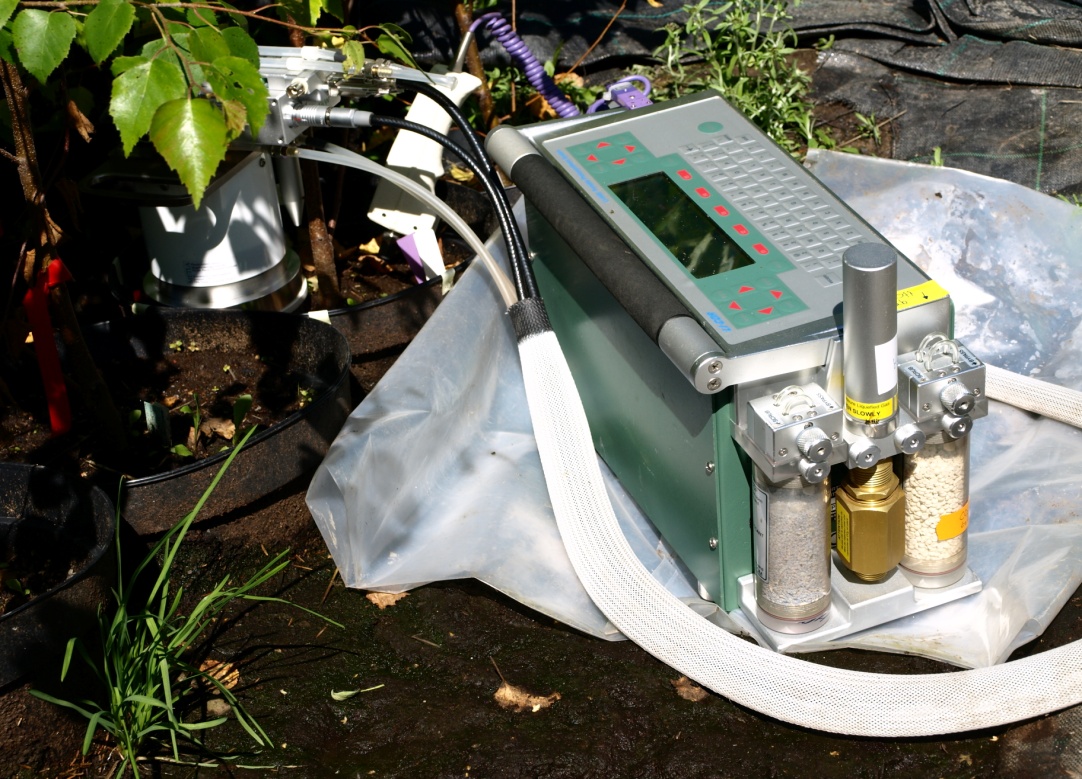
My silver birch field research showed this directly. Under elevated ozone and temperature stress the trees shifted carbon allocation away from primary growth toward stress response chemistry. The same principle operates in food plants. Wild plants and traditionally grown varieties often show higher phytochemical concentrations than commercially optimised crops grown for yield, uniformity, and shelf life. When you remove the stressors the plant has less reason to produce defensive chemistry.
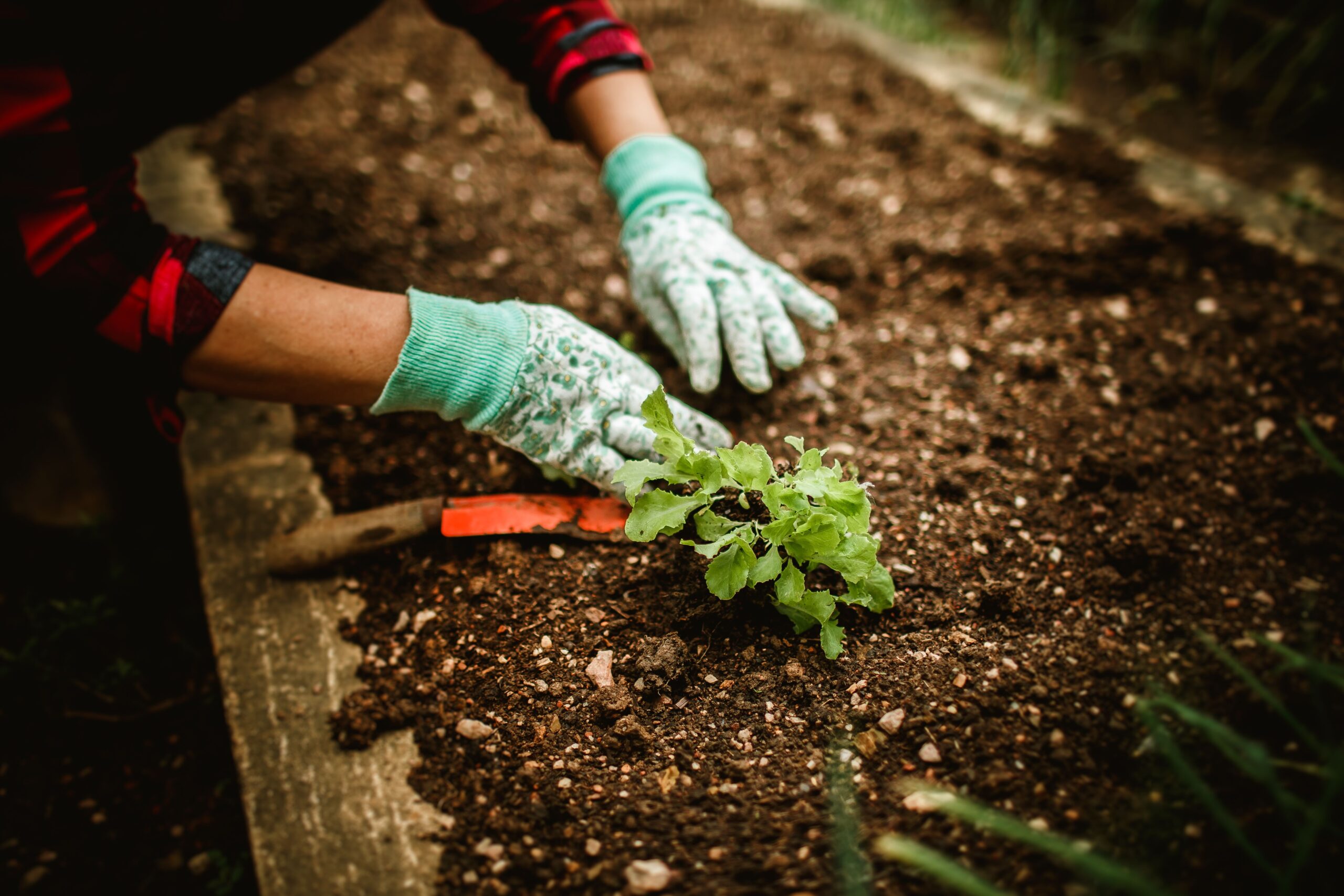
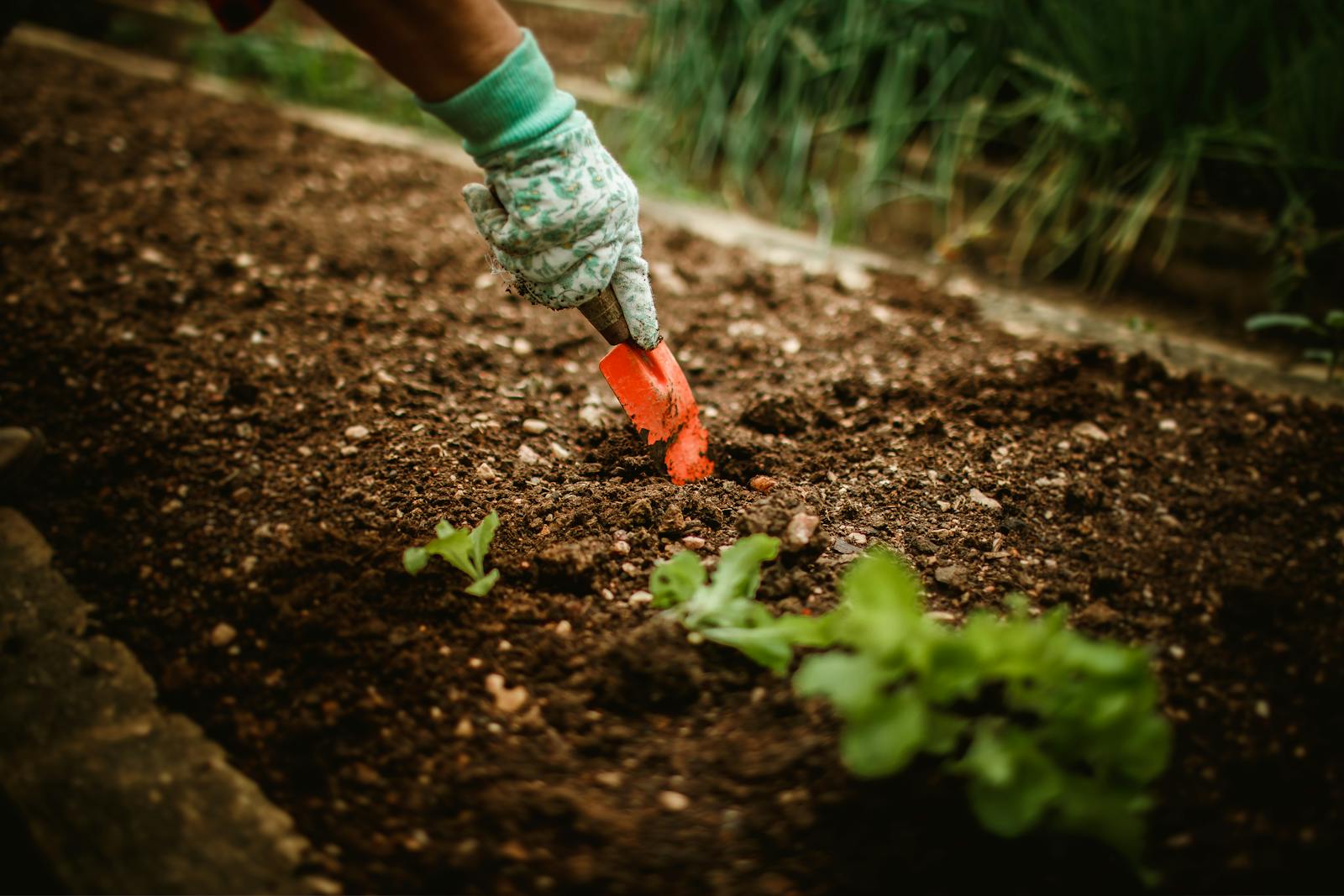
Soil biology plays a role too. Mycorrhizal fungi networks, microbial diversity, organic matter. These influence nutrient availability and plant stress levels in ways that ripple through into the chemistry of what the plant produces above ground. The connection between what is happening underground and what ends up in leaves and stems is closer than most people realise.
Traditional Food Systems and Plant Chemistry
Different food traditions around the world converged independently on plant diversity as a core principle. Varied coloured vegetables, fermented foods, herbs and spices used daily, whole unprocessed plant foods as the foundation of every meal.
From a plant biochemistry angle this makes complete sense. Diversity of plant species means diversity of biosynthetic pathways and compound classes. No single plant produces everything. A varied plant based diet covers a wider range of phytochemical profiles than a narrow one.
Traditional food cultures developed through observation over long periods rather than controlled trials. But the underlying plant biology they were working with was real and the patterns they identified hold up when you look at them through a plant biochemistry lens.
What This Means Practically
Eat a wide variety of plant species. Prioritise colour diversity because pigmentation reflects phytochemical diversity. Include herbs and spices regularly because concentration matters more than most people realise. Choose minimally processed whole plant foods where possible because processing degrades many secondary metabolites.
None of this is complicated. The biochemistry behind it is, but the practical application is not. I think that gap between how complex the science is and how simple the takeaway turns out to be is one of the more satisfying things about studying plant chemistry.
FAQs
Do plants produce different compounds depending on how they are grown?
Yes. Environmental stress during growth influences secondary metabolite production significantly. Plants under UV pressure, nutrient stress, or pest pressure accumulate higher concentrations of protective compounds like flavonoids and phenolics than plants grown in optimised low stress conditions.
Why do colourful fruits and vegetables contain more phytochemicals?
Pigmentation in plants is largely produced by flavonoids and carotenoids, both secondary metabolites with biological activity. Deeper more varied colour generally reflects higher phytochemical diversity and concentration.
What are glucosinolates and why do cruciferous vegetables contain them?
Glucosinolates are sulphur containing compounds produced by Brassicaceae family plants as feeding deterrents. When plant tissue is damaged enzymes convert glucosinolates into biologically active breakdown products. Chewing activates this process.
Why do herbs and spices have such high phytochemical concentrations?
Most culinary herbs and spices accumulate secondary metabolites as UV screens or antimicrobial defences. Leaves, roots, seeds, and bark concentrate these compounds more than other plant parts which is why small amounts carry more chemical complexity than a large serving of most vegetables.
Is wild harvested food more nutritious than cultivated food? Not always, but wild plants often show higher secondary metabolite concentrations because they grow under more environmental stress without controlled cultivation conditions. The difference varies considerably by species and growing environment.
What is the phenylpropanoid pathway?
The main biosynthetic route plants use to produce flavonoids, lignins, tannins, and many other secondary metabolites, starting from the amino acid phenylalanine. Many of the most studied plant compounds in food science come from this pathway.
Do cooking methods affect phytochemical content?
Yes. Heat, water, and processing all affect secondary metabolite levels differently depending on the compound class. Some compounds are heat stable, others degrade quickly. Raw and lightly cooked preparations generally preserve more volatile phytochemicals than prolonged high heat cooking.
Why do traditional food systems emphasise plant diversity?
Different plant species produce different secondary metabolite profiles through different biosynthetic pathways. Dietary diversity across plant species covers a broader range of compound classes than eating a narrow selection of plants repeatedly.

