







This article was written by Serge, MSc. Plant Biologist and Environmental Scientist with a BSc in Plant Biology and an MSc in Environmental Biology and Biogeochemistry. My background covers plant biochemistry, botany, and field research in forest and soil ecosystems. I write from real experience, not just literature.
Affiliate disclosure: This site has affiliate links, including Amazon. As an Amazon Associate I earn from qualifying purchases, at no extra cost to you.
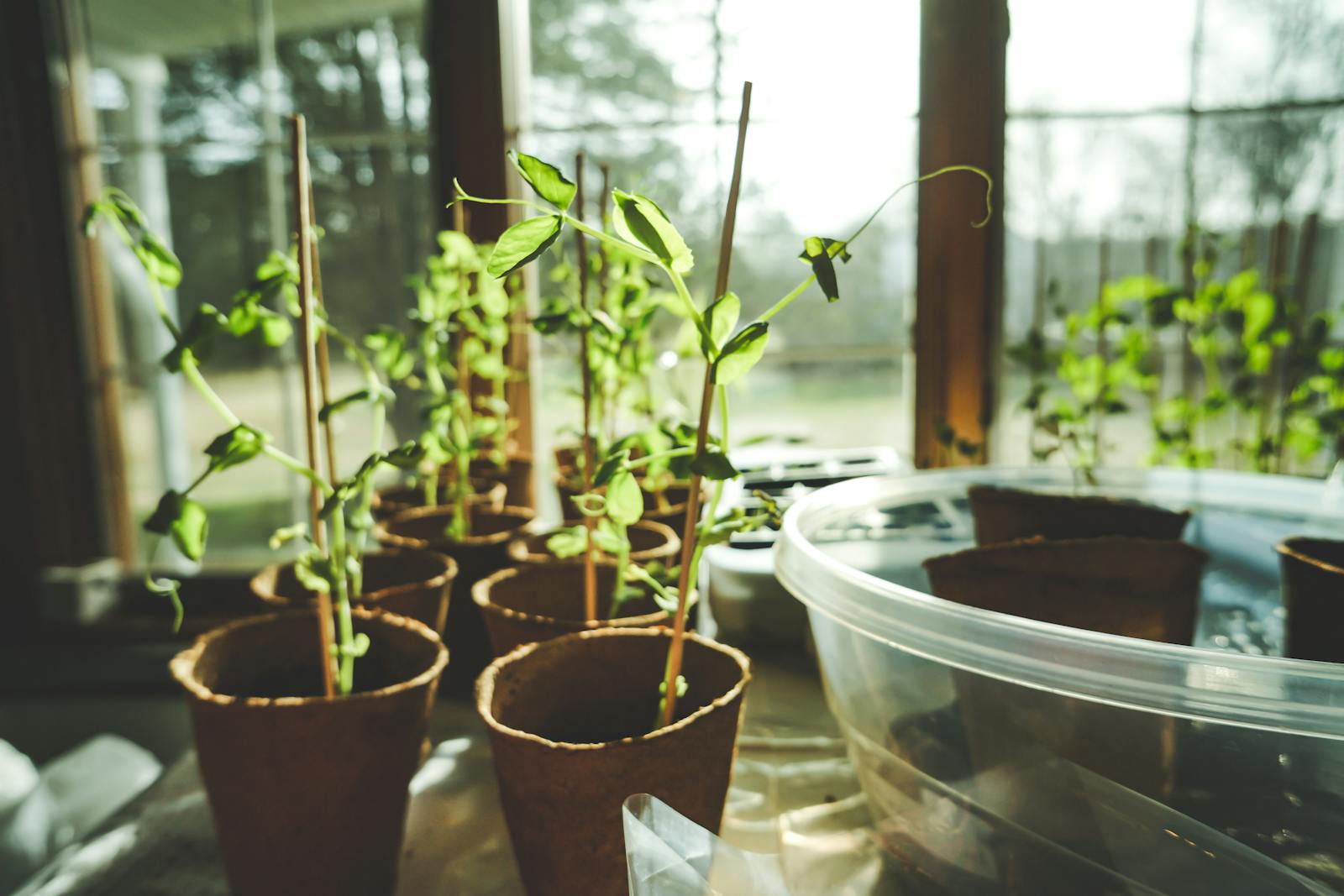
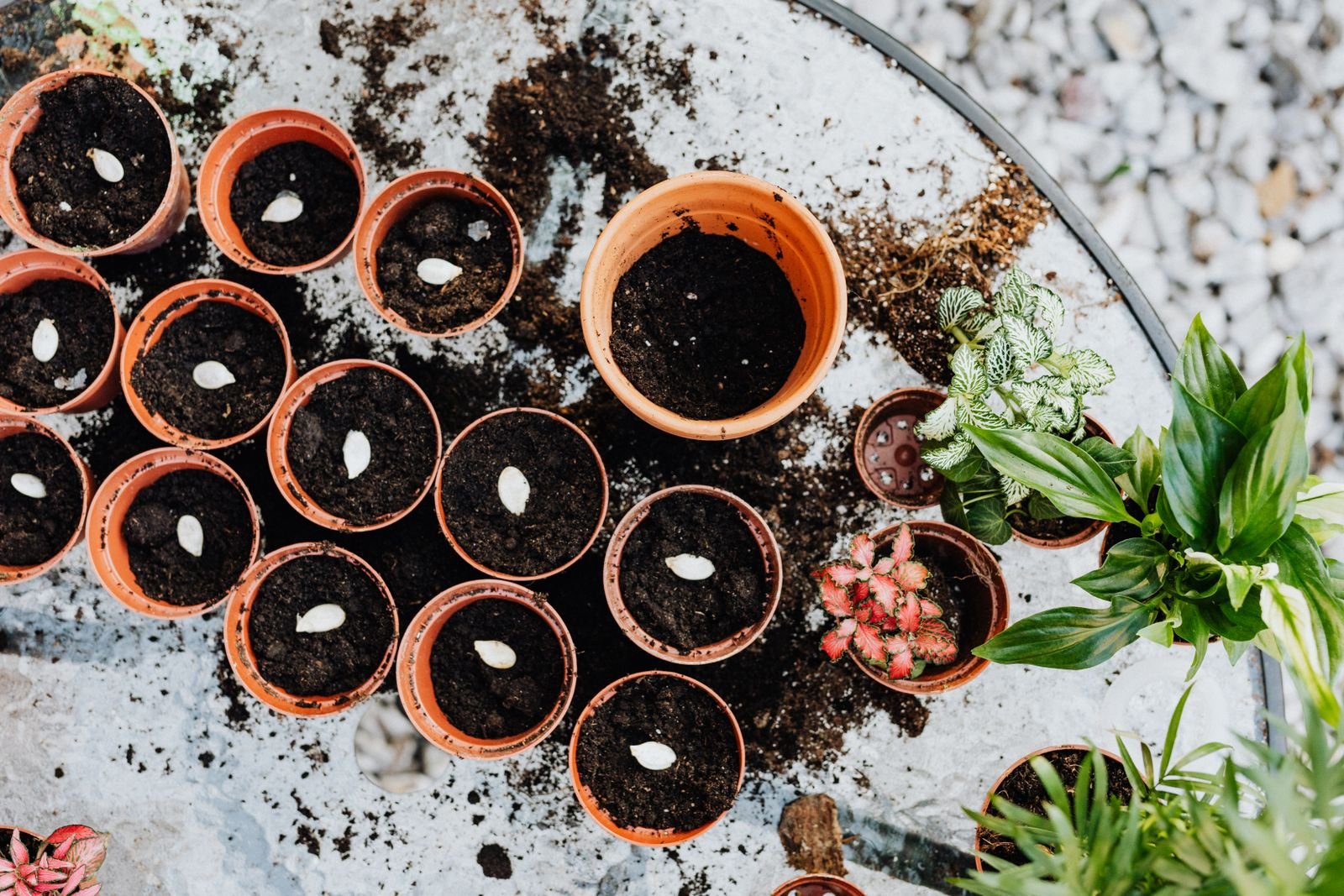
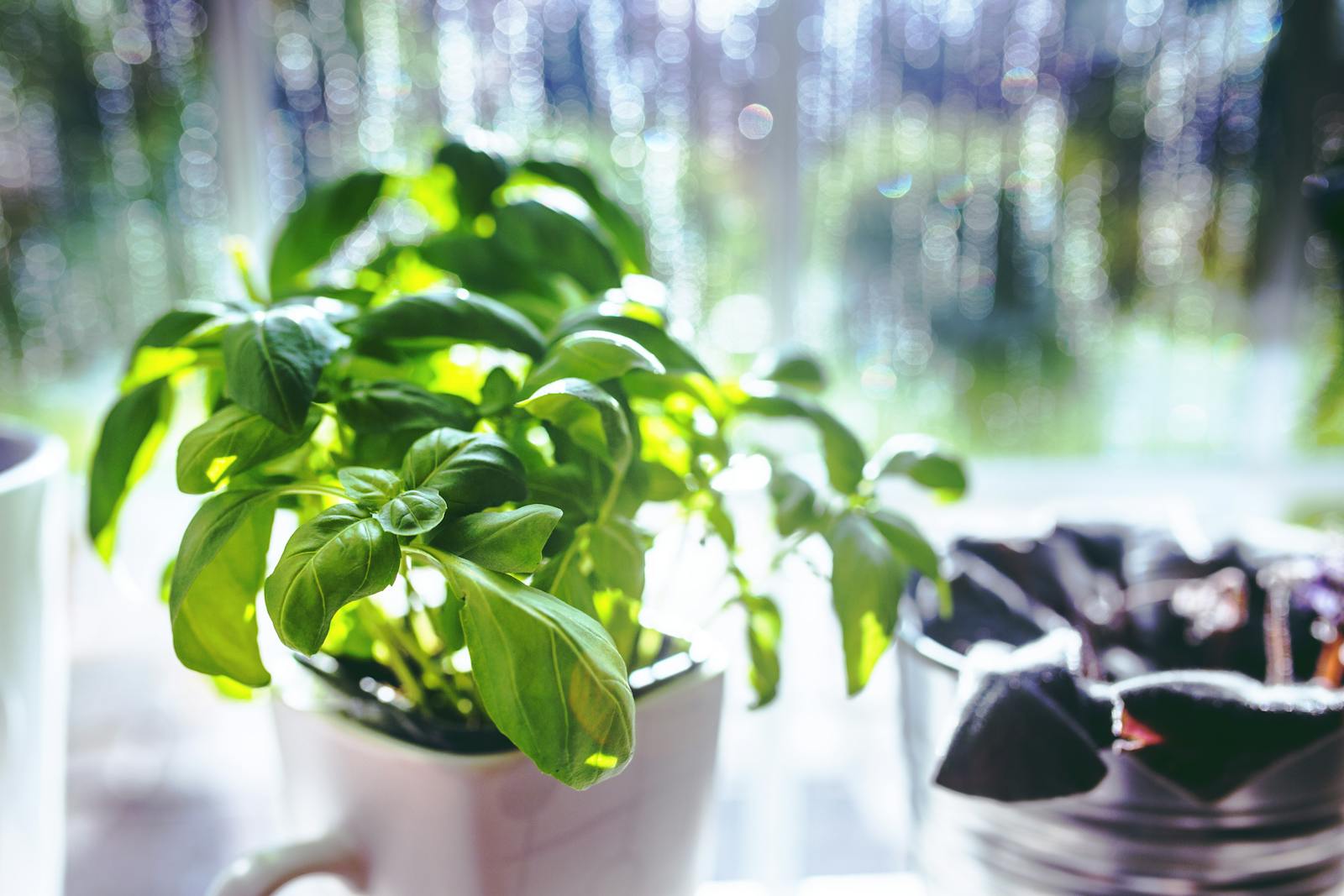
I have a pot of basil seeds sitting on my windowsill right now that have not germinated yet. I know exactly why. Basil is a warm season herb with a germination temperature optimum around 20 to 25 degrees Celsius. The soil is probably still a few degrees too cool. The seeds are fine. They are just waiting for the right signal.
That is the thing about growing herbs when you understand the plant biology. You stop guessing and start reading what the plant is actually responding to. Temperature. Light duration. Soil moisture. Nutrient availability. These are not vague growing tips. They are biochemical triggers that determine not just whether the plant grows but what chemistry it builds while growing.
And that second part matters enormously if you are growing herbs for their medicinal or culinary value rather than just for decoration.
Why Growing Conditions Determine Potency
Most herb growing guides focus on keeping plants alive. Water regularly. Give them sun. Do not overwater.
That is fine if you want green leaves. It is not enough if you want potent leaves.
The secondary metabolites that give herbs their flavour, fragrance, and medicinal properties are not produced automatically. They are produced in response to specific environmental signals. The plant invests in secondary chemistry when it needs to. When there is UV stress. When there is herbivore pressure. When nutrients are limiting. When water is scarce.
My plant ecological stress physiology coursework at MSc level made this very clear. Secondary metabolite production is not a background process running constantly at the same rate. It is a dynamic response to environmental conditions. Turn up the stress signals, within reason, and the plant invests more carbon into defence chemistry. Reduce all stress by giving the plant perfect conditions and it invests that carbon in growth instead.
A fat, well-watered, well-fed basil plant in rich compost with no competition and perfect temperatures looks beautiful. But it is often less pungent, less aromatic, and less medicinally interesting than a slightly stressed basil plant growing in leaner conditions with more UV exposure.
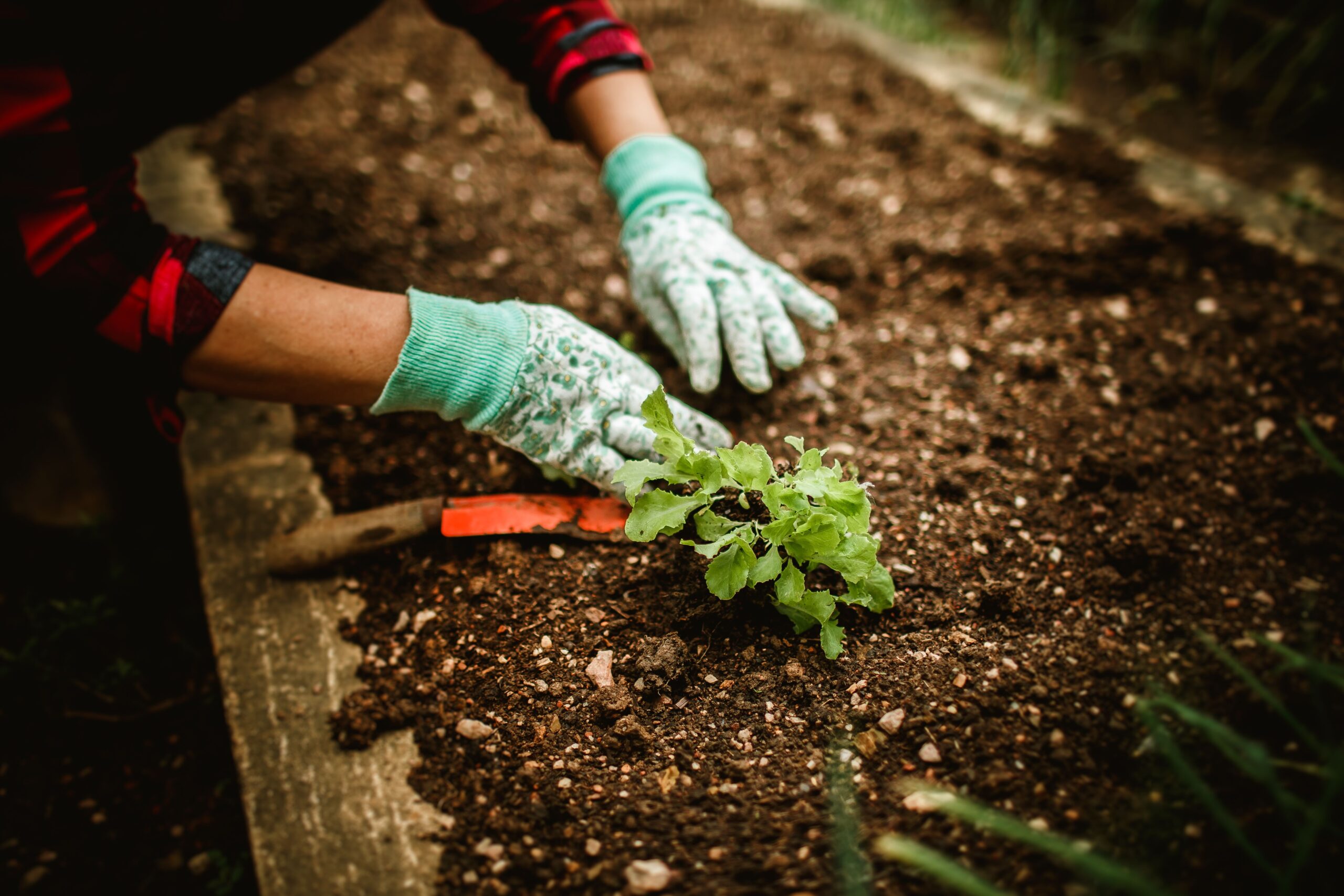
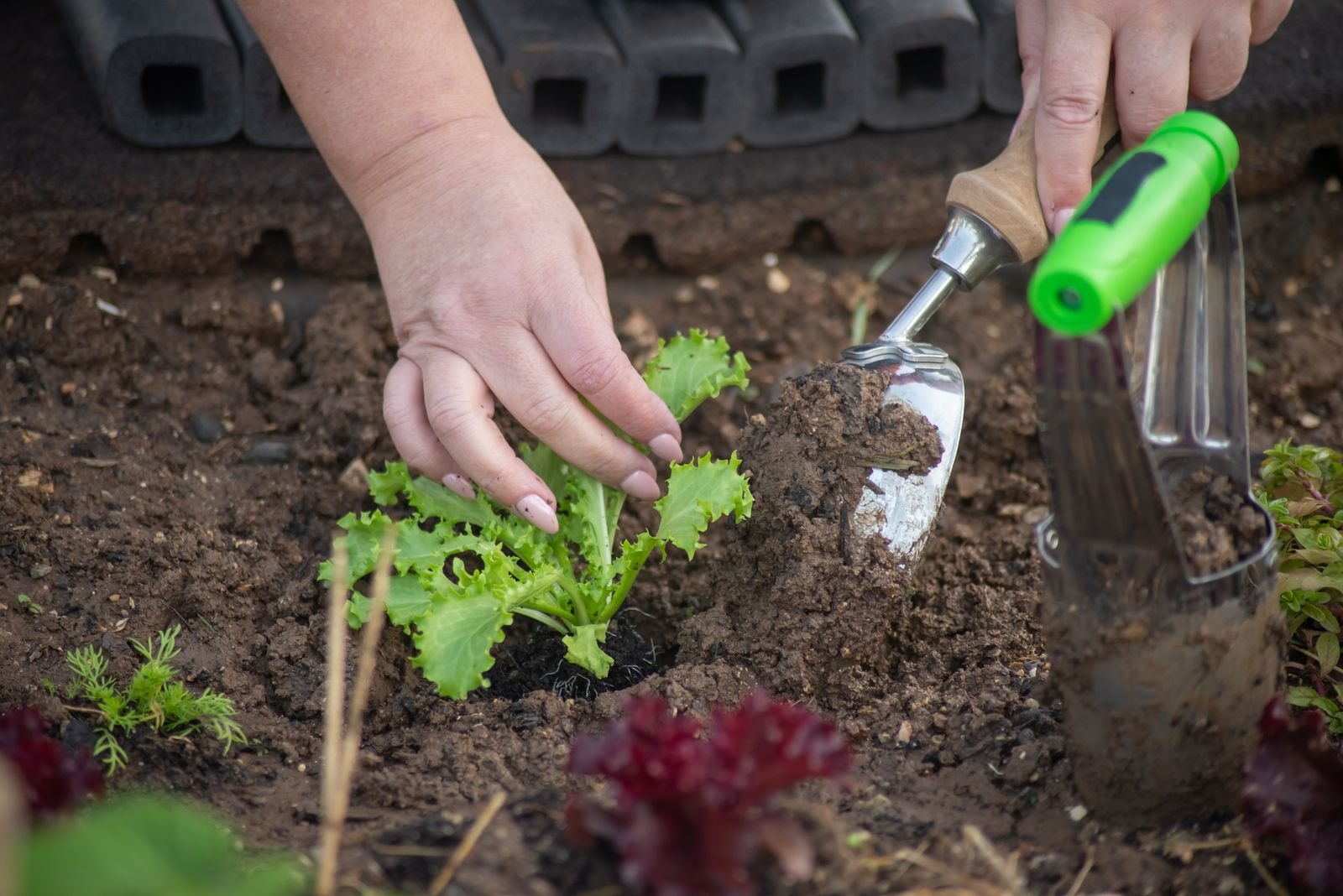
Soil: The Foundation of Everything
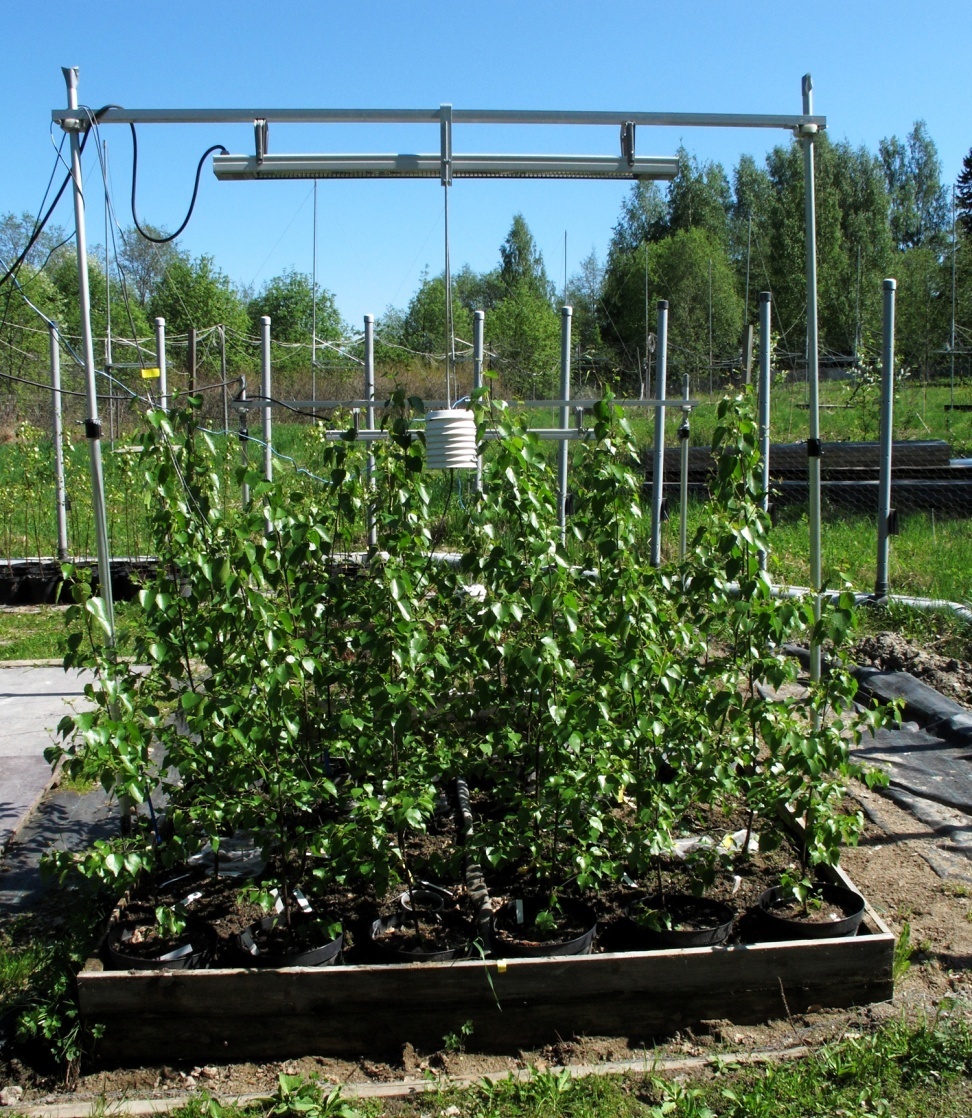
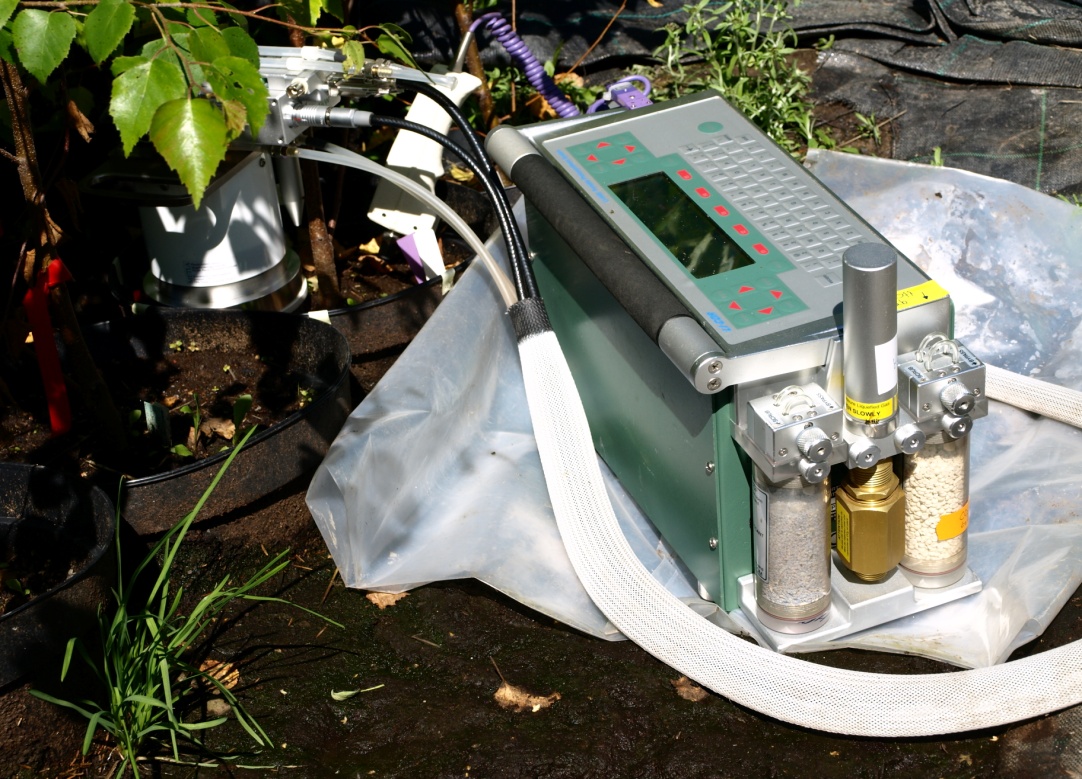
I measured soil carbon dynamics directly in my field research. Watching how soil temperature and ozone affected carbon cycling in silver birch plots gave me a very specific appreciation for how much the soil system determines what happens above ground.
For herbs the same principle applies. What the plant can produce depends fundamentally on what the soil provides and what the soil withholds.
Rich compost with high nitrogen produces fast leafy growth. The plant does not need to invest heavily in root-associated fungi or in producing secondary metabolites because resources are abundant. The result is vigorous growth with diluted chemistry.
Lean soil with lower nitrogen and good mineral content forces the plant to invest more in mycorrhizal partnerships to access nutrients. Those partnerships cost carbon but they return minerals and compounds that support secondary metabolite biosynthesis. The plant is working harder and the chemistry reflects it.
This is why I water my herbs less frequently than most guides suggest and why I use a relatively lean growing medium rather than rich compost. Not to stress them to the point of failure. Just enough pressure to keep secondary metabolite investment high.
UV Light and Why It Matters More Than Most People Realise
UV radiation triggers phenolic compound production in plants through a well-documented signalling pathway. Flavonoids, phenolic acids, and many aromatic compounds increase in concentration under higher UV exposure.
Herbs grown outdoors in full sun produce significantly higher concentrations of these compounds than the same herbs grown indoors under artificial light or in shade. This is not about photosynthesis. Plants can photosynthesize under lower UV. This is specifically about the UV stress response triggering secondary metabolite investment.
Basil grown on a south-facing outdoor windowsill in full sun will be more pungent and more aromatic than the same variety grown indoors under a grow light. Rosemary from a sunny dry slope produces different essential oil profiles than rosemary in a shaded moist garden corner.
I grow my herbs on the sunniest windowsill available for exactly this reason. When I moved my basil from a north-facing window to a south-facing one last summer the difference in leaf aroma within a few weeks was noticeable. The leaves were smaller and slightly tougher but the smell was dramatically more intense.
Water Stress: The Fine Line
Drought stress upregulates terpenoid production in aromatic herbs. This is well documented in Mediterranean herbs like thyme, oregano, rosemary, and lavender. These plants evolved in dry conditions where water limitation was a constant selection pressure. Their essential oil production responds accordingly.
Allowing the soil to dry between waterings, not to wilting point but to the point where the plant feels mild moisture stress, increases essential oil concentration in these herbs compared to consistently moist conditions.
The practical rule I use: water when the top centimetre of soil is dry. Not before. The plant is not suffering at that point. It is responding to a familiar stress signal with increased secondary metabolite investment.
For basil this is slightly different. Basil is less drought adapted than Mediterranean herbs and wilts more readily. I water basil when the top layer is dry but before the leaves show any sign of drooping. The stress window is narrower.
Harvest Timing: The Most Underestimated Factor
Secondary metabolite concentrations peak at specific growth stages. Getting the timing right makes more difference to potency than almost any other factor.
For most leaf herbs the peak is just before flowering. The plant is investing maximum resources in leaf chemistry during the vegetative growth phase. Once flowering begins, resources shift toward reproductive structures and leaf secondary metabolite concentrations drop.
I pinch out flower buds on basil consistently through the growing season. Not because flowering is harmful but because it signals the plant to divert resources away from the leaf chemistry I want.
Harvest in the morning after any overnight dew has dried but before the heat of the day evaporates the volatile compounds from leaf surfaces. Volatile terpenoids in aromatic herbs diffuse out of glandular trichomes faster as temperature rises. Morning harvest captures them at peak concentration.
Root herbs like valerian and ashwagandha peak at the end of the growing season when the plant has transferred maximum carbon reserves into underground storage. Autumn harvest after above-ground die-back produces the most concentrated root material.
Which Herbs Respond Most to Stress Management
Not all herbs respond equally to deliberate stress protocols.
Mediterranean aromatics respond dramatically. Thyme, oregano, rosemary, sage, and lavender all show significant essential oil concentration increases under drought stress and high UV. These are the herbs worth growing lean and dry.
Basil responds well to UV stress and nutrient limitation but is more sensitive to water stress than Mediterranean species. The sweet spot is sunny conditions with lean soil and careful watering.
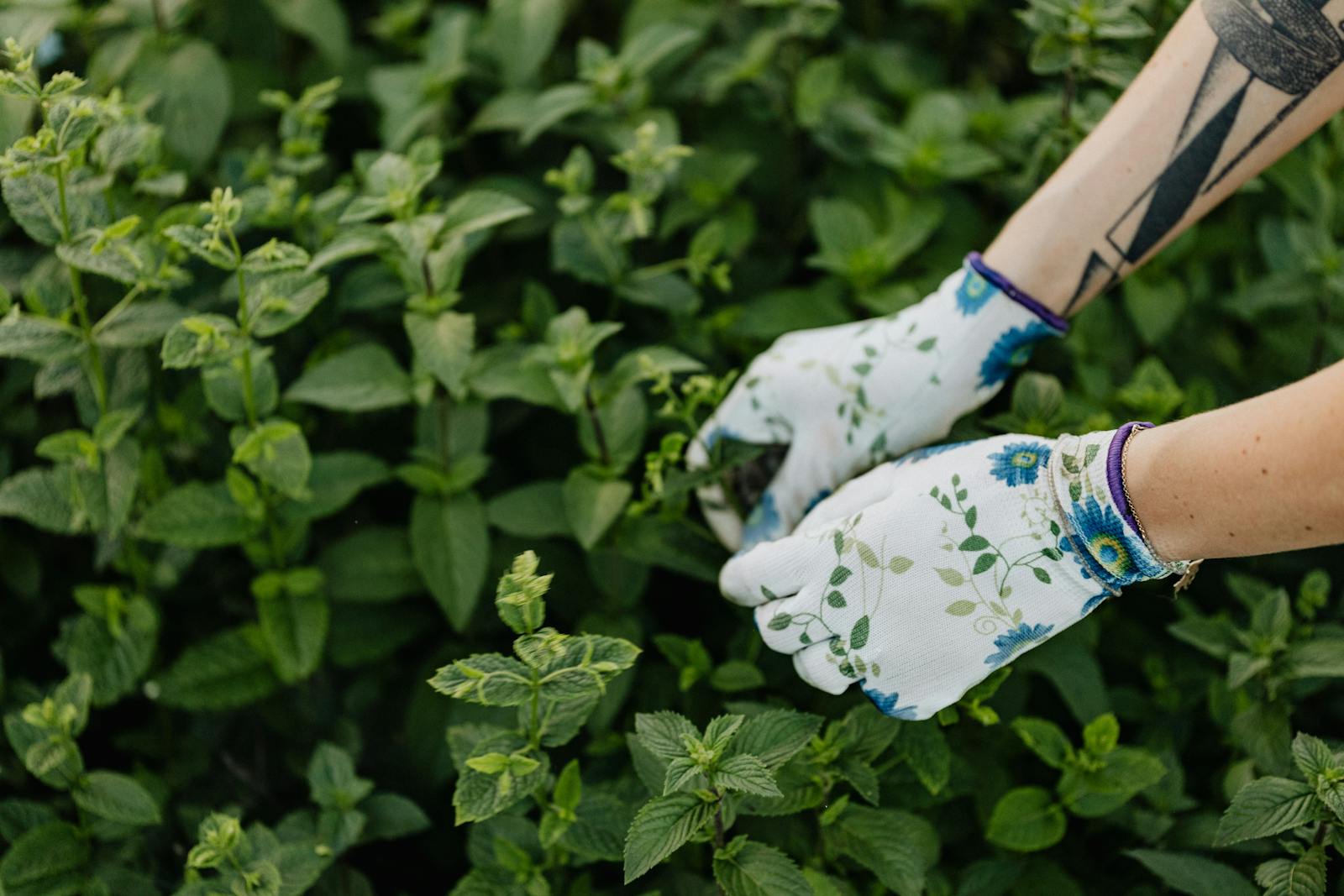
Mint is less responsive to stress management. It produces menthol relatively consistently regardless of conditions. Focus more on harvest timing than stress conditions for mint.
Chamomile apigenin and bisabolol concentrations respond to UV exposure and harvest timing. Harvest flowers when fully open in morning conditions for maximum volatile compound content.
Echinacea alkylamide content responds to soil conditions and growing season length. Plants given a full two to three growing seasons before root harvest accumulate higher compound concentrations than first-year plants.
Soil pH and Mineral Availability
This is something most herb growing guides ignore completely.
Soil pH determines which minerals are available to plant roots regardless of whether those minerals are present in the soil. Phosphorus availability drops sharply above pH 7.5 and below pH 5.5. Most aromatic herbs prefer slightly acidic to neutral pH between 6.0 and 7.0.
Magnesium is a component of chlorophyll and also supports secondary metabolite biosynthesis. Slightly magnesium-deficient soils can actually increase phenolic compound production as a stress response. But severe deficiency reduces overall plant vigour and secondary metabolite output.
I add a small amount of horticultural grit to my herb growing medium. It improves drainage, slightly reduces nutrient availability, and creates the leaner conditions that Mediterranean herbs evolved in. The result is slower growth but more concentrated chemistry.
Growing Indoors vs Outdoors
Outdoors wins for potency in most cases. Natural UV spectrum, natural temperature fluctuations including cool nights which increase some compound classes, natural air movement that triggers mild physical stress responses, and natural pest pressure that drives defence chemistry investment.
Indoors under artificial light produces faster growth with diluted chemistry in most cases. Grow lights do not replicate the UV spectrum that triggers phenolic compound production.
If growing indoors is your only option, place herbs in the highest UV exposure position available. South facing window. Supplement with a full spectrum grow light that includes UV-A wavelengths rather than just red and blue spectrum grow lights.
FAQs
Why are my homegrown herbs less flavourful than shop bought?
Shop bought fresh herbs are often grown in controlled conditions optimised for yield not flavour. But homegrown herbs grown in over-rich compost with regular watering and low light also produce diluted chemistry. Lean soil, high UV exposure, and slightly dry conditions between waterings produces more aromatic herbs than perfect growing conditions.
Does fertilising herbs reduce their potency?
High nitrogen fertilisation drives leafy growth at the expense of secondary metabolite production. The plant invests carbon in growth rather than defence chemistry when nutrients are abundant. Lean growing conditions with minimal fertilisation generally produce more potent herbs.
When is the best time to harvest herbs?
Just before flowering for most leaf herbs when secondary metabolite investment peaks. Morning harvest after dew has dried but before heat disperses volatile compounds. Root herbs in autumn after above-ground die-back when carbon reserves have transferred to root storage.
Do Mediterranean herbs need different growing conditions than other herbs?
Yes. Mediterranean herbs including thyme, oregano, rosemary, sage, and lavender evolved in dry sunny conditions with poor rocky soils. They respond well to drought stress and high UV with increased essential oil production. Growing them in rich moist soil reduces their characteristic aroma and flavour.
Does pot size affect herb potency?
Smaller pots create mild root restriction stress and limit nutrient availability. Both can increase secondary metabolite investment compared to large pots with rich compost. I use modestly sized pots with lean medium rather than large containers with rich compost for this reason.

