






This article was written by Serge, MSc. Plant Biologist and Environmental Scientist with a BSc in Plant Biology and an MSc in Environmental Biology and Biogeochemistry. My background covers plant biochemistry, botany, and field research in forest and soil ecosystems. I write from real experience, not just literature.
Affiliate disclosure: This site has affiliate links, including Amazon. As an Amazon Associate I earn from qualifying purchases, at no extra cost to you.
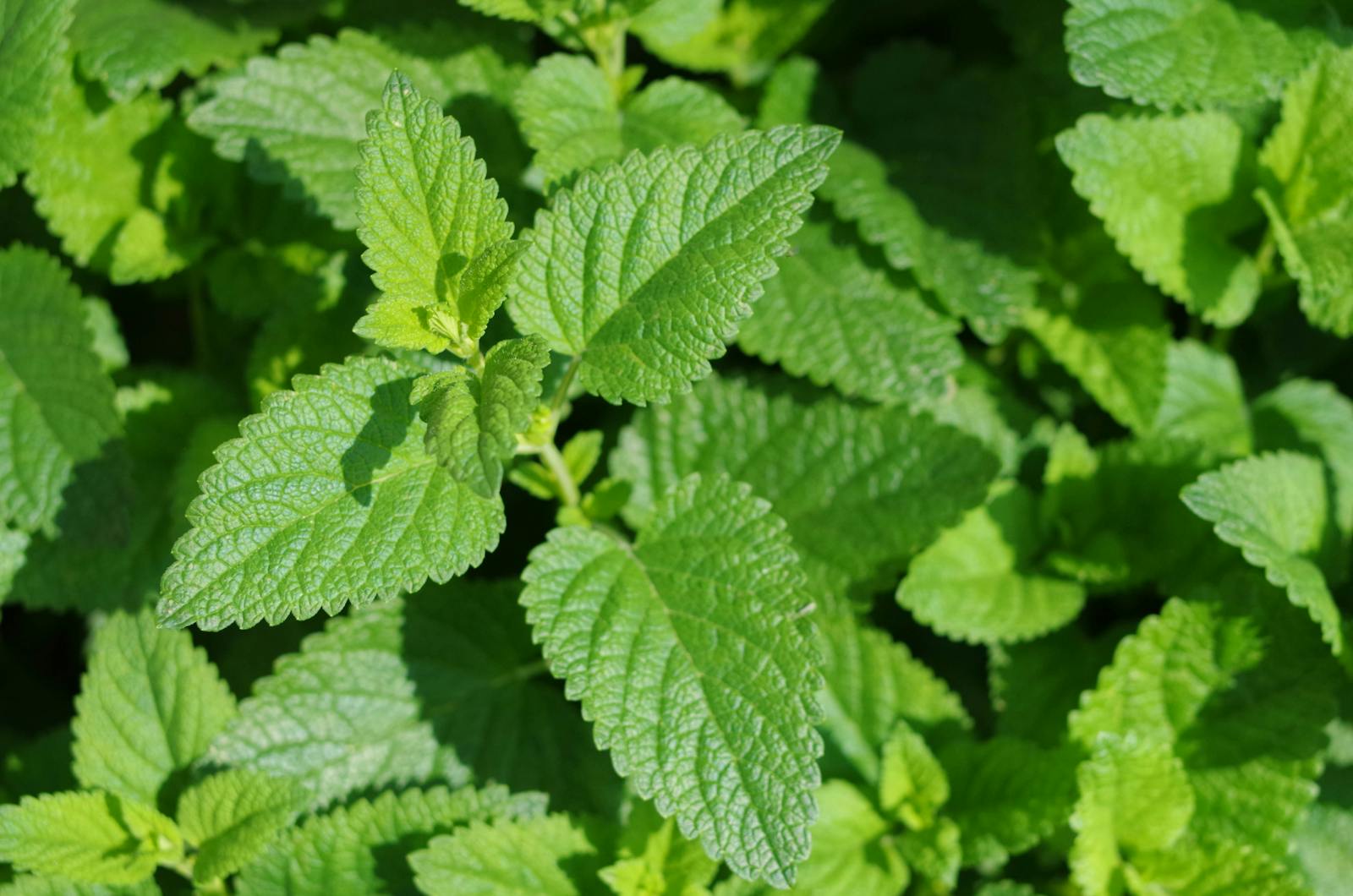
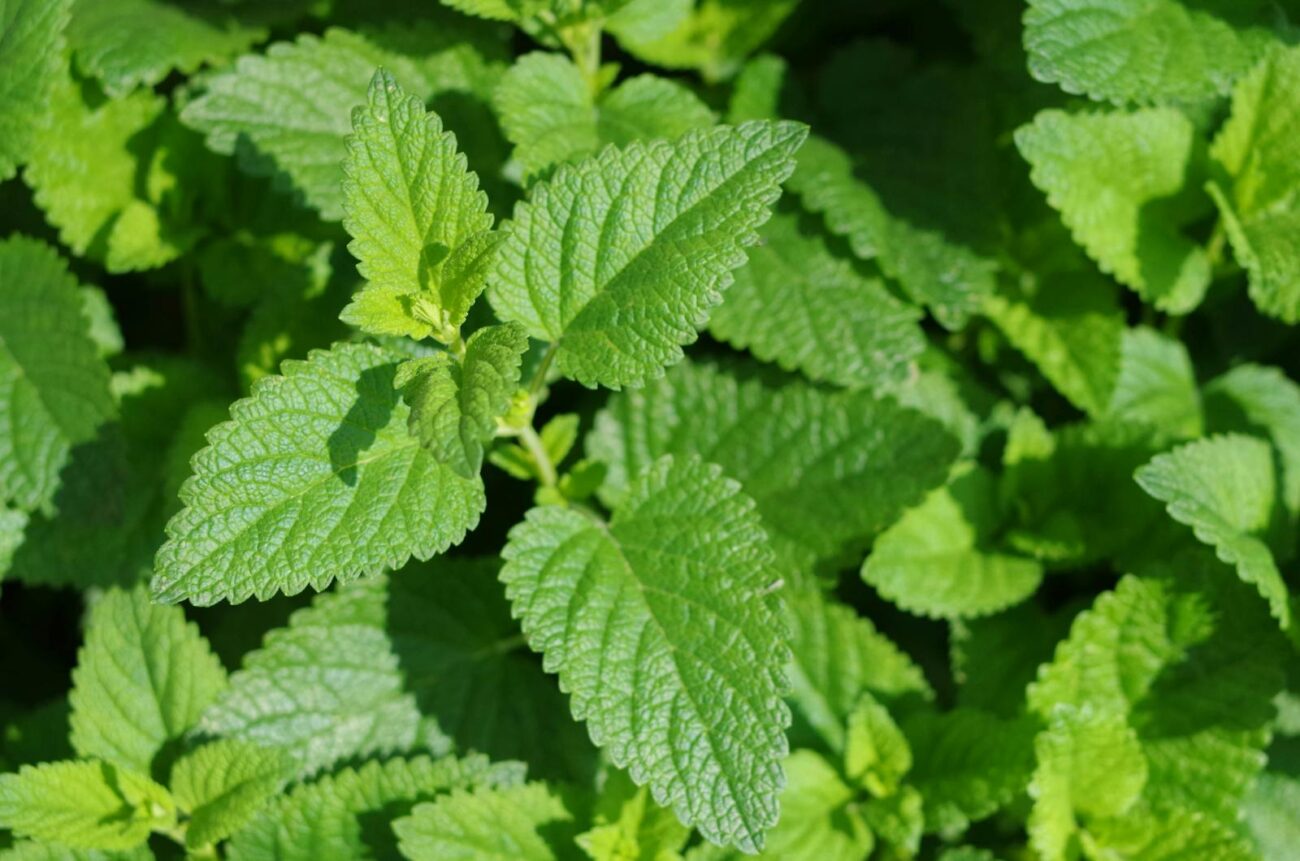
There is something I find genuinely interesting about lemon balm that most articles miss entirely. The lemon scent has nothing to do with lemons. Melissa officinalis is a Lamiaceae family member, the mint family, and its characteristic citrus-like aroma comes from volatile monoterpenoids including citral, geraniol, and linalool produced in glandular trichomes on leaf surfaces. Not a drop of actual lemon chemistry involved.
This kind of naming confusion is common in plant common names and it always makes me slightly impatient. The genus name Melissa is actually more informative. It comes from the Greek word for honeybee, reflecting how strongly bees are attracted to the flowers. That is a more honest name than lemon balm.
What I find interesting about lemon balm from a plant biochemistry perspective is rosmarinic acid. That is where the genuine mechanisms are and it is more interesting than the typical calm-herb marketing suggests.
What Rosmarinic Acid Is and Where It Comes From
Rosmarinic acid is a phenylpropanoid ester produced through the phenylpropanoid pathway from two precursors, caffeic acid and 3,4-dihydroxyphenyllactic acid. It is named after rosemary where it was first isolated but it occurs throughout the Lamiaceae family including sage, basil, thyme, oregano, and lemon balm.
In lemon balm rosmarinic acid is produced in leaf tissue primarily as a defence compound. It has direct antimicrobial activity, UV-absorbing properties that protect leaf cells from radiation damage, and antioxidant activity through its phenolic hydroxyl groups. The plant makes it for its own protection. I studied phenylpropanoid biosynthesis in detail during my plant biochemistry training and the pathway is genuinely elegant, building a suite of related defence compounds from the same amino acid precursors through branching enzymatic steps.
Lemon balm is one of the richer sources of rosmarinic acid among culinary herbs. Fresh leaves can contain 1 to 4 percent rosmarinic acid by dry weight. The concentration varies with growing conditions, harvest timing, and stress exposure. Plants under mild stress produce more phenolic defence compounds. Lemon balm harvested before flowering, when leaf secondary metabolite investment is highest, has better rosmarinic acid content than post-flower material.
The GABA Connection
Rosmarinic acid inhibits GABA transaminase, the same enzyme that valerian’s valerenic acid inhibits. Less GABA breakdown means more GABA available at synaptic junctions means more inhibitory tone in the nervous system.
When I first worked through this I thought, oh I see, so lemon balm and valerian are doing the same thing. But they are not quite. Valerenic acid also acts as a positive allosteric modulator of GABA-A receptors directly. Rosmarinic acid’s primary documented mechanism is the transaminase inhibition rather than direct receptor modulation.
The result is similar in direction but different in mechanism. Both increase GABAergic inhibitory activity. Valerian does it through two simultaneous routes. Lemon balm works primarily through one. This is part of why combining lemon balm and valerian is pharmacologically rational for sleep support. They are not just doing the same thing twice. They complement each other through partially distinct pathways.
There is also documented weak MAO-A inhibitory activity from rosmarinic acid. MAO-A inhibition increases serotonin and noradrenaline availability at synapses. The effect at normal supplement doses is far weaker than pharmaceutical MAO inhibitors but the mechanistic connection is real and worth knowing about for people on antidepressants.
The Volatile Fraction
The volatile compounds in lemon balm contribute to biological activity beyond just producing the characteristic smell.
Eugenol, a phenylpropanoid volatile present in lemon balm oil, has documented GABA-A receptor activity and mild COX enzyme inhibition. Citral, the primary contributor to the lemon scent, has anxiolytic effects in animal studies. Linalool has well-documented GABAergic activity.
I have not worked directly with essential oil chemistry in my research works. What I know about lemon balm volatile compounds comes from my plant biochemistry training covering terpene and phenylpropanoid biosynthesis and from the published research on these specific compounds. The biosynthetic pathways I studied directly. The clinical applications of the volatiles I know from literature rather than personal research experience.
The whole herb preparation delivers a more complex pharmacological picture than isolated rosmarinic acid alone. Whether that complexity produces meaningfully better effects than standardised extracts is genuinely uncertain and the clinical evidence does not clearly resolve it either way.
What the Evidence Shows
Anxiety is the best-evidenced application. Several controlled trials show reductions in anxiety scores and improvements in mood with standardised lemon balm preparations. Effect sizes are modest but consistent enough across multiple studies to be convincing.
Sleep is less directly evidenced for lemon balm alone than for valerian alone. But combination preparations of lemon balm and valerian have performed well in controlled trials for sleep quality improvement. The complementary mechanisms I described above likely explain why.
Cognitive function shows up in some trials, possibly through anxiety reduction improving cognitive performance and direct effects on cholinergic neurotransmission. This is an emerging area rather than a settled finding.
The Thyroid Question
This comes up constantly and I want to address it briefly and honestly.
Rosmarinic acid and other lemon balm compounds have documented effects on thyroid-stimulating hormone activity. There are legitimate reasons why people with thyroid conditions, particularly hyperthyroidism, are advised to discuss lemon balm use with their healthcare provider.
I am not going deeper than that here. Thyroid conditions are medical territory requiring individual clinical assessment. That conversation belongs with a doctor.
Growing and Harvest Timing
Lemon balm spreads aggressively by self-seeding and can take over a bed within a season or two. Container growing or cutting back before flowering prevents this.
Secondary metabolite concentration, particularly rosmarinic acid, peaks just before flowering when the plant invests maximum resources in leaf defence chemistry. After flowering begins the plant redirects resources toward seed production and leaf secondary metabolite content drops. Morning harvest preserves volatile compounds before heat disperses them from the trichomes.
Drying at low temperatures below 35 degrees Celsius preserves rosmarinic acid and volatile compounds better than high-temperature drying. Shade drying or freeze-drying produces better quality dried material than oven drying.
Quality Considerations
Standardised lemon balm extracts should specify rosmarinic acid content. The most studied preparations use extracts standardised to 3 to 5 percent rosmarinic acid. Products without standardisation data have unknown active compound content.
Fresh lemon balm tea made from leaves harvested just before flowering and steeped in water below boiling temperature is a legitimate preparation. Rosmarinic acid is water-soluble and extracts efficiently into hot water. Lower temperature preserves some of the volatile fraction that boiling would evaporate.
Looking for a Complete Guide to Herbal Tea?
I’ve put together a complete guide on picking good herbs, storing them so they stay fresh, and brewing each type the right way.
Covers choosing, storing, and brewing, so you get the most out of every cup.
FAQs
What does lemon balm actually do for anxiety?
Rosmarinic acid inhibits GABA transaminase reducing GABA breakdown at synaptic junctions and increasing inhibitory neurotransmitter availability. Additional contributions from eugenol and linalool in the volatile fraction add activity through partially distinct pathways. The net effect is increased inhibitory tone producing documented reductions in anxiety scores in controlled trials.
Why does lemon balm smell like lemon if it is not related to lemons?
The citrus-like aroma comes from volatile monoterpenoids including citral and geraniol produced in leaf glandular trichomes as defence chemistry. No botanical or chemical relationship to lemons. The Melissa genus name from the Greek word for honeybee is actually the more informative name.
Can lemon balm and valerian be taken together?
Pharmacologically rational combination. Valerenic acid in valerian enhances GABA-A receptor sensitivity and inhibits GABA transaminase. Rosmarinic acid in lemon balm also inhibits GABA transaminase through overlapping mechanism. The combination produces complementary GABAergic effects explaining why combination preparations have performed well in sleep trials.
Why does lemon balm affect the thyroid?
Lemon balm compounds have documented effects on thyroid-stimulating hormone activity. Anyone with a diagnosed thyroid condition should discuss lemon balm use with their healthcare provider before taking it.
When is the best time to harvest lemon balm?
Just before flowering when rosmarinic acid content peaks. Morning harvest preserves volatile compounds before heat disperses them. Dry at low temperature to preserve both phenolic and volatile fractions.
Who should not take lemon balm?
People with thyroid conditions should consult their healthcare provider. People on MAO inhibitor medications should be cautious given rosmarinic acid’s weak MAO-A inhibitory activity. People taking sedative medications should be aware of potential additive GABAergic effects. Insufficient safety data for pregnancy recommendations.

