








This article was written by Serge, MSc. Plant Biologist and Environmental Scientist with a BSc in Plant Biology and an MSc in Environmental Biology and Biogeochemistry. My background covers plant biochemistry, botany, and field research in forest and soil ecosystems. I write from real experience, not just literature.
Affiliate disclosure: This site has affiliate links, including Amazon. As an Amazon Associate I earn from qualifying purchases, at no extra cost to you.

I have always been fascinated by products that benefit both people and the environment. Over the years, I have tried many products, and some truly make a difference in daily life while reducing harm to the planet.
Eco products are among them. Understanding eco products can help you make smarter choices and support a lifestyle that protects the environment and promotes sustainability.
I want to share my experience with eco products, why I recommend them, and how you can use them in daily life. By the end of this article, you will know how to identify eco products, which types are worth trying, and the tangible benefits they offer for you and the planet.
What Is an Eco Product?
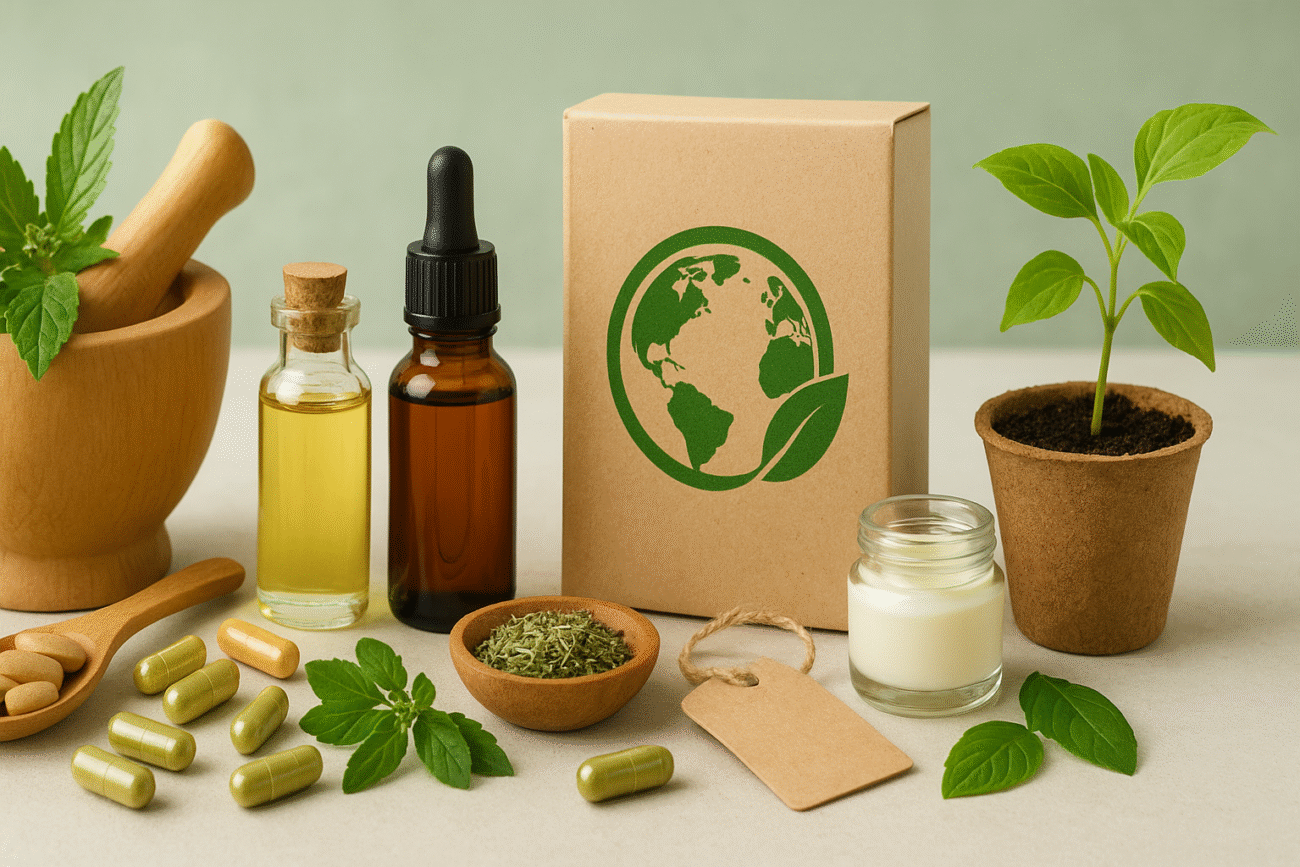
An eco product is any item that reduces negative effects on the environment during production, use, or disposal. These products often focus on sustainability, using renewable materials, minimal packaging, and eco-friendly manufacturing processes.
I have seen eco products in everyday items like cleaning supplies, personal care products, clothing, and even furniture. They are not just about being “green”; they are about making practical, safe choices that contribute to a healthier planet.
Key characteristics of eco products:
-
Made with renewable or recycled materials
-
Biodegradable or recyclable
-
Less energy or water used in production
-
Non-toxic and safe for humans
I personally recommend eco products because they often last longer, reduce waste, and improve daily life. For example, switching to a bamboo toothbrush not only helps reduce plastic waste but also feels better to use.
Types of Eco Products and Why I Recommend Them
Eco products come in many forms. I often categorize them based on their use and purpose, and here is why I recommend each type:
| Category | Examples | Why I Recommend Them |
|---|---|---|
| Personal Care | Bamboo toothbrush, natural soap, shampoo bars | Plastic-free, gentle on skin, healthier daily routine |
| Household Cleaning | Eco-friendly detergents, reusable cloths | Safer chemicals, effective cleaning, less environmental impact |
| Packaging & Storage | Compostable bags, glass jars | Reduces single-use plastic, reusable, durable |
| Clothing & Textiles | Organic cotton, hemp, bamboo fabrics | Comfortable, sustainable, less water use |
| Food & Supplements | Organic herbs, plant-based supplements | Fewer pesticides, healthier alternatives |
| Technology & Gadgets | Solar-powered devices, energy-efficient appliances | Lower energy use, reduced carbon footprint |
I always try to replace items gradually. For instance, I started with personal care items like shampoo bars and reusable cloths before moving to clothing and kitchen products. This approach made the transition smooth and sustainable.

How Eco Products Work
Eco products work by reducing environmental impact and promoting sustainable practices. Here are some ways they make a difference:
Sustainable Materials
I check if the product is made from renewable or recycled resources. Items like bamboo toothbrushes, hemp clothing, and recycled paper help reduce deforestation and landfill waste. I recommend these because they often feel more durable and high-quality.
Energy Efficiency
Some eco products use less energy during production or operation. For example, LED bulbs consume far less electricity than traditional bulbs, and solar-powered gadgets reduce dependence on fossil fuels. Over time, they save money on energy bills.
Biodegradability
Many eco products break down naturally after use. Biodegradable packaging or compostable utensils return to the soil without causing harm, unlike plastics that persist for decades. I always choose these for items I use only once.
Chemical Reduction
Eco products often avoid harmful chemicals in cleaning products, personal care, or textiles. Fewer toxins mean better health for humans and animals. I noticed fewer skin irritations and headaches after switching to eco-friendly cleaning products.
Benefits of Using Eco Products
I switched to eco products not only for the environment but also for personal well-being. Here are the key benefits I noticed:
Environmental Benefits
Reduced waste: Using reusable or biodegradable items lowers landfill contributions.
Lower carbon footprint: Eco products often use less energy or renewable resources.
Conservation of water and energy: Many eco products are manufactured using sustainable practices.
Personal Benefits
Healthier choices: Natural ingredients in food, cleaning products, and personal care are better for the body.
Cost savings over time: Reusable items like cloth bags or glass containers reduce repeated purchases.
Social Benefits
Support ethical brands: Many eco products come from companies that prioritize fair labor and sustainability.
Promote awareness: Choosing eco products encourages others to consider environmental impact.
I personally recommend eco products because they improve quality of life, make simple daily tasks safer, and contribute to long-term savings.
How to Identify Eco Products
I have learned that spotting eco products is easier than it seems. Here’s a checklist I use:
Look for labels like biodegradable, compostable, or recyclable.
Check the material: bamboo, glass, organic cotton, or recycled content.
Examine packaging: minimal plastic, reusable, or recyclable.
Research brand practices: do they use sustainable production methods?
I recommend starting with items that you use frequently, it’s easier to see the impact when replacing products you use every day.
FAQs
Are eco products more expensive?
Some eco products may cost more upfront, but reusable and long-lasting items save money over time.
Can eco products be used daily?
Yes. Many eco products, from toothbrushes to detergents, are suitable for everyday use.
Are eco products really better for health?
Many eco products avoid toxic chemicals, which can benefit skin, respiratory health, and overall well-being.
How do I start using eco products at home?
I started small by replacing single-use items with reusable alternatives like cloth bags, bamboo utensils, and glass jars. Gradually, I replaced more items.
Are eco products available everywhere?
Many eco products are now widely available online and in stores, from cleaning supplies to personal care items.
Tips for Switching to Eco Products
I found these strategies helpful for gradually transitioning:
-
Start with high-impact swaps: Replace items that create the most waste, like plastic bags and disposable utensils.
-
Choose reusable alternatives: Glass jars, stainless steel containers, and cloth bags last for years.
-
Check labels: Look for biodegradable, organic, or recyclable certifications.
-
Support sustainable brands: Research companies that prioritize eco-friendly practices.
-
Experiment and learn: I tried different eco products until I found the ones that fit my routine.
My Favorite Eco Products and Why I Recommend Them
Here are a few items I use daily that combine practicality and sustainability, and why I trust them:
| Product Type | Brand/Example | Reason I Recommend |
|---|---|---|
| Toothbrush | Bamboo Basics | Biodegradable, gentle on gums, lasts long |
| Shampoo Bar | Ethique | Plastic-free, lasts longer, natural ingredients |
| Cleaning Cloths | E-Cloth | Reusable, reduces chemicals, highly effective |
| Reusable Bag | ChicoBag | Durable, eliminates single-use plastic, easy to carry |
| Glass Storage Jars | Ball Mason Jars | Reusable, keeps food fresh, multipurpose |
I recommend these products because they are simple swaps that improve everyday life while helping the planet.
Check Out Eco Products for Your Home
I’ve explored a lot of eco products, and if you want to start making sustainable choices, I suggest checking out the Eco Products Shop Section.
You’ll find a variety of items for everyday life, from reusable bags to eco-friendly personal care products that help you live more sustainably and protect the planet.
Start exploring today and see the difference small, conscious choices can make!
Conclusion
Eco products are more than just environmentally friendly items; they improve health, reduce waste, save money, and promote ethical practices.
By understanding what they are, identifying high-quality options, and gradually incorporating them into daily life, I have noticed both personal and environmental benefits.
I recommend starting small and building up. Even replacing one or two everyday items can make a noticeable difference. With eco products, your choices matter every day, and the impact grows over time.

