







This article was written by Serge, MSc. Plant Biologist and Environmental Scientist with a BSc in Plant Biology and an MSc in Environmental Biology and Biogeochemistry. My background covers plant biochemistry, botany, and field research in forest and soil ecosystems. I write from real experience, not just literature.
Affiliate disclosure: This site has affiliate links, including Amazon. As an Amazon Associate I earn from qualifying purchases, at no extra cost to you.
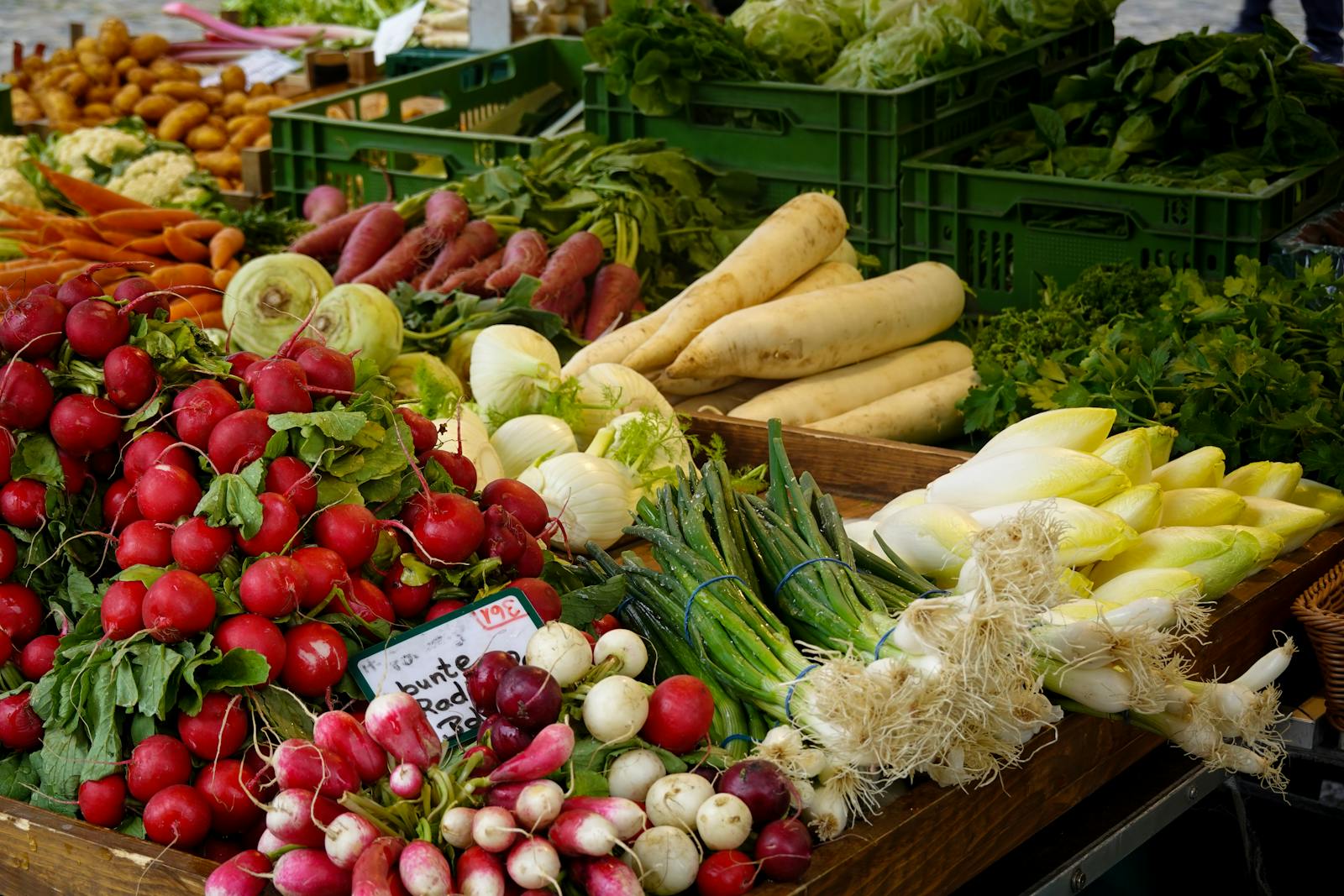
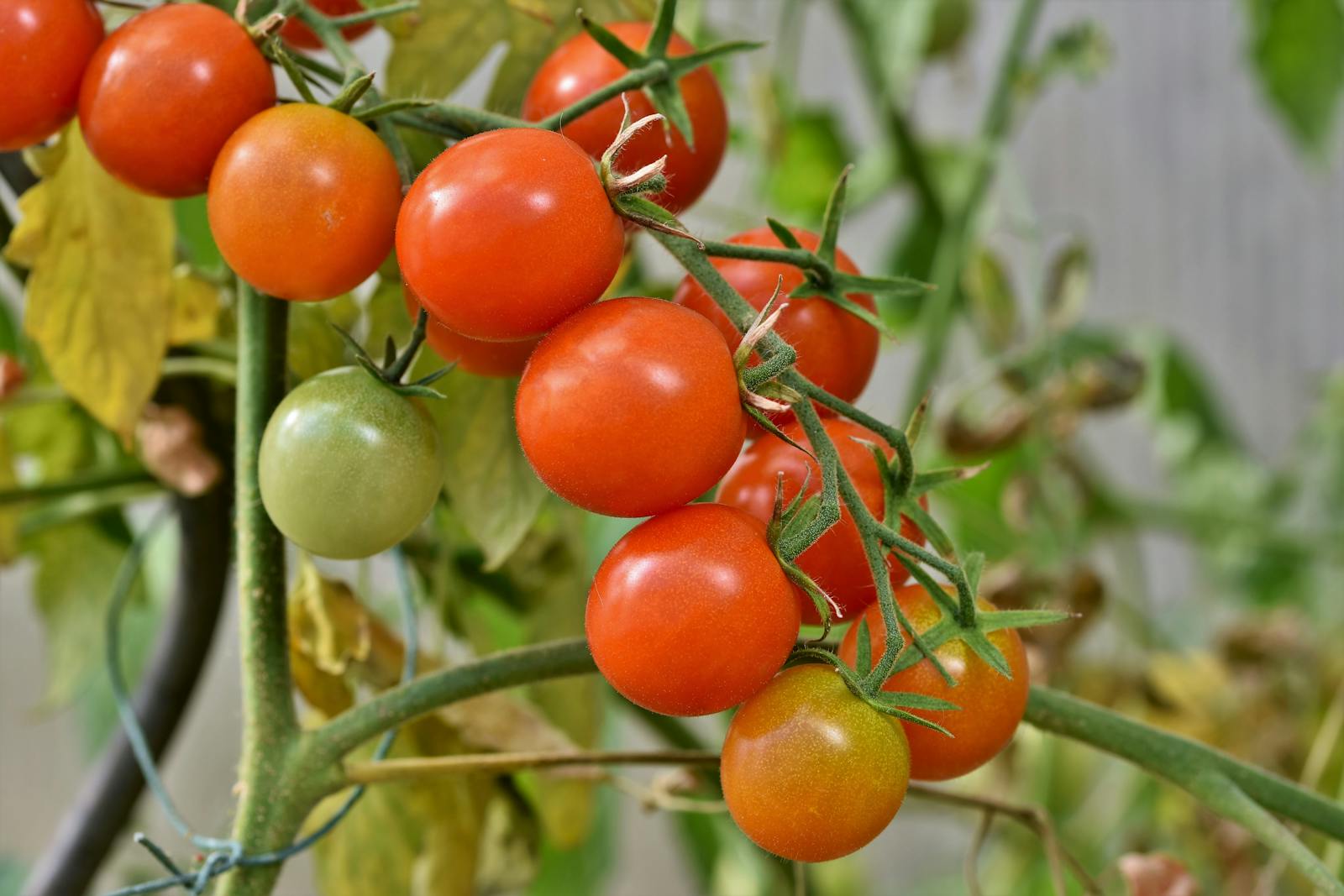
I have eaten enough tasteless supermarket tomatoes to know something is missing. Not just freshness. The flavour is hollow in a way that is hard to describe until you eat a tomato that was allowed to ripen on the plant. Then the difference is obvious and you cannot un-notice it.
That difference has a biochemical explanation, and so does much of the case for local organic produce. Understanding it changed how I think about food choices far more than any health marketing ever did.
What Organic Farming Does to Soil Biology
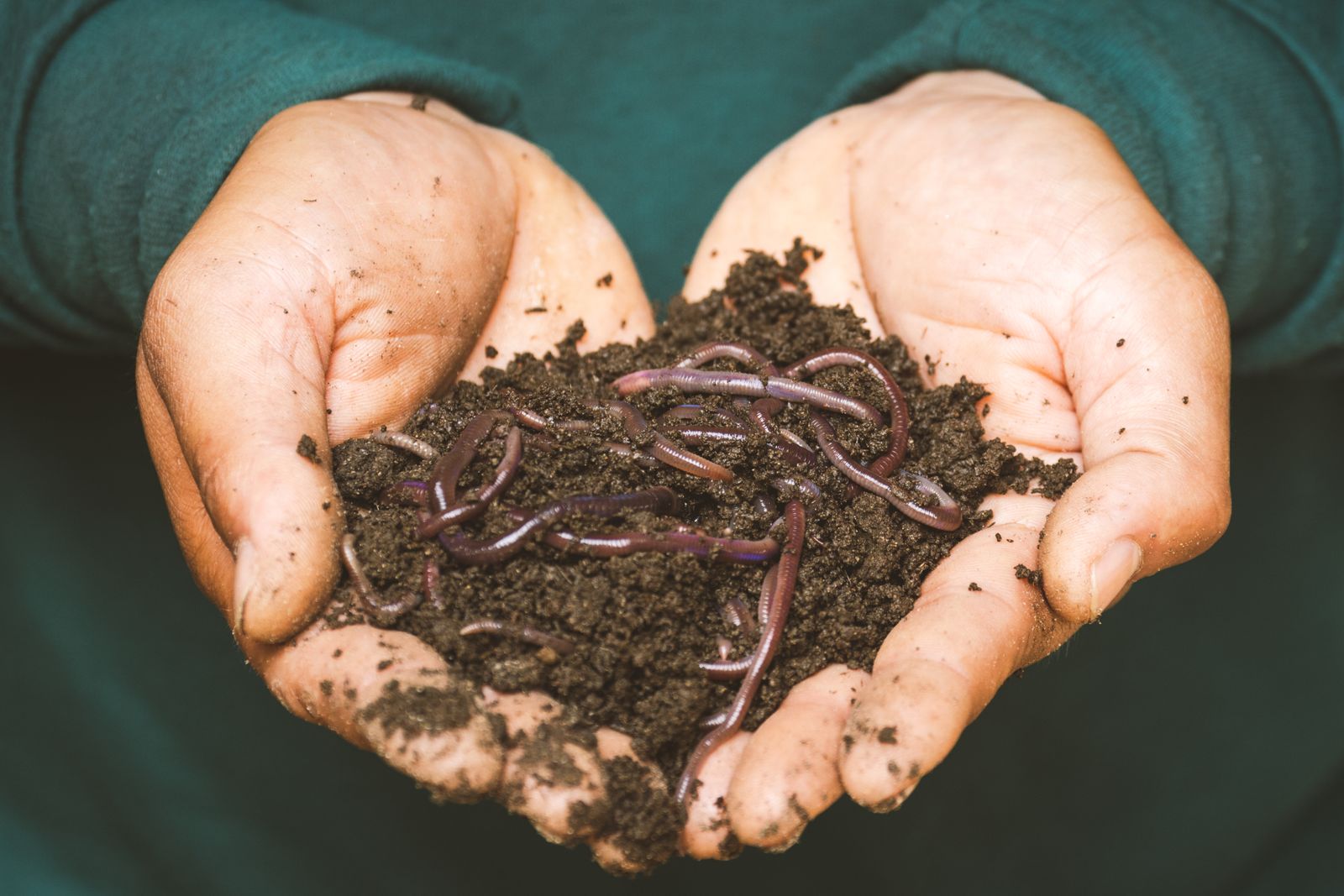
Conventional farming with synthetic fertilisers and pesticides produces high yields but can progressively deplete the biological community that makes soil productive.
Synthetic fertilisers deliver nutrients directly to plants, and when nitrogen and especially phosphorus are artificially abundant, plants invest less in their partnerships with mycorrhizal fungi, the networks I explain in mycorrhizal fungi in garden soil.
Pesticide applications, even when aimed at specific pests, also affect non-target soil organisms, including the bacteria, fungi and invertebrates that drive nutrient cycling.
During my biogeochemistry studies I worked through data on how soil organic matter and microbial communities regulate nutrient availability under different land management systems. The key finding was that soil fertility is not simply a function of nutrient concentration.
It is a function of the biological activity that transforms nutrients into plant-available forms, builds soil structure, and maintains the carbon cycling that keeps soil productive over time. I explore that carbon side in soil temperature, carbon cycling and plant quality.
I remember the moment this landed properly. We were analysing how microbial communities respond to different management practices, and the difference between biologically active soil and depleted soil was not subtle in the numbers. It was stark.
And it showed up directly in how plants grew and what they produced. That data stuck with me far longer than any textbook description of soil chemistry.
Organic farming practices support that biological community rather than bypassing it. Over time, the result is higher soil organic matter, better soil structure and more active nutrient cycling. These are measurable differences that show up clearly in long-term comparisons of organic and conventional farm soils, and they reflect the whole soil food web working as it should.
The Carbon Argument for Local Food
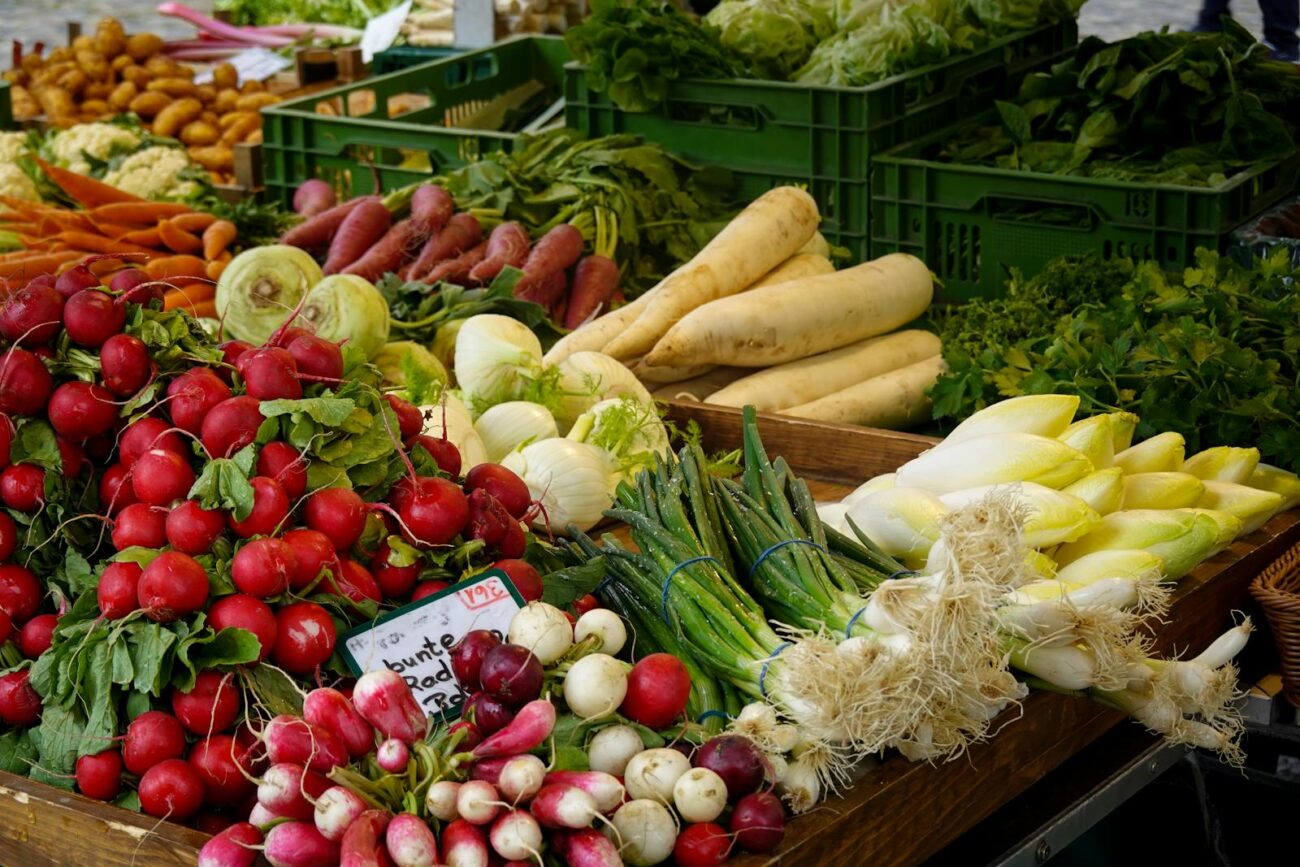
Food transport contributes to the carbon footprint of what we eat, but it is usually a smaller share than people assume. For most foods, the farming system produces more emissions than the distance the food travels.
A tomato grown in a heated greenhouse nearby can have a higher carbon footprint than one grown in a field further away. The big exception is air-freighted produce, where transport emissions can dominate.
The more compelling carbon argument for local food is about transparency. When you buy from a local farmer, you can ask how they manage their soil. Do they use cover crops? Do they reduce tillage? Do they apply compost?
These practices determine whether farmland is building or depleting soil carbon, and that question sits directly in the biogeochemical framework I studied for years.
A local farmer at a market can answer those questions directly. I have asked them. The ones who build soil health talk about it with genuine enthusiasm, because it is their real competitive advantage. A supply chain spanning several countries cannot give you that conversation.
What Organic Certification Does and Does Not Tell You
Organic certification tells you about chemical inputs. Synthetic pesticides and fertilisers are banned, although some approved natural pesticides, such as copper compounds and pyrethrins, are still allowed. What certification does not tell you about is soil management quality, tillage frequency, cover crop use or soil organic matter levels.
Two organic farms can have very different soil biology and carbon profiles, depending on how actively they build soil health beyond avoiding synthetic inputs.
My ecotoxicology training covered how pesticide residues move through ecosystems and accumulate in soil and water. The case for avoiding synthetic pesticides goes beyond human health. Residues in soil affect non-target organisms, including soil insects, earthworms and the microbial communities that drive decomposition and nutrient cycling. Organic farming removes much of this pressure on soil biology.
But organic certification alone does not guarantee healthy soil. An organic farm that tills frequently and adds little organic matter can have poorer soil biology than a conventional farm using reduced tillage with high organic matter returns, the approach I describe in no-till gardening and soil biology. The label is a starting point, not the whole story.
Why Seasonal Produce Tastes Different: The Secondary Metabolite Explanation
Back to that tasteless supermarket tomato. The explanation is not just that it was picked unripe. It is that the full sequence of secondary metabolite accumulation never completed.
Plants produce secondary metabolites, the compounds responsible for much of their flavour, colour and nutritional value, in response to the conditions they develop in. Light intensity, temperature swings and the slow maturation that comes with natural seasonal rhythms all influence how much of these compounds build up in a fruit or leaf.
I explain why plants make these compounds, and how they reach your plate, in phytochemicals in food.
My plant biochemistry studies covered secondary metabolite biosynthesis in detail, including the phenylpropanoid pathway that produces flavonoids and aromatic compounds, and the terpenoid pathway that produces carotenoids like lycopene.
Tomato aroma alone comes from dozens of volatile compounds, built from carotenoids, fatty acids and amino acids, and a tomato ripened in the field in its natural season accumulates far more of them than one forced in a greenhouse and picked early. The flavour your taste buds detect is real chemistry, not imagination.
Two other factors widen the gap. Many supermarket varieties carry a “uniform ripening” trait, bred in so the fruit turns evenly red, which also lowers its sugar content and flavour. And storing tomatoes in the fridge, below about 12 degrees Celsius, permanently reduces their flavour volatiles. A fully ripened field tomato in August and a February greenhouse tomato may be the same species, but chemically they are very different foods.
Growing Your Own: What the Soil Biology Shows
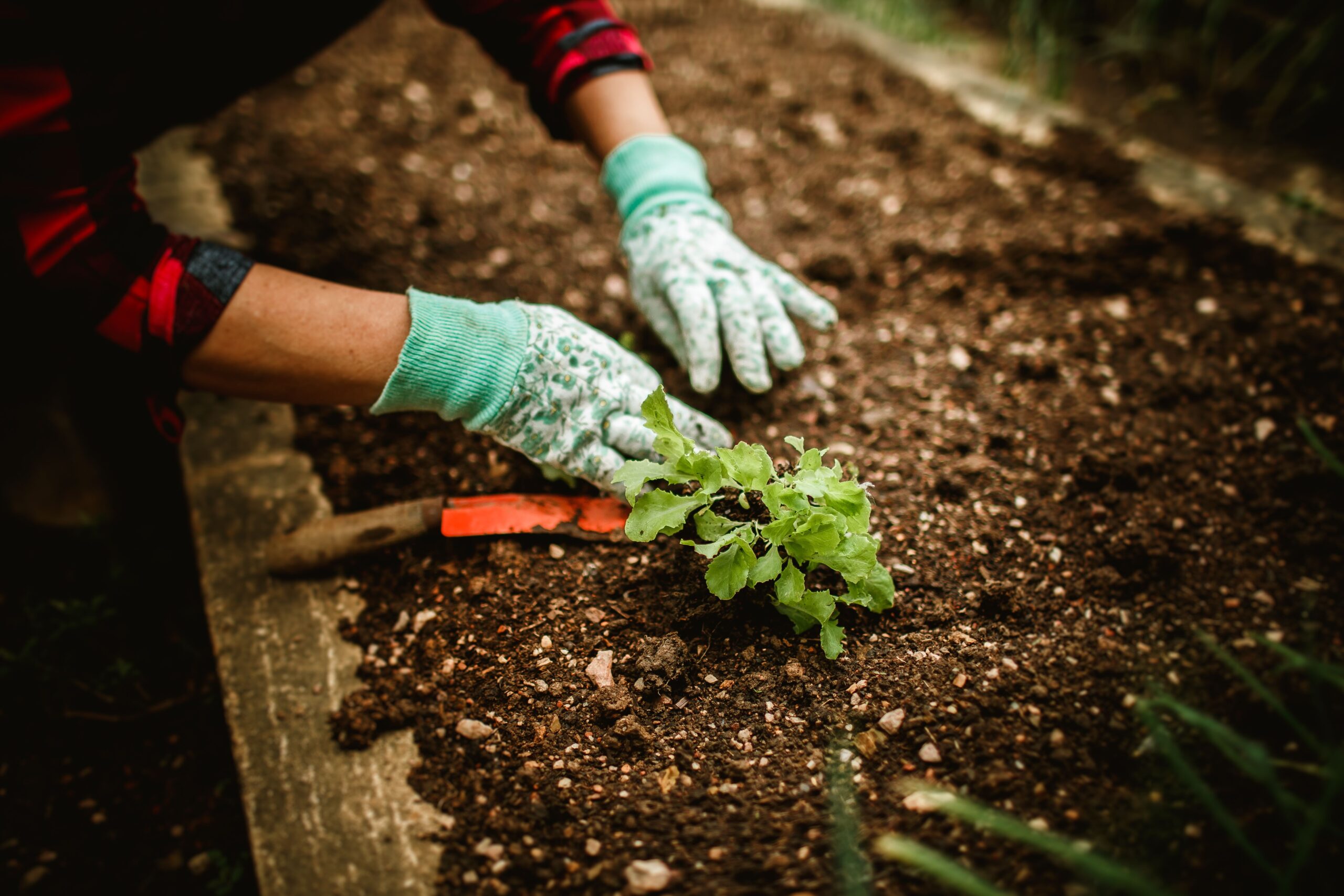
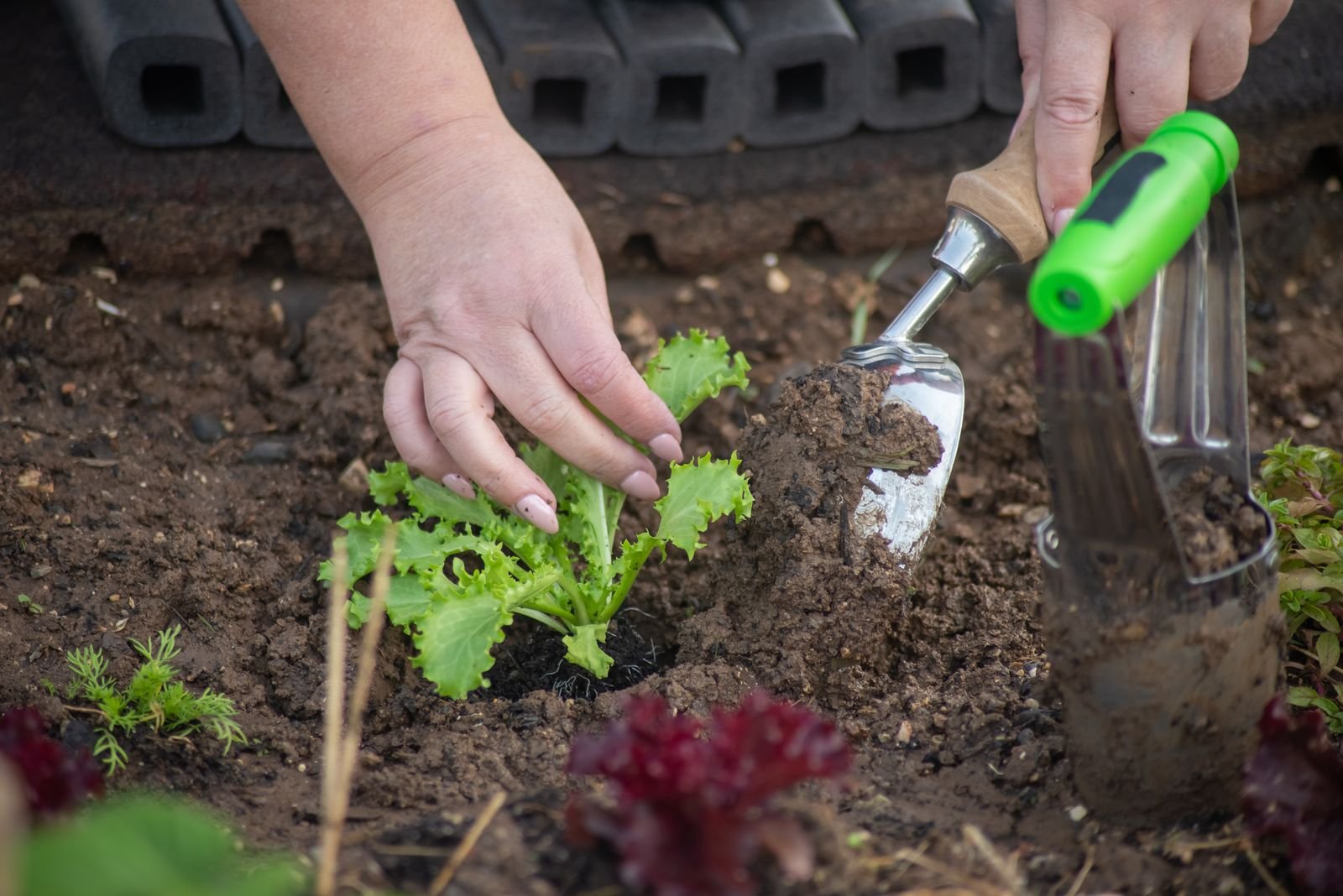
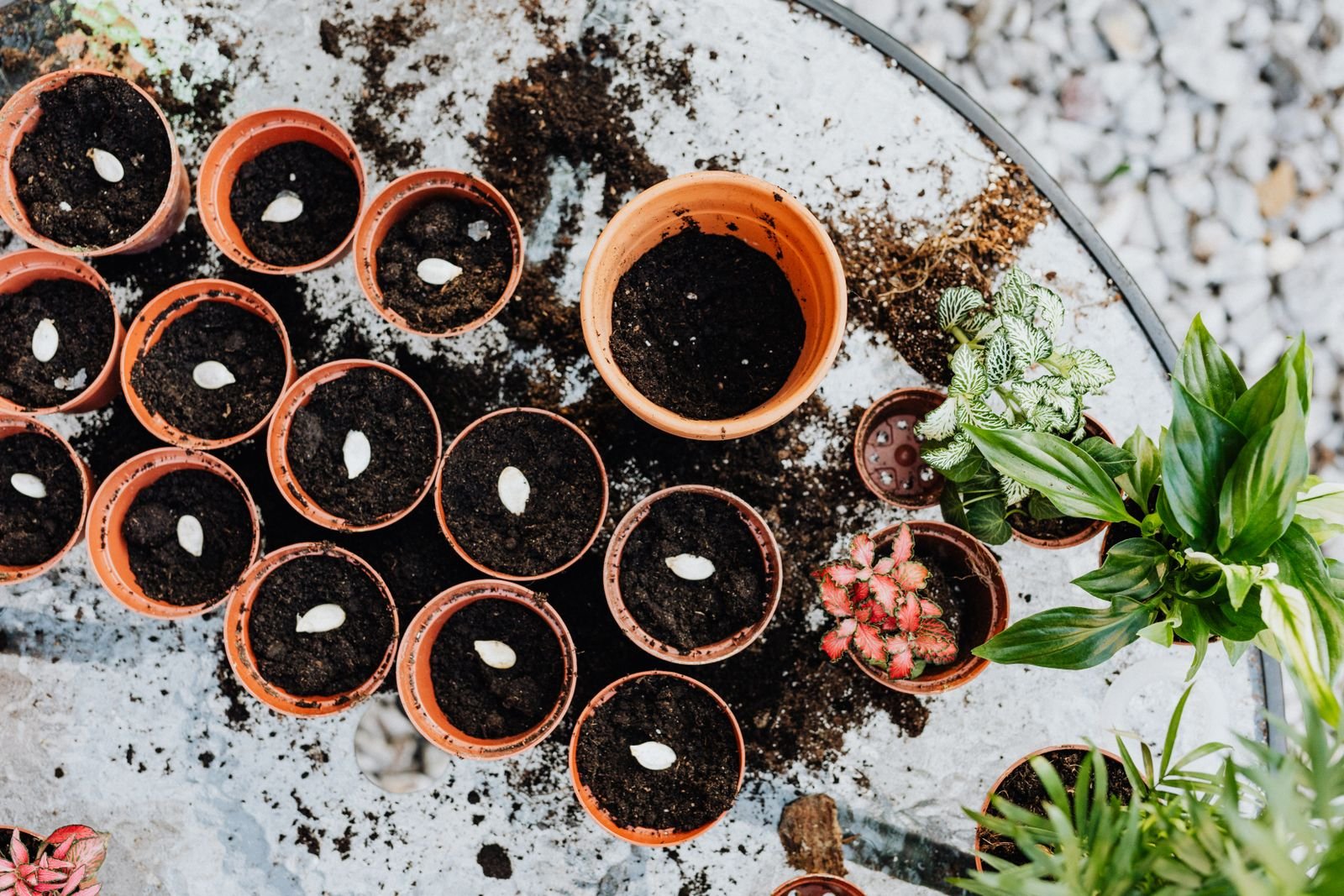
Growing even a small amount of your own food with compost and reduced tillage puts you in direct contact with the soil biology that produces food quality. How composting works explains the biology behind good compost, and my free compost ratio calculator helps you balance your heap.
What I find consistently interesting, when talking to people who grow their own food with good soil practices, is that they stop being able to eat supermarket equivalents without noticing the difference. It is not snobbery. Once you have tasted a carrot or lettuce from genuinely healthy soil, the comparison with industrially produced alternatives becomes uncomfortable.
The connection between soil biological activity, secondary metabolite production and flavour is something I find compelling precisely because it runs through the same biogeochemical and plant biochemistry frameworks I studied.
The taste difference in a home-grown tomato is not a lifestyle choice. It is a measurable outcome of soil biology. And if your first harvests disappoint, my guide Why Your Vegetables Failed helps you work out what went wrong.
Practical Steps
Ask about soil, not just labels. Visit farmers markets and ask about soil management practices, not only organic certification. Farmers who build soil health through cover crops, compost and reduced tillage tend to talk about it openly, because it is what sets their produce apart.
Choose seasonal produce. Seasonal produce has developed under the conditions it evolved for, which generally means higher secondary metabolite concentrations than out-of-season forcing. Keep tomatoes out of the fridge to protect their flavour.
At home, build soil before chasing yield. A smaller harvest from healthy soil produces better flavour and nutritional quality than a larger harvest from depleted soil with heavy inputs. If you are not sure what your soil needs first, my Soil Fix Decision Sheet walks you through the choices.
Frequently Asked Questions
Is organic produce more nutritious?
Research shows mixed results overall. The clearest differences appear in specific secondary metabolites, including polyphenols and flavonoids, which several large reviews have found to be higher in organically grown produce.
The difference is more consistent for some crops than others, and depends heavily on specific farming practices beyond certification alone.
Does local food always have a lower carbon footprint?
Not automatically. For most foods, transport is a smaller part of the carbon footprint than the farming system, with air-freighted produce the main exception. The carbon case for local food is strongest when it also means buying from farmers who use soil-building practices like compost, cover crops and reduced tillage.
What should I ask a local farmer about their soil practices?
Ask whether they use cover crops, how often they till, whether they add compost or other organic matter, and how they manage soil between crops. Farmers who are building soil health tend to answer these questions enthusiastically.
Does organic certification guarantee healthy soil?
No. Organic certification confirms the absence of synthetic inputs. It does not address tillage frequency, organic matter management or soil biology. It is a useful starting point, but not the whole story.
Why does seasonal produce taste better?
Seasonal produce develops under the temperature, light and timing conditions the plant evolved for, which allows full accumulation of the secondary metabolites responsible for flavour and colour.
Out-of-season produce grown under artificial conditions, or picked unripe for transport, does not complete this development. Variety and storage matter too, and refrigeration in particular dulls tomato flavour.
How do I find good local produce?
Farmers markets are the most direct route, and community-supported agriculture schemes provide regular boxes from local farms. When buying, ask about farming practices rather than just looking for organic labels. The conversation itself tells you a lot about how seriously a producer takes soil health.

