












This article was written by Serge, MSc. Plant Biologist and Environmental Scientist with a BSc in Plant Biology and an MSc in Environmental Biology and Biogeochemistry. My background covers plant biochemistry, botany, and field research in forest and soil ecosystems. I write from real experience, not just literature.
Affiliate disclosure: This site has affiliate links, including Amazon. As an Amazon Associate I earn from qualifying purchases, at no extra cost to you.
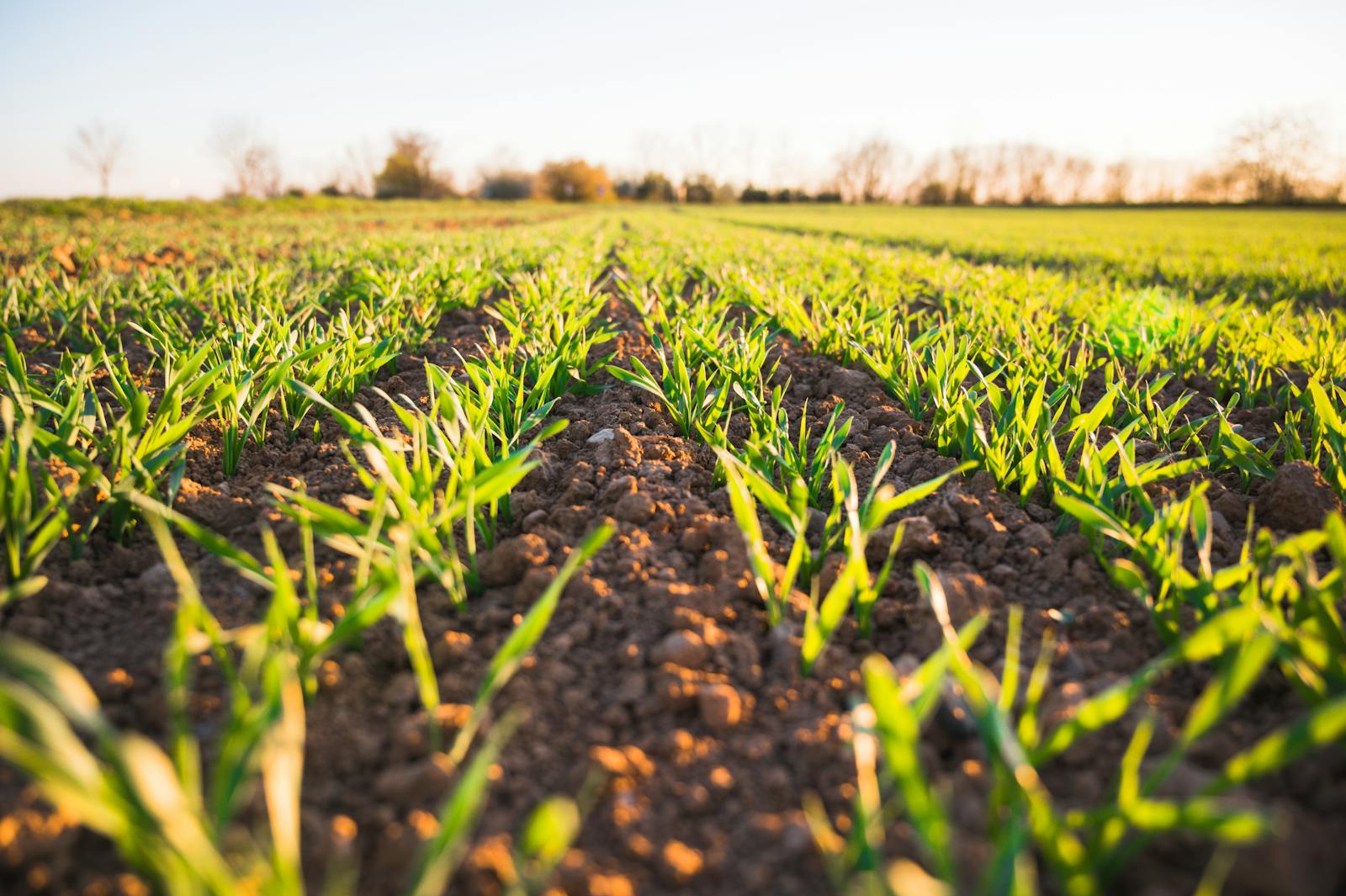
Most discussions about food and climate change focus on what comes out of the smokestack or the exhaust pipe. The more interesting story is what happens underground.
I spent significant time during my research measuring soil CO₂ efflux, the rate at which carbon moves from soil to atmosphere through root and microbial respiration. What that work taught me is that soil is not a passive substrate. It is an active carbon reservoir, and how we manage it through agriculture determines whether it stores carbon or releases it.
That perspective changes how I think about food choices and sustainability. The carbon footprint of what you eat is not just about transport miles or packaging. It is about what happened to the soil that grew it.
How Soil Carbon Works
Soil contains more carbon than the atmosphere and all living plants combined. That carbon is held in organic matter, microbial biomass, and root systems. When soil is healthy and undisturbed, it accumulates carbon over time. When it is disturbed, compacted, or stripped of organic matter, it releases that stored carbon as CO₂.
My biogeochemistry training covered the nitrogen and carbon cycles in detail. The key insight is that soil carbon is not static. It turns over continuously through microbial decomposition, root respiration, and photosynthetic input from plants. The balance between inputs and outputs determines whether a given piece of land is a carbon sink or a carbon source.
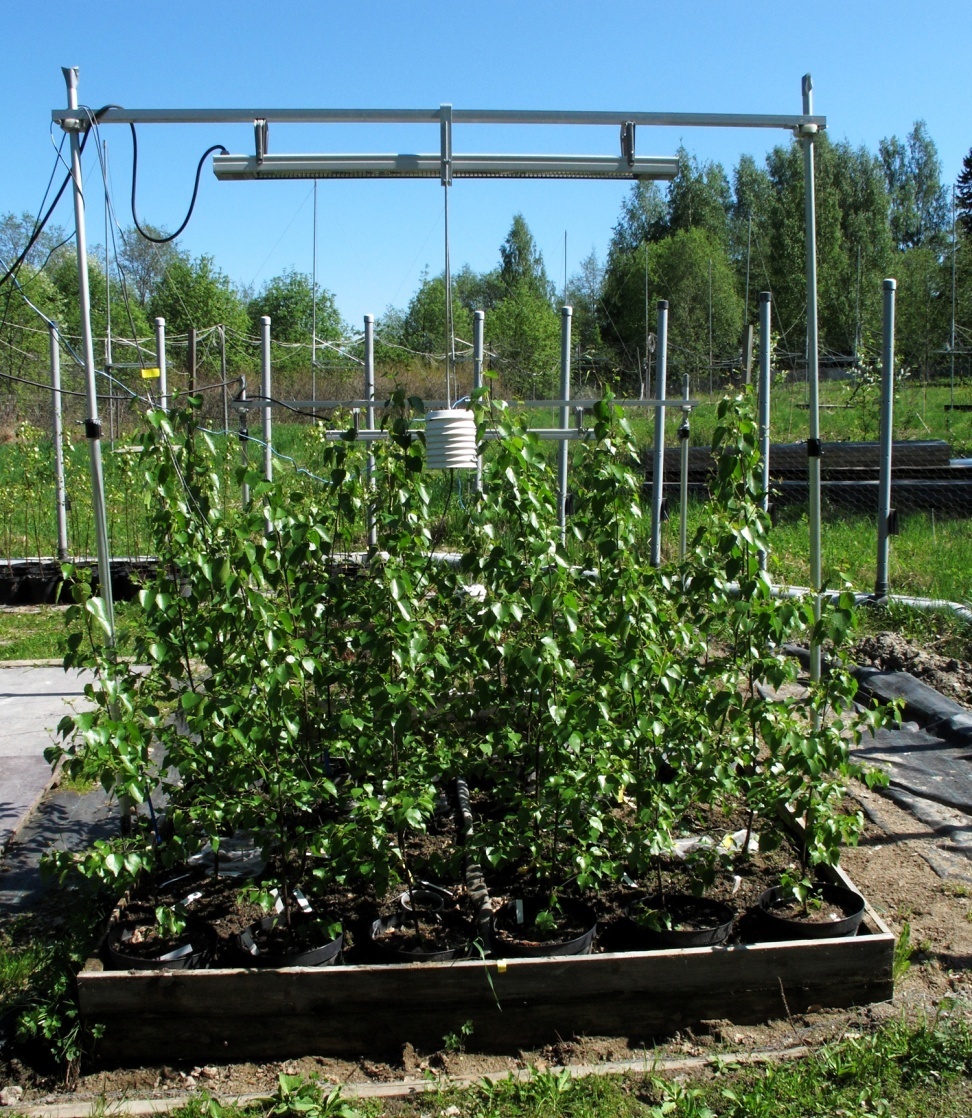
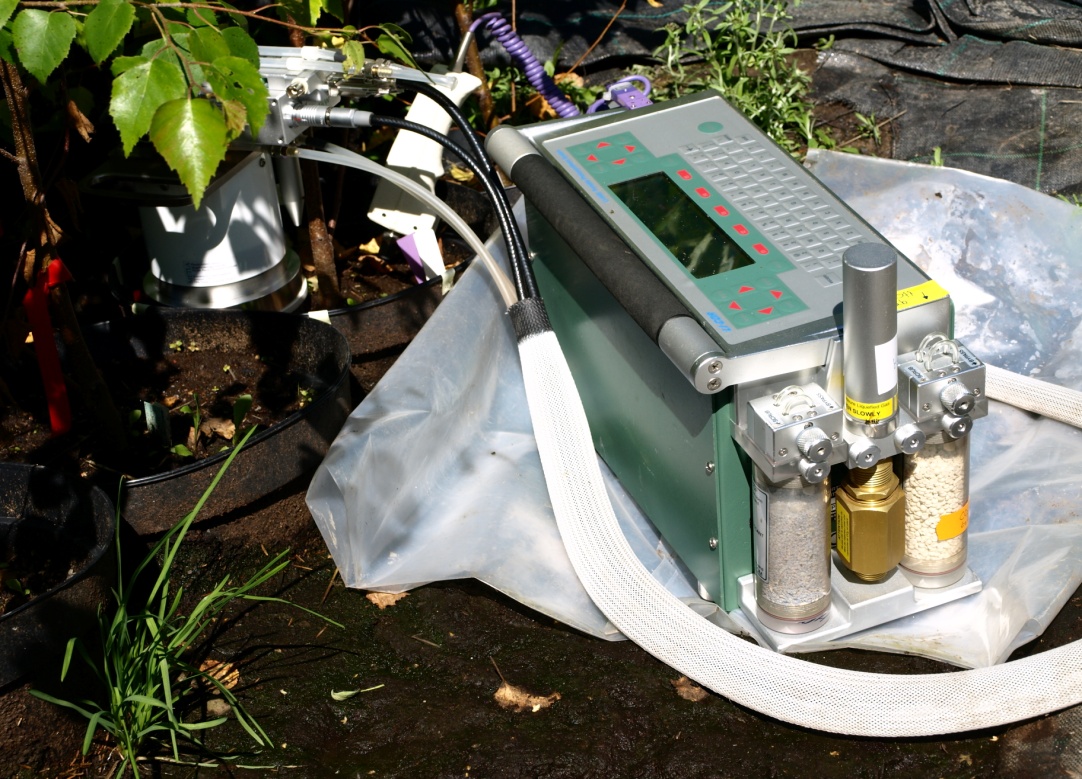
In my field research I measured soil respiration directly using a LICOR chamber at 2cm soil depth. Even modest temperature increases shifted respiration rates measurably, with some genotypes showing 36% increases in CO₂ efflux under warming conditions. That is the kind of change that scales to significant carbon release across agricultural landscapes under climate warming scenarios.
What This Means for Food Production
Different food production systems have radically different effects on soil carbon dynamics.
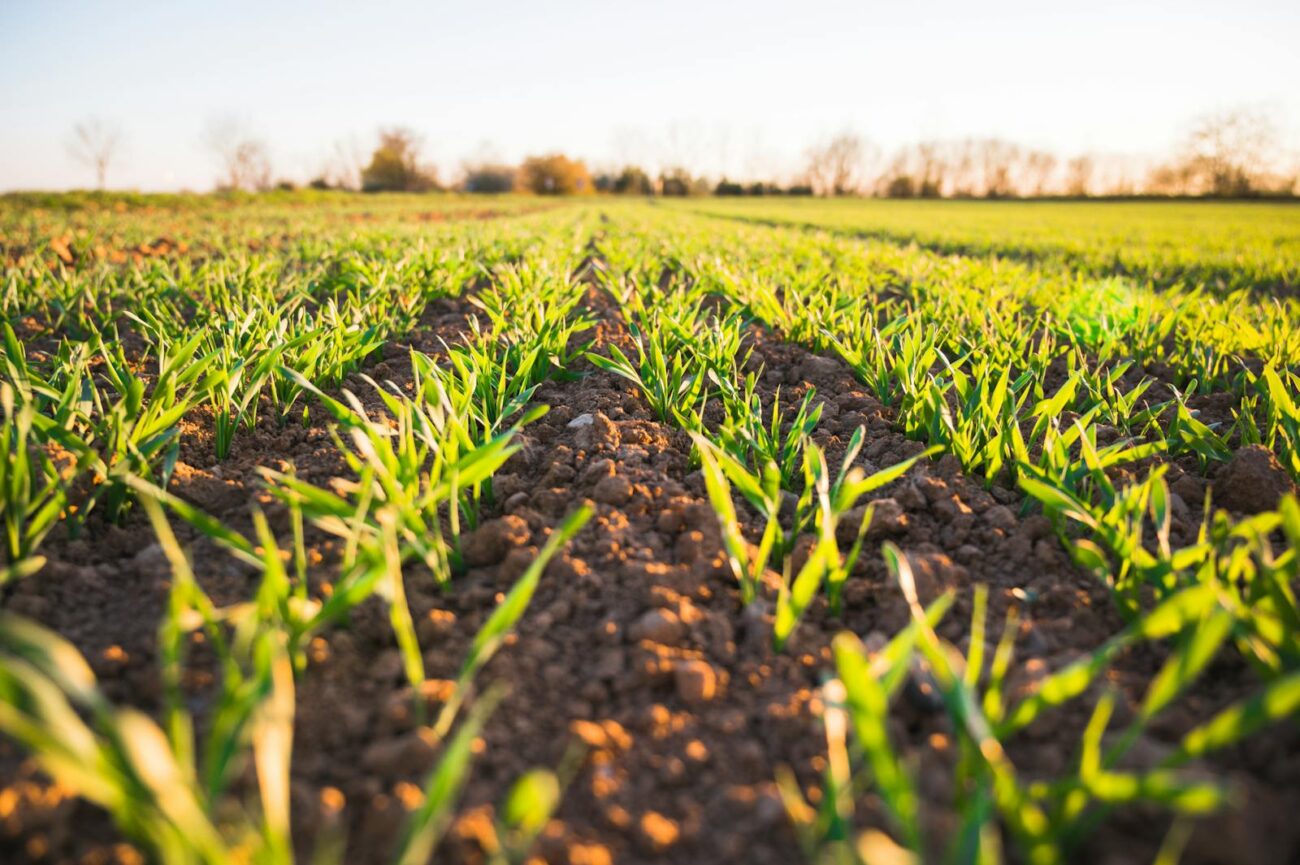
Intensive tillage-based agriculture disrupts soil structure, breaks up fungal networks, exposes organic matter to rapid microbial decomposition, and accelerates carbon loss. Fields tilled repeatedly over decades can lose 50-70% of their original soil organic carbon. That carbon goes into the atmosphere.
Livestock systems vary enormously. Intensively managed feedlot systems with high inputs and bare soil are carbon sources. Well-managed grassland systems with continuous ground cover and diverse root systems can actually sequester carbon, with some studies showing net carbon accumulation under rotational grazing management.
Plant-based food systems are not automatically carbon-neutral. Soy monocultures replacing tropical forest are among the highest carbon-cost land use changes possible. Vegetable production on intensively tilled, chemically fertilised land can have a surprisingly high carbon footprint per calorie despite producing no animal products.
The honest answer is that soil management matters more than whether a food is plant or animal derived.
The Foods With the Strongest Evidence for Lower Carbon Impact
That said, the data consistently shows that certain food categories have lower average carbon footprints than others, primarily because of how efficiently they convert land and inputs into calories and protein.
Legumes are the standout category. Lentils, chickpeas, beans, and peas fix atmospheric nitrogen through Rhizobium root symbioses, as I covered in my article on botanical names of food crops. This reduces synthetic fertiliser requirements dramatically. Biological nitrogen fixation can supply 100 to 300 kg of nitrogen per hectare per year, replacing the most carbon-intensive input in conventional crop production.
Perennial crops and tree crops generally have better soil carbon profiles than annual crops because they maintain continuous root systems, reduce tillage requirements, and contribute organic matter to soil year-round. Fruit trees, nut trees, and perennial vegetables support the kind of stable soil microbial communities that build carbon rather than deplete it.
Locally grown vegetables and herbs in well-managed garden soil with minimal disturbance can have extremely low carbon footprints, particularly when compost is used instead of synthetic fertiliser. I covered the soil biology behind this in more detail in my article on herbal terroir.
Where Animal Products Fit
Ruminant livestock, cattle and sheep, produce methane through enteric fermentation, a genuine and significant greenhouse gas contribution. The global livestock sector accounts for a substantial proportion of agricultural emissions and this is well supported by data.
However the picture is not uniform. Grass-fed beef on permanent pasture managed with rotational grazing has a meaningfully different carbon profile from feedlot beef, partly because well-managed grassland soil sequesters carbon that partially offsets methane emissions. The difference between the best and worst managed systems is larger than the difference between average plant and animal foods.
Poultry and pork have lower methane footprints than ruminants. Eggs and dairy have intermediate profiles. The comparison table below shows average figures, but actual values vary substantially with production system.
| Food | Average GHG emissions kg CO₂ equivalent per kg | Notes |
|---|---|---|
| Beef (feedlot) | 27 | Highest due to methane and land use |
| Dairy milk | 3.2 | Varies significantly with management |
| Eggs | 4.8 | Lower than most meat |
| Chicken | 6.9 | Lower methane than ruminants |
| Lentils | 0.9 | Nitrogen fixation reduces inputs |
| Tofu | 2.0 | Depends on soy sourcing |
| Vegetables | 0.4 to 2.0 | Wide range by production system |
What the Biogeochemistry Actually Suggests
Based on my training and research background, the most useful framework for thinking about food and carbon is not plant versus animal. It is soil management and nitrogen efficiency.
Foods produced in systems that maintain soil organic matter, minimise tillage, use biological nitrogen fixation, and keep continuous ground cover tend to have lower carbon footprints regardless of whether they are plant or animal derived. Foods produced in systems that deplete soil carbon, rely heavily on synthetic nitrogen, and require repeated tillage have higher carbon costs regardless of the category.
For practical food choices this means: legumes and pulses as primary protein sources are strongly supported by the data. Vegetables and herbs from well-managed soil with compost and minimal disturbance are among the lowest impact foods available. Reducing ruminant meat consumption has the largest single dietary impact on personal food carbon footprint. Supporting producers who talk openly about soil management and land practices is more meaningful than choosing organic labels alone.
Practical Steps
These are the changes with the strongest evidence for reducing food-related carbon impact:
Increase legume consumption. Lentils, chickpeas, beans, and peas provide protein at a fraction of the carbon cost of meat and actively improve soil nitrogen wherever they are grown.
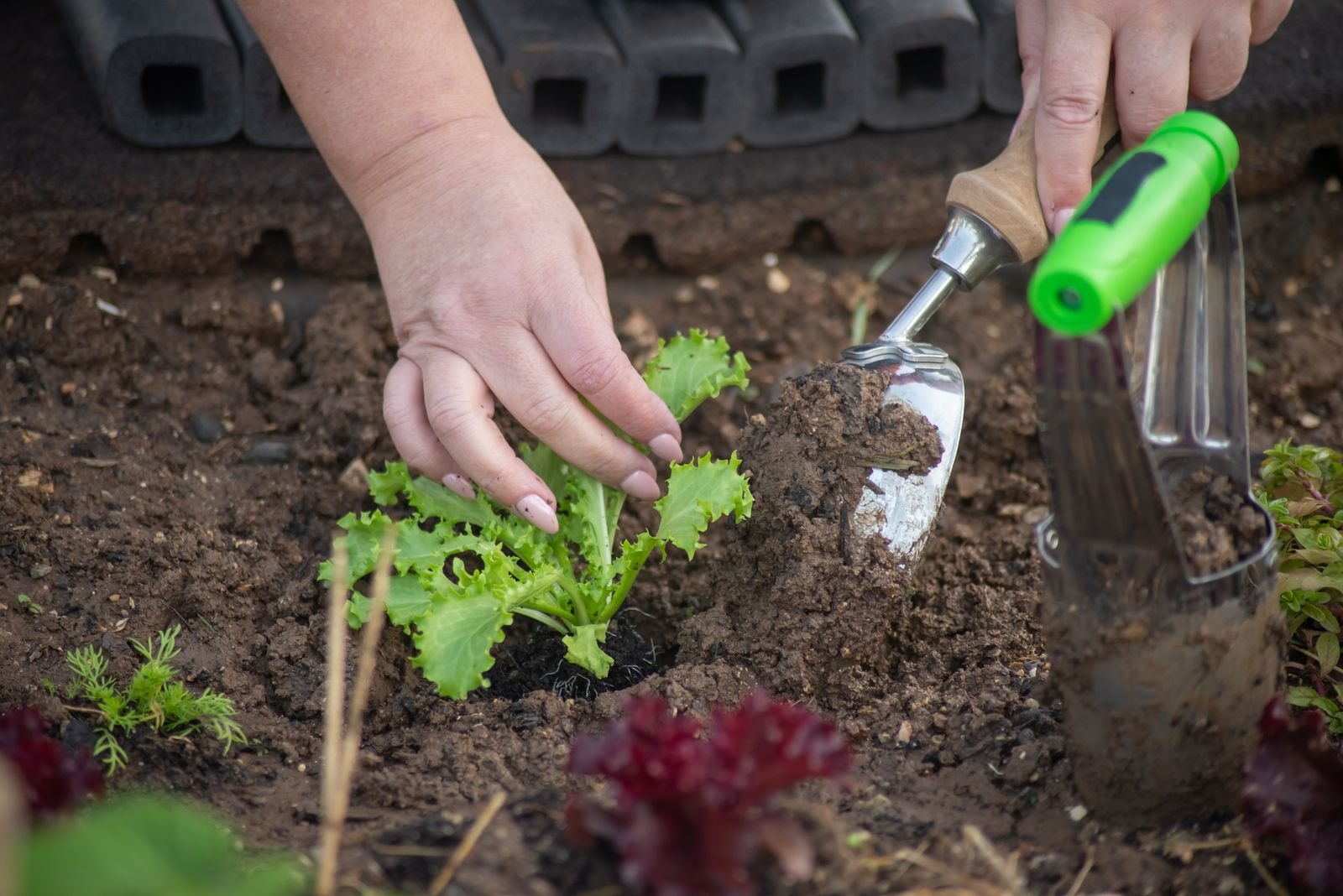
Grow herbs and vegetables at home where possible. A pot of herbs or a small garden bed managed with compost and without synthetic fertiliser has a near-zero carbon footprint and produces food with high secondary metabolite concentrations, as I have discussed in relation to herbal potency elsewhere on this site.
Reduce ruminant meat frequency rather than eliminating all animal products. The data supports this as the highest-impact single dietary change for most people.
Choose producers who discuss soil health, cover cropping, and reduced tillage. These practices indicate carbon-building land management regardless of whether the product is plant or animal derived.
FAQs
Is a plant-based diet always more sustainable than one including animal products?
Not automatically. Soil management and production system matter more than the plant or animal distinction. Lentils grown in well-managed soil have a much lower carbon footprint than vegetables grown in intensively tilled, chemically fertilised systems. Well-managed grassland beef has a lower profile than feedlot beef. The system matters as much as the category.
What makes legumes particularly valuable from a carbon perspective?
Legumes host nitrogen-fixing bacteria in their root nodules, replacing the most carbon-intensive input in conventional agriculture, synthetic nitrogen fertiliser. This reduces both direct emissions from fertiliser production and indirect emissions from soil nitrous oxide release.
Does growing food at home actually make a meaningful difference?
For individual carbon footprint, home growing is one of the most effective options available. Transport, packaging, refrigeration, and retail infrastructure all contribute to commercial food carbon footprints. A home garden managed with compost eliminates most of these inputs entirely.
How does soil disturbance affect carbon emissions from food production?
Tillage disrupts soil structure, breaks fungal networks, and exposes organic matter to rapid microbial decomposition, releasing stored carbon as CO₂. Reducing tillage frequency is one of the most effective soil carbon management strategies available to farmers and gardeners.
Why do emissions figures vary so much between sources?
Because they reflect different production systems rather than inherent properties of the food. Beef from a well-managed rotational grazing system on permanent pasture has a fundamentally different carbon profile from feedlot beef. Average figures mask this variation significantly.

