








This article was written by Serge, MSc. Plant Biologist and Environmental Scientist with a BSc in Plant Biology and an MSc in Environmental Biology and Biogeochemistry. My background covers plant biochemistry, botany, and field research in forest and soil ecosystems. I write from real experience, not just literature.
Affiliate disclosure: This site has affiliate links, including Amazon. As an Amazon Associate I earn from qualifying purchases, at no extra cost to you.
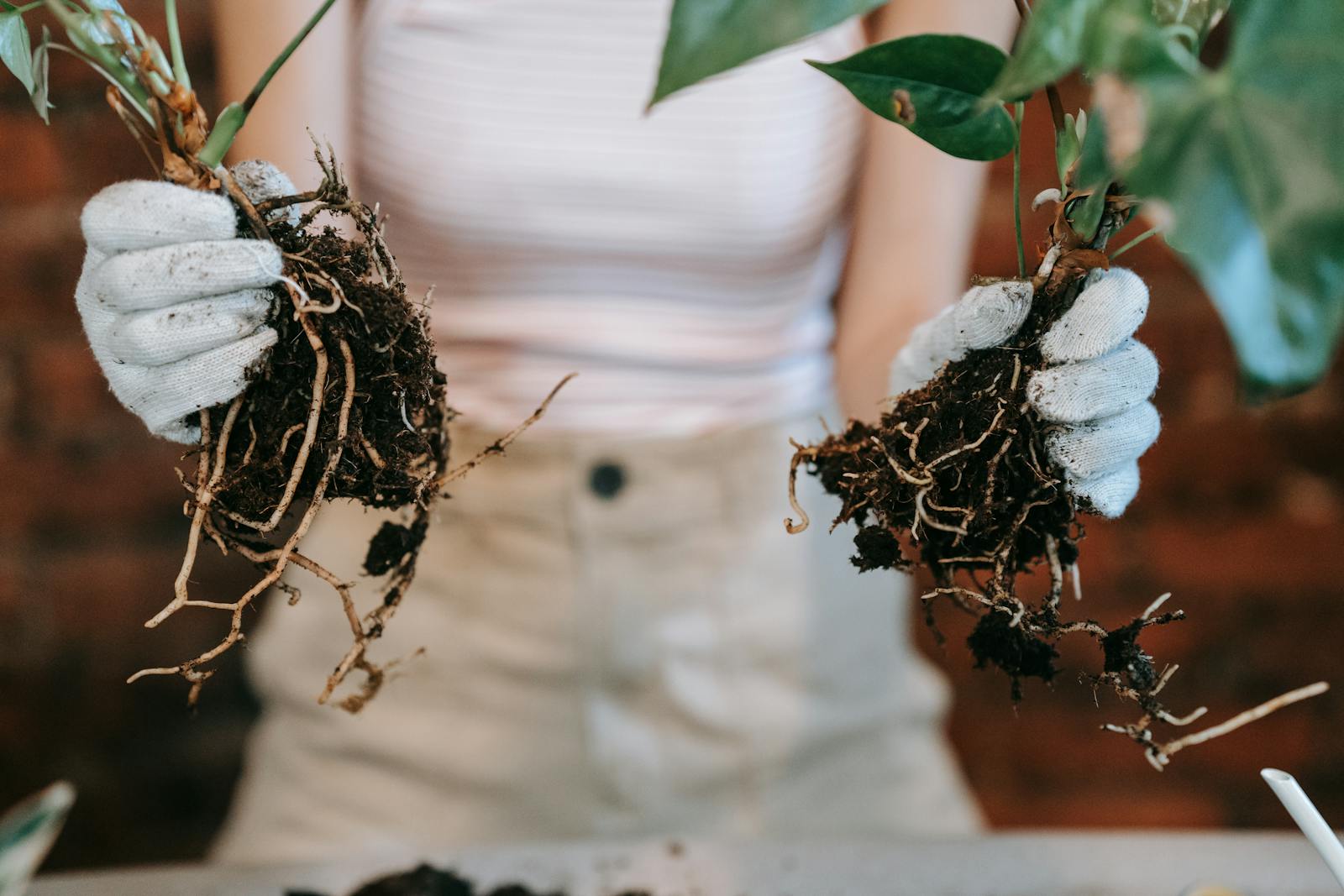
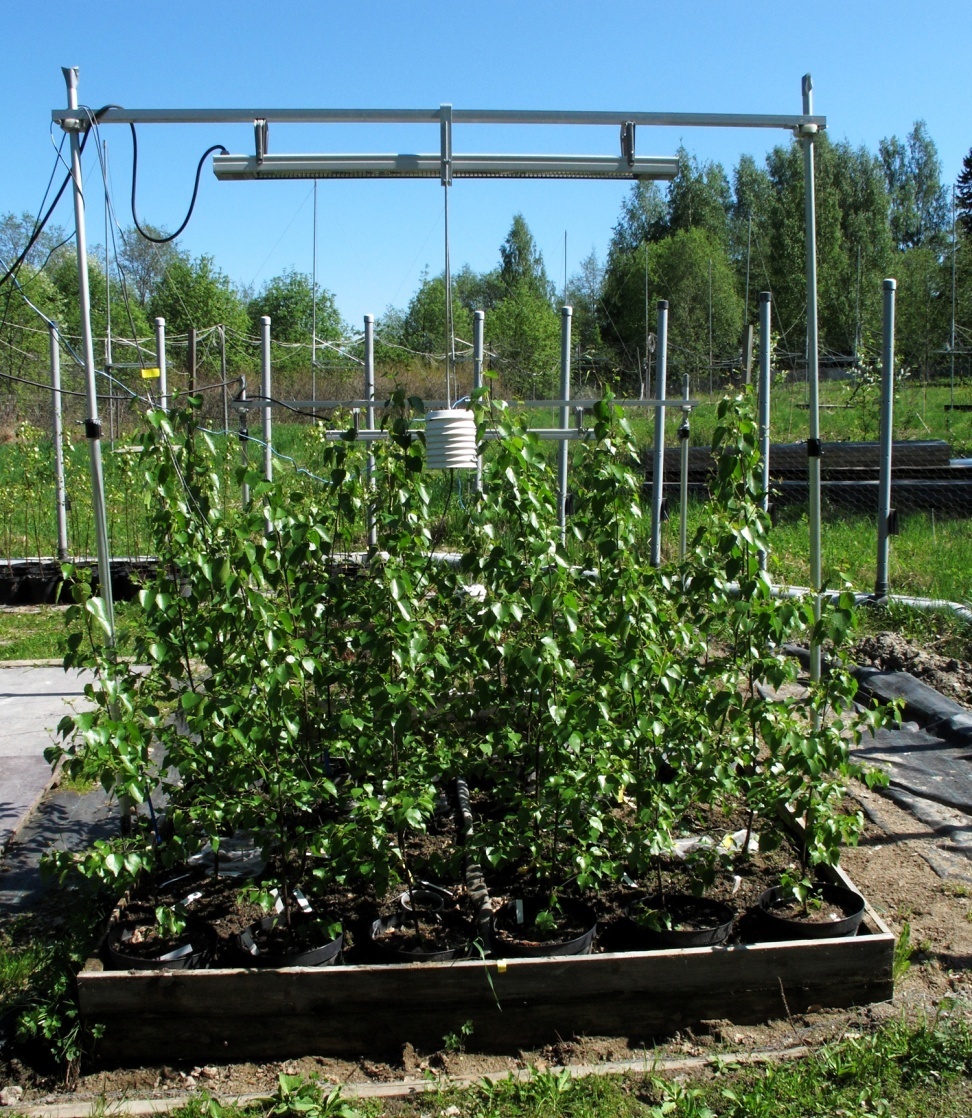
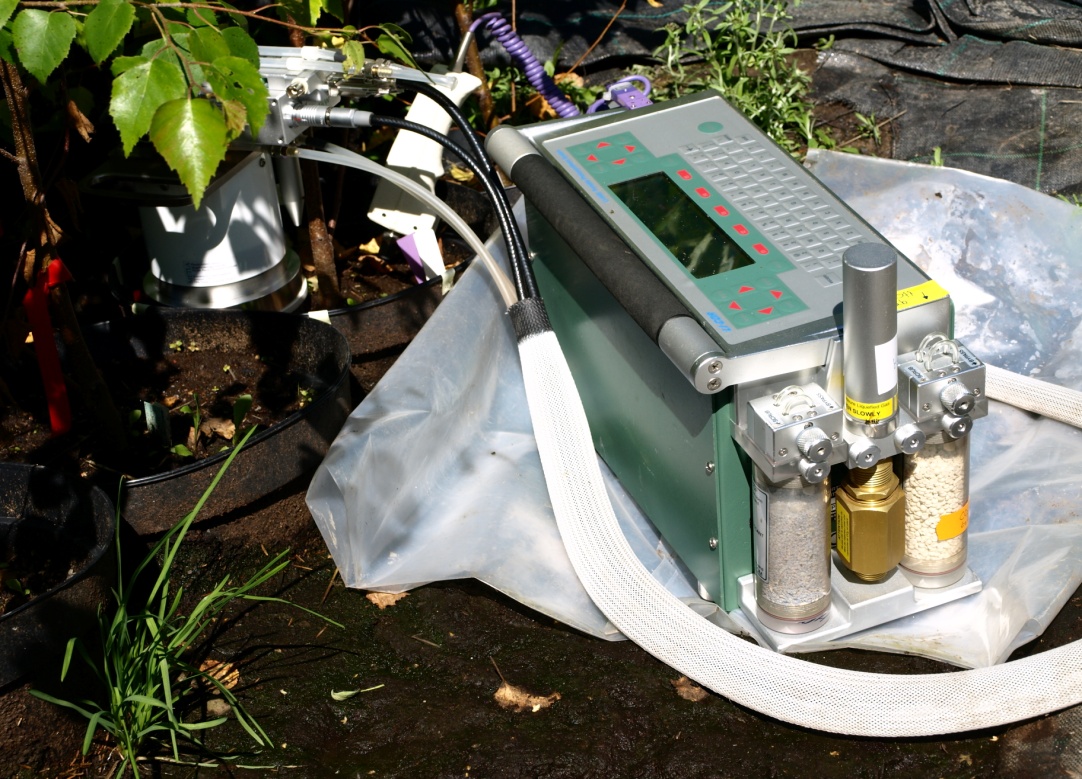
When I was measuring soil CO₂ efflux in my silver birch field research, I was essentially measuring microbial activity. The LICOR gas analyser captures carbon dioxide coming out of the soil surface, and a significant portion of that signal comes from microbial respiration in the rhizosphere, the narrow zone of soil directly surrounding plant roots where biological activity is most intense.
What struck me during that fieldwork was how much was happening invisibly below ground. The above-ground measurements, stem height, stem diameter, leaf area, told one story. The soil respiration data told another. The two were connected through the biological community in the soil that I could measure indirectly but never see directly.
That experience is exactly why I take rhizosphere microbiology seriously when thinking about medicinal herb quality. The compounds we value in herbs, ginsenosides in ginseng, curcumin in turmeric, menthol in peppermint, do not accumulate in a biological vacuum. They are produced in response to signals, stresses, and partnerships that involve the soil microbial community directly.
What the Rhizosphere Is
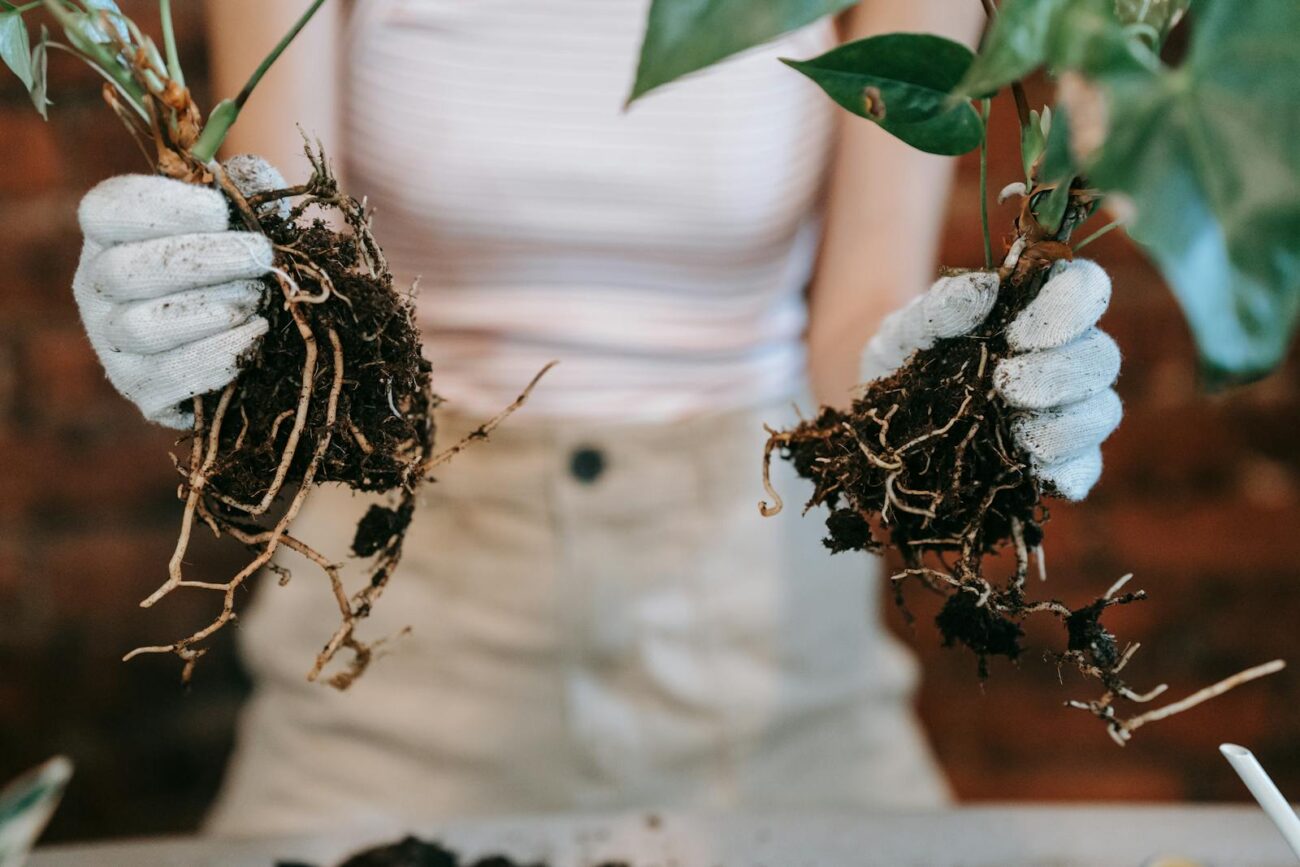
The rhizosphere is the narrow zone of soil surrounding plant roots where root exudates, shed root cells, and root surface chemistry create a dramatically different biological environment from bulk soil further away.
Plant roots actively release compounds into the rhizosphere including sugars, amino acids, organic acids, and secondary metabolites. This is not passive leakage. It is deliberate chemical communication and resource investment. Plants invest significant photosynthate into rhizosphere exudate production specifically to attract and maintain the microbial communities they benefit from.
My biogeochemistry training covered rhizosphere nutrient cycling in detail. The carbon and nitrogen dynamics in rhizosphere soil differ fundamentally from bulk soil because the intense biological activity driven by root exudate inputs creates localised zones of accelerated nutrient cycling. The same biogeochemical principles governing carbon cycling at ecosystem scale operate at the centimetre scale around individual roots.
Mycorrhizal Fungi and Secondary Metabolite Investment
I covered mycorrhizal network chemistry in detail in my dedicated article on this site so I will keep this section focused on the specific connection to herb potency.
When mycorrhizal colonisation is functioning well the plant accesses phosphorus and water from soil volumes far beyond its root system reach. This changes the plant’s metabolic calculus. A plant with adequate phosphorus supply through mycorrhizal partnerships can invest more carbon in secondary metabolite production rather than investing it in extending its own root system to access nutrients.
In phosphorus limited soils, which most natural soils are, this partnership is the difference between a plant investing heavily in defence and flavour chemistry versus one allocating most of its carbon to survival root growth.
This is why herbs grown in living undisturbed soil with active mycorrhizal communities tend to produce higher secondary metabolite concentrations than those grown in sterilised or heavily fertilised substrates where mycorrhizal partnerships are suppressed. The plant has more carbon available for secondary chemistry when the fungal network is doing the nutrient acquisition work.
Rhizobacteria and Induced Secondary Metabolite Production
Beyond mycorrhizal fungi the rhizosphere supports diverse bacterial communities that interact with plant secondary metabolite chemistry through several mechanisms.
Plant growth promoting rhizobacteria including Bacillus and Pseudomonas species produce compounds that trigger induced systemic resistance in plants. This is essentially a low level stress signal that primes the plant’s defence chemistry without causing actual damage. The plant responds by upregulating secondary metabolite production pathways including phenylpropanoid, terpenoid, and alkaloid biosynthesis.
My plant ecological stress physiology training covered induced resistance mechanisms directly. The principle that a mild stress signal primes secondary metabolite investment is the same whether the signal comes from a pathogen, an insect, UV radiation, or a rhizobacterium. The plant perceives the signal and responds by investing in chemical defence.
This is why herbs grown in biologically diverse soil with natural rhizobacterial communities tend to produce higher secondary metabolite concentrations than those in biologically depleted substrate. The bacterial signalling is not present in sterile growing media and the plant has no reason to upregulate its defence chemistry.
Endophytes: The Microbes Living Inside Plant Tissue
Endophytic microorganisms, bacteria and fungi that live inside plant tissue without causing disease, represent a less well understood but important part of the plant chemistry story.
Endophytes colonise stems, leaves, and roots living between plant cells without disrupting normal plant function. In return for shelter and nutrients they produce compounds that enhance plant defence and secondary metabolite production. Some endophytes produce secondary metabolites directly that contribute to the herb’s chemical profile alongside the plant’s own biosynthesis.
The endophytic community in a plant grown in biologically rich natural soil is fundamentally different from that in a plant grown in sterilised greenhouse substrate. This is one of the reasons wild harvested herbs from undisturbed habitats often have different and sometimes more complex secondary metabolite profiles than cultivated equivalents, a connection I explored in detail in my wild harvested herbs article.
What This Means for Each Herb
Ginseng (Panax ginseng)
Wild ginseng growing in old growth forest soil with decades of undisturbed mycorrhizal network development and diverse rhizobacterial communities consistently shows different ginsenoside profiles than cultivated ginseng. The ginsenoside ratio and concentration in wild material reflects a biological partnership history that cultivation cannot replicate in a few growing seasons.

Turmeric (Curcuma longa)
Curcumin content in Curcuma longa rhizome responds to soil biological activity through rhizobacterial induced systemic resistance signalling. Research on mycorrhizal inoculation of turmeric shows measurable increases in curcumin content compared to non-inoculated controls under the same growing conditions. The plant is not producing more curcumin because of better nutrition alone. It is responding to biological signals from its soil partners.

Peppermint (Mentha piperita)
Menthol accumulation in Mentha piperita leaf glandular trichomes responds to rhizosphere biological activity through the same induced resistance mechanisms. The characteristic menthol concentration in peppermint grown in compost enriched living soil versus sterile substrate reflects this biological signalling difference. Flat tasting peppermint tea from weak commercial herbs is not just a quality control issue. It often reflects biologically depleted growing conditions.

Echinacea (Echinacea purpurea)
Alkylamide content in Echinacea purpurea aerial parts and roots responds to mycorrhizal colonisation status. Plants with healthy mycorrhizal associations show higher alkylamide concentrations than non-mycorrhizal controls under phosphorus limited conditions. The biological partnership changes what the plant invests in.

What My Field Research Showed About Soil Biology
My silver birch field research was not designed to measure rhizosphere microbiology directly. But the soil CO₂ efflux data I collected reflects total soil respiration including microbial activity in the rhizosphere.
Temperature treatment increased soil respiration significantly in both genotypes. In gt15 soil respiration increased by 36 percent under elevated temperature and in gt14 by 24 percent. That difference between genotypes under the same temperature treatment tells me that the two genotypes were interacting differently with their soil biological communities. The same environmental treatment produced different rhizosphere biological responses depending on which tree genotype was present.
I did not measure mycorrhizal colonisation or rhizobacterial communities directly in my experiment. But those differences in soil respiration response between genotypes are consistent with genotype-specific differences in root exudate chemistry affecting the microbial community composition around each tree. The above-ground differences I measured in stem growth and leaf area between gt14 and gt15 may partly reflect what was happening underground in the rhizosphere biology.
Practical Implications for Buying and Growing Herbs
The soil biology story has direct practical implications.
Two batches of the same herb species grown under different soil biological conditions will have different secondary metabolite profiles. This is not a minor quality difference. It can be substantial. Organic certification alone does not guarantee biologically active soil. Organically certified herbs grown in frequently tilled, mycorrhizal-depleted substrate may have lower secondary metabolite concentrations than conventionally grown herbs in undisturbed biologically rich soil.
What to look for when buying herbs:
Sourcing transparency. Suppliers who can describe their growing practices in terms of soil management, tillage practices, and composting are more likely to be maintaining biologically active growing conditions.
Standardised active compound content with third party testing. This cuts through the uncertainty about growing conditions by measuring what actually matters. A standardised extract specifying active compound percentage has verified its potency regardless of growing condition claims.
Aroma intensity. As I noted in my herbal powders article, strong fresh aroma indicates preserved volatile secondary metabolites. This is partly a processing quality indicator but also reflects the secondary metabolite richness of the original material.
For growing your own:
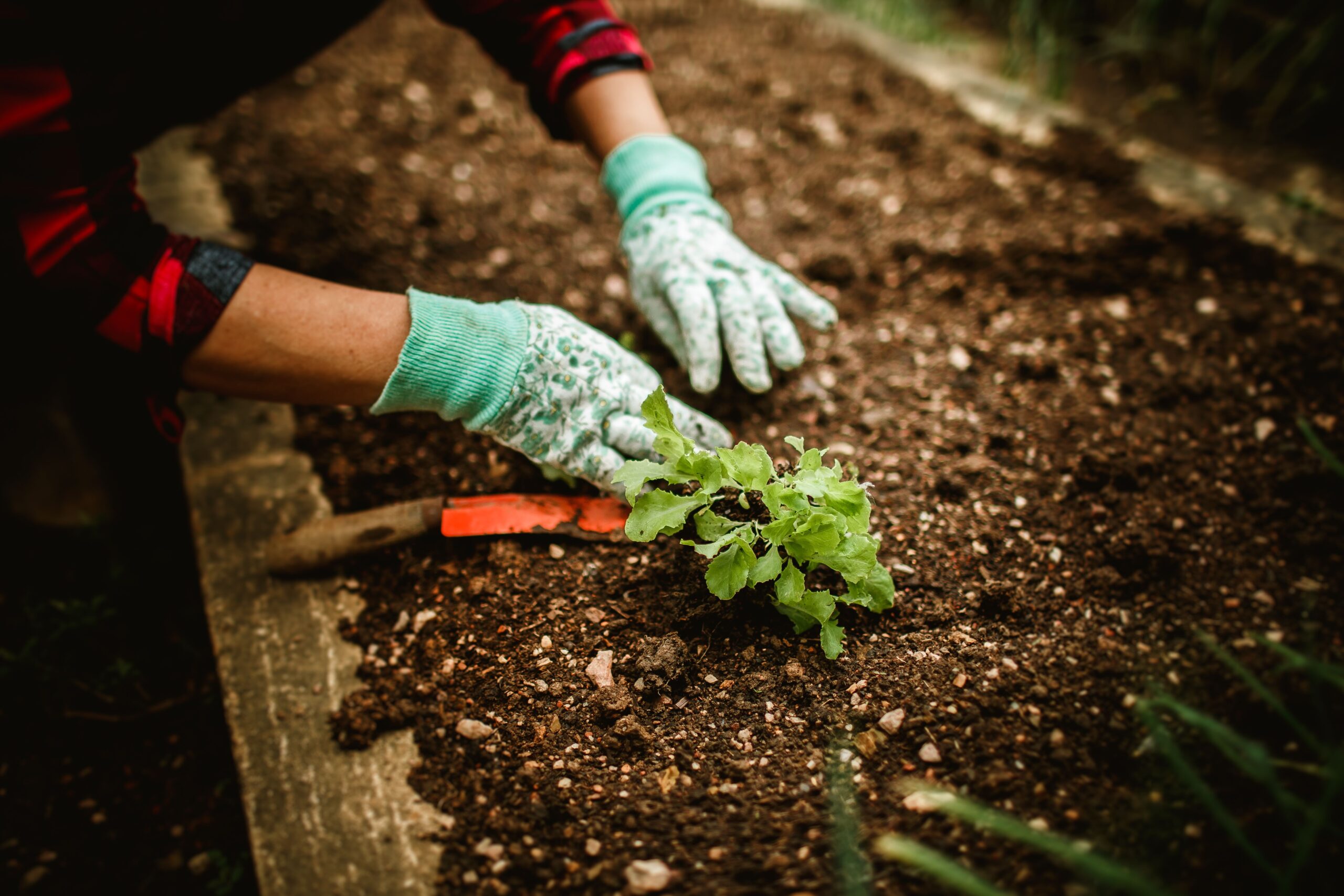
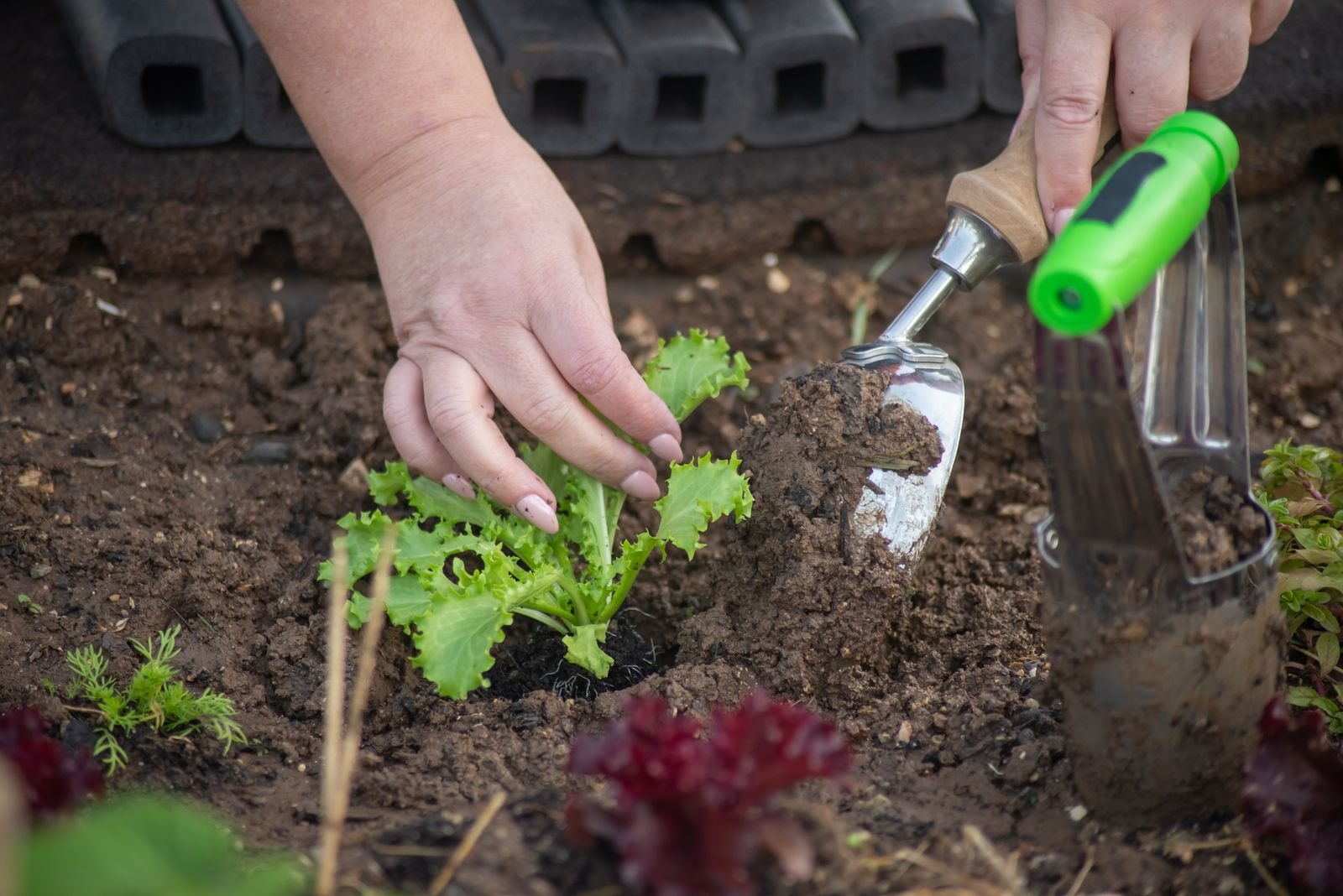
Minimise tillage. Every time you till you sever mycorrhizal networks and set the soil biological community back toward early succession. No-till or minimal disturbance approaches maintain the biological infrastructure that drives secondary metabolite investment in your herbs.
Add compost. Compost introduces organic matter and diverse microbial communities. It feeds the soil food web that ultimately feeds the plant’s secondary metabolite chemistry.
Avoid high phosphorus fertilisation. As I covered in my mycorrhizal fungi article high phosphorus availability suppresses mycorrhizal colonisation because the plant no longer needs the fungal partnership to access phosphorus. That suppression reduces one of the key biological signals driving secondary metabolite investment.

FAQs
Do soil microbes really affect herb potency?
Yes through multiple documented mechanisms. Mycorrhizal fungi change plant carbon allocation allowing more investment in secondary metabolites. Rhizobacteria produce induced resistance signals that upregulate plant defence chemistry. Endophytes produce compounds that contribute to the herb’s chemical profile directly. The soil biological community is not peripheral to herb quality. It is central to it.
Why does wild harvested herb often smell stronger than cultivated?
Wild plants grow in biologically diverse undisturbed soils with decades of mycorrhizal network development and diverse rhizobacterial communities. These biological partnerships drive secondary metabolite investment that cultivation in simplified substrates cannot replicate. My wild harvested herbs article covers the stress chemistry side of this in detail.
Does organic certification guarantee better herb quality?
Not automatically. Organic certification means no synthetic inputs but says nothing about soil biological activity. Organically certified herbs in frequently tilled mycorrhizal-depleted substrate may have lower secondary metabolite concentrations than herbs in biologically richer conventionally managed soil. Soil management practices matter more than certification alone.
How does tillage affect herb potency?
Tillage physically severs mycorrhizal hyphal networks that take years to develop. Each tillage event resets the mycorrhizal succession toward early stages reducing the fungal partnership benefit to the plant. Reduced tillage maintains network complexity and the biological signalling that drives secondary metabolite investment.
Can I improve my homegrown herb potency through soil management?
Yes. Reducing tillage, adding mature compost, avoiding high phosphorus fertilisation, and allowing natural mycorrhizal colonisation all support the soil biological community that drives secondary metabolite investment in herbs. The same principles I apply when thinking about soil carbon dynamics from my field research apply at garden scale.

