










This article was written and reviewed by Serge, MSc. With a solid background in Plant Biology, Environmental Biology, and Biogeochemistry, I focus on the science and logic behind the plants we grow, ecosystems we build, and experiments we conduct. My goal is to make research reliable and practical for readers.

The first jar I ever fermented was garlic. I thought I’d probably just end up tossing it, a bunch of cloves sitting in salty water on the counter for days didn’t sound very appetizing. But a week later I cracked the lid and bam. Sweet, tangy, mellow garlic. Not harsh at all. I ate three cloves before I even got the jar back in the fridge.
Next, I tried ginger. Normally, it burns my tongue. But fermented ginger is different. It tastes bright, like citrus, and a little fizzy. I couldn’t stop smiling.
Well, fermentation doesn’t just preserve herbs. It flips them. And you don’t need fancy gear or chemistry know-how. Just a jar, water, salt, and a bit of patience.

Why Ferment Herbs in the First Place?
You could dry them, make tea, or put them in capsules. But fermenting? It gives herbs a whole new taste.
Here’s what really happens: good microbes eat the sugars in the plant. While they do that, they make acids, enzymes, and other helpful compounds. The plant changes, and your gut usually benefits from it.
Benefits that stand out include:
- Better absorption. Curcumin in Curcuma longa (turmeric) or ginsenosides in Panax ginseng get easier for your body to actually use.
- Probiotic action. Live Lactobacillus show up in brine and tag along into your gut.
- Flavor glow-up. Harsh becomes tangy. Bitter gets balanced. Sometimes you even get a gentle fizz.
- Built-in storage. Salt plus acid = natural preservation.
So it’s not just storage. It’s an upgrade.
A Quick Science Check.
This isn’t just from people’s stories, research also supports it.
Ginseng (Panax ginseng)
Research shows that fermentation raises levels of bioactive ginsenosides, compounds connected with better energy, sharper focus, and cognitive support. These changes may help explain why fermented ginseng extracts are often studied for brain and performance benefits.

Garlic (Allium sativum)
According to research, fermentation increases S-allyl cysteine, a stable and highly absorbable compound linked to cardiovascular support and antioxidant activity. These findings help explain why aged garlic is frequently investigated for promoting heart and overall health.

Ginger (Zingiber officinale)
Research highlights that fermentation can boost antioxidant levels while softening the sharp taste of ginger. Scientists suggest these changes may strengthen ginger’s potential role in reducing oxidative stress and improving digestion without the intense burn.

Turmeric (Curcuma longa)
Research indicates that fermentation improves curcumin bioavailability, making this key compound easier for the body to use. When combined with pepper, the effect is even stronger, supporting turmeric’s growing reputation in studies on inflammation and wellness.

How to Ferment Herbs at Home.
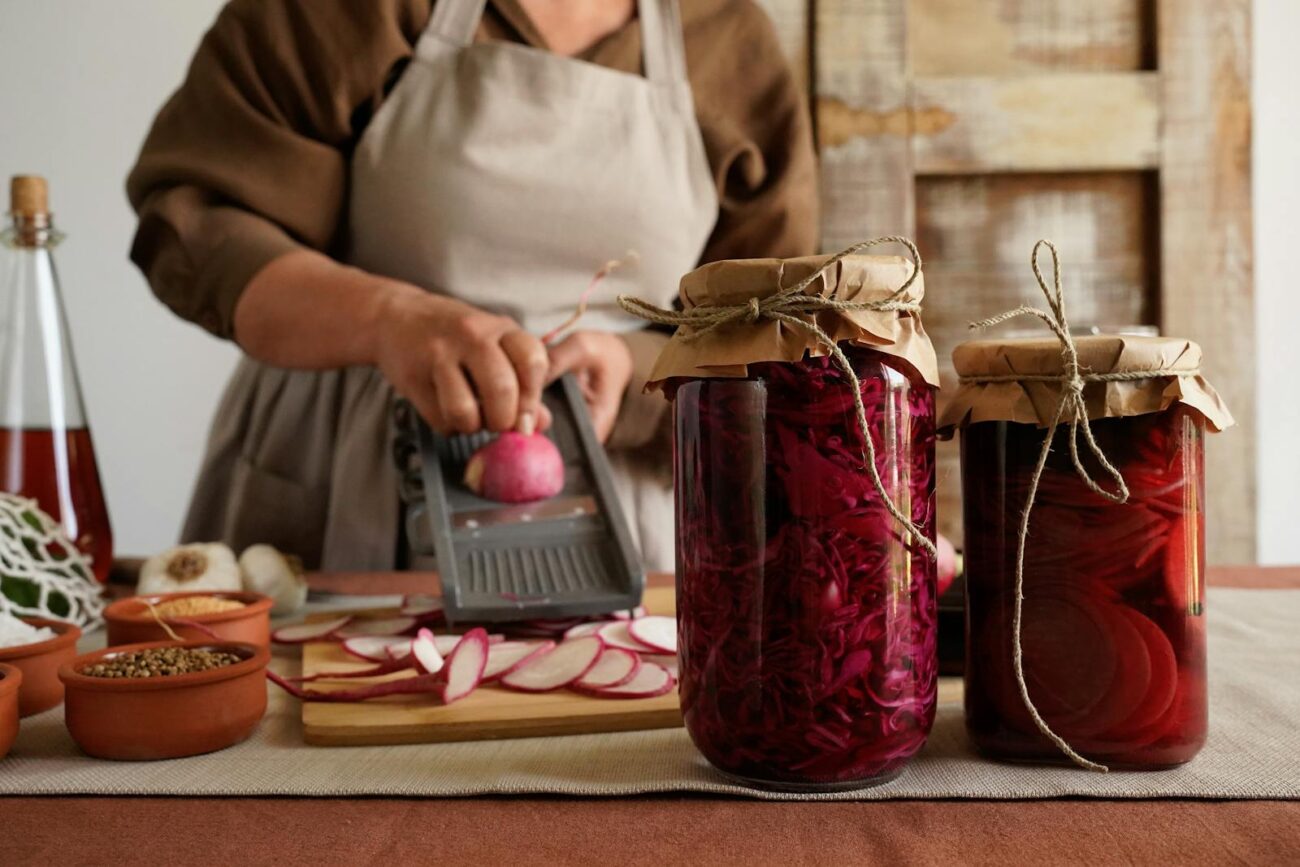
Here’s the “no excuses” version. Grab a glass jar, water, salt, and your herb of choice. Done.
Method 1: Plain Salt Brine.
Slice or chop the herb (garlic cloves, ginger slices, or even chunks of ginseng).
Mix 20–30 g sea salt in 1 liter water.
Pack herbs in the jar, cover with brine.
Keep everything under liquid.
Cover loosely, leave 5–10 days at room temp.
Tiny bubbles = success. I usually sneak a taste on day 5.
Method 2: With Whey.
Strain a spoonful of whey from yogurt or kefir. Add to the brine. It speeds things up and adds a probiotic variety party.
Method 3: Kombucha Hack.
Toss herbs into your kombucha’s second ferment. You’ll end up with a fizzy, herbal soda that beats anything bottled.
*Note: If herbs float above the brine, mold will grow. Always keep them fully under the liquid.
Raw vs Fermented: Try the Taste Test.
Wanna prove it works? Do this:
- Bite a raw garlic clove. Harsh. Burns a little.
- Now try a fermented one after a week. Tangy, soft, even sweet. Snack-worthy.
Same with ginger. Raw is very strong. Fermented tastes like citrus candy.
Even teas change. Brew fresh ginger in one mug and fermented ginger in another. The smell is very different before you even taste it.
Herbs That Taste Better When Fermented.
Some herbs take to it like fish to water. A few favorites:
Garlic (Allium sativum) – Smooths the bite, ramps up antioxidants.
Ginger (Zingiber officinale) – Fruity, bright, easier to handle.
Ginseng (Panax ginseng) – Expensive but rewarding; more adaptogenic punch.
Turmeric (Curcuma longa) – Golden, earthy, more absorbable curcumin.
Nettle (Urtica dioica) – Mineral-packed, more digestible after fermenting.
Start cheap with garlic. If you botch it (I did my first time), you’re out a dollar, not twenty.
Quick Safety Reminders.
Fermentation is simple, but you still need a bit of care.
- Wash your jars first. Seriously.
- Herbs must stay submerged. Oxygen invites mold.
- Smaller batches are easier to manage.
- Trust your senses. Sour/tangy = good. Rotten/stinky = compost.
- Once you like the flavor, fridge it to slow things down.
And hey, if you ruin a batch, no shame. Toss it and try again. I’ve done it more than once.
Fermented vs Store-Bought.
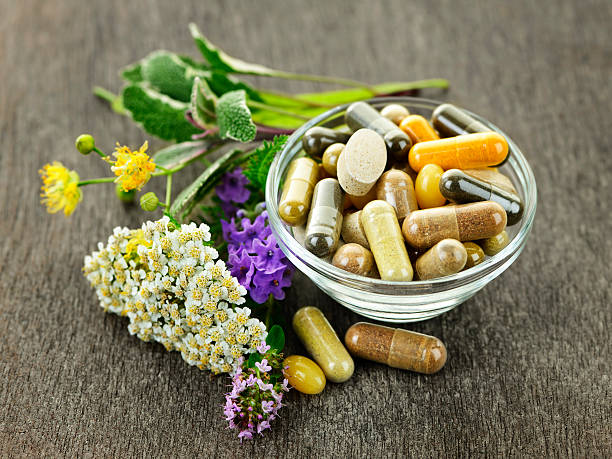
Supplements have their place, but they stay the same, what’s in the capsule never changes. Fermented herbs are different: they’re alive, they transform over time, and they carry natural probiotics that support gut health in ways powders can’t.
With fermentation, you also know exactly what’s inside: just salt, water, and herbs, nothing hidden. And honestly, it’s much more affordable than spending money on fancy extracts or store-bought capsules.
Willing to Try?
Start tonight. Grab garlic or ginger, toss it in brine, and let it sit. In less than a week you’ll pop open a jar that smells sharp-sour in the best way and tastes like something totally new.
After that, experiment. Try turmeric, nettle, or even ginseng if you are feeling bold. Each jar is a surprise, and each batch teaches you more.”
So don’t overthink it. Fill a jar. Add salt. Wait. Taste.
Soon enough, you’ll be excited to start your next batch!
