










This article was written by Serge, MSc. Plant Biologist and Environmental Scientist with a BSc in Plant Biology and an MSc in Environmental Biology and Biogeochemistry. My background covers plant biochemistry, botany, and field research in forest and soil ecosystems. I write from real experience, not just literature.
Affiliate disclosure: This site has affiliate links, including Amazon. As an Amazon Associate I earn from qualifying purchases, at no extra cost to you.
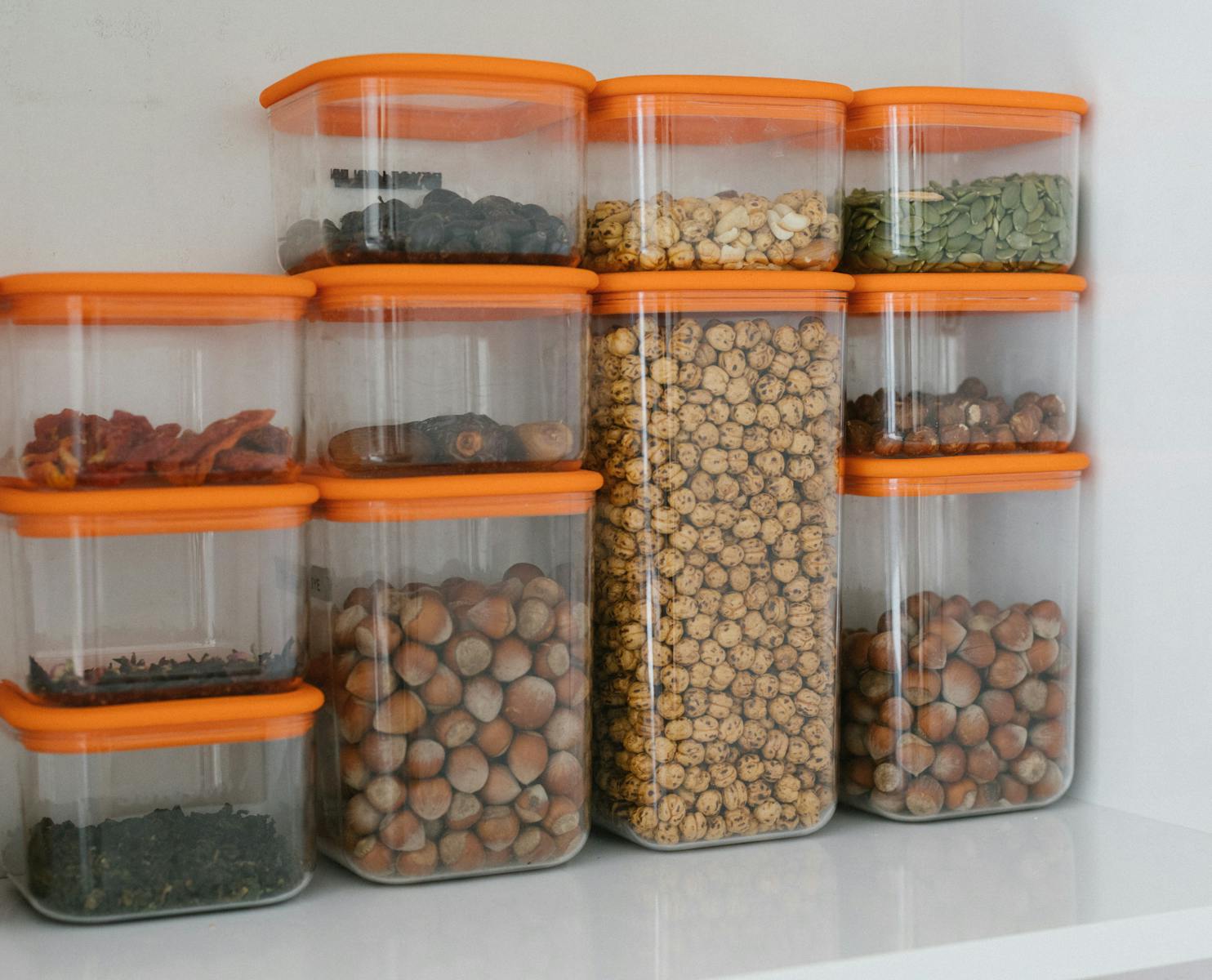
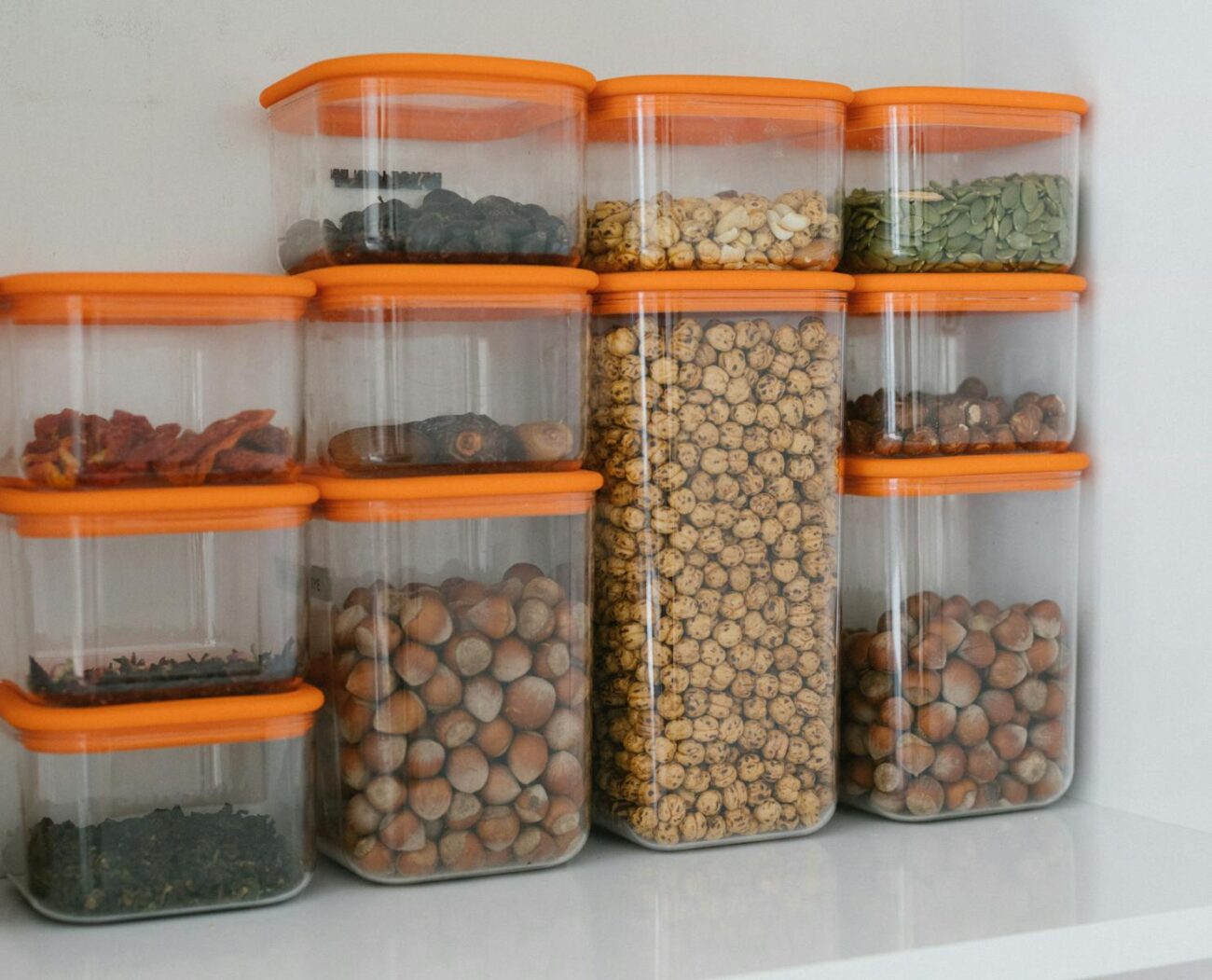
Flip a plastic container over and look at the number in the recycling triangle. That number tells you more about what might be migrating into your food than anything on the front of the packaging.
Few guides explain what those numbers mean from a chemistry perspective, or which conditions turn a low-risk container into a higher-risk one, and that is the heart of plastic chemical leaching.
The environmental case for reducing plastic is well covered. The health chemistry case is less often explained clearly, and it is the one that changed how I personally think about plastic in the kitchen. It is not about avoiding all plastic everywhere.
It is about understanding which polymers carry which chemical additives, and which combinations of material, temperature and food type drive the most migration.
The Chemicals Inside Plastic
Plastic products are not just polymer chains. They contain a range of chemical additives that give them their properties: plasticisers for flexibility, stabilisers against UV damage, flame retardants, pigments and antioxidants.
Many of these additives are not chemically bonded to the polymer. They sit between the polymer chains and migrate out over time, particularly with heat, acidic foods, fatty foods, or mechanical stress such as scratching and repeated washing.
The three compound classes that appear most consistently in research on plastic-related chemical exposure are phthalates, bisphenols and PFAS.
Phthalates are plasticisers used mainly in polyvinyl chloride (PVC) and other flexible plastics. They turn rigid PVC soft and flexible, which is why they turn up in some food packaging, flexible food containers and PVC cling film, which is more common in commercial kitchens, while much household cling film is now made from polyethylene.
Phthalates migrate most readily into fatty foods, because they are lipophilic and dissolve into fat. Heat speeds that migration up significantly.
Bisphenol A (BPA) is a building block of polycarbonate plastic and epoxy resins. Polycarbonate is the hard, clear plastic historically used in water bottles, food storage containers and baby bottles.
BPA leaches from polycarbonate when the plastic is exposed to heat, alkaline conditions or repeated mechanical stress. The epoxy resin linings inside food cans are another significant BPA source that often goes unnoticed.
PFAS, per- and polyfluoroalkyl substances, enter food contact materials through non-stick coatings and grease-resistant packaging such as fast-food wrappers and microwave popcorn bags. The non-stick coating PTFE is itself a PFAS polymer, and PFOA, the most notorious PFAS once used to make it, has since been phased out.
Their carbon-fluorine bond is one of the strongest in organic chemistry, which gives them their non-stick and water-resistant properties and also makes them extraordinarily persistent in the environment and in the body. That is why they earned the name “forever chemicals.”
What the Endocrine Disruption Chemistry Shows
In my ecotoxicology training I studied endocrine disruption in detail, specifically how environmental contaminants interfere with hormone signalling at the molecular level. This is the part of the plastic leaching story that deserves more attention than most consumer guides give it.
Hormones work through receptor binding. A hormone molecule has a specific shape that fits a receptor protein the way a key fits a lock, and when it binds, it triggers a cellular response. The problem with endocrine-disrupting chemicals is that many have shapes similar enough to natural hormones to bind the same receptors.
They can activate receptors when they should not, block them when they should be active, or alter how natural hormones are made and broken down.
BPA is one of the most studied compounds in this class. Its structure is similar enough to oestradiol, the main female sex hormone, that it binds oestrogen receptors and produces oestrogenic effects. It binds far more weakly than oestradiol itself, but effects have been reported at low concentrations, which is why it is a concern at the levels found in food contact rather than only at high industrial exposures.
In 2023 the European Food Safety Authority sharply lowered its tolerable daily intake for BPA, and the EU adopted a ban on BPA in food contact materials in late 2024, phasing in over the following years.
Plants make oestrogen-like compounds of their own, the phytoestrogens I describe in phytoestrogens and plant biochemistry, which bind the same receptors through the same lock-and-key principle.
Phthalates affect androgen signalling. Animal studies have consistently shown that phthalate exposure during development reduces testosterone production and affects male reproductive development. Human studies have linked higher phthalate exposure with altered hormone levels in men and with some reproductive outcomes.
Some PFAS interfere with thyroid hormone signalling, among other effects. Thyroid hormones regulate metabolic rate, development and many other processes, and certain PFAS bind the proteins that carry thyroid hormones in the blood, competing with the natural hormones.
What I found striking when studying these mechanisms is how sensitive hormone systems are to disruption. Because hormones work at very low concentrations, and because receptor binding triggers amplified cellular responses, the doses that affect hormone signalling can be far lower than those that cause conventional toxicity.
That was genuinely surprising to me when I first saw the data, and it reframes what counts as a meaningful exposure level.
Which Plastics Are Most Concerning and Which Are Not
Not all plastics carry the same leaching risk. The recycling numbers correspond to different polymer types, with different additive profiles and migration risks.
Number 7 (“other”) is a catch-all category, not a single plastic. It includes polycarbonate, the main dietary source of BPA from food contact materials, but also many other plastics, including some plant-based ones. So a 7 is a prompt to check the label, not an automatic red flag.
Polycarbonate has largely been replaced in water bottles and baby bottles by BPA-free alternatives, though some of these use bisphenol S or bisphenol F, which have similar structures and potentially similar receptor activity.
Number 3 (PVC) contains phthalate plasticisers in its flexible forms and is the main dietary phthalate source from food contact materials.
Number 6 (polystyrene) can release styrene, particularly when heated or in contact with fatty or acidic foods. The World Health Organization’s cancer agency classifies styrene as probably carcinogenic to humans (Group 2A).
Number 1 (PET) is the plastic in most drinks bottles. It does not use BPA or phthalate plasticisers and is generally considered low risk for chemical leaching, although it is designed for single use and can release small amounts of antimony, a manufacturing residue, especially when stored warm.
Numbers 2 and 4 (polyethylene) and number 5 (polypropylene) are generally considered lower risk under normal use. They do not need plasticisers in the way PVC does and do not contain BPA. They are not completely inert, particularly when old, scratched or heated, but their leaching profile is much less concerning than polycarbonate or PVC.
The practical implication is that not all plastic needs to be treated the same. Replacing polycarbonate bottles, PVC film and polystyrene food containers with glass, stainless steel or polypropylene addresses the most significant leaching chemistry.
Replacing polyethylene bags is mainly a microplastic pollution decision rather than a chemical leaching one, and the wider ecological costs of pollution are something I discuss in how biodiversity loss affects human health.
The Heat and Acid Variables That Change Everything
One thing that does not get enough attention in plastic-free guides is how much the conditions of use change the leaching chemistry.
Heat is the most significant variable. BPA migration from polycarbonate rises sharply with temperature, and studies have found it many times faster with boiling water than at room temperature. Phthalate migration from PVC also speeds up with heat.
Putting plastic containers in the dishwasher, microwaving food in them or filling them with hot liquid meaningfully increases chemical migration. The same container used cold might release very little, while heated repeatedly it releases far more.
Acidity is the second variable. Acidic foods and drinks, such as tomato sauces, fruit juices and anything containing vinegar, increase BPA and phthalate migration from susceptible plastics. Fatty foods increase phthalate migration, because phthalates are lipophilic and move preferentially into fat.
Phthalates are also used in fragrances, which is one reason ingredient transparency matters in personal care too, as I discuss in the formulation chemistry of natural cosmetics.
The practical chemistry is straightforward. Plastic leaching is most significant when you heat food in plastic containers, store acidic or fatty foods in plastic for long periods, or keep using old, scratched or sun-damaged plastic, where the surface is compromised and additives escape faster.
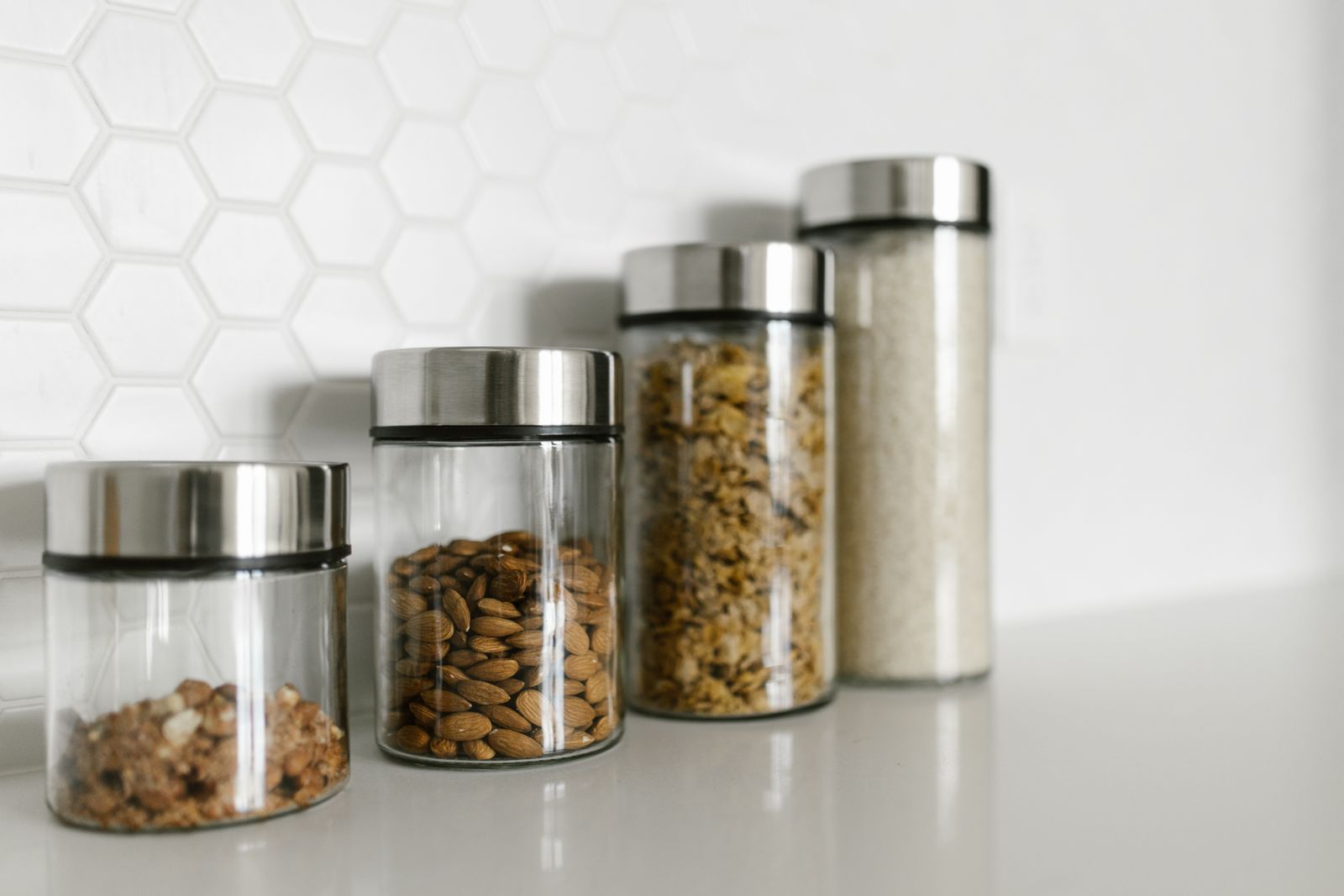
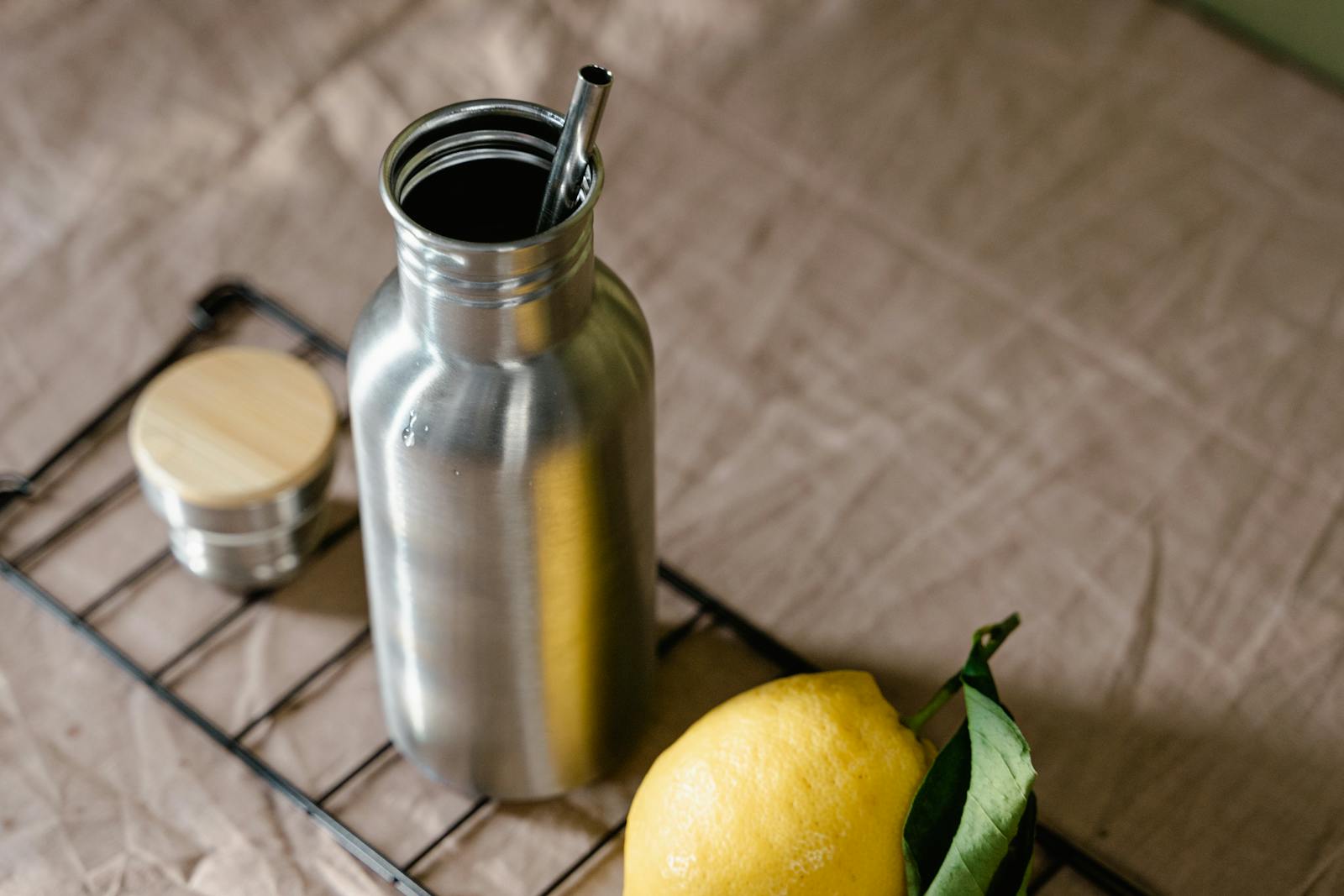
Glass and stainless steel essentially remove this chemistry. They contain no plasticisers, BPA or PFAS coatings, and their properties do not change with heating, acid or wear. Stainless steel can release tiny traces of nickel and chromium during long cooking of acidic foods, and some jar lids have plastic sealing rings, but for everyday storage they are the most chemically inert options available.
Glass jars are also the best way to keep dried herbs and teas fresh, as I explain in my guide Herbal Tea, Done Right, and small swaps like these are part of the wider approach I describe in eco-friendly herbal practices.
The same thinking applies to supplements and herbal products, where packaging is part of the environmental footprint too, something I look at in how your herbal product choices affect the planet.
Frequently Asked Questions
What is BPA and why does it matter?
BPA is a building block of polycarbonate plastic and of the epoxy linings in many food cans. It leaches from these materials, particularly when heated or mechanically stressed. Its structure is similar enough to oestradiol that it binds oestrogen receptors and produces oestrogenic effects, which is why it is classified as an endocrine disruptor.
Are BPA-free plastics safe?
Not necessarily. BPA-free polycarbonates often use bisphenol S or bisphenol F instead, which have similar structures to BPA and potentially similar receptor activity. A BPA-free label addresses one specific compound but does not guarantee the absence of endocrine activity from its substitutes.
What are phthalates and where are they found?
Phthalates are plasticisers added to PVC and other flexible plastics. They appear in some cling film, flexible food packaging and food storage containers, as well as in fragrances. They migrate most readily into fatty foods and with heat, and they are associated with disruption of androgen signalling in animal studies and human data.
Which plastics are safest for food contact?
Polypropylene (number 5) and high-density polyethylene (number 2) have lower leaching risk than polycarbonate, PVC or polystyrene under normal use, and PET (number 1) is low risk for single use. Glass and stainless steel have essentially no leaching chemistry relevant to everyday food storage.
Does heating food in plastic increase chemical exposure?
Yes, significantly. BPA migration from polycarbonate rises sharply with temperature, and phthalate migration from PVC speeds up with heat. Microwaving food in plastic containers or filling them with hot liquids meaningfully increases chemical migration compared with room-temperature use.
What are PFAS and why are they called forever chemicals?
PFAS are per- and polyfluoroalkyl substances used in non-stick coatings and grease-resistant packaging. The carbon-fluorine bond is one of the strongest in organic chemistry, making them extraordinarily resistant to breaking down. They persist in ecosystems and in the human body for very long periods.
What is endocrine disruption?
Endocrine-disrupting chemicals interfere with hormone signalling by binding hormone receptors, blocking natural hormones, or altering how hormones are made and broken down. Because hormones work at very low concentrations and trigger amplified responses, endocrine disruption can occur at exposure levels far below those associated with conventional toxicity.
Does switching to glass and stainless steel eliminate plastic leaching exposure?
For food storage, essentially yes. Glass and stainless steel contain no plasticisers, BPA or PFAS coatings, and their chemistry does not change with heat, acid or wear. Watch for plastic lids and sealing rings, and avoid long cooking of very acidic foods in stainless steel if you are sensitive to nickel.

