








This article was written by Serge, MSc. Plant Biologist and Environmental Scientist with a BSc in Plant Biology and an MSc in Environmental Biology and Biogeochemistry. My background covers plant biochemistry, botany, and field research in forest and soil ecosystems. I write from real experience, not just literature.
Affiliate disclosure: This site has affiliate links, including Amazon. As an Amazon Associate I earn from qualifying purchases, at no extra cost to you.
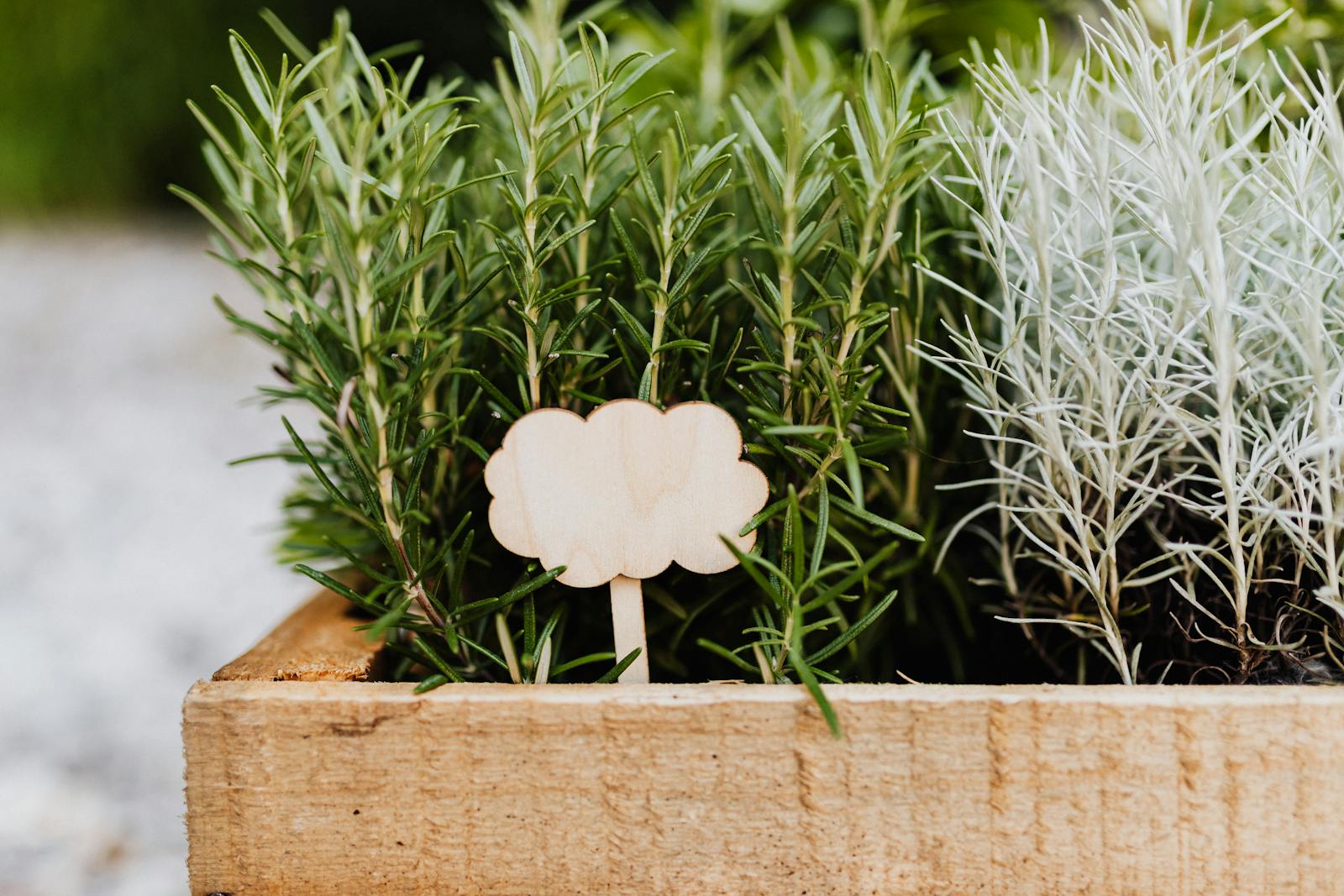
Two bottles of the same herb. Same species name on the label. Same dose. Completely different effect. Most people blame the brand or assume herbs just do not work consistently. The real answer is simpler and more interesting than that.
The plant’s chemistry changed before it ever reached the bottle.
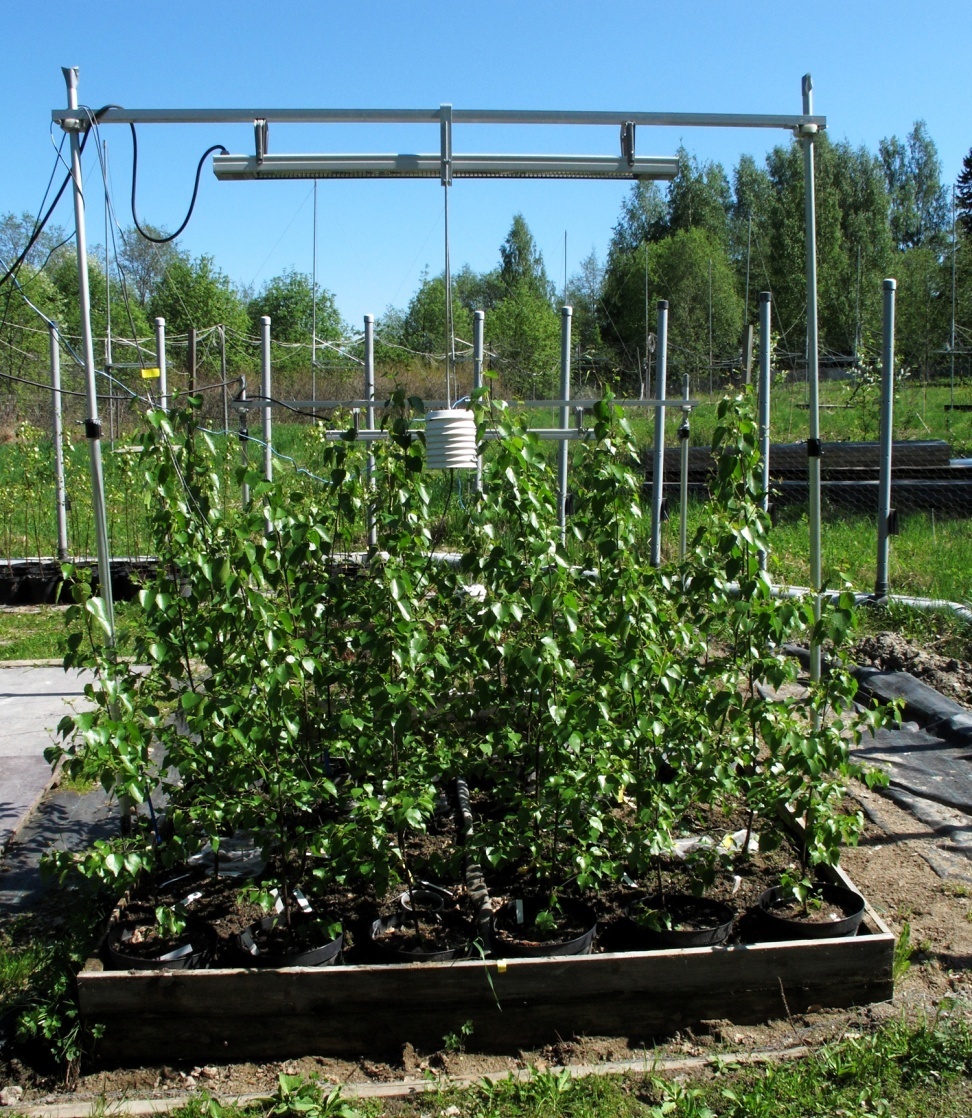
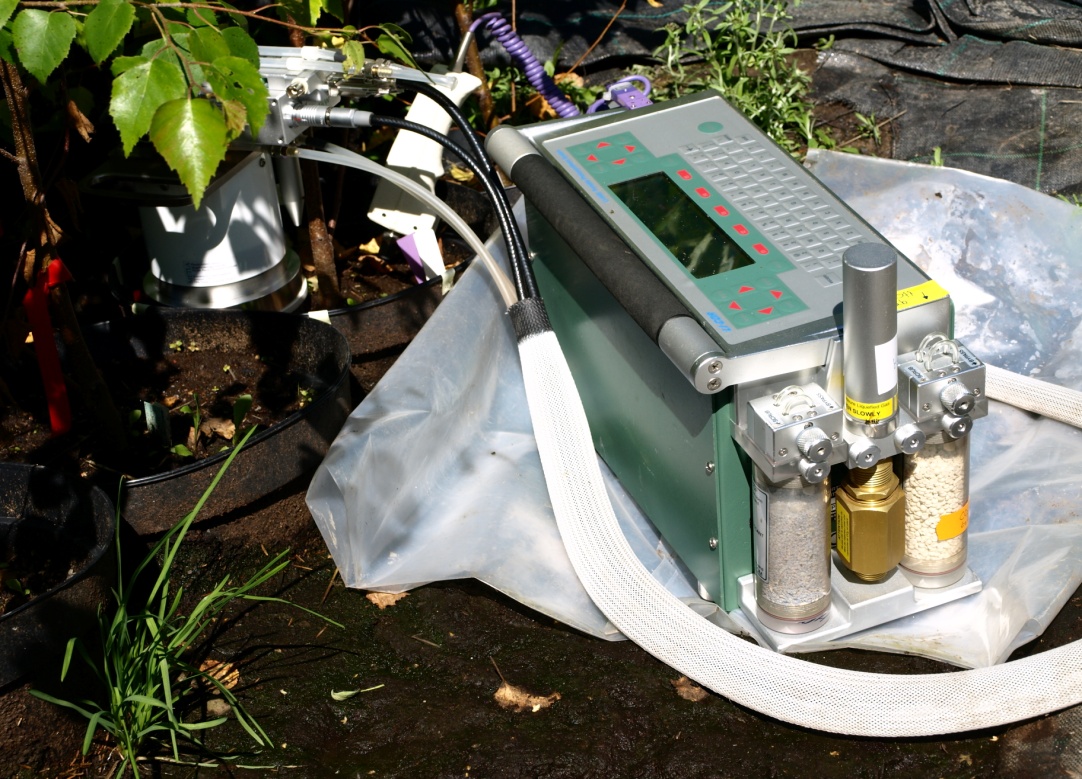
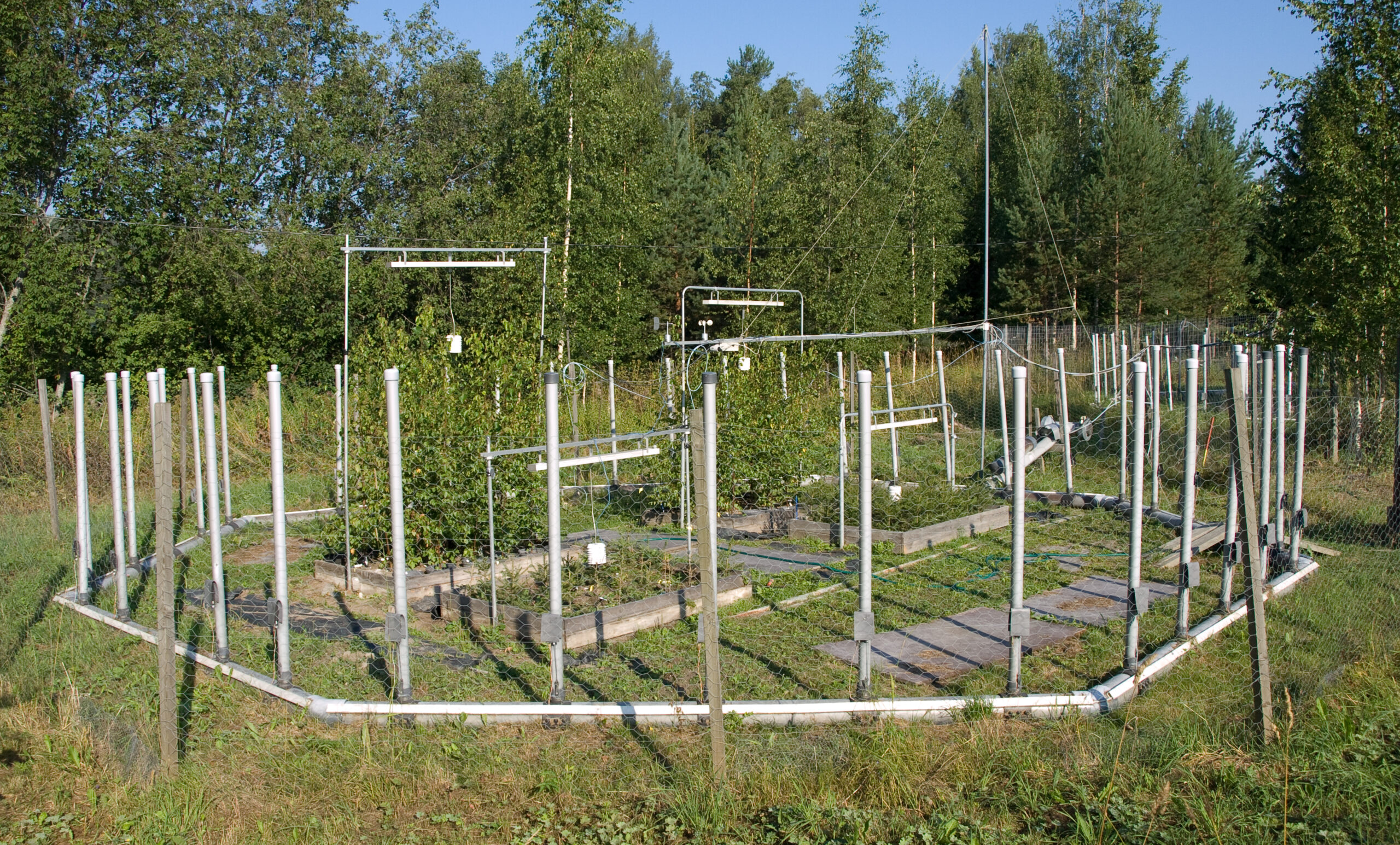
I studied this directly. My plant ecological stress physiology training covered how environmental conditions shift plant physiology and secondary metabolite production at a fundamental level. And my field research on silver birch (Betula pendula) gave me real data showing exactly how much environmental treatments can change measurable plant responses.
Two genotypes, same species, side by side, produced statistically different growth and soil respiration responses depending on what environmental pressure they were under. The plant reads its environment and responds chemically. That principle applies to every herb you buy or grow.
Why Two Batches of the Same Herb Can Be Completely Different
Secondary metabolites are the compounds that make herbs interesting. Flavonoids, terpenoids, phenolic acids, essential oils. These are not primary growth compounds. The plant produces them in response to environmental signals, as UV screens, pest deterrents, antimicrobials, and oxidative stress managers.
The key word is response. Production levels are not fixed. They shift depending on what the plant experiences during its life. A herb grown in full sun, nutrient limited soil, and moderate stress will accumulate different compound concentrations than one grown in shade, rich soil, and optimal watering conditions.
This is basic plant stress physiology. And it means that two batches of the same herb, same species, same label, can carry genuinely different chemistry.
What Soil Actually Does to Herb Chemistry
Soil is not just a physical anchor. It is the primary source of mineral nutrients that drive plant metabolism. Nitrogen, phosphorus, potassium, and trace elements all influence enzyme activity, protein synthesis, and secondary metabolite production.
Ashwagandha (Withania somnifera) grown in nutrient rich soil tends to produce higher withanolide concentrations in its roots than plants grown in depleted conditions. Lemon verbena (Aloysia citrodora) shows stronger aromatic oil profiles in well-drained sandy soils than in heavy waterlogged ones.
Soil biology matters equally. Mycorrhizal fungi associations influence phosphorus uptake and root chemistry. Microbial diversity affects nutrient cycling and availability. My biogeochemistry coursework covered how soil carbon and nitrogen cycles operate and how soil community composition responds to environmental change. What happens in the soil directly reaches the plant chemistry above ground.
Light, Temperature, and the Stress Chemistry Connection
Light is one of the most direct drivers of secondary metabolite production. UV radiation triggers flavonoid accumulation as a protective response. Plants grown in full sun generally accumulate higher concentrations of UV screening flavonoids and phenolic compounds than shaded plants.
Temperature affects metabolic rates, enzyme activity, carbon allocation, and the balance between primary and secondary metabolism. My field research showed this directly. Under elevated temperature treatment, silver birch (Betula pendula) soil respiration rates increased by 36 percent in gt15 and 24 percent in gt14 compared to controls. Temperature was shifting carbon allocation and metabolic activity measurably across the whole plant system. The same dynamic operates in herb plants under different temperature conditions.
Rosemary (Salvia rosmarinus) accumulates more rosmarinic acid and cineole under high light and moderate water stress. Thyme (Thymus vulgaris) produces higher carvacrol and thymol concentrations under similar conditions. The stress is not damaging the plant at these levels. It is prompting investment in protective chemistry.
Mild Stress vs Damaging Stress
This distinction matters. Mild environmental stress tends to increase secondary metabolite production. The plant invests more in defence chemistry when it needs to. Severe or prolonged stress pushes the plant past the point where it can maintain secondary metabolism alongside basic survival functions.
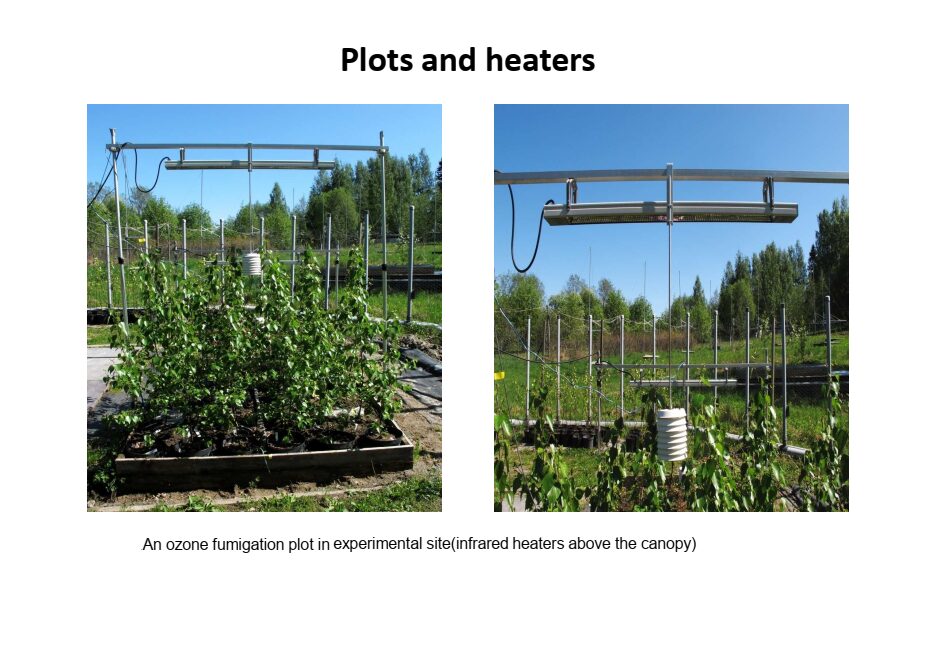
In my ozone treatment research, a single season of elevated ozone at 33.4 ppb produced relatively minor effects on birch growth overall. Ozone reduced stem diameter in gt14 at the end of the season under ambient temperature conditions. The combined temperature and ozone treatment actually cancelled the ozone effect on stem diameter. One season of moderate stress did not devastate the plants but it did shift their responses in measurable genotype specific ways.
For herb plants, the equivalent principle means that wild harvested material from exposed, moderately stressed environments often carries higher secondary metabolite concentrations than intensively cultivated plants grown under optimal low stress conditions. The plant produced more defensive chemistry because it needed to.
What Contaminants Do to Herb Quality
Plants do not filter everything out of their environment. Roots absorb whatever is available in the soil solution, including heavy metals like cadmium and lead from contaminated soils, and pesticide residues from sprayed fields or contaminated water sources.
These contaminants do not improve the chemistry of the herb. They accumulate alongside or instead of the active compounds. Roots tend to concentrate heavy metals more than aerial parts. Herbs grown near industrial areas, heavily trafficked roads, or irrigated with contaminated water carry a different risk profile than those grown in clean conditions.
My ecotoxicology coursework covered how toxic substances move through ecosystems and accumulate in biological tissues. The dose response relationships and bioaccumulation principles I studied there apply directly to heavy metal uptake in medicinal plants. Clean growing conditions are not just about potency. They are about safety.
How to Choose Better Herb Sources
Look for suppliers who test soil and water quality and publish results. Certified organic cultivation reduces pesticide contamination risk but does not eliminate all heavy metal concerns depending on soil history.
Wild harvested herbs from clean environments with moderate natural stress often carry stronger phytochemical profiles than intensively cultivated equivalents. Knowing which plant part was used matters. Roots carry more contamination risk than leaves and flowers in most species.
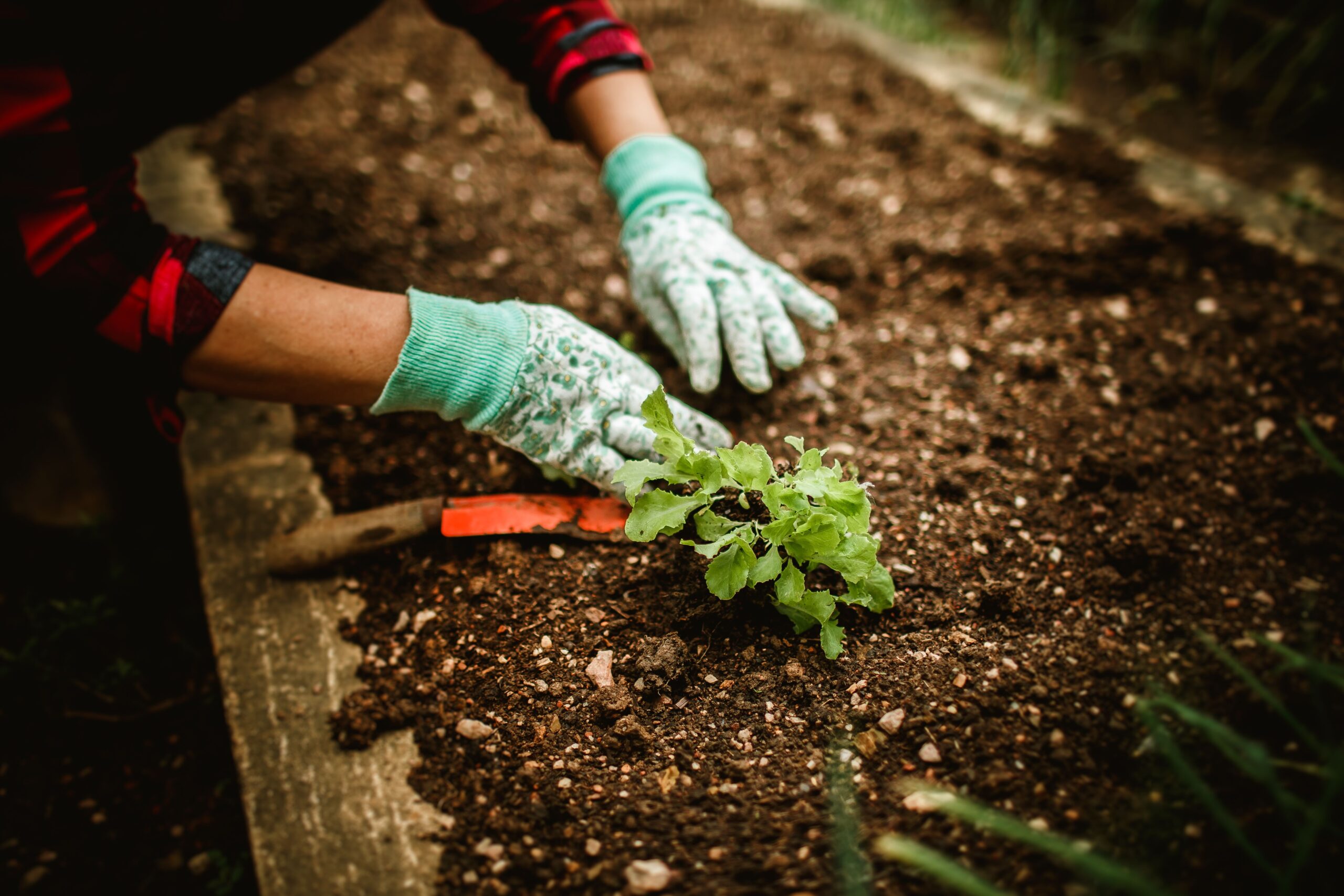
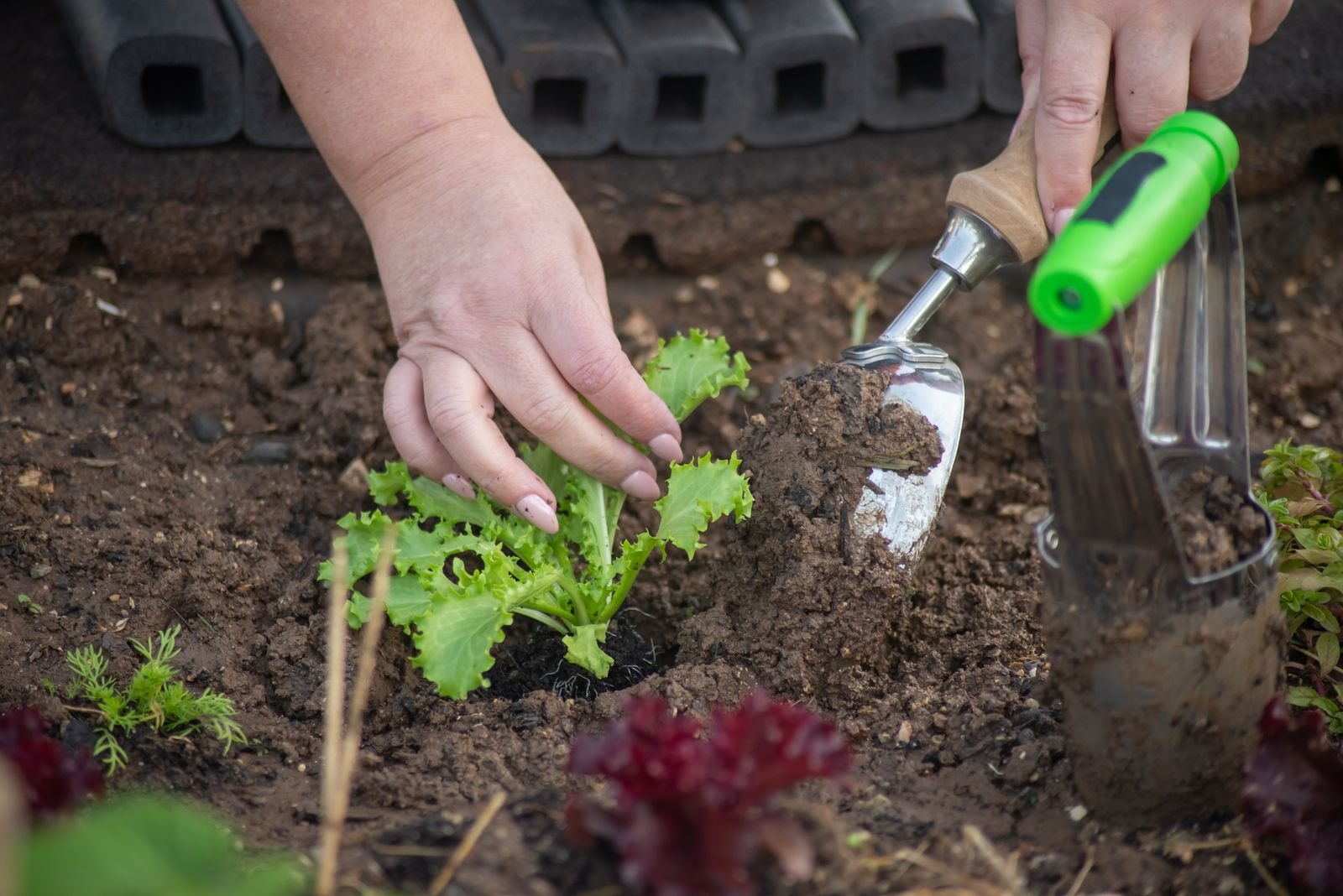
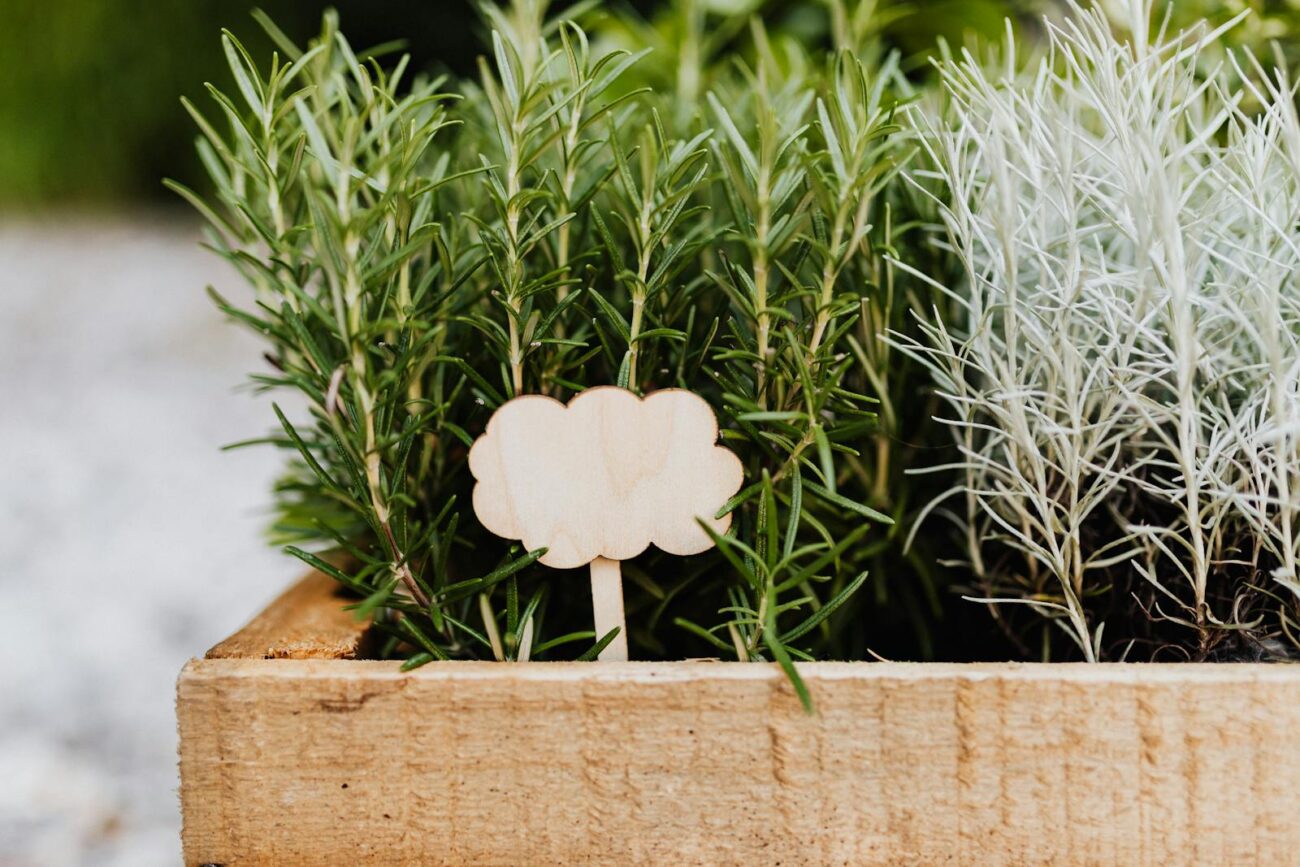
Growing your own gives you full control. A rosemary (Salvia rosmarinus) plant in full sun and slightly poor soil will likely produce stronger aromatic chemistry than one grown in rich shade. Small choices in how you grow make a real difference in what you harvest.
FAQ
Why do growing conditions affect herb potency?
Secondary metabolite production in plants responds directly to environmental signals. Light, temperature, soil nutrients, water stress, and pest pressure all influence how much defensive and protective chemistry a plant produces. Growing conditions are written into the chemistry of what you harvest.
Does wild harvested herb always have higher potency than cultivated?
Not always, but wild plants often accumulate higher secondary metabolite concentrations because they grow under more environmental stress without the controlled comfortable conditions of cultivation. The difference varies by species, location, and growing season.
How does soil quality affect herb chemistry?
Soil provides the mineral nutrients that drive plant metabolism. Nitrogen, phosphorus, and trace elements influence enzyme activity and secondary metabolite biosynthesis. Soil biology including mycorrhizal fungi and microbial communities also affects nutrient availability and plant chemistry.
Can the same herb species vary significantly between batches?
Yes significantly. Two batches of the same species grown under different conditions can carry genuinely different secondary metabolite profiles. This is basic plant stress physiology, not variation in product quality control alone.
What contaminants should I be concerned about in herbs?
Heavy metals like cadmium and lead accumulate in plant tissues particularly roots. Pesticide residues can be present in conventionally grown herbs. Herbs grown near roads, industrial areas, or irrigated with contaminated water carry higher contamination risk.
Does mild stress actually improve herb quality?
Mild environmental stress tends to increase secondary metabolite production as the plant invests more in defensive chemistry. Severe stress depletes resources and can reduce both primary growth and secondary metabolite production. The relationship is not linear.
Why do roots accumulate more contaminants than leaves?
Roots are the primary uptake organ for soil solution including dissolved minerals and contaminants. Heavy metals and some pollutants are more concentrated in root tissue than in aerial parts in most plant species.
Does sunlight exposure affect essential oil content in herbs?
Yes directly. UV radiation triggers flavonoid and phenolic compound accumulation as UV screening responses. Herbs grown in full sun generally accumulate higher concentrations of aromatic compounds and essential oils than shaded plants of the same species.
How does temperature affect herb chemistry?
Temperature influences metabolic rates, enzyme activity, carbon allocation, and the balance between primary and secondary metabolism. Moderate temperature increases can stimulate secondary metabolite production in some species. Extreme temperatures stress the plant beyond its capacity to maintain secondary metabolism.
Is organic certification enough to guarantee herb quality?
Organic certification reduces pesticide contamination risk but does not guarantee optimal phytochemical concentrations or absence of heavy metals. Soil history, light conditions, water quality, and growing practices all contribute to final herb chemistry beyond certification status.
Feature image: Search Pexels for “herbs garden sunlight growing”
Alt text: Fresh herbs growing in garden sunlight showing environmental conditions that influence secondary metabolite accumulation and phytochemical concentration in medicinal plant species

