







This article was written by Serge, MSc. Plant Biologist and Environmental Scientist with a BSc in Plant Biology and an MSc in Environmental Biology and Biogeochemistry. My background covers plant biochemistry, botany, and field research in forest and soil ecosystems. I write from real experience, not just literature.
Affiliate disclosure: This site has affiliate links, including Amazon. As an Amazon Associate I earn from qualifying purchases, at no extra cost to you.
About 90 percent of plant species on Earth form relationships with mycorrhizal fungi. I was surprised when I first learned that during my biogeochemistry training.
Not some plants. Not most plants. Nearly all of them.
That tells you something important. This relationship is not optional or supplementary. It is one of the most fundamental biological partnerships in terrestrial ecosystems. Plants and mycorrhizal fungi have been co-evolving for around 450 million years. They essentially colonised land together.
So when garden centres sell mycorrhizal fungi products and claim they will transform your plants, the underlying biology is real. The question is whether the products actually deliver it.
What Mycorrhizal Fungi Actually Are
Mycorrhiza means fungus root in Greek. It describes the physical relationship between fungal hyphae and plant root tissue.
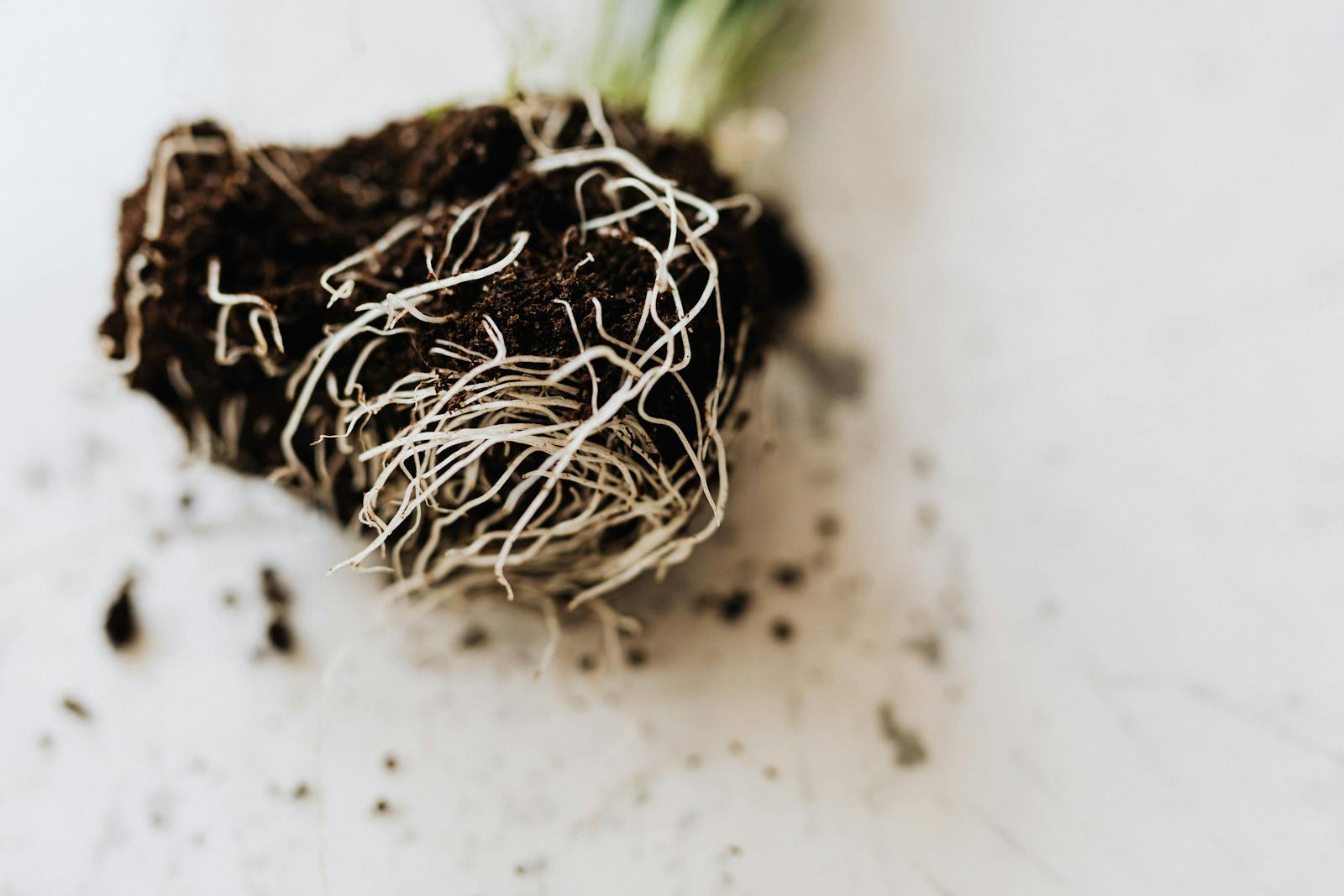
The fungus colonises root cells and extends its hyphal network through surrounding soil. Those hyphae are far finer than plant roots. They penetrate soil pores and reach moisture and mineral nutrients that roots simply cannot access physically.
Two main types worth knowing about.
Arbuscular mycorrhizal fungi, called AMF, grow inside root cells forming tree-like structures called arbuscules where nutrient exchange happens. These associate with around 70 percent of plant species including most vegetables, grasses, and herbaceous plants.
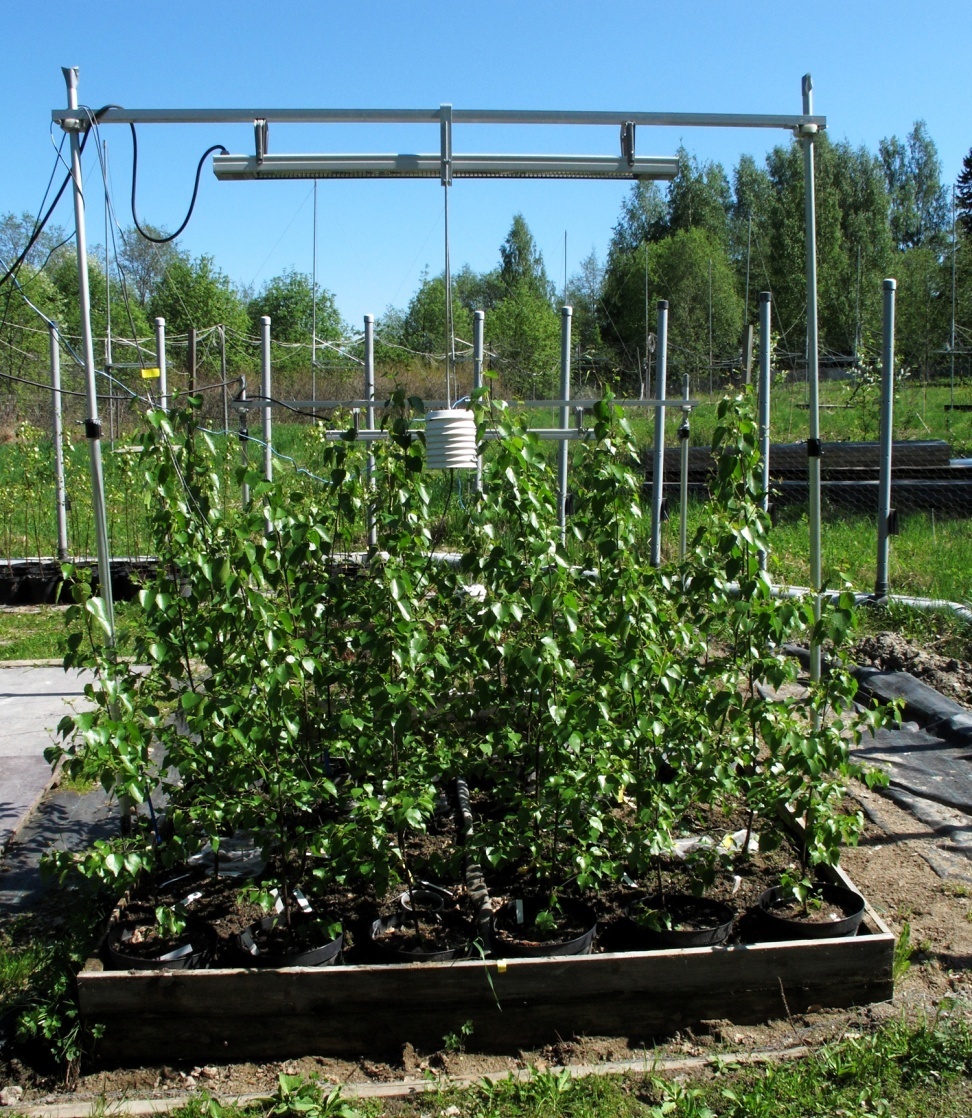
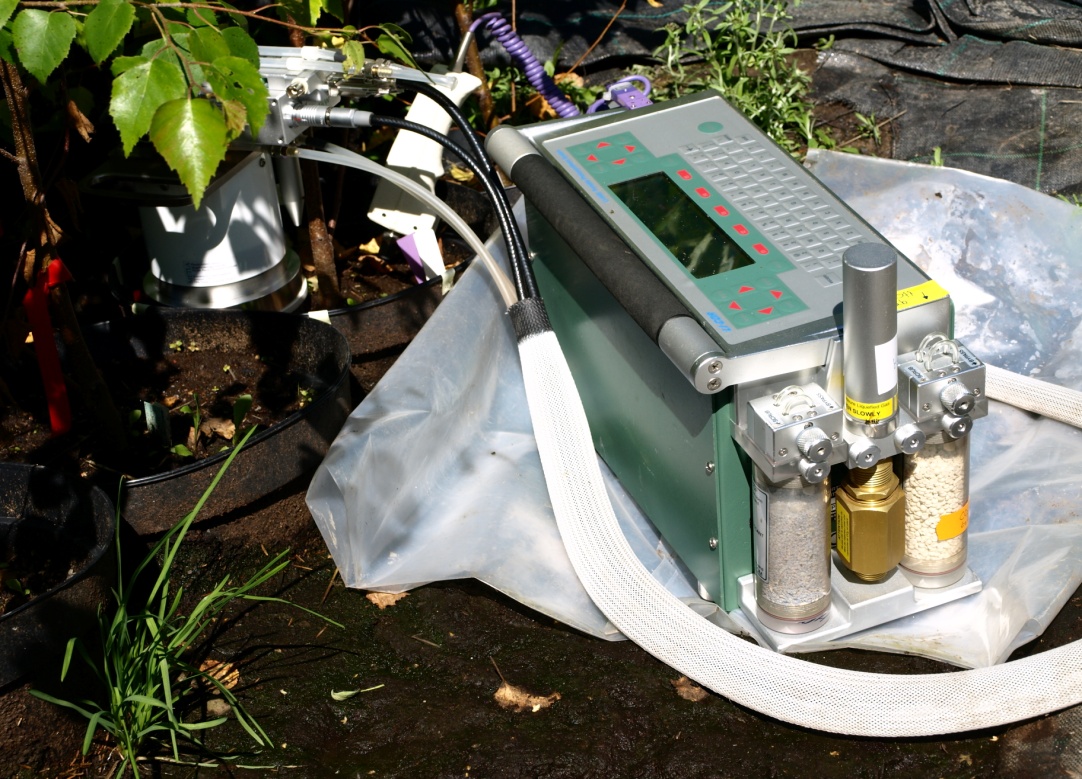
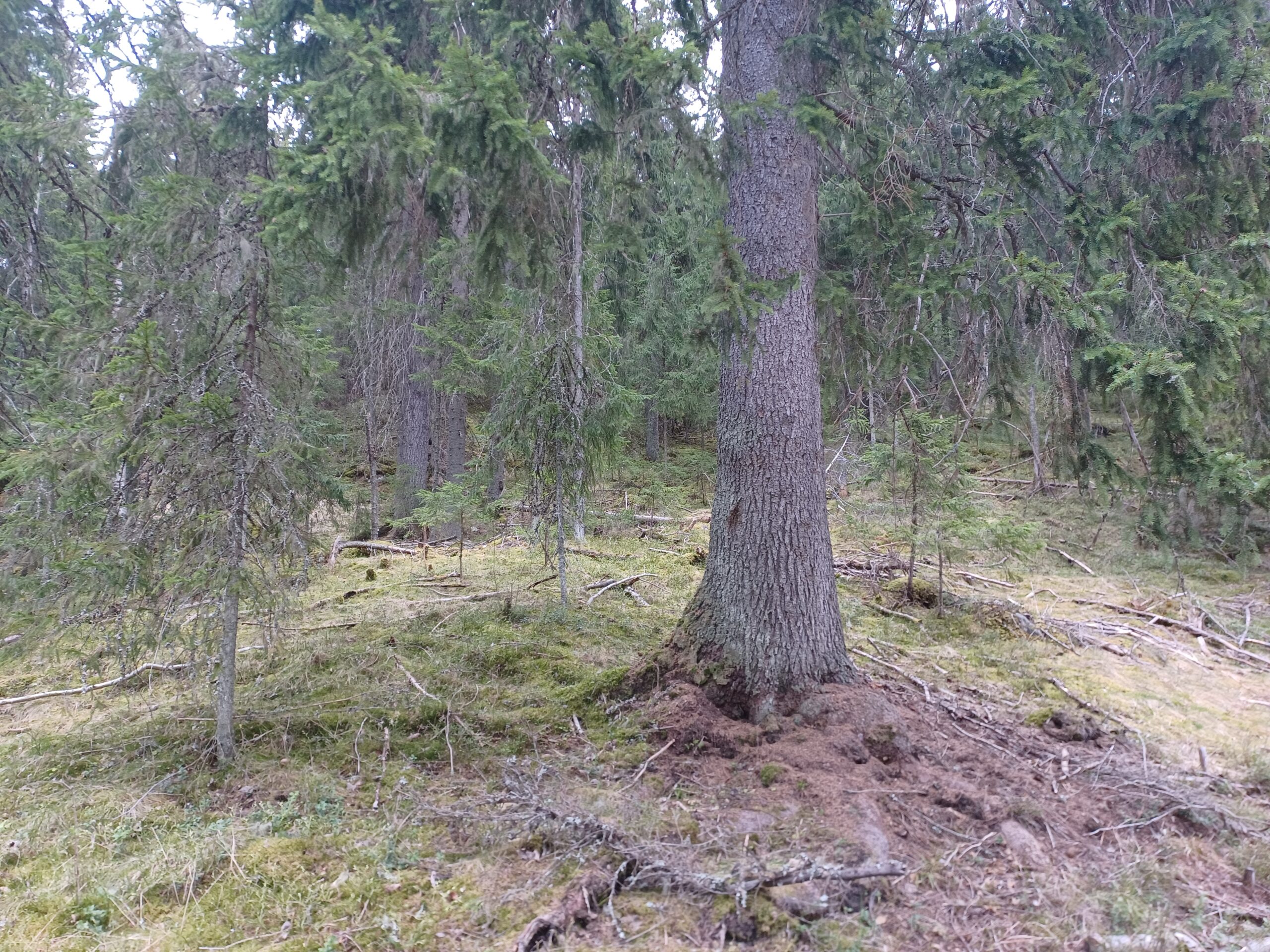
Ectomycorrhizal fungi form a sheath around the outside of root tips rather than penetrating inside. These associate primarily with trees including oak, pine, beech, and birch. The silver birch trees I measured in my field research had ectomycorrhizal associations. The soil carbon dynamics I was measuring were partly driven by the metabolic activity of those fungal networks.
The Exchange That Makes It Work
The relationship is mutual. Not one organism exploiting the other.
The plant provides the fungus with sugars. Photosynthetically fixed carbon that the fungus cannot produce itself because it has no chlorophyll. Estimates suggest plants channel 10 to 20 percent of their total photosynthate into feeding their mycorrhizal partners. That is a significant metabolic investment.
In return the fungus provides the plant with phosphorus, nitrogen, water, and other minerals from soil volumes the root system cannot reach alone. The hyphal network extends the plant’s effective foraging area by up to 700 times compared to roots alone.
Phosphorus is the critical exchange. It is relatively immobile in soil. It does not move toward roots the way nitrate does. Plants with healthy mycorrhizal associations access phosphorus from a dramatically larger soil volume than plants without. In phosphorus-limited soils, which most natural soils are, this difference is enormous.
The Network Between Plants
This is the part that captures most people’s attention. The wood wide web as journalists call it.
Mycorrhizal hyphal networks connect multiple plants simultaneously. Carbon can move between connected plants through these networks. Stress signals can move through them. A plant under attack by insects releases chemical signals that travel through the hyphal network and prime connected neighbours to upregulate their own defence chemistry before they are attacked.
I find this remarkable. Individual plants in a forest are not isolated competitors. They are nodes in a biological network exchanging resources and information continuously.
Whether this counts as communication in any meaningful sense is debated among plant biologists. The functional outcome is documented. The interpretation of what that means is still being worked out.
What Kills Mycorrhizal Fungi
This is practically important and most gardeners do not know it.
Phosphorus fertiliser is the biggest killer. When phosphorus is abundant, plants reduce investment in mycorrhizal partnerships because they do not need the fungal network anymore. The association weakens or breaks down entirely. High phosphorus fertilisation, including many organic fertilisers, suppresses mycorrhizal colonisation.
Tillage physically severs hyphal networks. A single pass of a rotavator destroys the network structure built over years. This is one of the core arguments behind no-till gardening. The mycorrhizal network is an asset that takes years to rebuild.
Fungicides, including systemic ones applied to plant foliage, reach root tissue and damage mycorrhizal fungi. Most product labels do not acknowledge this trade-off.
Bare soil kills mycorrhizal networks through starvation. Without living plant roots providing photosynthate, the fungal network has no carbon source and collapses. Keeping soil covered with living plants or mulch maintains the network.
Do Commercial Mycorrhizal Fungi Products Actually Work
Here is where I want to be direct because the marketing around these products is often misleading.
The biology is real. Adding viable mycorrhizal fungi spores to soil around plant roots can establish colonisation and improve plant performance, particularly in disturbed soils with depleted native fungal populations.
But several things determine whether a commercial product actually delivers that outcome.
Viability matters enormously. Mycorrhizal spores have a shelf life. Products stored incorrectly or past their best-before date may contain dead spores.
Believe it or Not….there is no way to tell from the packaging whether the spores are viable.
Phosphorus levels in your soil matter. If your soil already has high phosphorus from previous fertilisation, adding mycorrhizal fungi may do very little because plants will not invest in the partnership regardless.
Native populations matter. In undisturbed soil with a healthy biological community, native mycorrhizal fungi are almost certainly already present. Adding commercial inoculants to healthy soil rarely produces dramatic results because the niche is already occupied.
The situations where commercial mycorrhizal products actually add value are specific. New plantings in sterilised or heavily disturbed growing media. Garden soil that has been repeatedly tilled and heavily fertilised for years. Container planting where peat-based compost contains no native fungal populations.
For established garden beds with reasonable soil biology, the evidence for significant benefit from commercial inoculants is weak. Your money is probably better spent on reducing tillage, stopping high-phosphorus fertilisation, and mulching to maintain the native fungal population you already have.
Which Plants Do Not Benefit
Not all plants form mycorrhizal associations.
The Brassica family does not. Cabbage, broccoli, kale, cauliflower, and Brussels sprouts all lack the genetic machinery for mycorrhizal colonisation. Applying inoculants to brassicas is pointless.
Spinach and beets are also non-mycorrhizal.
Lupins are an interesting exception among legumes. Most legumes form mycorrhizal associations but lupins have evolved alternative phosphorus acquisition strategies through cluster roots instead.
For everything else, mycorrhizal associations are normal and beneficial.
Summary
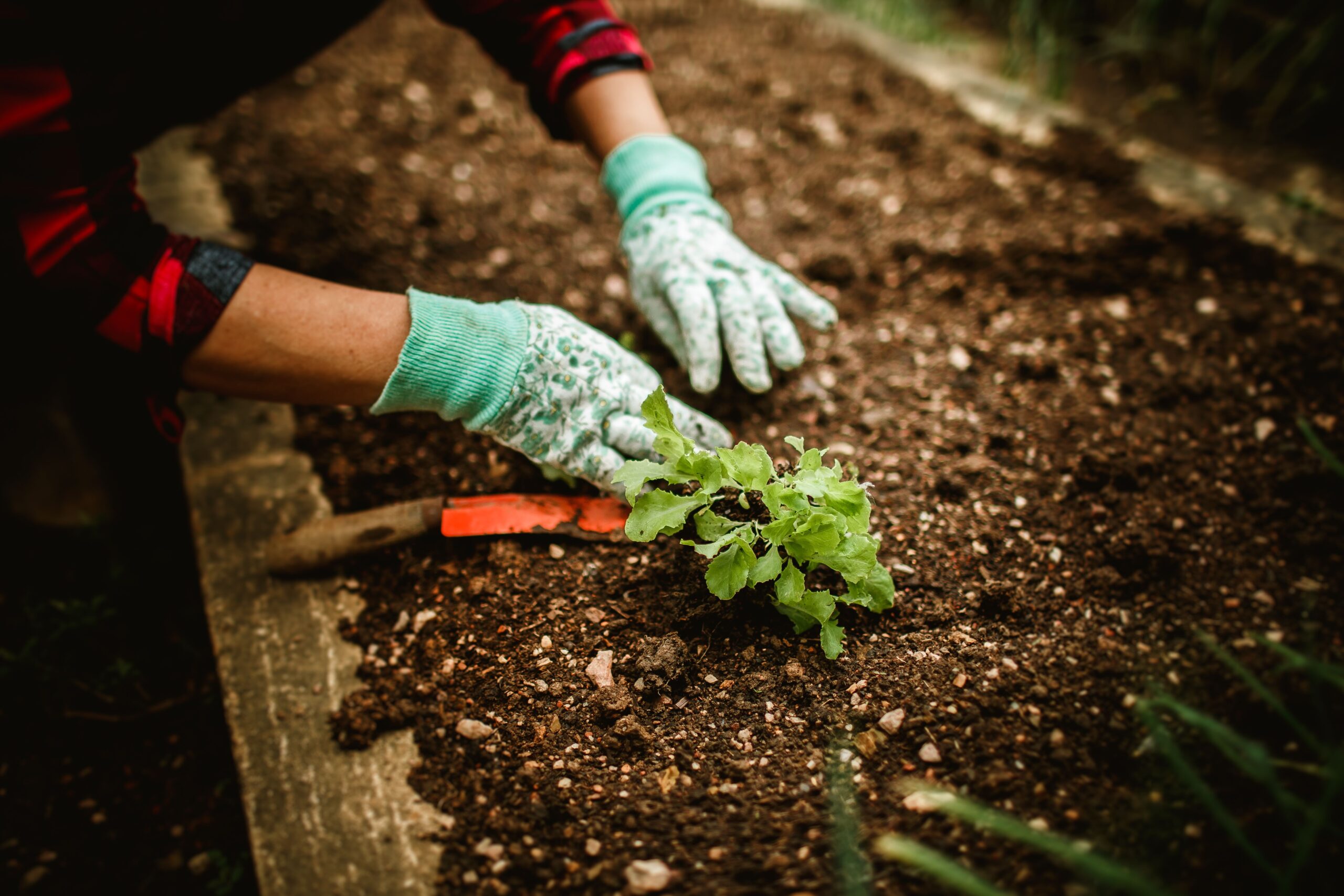
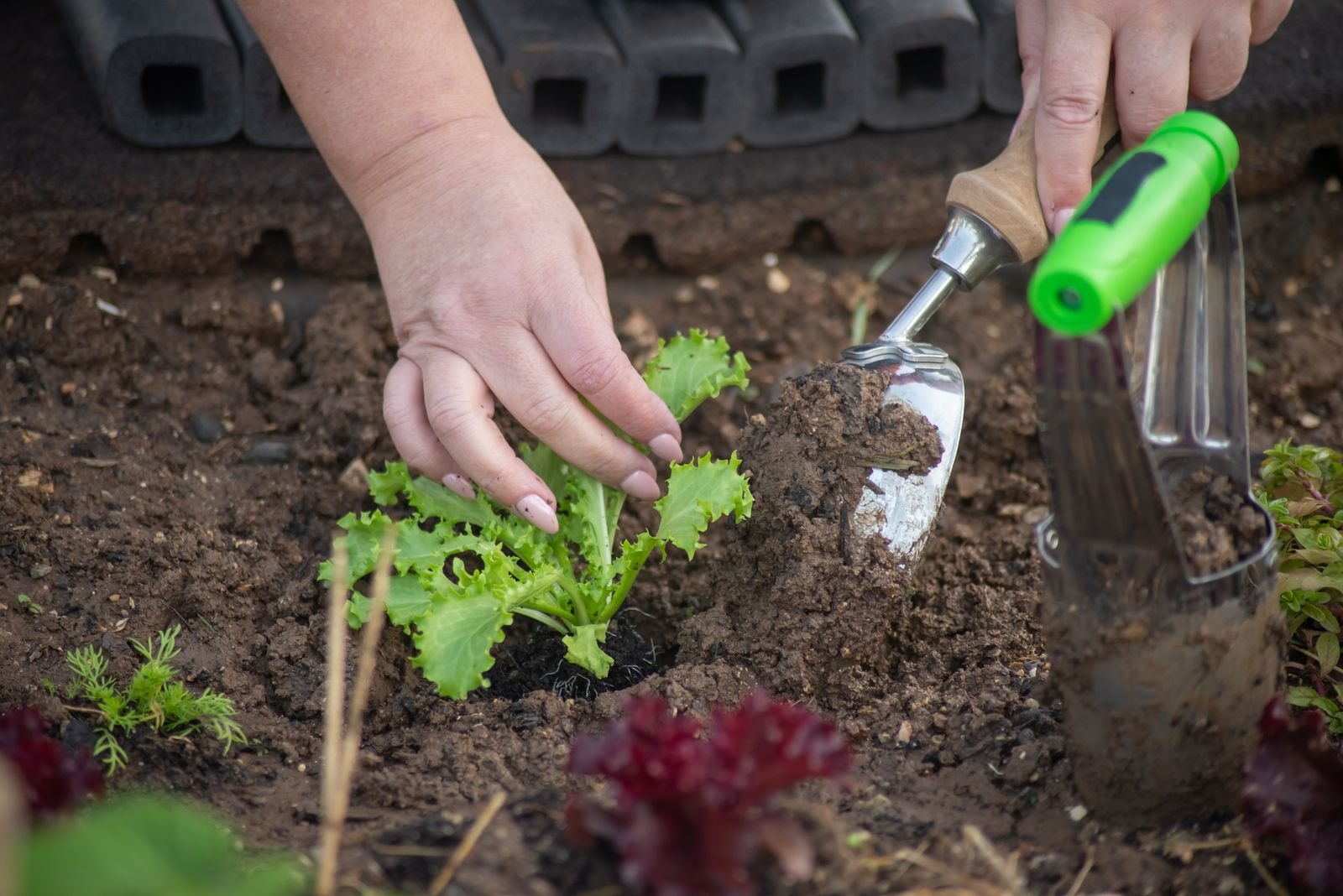
If your soil has been heavily tilled, repeatedly fertilised with phosphorus, and treated with fungicides, adding mycorrhizal inoculants when planting makes sense. Apply directly to root zone at planting. Powder or granule formulations in direct root contact work better than products mixed through large volumes of compost.
Check the product has a recent manufacturing date and has been stored correctly.
Stop high-phosphorus fertilisation. This single change does more for mycorrhizal network development than any inoculant.
Reduce tillage. Every time you till you restart the succession from zero.
Keep soil covered. Living roots or surface mulch maintains the carbon supply that keeps the network alive.
In a garden following these practices for two or three years, the native mycorrhizal community rebuilds naturally without any commercial input.
FAQs
Is mycorrhizal fungi worth using?
In heavily disturbed high-phosphorus soil yes. In healthy undisturbed soil the native population is likely already there and products add little. Stopping phosphorus fertilisation and reducing tillage does more than any product.
What plants do not benefit from mycorrhizal fungi?
Brassicas including cabbage, broccoli, kale, and cauliflower. Also spinach, beets, lupins, and most Proteaceae family plants. Applying inoculants to these is wasted money.
What kills mycorrhizal fungi?
High phosphorus fertilisation, tillage, systemic fungicides, and bare soil with no living roots to feed the network.
Do mycorrhizal fungi products expire?
Yes. Spore viability decreases over time and with incorrect storage. Always check manufacturing dates. Heat and moisture exposure kills spores before you even open the packet.
Can mycorrhizal fungi fix nitrogen?
No. Nitrogen fixation is done by bacteria in legume root nodules. Mycorrhizal fungi primarily improve phosphorus and water access. Different system entirely.
How do mycorrhizal fungi help plants communicate?
Hyphal networks connecting multiple plants allow carbon and chemical signals to move between them. Plants under stress release compounds that travel through the network priming neighbours to upregulate defence chemistry. Whether this counts as communication is debated but the functional outcome is real.

