










This article was written by Serge, MSc. Plant Biologist and Environmental Scientist with a BSc in Plant Biology and an MSc in Environmental Biology and Biogeochemistry. My background covers plant biochemistry, botany, and field research in forest and soil ecosystems. I write from real experience, not just literature.
Affiliate disclosure: This site has affiliate links, including Amazon. As an Amazon Associate I earn from qualifying purchases, at no extra cost to you.
I want to start with the smell because there is no avoiding it.
The first time I opened a bottle of valerian capsules I genuinely thought something had gone wrong with the product. That earthy, almost foul odour is not a sign of bad quality. It is isovaleric acid, a short-chain fatty acid that forms as valerian root material dries and processes. The precursor compounds in the fresh root convert enzymatically during drying and the result is something most people describe as old socks or pungent cheese.
Here is the thing I find amusing about it. Cats love it. The same isovaleric acid that makes humans recoil apparently signals something attractive to feline neurology. Whether that is evolutionary strategy on the plant’s part or pure coincidence I genuinely do not know. But a plant that smells terrible to the mammals most likely to dig up its roots while attracting animals that might disperse its seeds through digging activity nearby is either very clever or very lucky.
Where It Grows and Why the Root
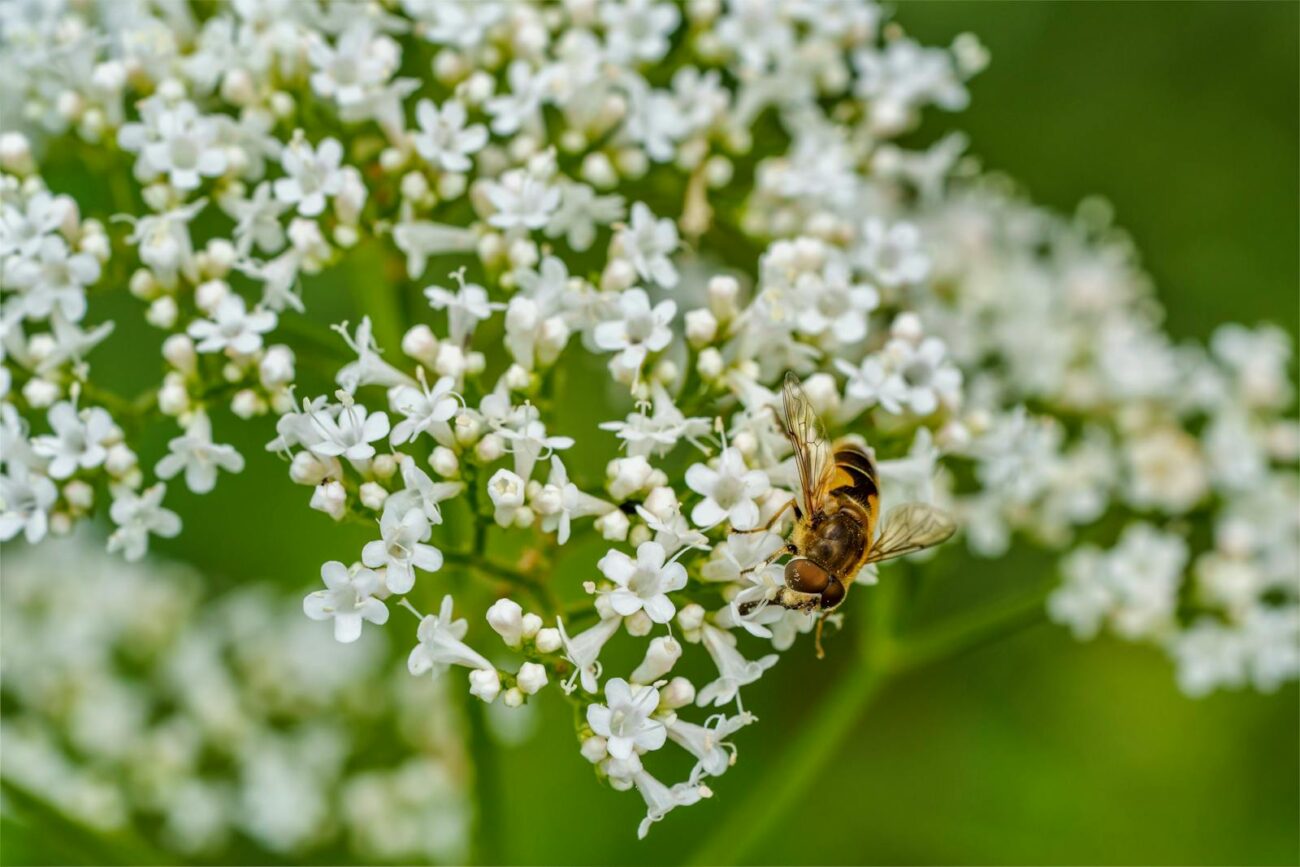
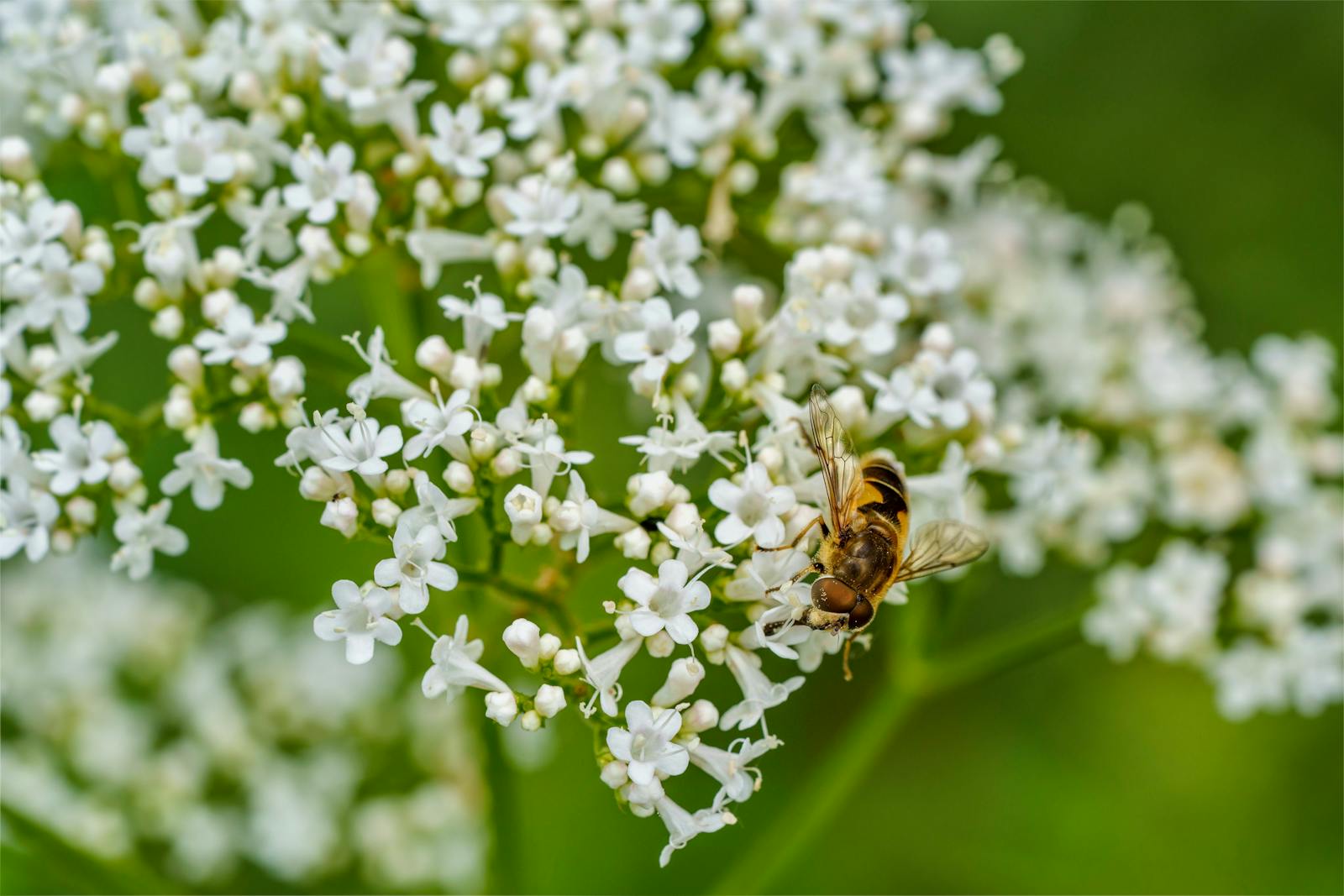
Valeriana officinalis grows in damp meadows and alongside streams across Europe and parts of Asia. Tall plant, up to two metres, with small pale pink or white flowers in dense clusters that smell genuinely pleasant. The flowers smell fine. The roots smell awful. This is not unusual in plant biochemistry. The plant invests its most potent defence chemistry where the threat is highest, and that is underground where soil pathogens and feeding invertebrates are a continuous problem.
I keep coming back to this pattern across medicinal plants because it is so consistent. Berberine concentrated in barberry root bark. Gingerols concentrated in ginger rhizome. Valerenic acid concentrated in valerian root. The ecology of where plants produce secondary metabolites tells you something about why they produce them. Root tissue needs chemical protection. The same chemistry that protects the root from fungal pathogens and insect feeding happens to be the chemistry we are interested in for human applications.
The flowers smell pleasant because they are trying to attract pollinators. The roots smell terrible because they are trying to deter herbivores. The plant has completely opposite signalling strategies above and below ground and both make perfect ecological sense.
The Actual Mechanism and Why I Find It Interesting
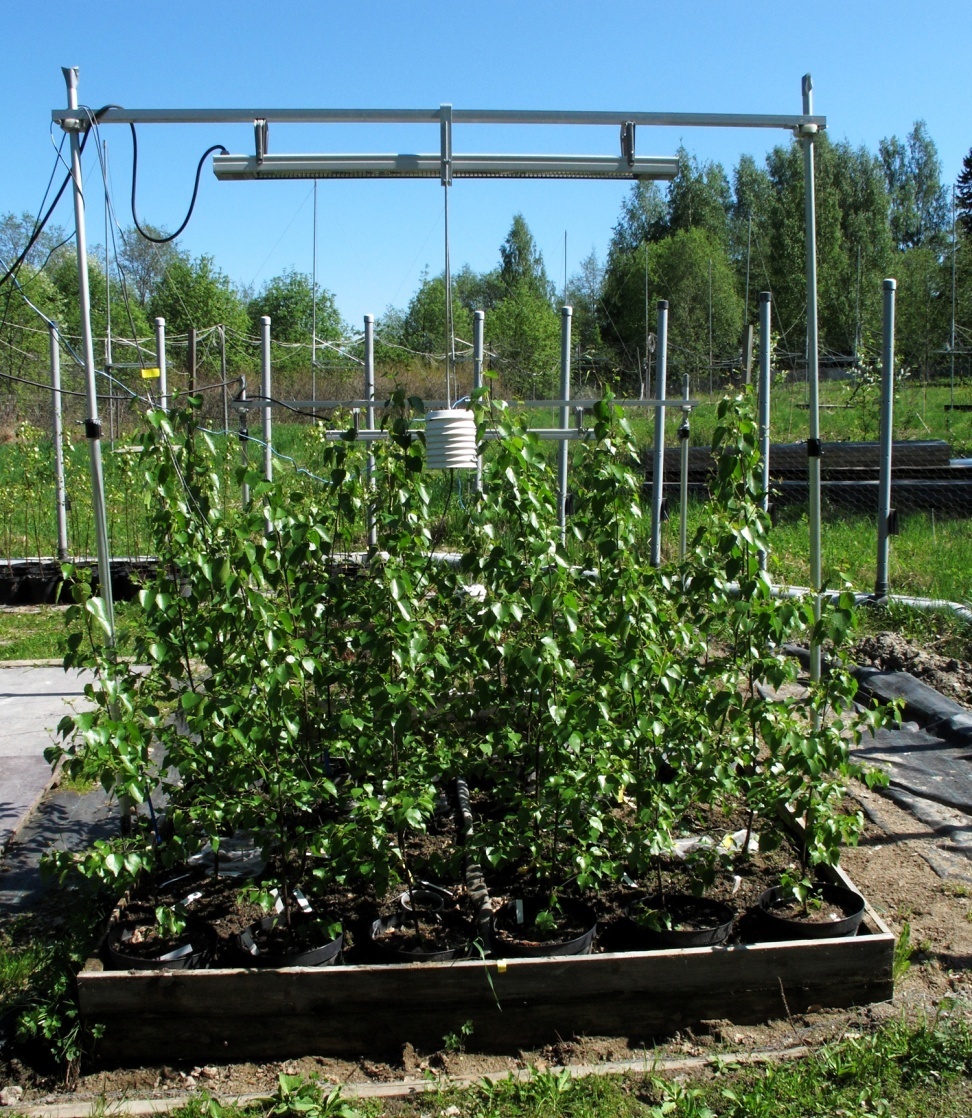
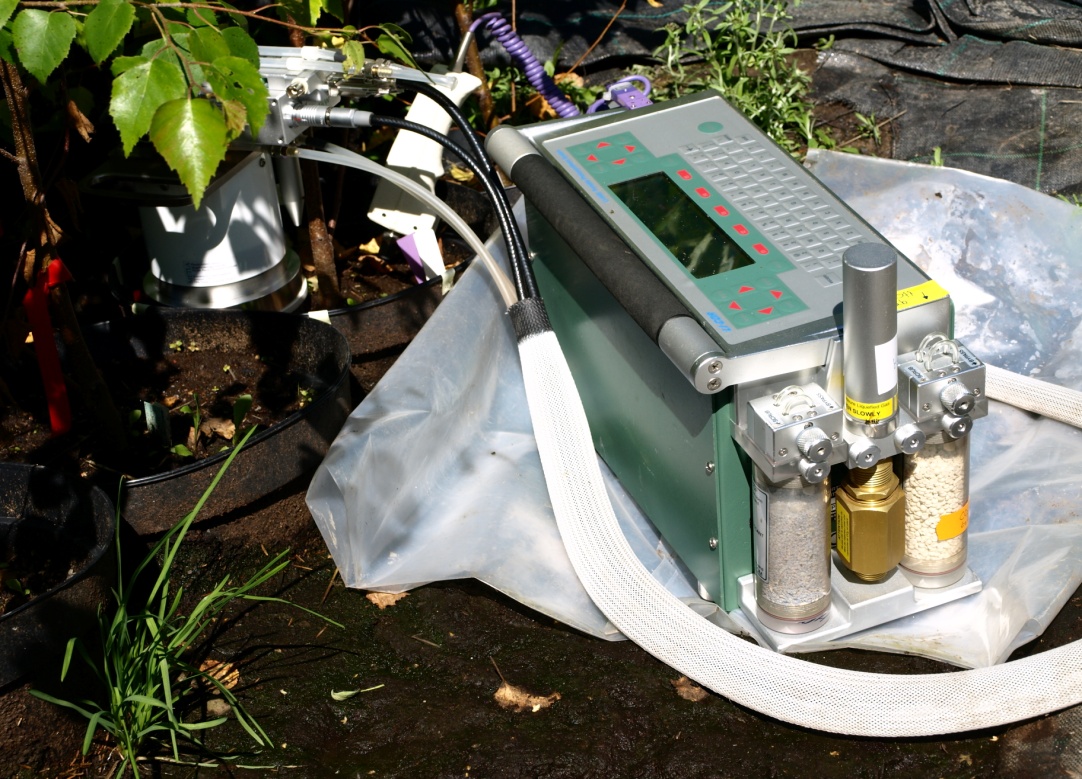
Valerenic acid is a sesquiterpene acid built through the isoprenoid pathway. Same fundamental biosynthetic route as the sesquiterpene volatiles I encountered in VOC research on boreal forest trees during my MSc fieldwork, though valerian produces them as non-volatile root compounds rather than atmospheric emissions.
What valerenic acid does in the mammalian nervous system is genuinely elegant and it took me a while to fully appreciate how the two mechanisms work together.
First thing: valerenic acid is a positive allosteric modulator of GABA-A receptors. It binds to a site on the receptor complex and makes the receptor more responsive to GABA without activating it directly. GABA is the main inhibitory neurotransmitter in the brain. More GABA-A receptor sensitivity means more inhibitory tone means the nervous system quiets down more effectively when GABA is present.
Second thing: valerenic acid inhibits GABA transaminase, the enzyme that breaks down GABA at synaptic junctions. Less breakdown means more GABA sticking around in the synapse for longer.
So it makes receptors more sensitive to GABA and it keeps GABA present for longer. Both at once. I remember thinking when I worked through this that it is a more mechanistically coherent approach to GABAergic modulation than I expected from a plant root. The two mechanisms are genuinely complementary rather than just additive.
Oh I see, and here is what strikes me about this from an ecological perspective. GABA-A receptors are conserved across animal species. Insects have them. Fish have them. Mammals have them. A plant producing compounds that disrupt GABA signalling in insects feeding on its roots has evolved a target that evolution preserved across hundreds of millions of years. The fact that the same compound works on mammalian GABA receptors is a consequence of that deep conservation. The plant did not evolve to help us sleep. It evolved to chemically confuse insects. We happen to share enough neurology with those insects for it to affect us too.
The Smell Getting Worse Over Time
This is practical and worth knowing.
Fresh valerian root smells considerably milder than dried or processed material. The isovaleric acid content increases as enzymatic reactions continue converting precursor compounds during storage. An old bottle of valerian capsules smells significantly worse than a fresh one and this is not just an aesthetic problem. The same enzymatic processes that produce isovaleric acid are also degrading the active sesquiterpene compounds.
So older valerian smells worse and works less well simultaneously. Buy from suppliers with good stock turnover. Check manufacturing dates. Store in cool dark conditions. This is specific chemistry not generic supplement advice.
What the Evidence Actually Shows
Sleep onset latency is the most consistently replicated finding. Multiple controlled trials show reductions in time to fall asleep with standardised valerian preparations. The effect is modest, roughly 15 to 20 minutes less time to fall asleep compared to placebo. Real but not dramatic.
Sleep quality improvement shows up too, specifically the subjective feeling of being more rested on waking. This is likely related to effects on sleep architecture during the night rather than simply sedating faster.
Anxiety has a smaller evidence base but the GABAergic mechanism makes it pharmacologically plausible. Some trials show modest reductions in anxiety scores. I would describe the anxiety evidence as promising rather than established.
The comparisons with melatonin and ashwagandha come up constantly in the search data and the honest answer is they are not substitutes for each other because they work through completely different mechanisms.
Melatonin regulates circadian timing through melatonin receptors. It does not sedate you, it signals your circadian system that night is happening. Most useful for timing problems like jet lag and shift work.
Valerian acts through GABAergic inhibitory mechanisms in the brain itself. Most useful for difficulty falling asleep due to neural arousal rather than circadian timing problems.
Ashwagandha reduces stress-driven cortisol elevation that causes arousal and prevents sleep. It builds over weeks. Valerian produces more immediate effects through direct GABA mechanisms.
Different tools for different sleep problems. None of them is universally better than the others.
Why It Sometimes Keeps People Awake
This one is genuinely interesting and I do not think anyone has a complete explanation for it.
Some people take valerian and feel more alert rather than less. The most plausible mechanism involves paradoxical effects on inhibitory interneuron networks. If the inhibitory neurons that normally suppress other inhibitory neurons are preferentially affected at certain doses, the net result can be increased excitation rather than decreased. It is the same mechanism behind paradoxical benzodiazepine reactions in some individuals, though valerian is pharmacologically distinct from benzodiazepines.
If valerian makes you feel wired rather than sleepy my honest suggestion is try a lower dose before abandoning it. Dose matters significantly with compounds acting on inhibitory receptor systems and the paradoxical response often disappears at lower doses.
The vivid dream thing is a separate issue. Enhanced REM activity or altered sleep architecture from GABAergic modulation can produce more vivid dreaming without being either beneficial or harmful. Some people find it interesting. Some find it disturbing. If dreams become a problem lower the dose.
Who Should Be Careful
People on sedative medications including benzodiazepines, z-drugs, and sedating antihistamines should be cautious about additive effects. The GABAergic mechanism means valerian can amplify sedation from other compounds.
Some valerian constituents have mild effects on CYP3A4 liver enzymes involved in drug metabolism. The clinical significance at normal doses is generally low but worth being aware of if you are taking multiple medications.
Pregnancy: not enough safety data. Avoid.
Beyond eight weeks of daily use the safety data gets thin. Cycling with breaks is the conservative approach and also makes pharmacological sense since continuous GABA-A receptor modulation could affect receptor sensitivity over time.
Quality Matters More Than Most People Realise
Standardisation to valerenic acid content is the key quality indicator. Products that specify valerenic acid percentage have undergone actual analytical testing of the relevant compound. Products that list only dried root weight with no standardisation data could contain almost anything.
The degradation issue I described means that batch freshness matters more for valerian than for many other supplements. A standardised product with a recent manufacturing date from a supplier with good turnover is meaningfully better than an unstandardised product sitting in a warehouse.
FAQs
What does valerian root actually do in the body?
Valerenic acid, the primary sesquiterpene acid in the root, does two things simultaneously. It enhances GABA-A receptor sensitivity as a positive allosteric modulator, making the receptor respond more strongly to GABA. And it inhibits GABA transaminase, the enzyme that breaks GABA down at synapses, keeping GABA active for longer. Both mechanisms increase inhibitory tone in the nervous system, which reduces arousal and supports sleep onset.
Why does valerian smell so bad?
Isovaleric acid forms during drying and processing as enzymatic reactions convert precursor compounds in the fresh root. The smell intensifies as preparations age and is also accompanied by degradation of the active sesquiterpene compounds. Worse smell generally means older and less potent preparation.
Is valerian better than melatonin?
They work through completely different mechanisms and address different sleep problems. Melatonin regulates circadian timing and is most useful for jet lag or shift work. Valerian reduces neural arousal through GABAergic mechanisms and is most useful for difficulty falling asleep due to a hyperactive nervous system rather than a timing problem. Neither is universally better.
Can valerian keep you awake?
Yes in some people at some doses. Paradoxical stimulation from GABA-A modulating compounds occurs through complex effects on inhibitory interneuron networks. Try a lower dose before concluding valerian does not work for you.
Is it safe to take valerian every night?
Up to eight weeks of daily use has reasonable safety data. Beyond that the evidence thins out. Cycling with breaks is the conservative approach. People on sedative medications should discuss with their healthcare provider given the additive GABAergic potential.
Why does valerian cause vivid dreams?
Possibly through effects on REM sleep architecture from GABAergic modulation during sleep stages when GABA activity patterns shift. The mechanism is not fully established. Lower dose often reduces the effect.

