













This article was written by Serge, MSc. Plant Biologist and Environmental Scientist with a BSc in Plant Biology and an MSc in Environmental Biology and Biogeochemistry. My background covers plant biochemistry, botany, and field research in forest and soil ecosystems. I write from real experience, not just literature.
Affiliate disclosure: This site has affiliate links, including Amazon. As an Amazon Associate I earn from qualifying purchases, at no extra cost to you.
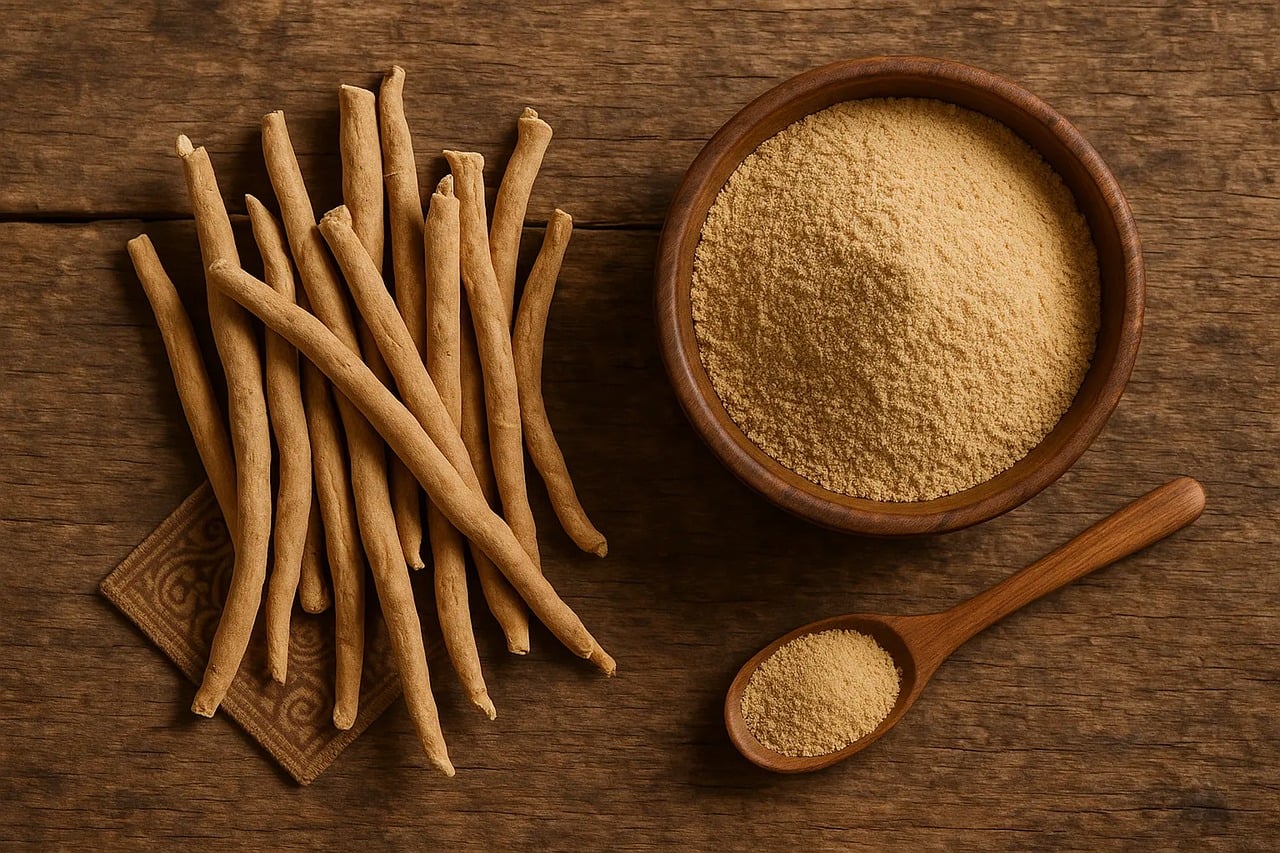
Ashwagandha gets discussed as if it is primarily a supplement. It is worth remembering it is a plant first. Withania somnifera is a member of the Solanaceae family, the same family as tomatoes, peppers, and deadly nightshade. It grows in dry rocky soils across India, the Middle East, and parts of Africa. The compounds that make it interesting pharmaceutically evolved for the same reason every secondary metabolite evolved: to help the plant survive in a challenging environment.
I find adaptogen plants genuinely interesting from a biochemistry perspective because the stress-response chemistry they produce often mirrors the stress-response biology they interact with in humans. Ashwagandha is a good example of this.
What Are Withanolides?
The primary bioactive compounds in ashwagandha are withanolides, steroidal lactones produced in the leaves, roots, and berries of the plant. Withaferin A and withanolide D are the most studied.
Withanolides are terpenoid-derived compounds, built from the same basic five-carbon isoprene units that produce most plant secondary metabolites including essential oil compounds and carotenoids. Their steroidal structure is what makes them biologically active in mammalian systems. Steroidal compounds can interact with steroid hormone receptors and signalling pathways because their structural similarity to endogenous steroids allows them to bind similar molecular targets.
The plant produces withanolides primarily as defence chemistry against insects and pathogens. The same structural properties that make them effective plant defenders make them biologically active in human physiology.
Root extracts contain higher withanolide concentrations than leaf extracts in most preparations. The root is where the plant stores its most concentrated secondary metabolite reserves, partly because roots are continuously exposed to soil pathogens and need persistent chemical defence.
How Ashwagandha Affects Cortisol
This is the most documented and most mechanistically understood effect. Multiple controlled trials show significant reductions in serum cortisol in subjects taking standardised ashwagandha extract compared to placebo.
The mechanism involves the hypothalamic-pituitary-adrenal axis, the hormonal cascade that regulates cortisol release under stress. Withanolides appear to modulate HPA axis activity, reducing the magnitude of cortisol response to stressors rather than simply blocking cortisol production outright.
There is also evidence for direct effects on the adrenal glands. Withaferin A has demonstrated activity against heat shock proteins including Hsp90, which plays a role in glucocorticoid receptor signalling. This is a plausible mechanism for the cortisol-modulating effects observed in clinical studies.
What this means practically: ashwagandha does not eliminate cortisol. Cortisol is essential for normal physiology. The evidence suggests it reduces the exaggerated cortisol responses to chronic stress that contribute to fatigue, sleep disruption, and anxiety. That is a meaningful distinction that most supplement marketing ignores.
The Thyroid Question
Several studies show ashwagandha increasing T3 and T4 thyroid hormone levels. This is biologically plausible since withanolides affect multiple endocrine pathways.
For people with normal thyroid function this is generally not clinically significant. For people taking thyroid medication or with diagnosed thyroid conditions, it is a genuine interaction risk that requires medical guidance. I am not going to make specific recommendations here because this is exactly the kind of individual clinical question that needs a healthcare professional who knows your specific situation.
What I can say from a biochemistry perspective: the thyroid interaction is real and documented, not hypothetical. It is not a reason to avoid ashwagandha categorically, but it is a reason to inform your doctor if you are taking thyroid medication.
Why Ashwagandha Is Banned in Some Countries
Denmark banned ashwagandha supplements in 2023 citing concerns about thyroid effects and potential liver toxicity at high doses. This is worth understanding clearly because the framing matters.
The concern is not that ashwagandha at normal doses is dangerous. The concern is that the Danish Food and Drug Authority assessed the evidence and concluded the safety margin at doses commonly found in supplements was insufficient for an unregulated consumer product where people self-dose without medical supervision.
Liver toxicity cases associated with ashwagandha are rare but documented in the medical literature. They appear to be idiosyncratic reactions rather than dose-dependent toxicity, meaning most people can take ashwagandha without liver effects but a small number of individuals have unusual sensitivity. Rare idiosyncratic reactions are a known risk category for many botanicals and some pharmaceuticals.
The bans in some jurisdictions reflect regulatory risk assessment decisions, not evidence that ashwagandha is uniformly dangerous. Context is everything here.
What the Evidence Actually Shows for Stress and Anxiety
The clinical trial evidence for ashwagandha is better than for most herbal supplements. Several randomised controlled trials using standardised root extract show:
Significant reductions in perceived stress scores compared to placebo. Reductions in serum cortisol. Improvements in sleep quality in stressed subjects. Some evidence for reduced anxiety symptoms.
The effect sizes are modest to moderate, not dramatic. Ashwagandha is not going to eliminate clinical anxiety or replace therapeutic interventions for serious stress-related conditions. But the evidence that it produces measurable physiological effects on the HPA axis stress response is reasonably solid compared to the weak evidence base for most adaptogens.
What confounds the research is standardisation. Different studies use different extract preparations with different withanolide concentrations. KSM-66 and Sensoril are the two most studied standardised extracts with the most consistent research behind them. Generic ashwagandha powder without standardisation to withanolide content is harder to evaluate because potency varies significantly between batches and suppliers.
This is the same quality control issue I covered in my organic essential oils article and my herbal quality article. Growing conditions, harvest timing, and extraction method all affect withanolide concentrations in the final product.
When to Take It and How Long It Takes
Most clinical trials use twice-daily dosing with food. Morning and evening with meals reduces the gastrointestinal side effects some people experience on an empty stomach.
The cortisol and stress effects develop over several weeks. Most studies showing significant results run for 8 to 12 weeks. Expecting immediate effects within days is unrealistic based on the mechanism, which involves gradual modulation of HPA axis activity rather than acute pharmacological effects.
Morning versus evening is less critical than consistency. The compounds accumulate in tissues over time rather than producing acute peaks and troughs.
Who Should Be Cautious
Pregnant women should avoid ashwagandha. There is traditional use suggesting it may stimulate uterine contractions, and the safety evidence during pregnancy is insufficient.
People with autoimmune conditions should discuss with their doctor first. Ashwagandha has immunomodulatory effects and its interaction with autoimmune disease is not well characterised.
People taking thyroid medication, sedatives, or immunosuppressants should inform their healthcare provider before using ashwagandha given the documented interaction pathways.
People with nightshade sensitivities should be aware that ashwagandha is in the Solanaceae family.
FAQs
What does ashwagandha do to the body?
The primary documented effects involve the HPA axis stress response. Standardised root extracts reduce serum cortisol levels and perceived stress scores in controlled trials. Withanolides, the primary bioactive compounds, modulate glucocorticoid receptor signalling and appear to reduce the magnitude of cortisol responses to chronic stress.
How long does ashwagandha take to work?
Most clinical trials showing significant effects run for 8 to 12 weeks. The mechanisms involve gradual modulation of HPA axis activity rather than acute pharmacological effects. Expecting results within days is inconsistent with the documented mechanism. Consistent daily use over 8 to 12 weeks is the minimum timeframe supported by the research.
Does ashwagandha lower cortisol?
Multiple controlled trials show significant reductions in serum cortisol with standardised ashwagandha extract compared to placebo. The mechanism involves modulation of HPA axis activity rather than direct cortisol blocking. The effect reduces exaggerated stress-driven cortisol responses rather than eliminating cortisol entirely.
Why is ashwagandha banned in some countries?
Denmark banned ashwagandha supplements in 2023 based on a risk assessment of thyroid effects and rare liver toxicity cases at doses commonly found in supplements. The ban reflects a regulatory decision about acceptable risk for an unregulated consumer product, not evidence that ashwagandha at normal doses is uniformly dangerous. Regulatory status varies significantly between countries.
Should ashwagandha be taken morning or night?
Most clinical trials use twice-daily dosing with food. Consistency is more important than timing. Taking with meals reduces gastrointestinal side effects. The compounds accumulate over weeks rather than producing acute effects, so the specific timing within a day is less critical than daily consistency.
What are withanolides?
Steroidal lactones produced in ashwagandha leaves, roots, and berries as secondary metabolites. Their steroidal structure allows them to interact with steroid hormone receptors and signalling pathways in mammalian physiology. Withaferin A and withanolide D are the most studied. Root extracts contain higher concentrations than leaf extracts.
Can ashwagandha cause anxiety?
In some individuals yes. The mechanisms are not fully understood but may relate to individual variation in HPA axis response or to stimulatory effects at certain doses. This appears to be uncommon but is documented. Starting with lower doses and monitoring response is sensible.
Is KSM-66 better than standard ashwagandha powder?
KSM-66 is a standardised root extract with documented withanolide concentration and the most consistent clinical research behind it. Generic ashwagandha powder without standardisation varies significantly in withanolide content between batches and suppliers. For research-backed dosing, standardised extracts are more reliable than generic powder.

