








This article was written by Serge, MSc. Plant Biologist and Environmental Scientist with a BSc in Plant Biology and an MSc in Environmental Biology and Biogeochemistry. My background covers plant biochemistry, botany, and field research in forest and soil ecosystems. I write from real experience, not just literature.
Affiliate disclosure: This site has affiliate links, including Amazon. As an Amazon Associate I earn from qualifying purchases, at no extra cost to you.
Most people evaluating eco products stop at the label. Organic certification, responsible sourcing, clean packaging. These things matter. But they don’t tell you what happened underground before the plant was ever harvested.
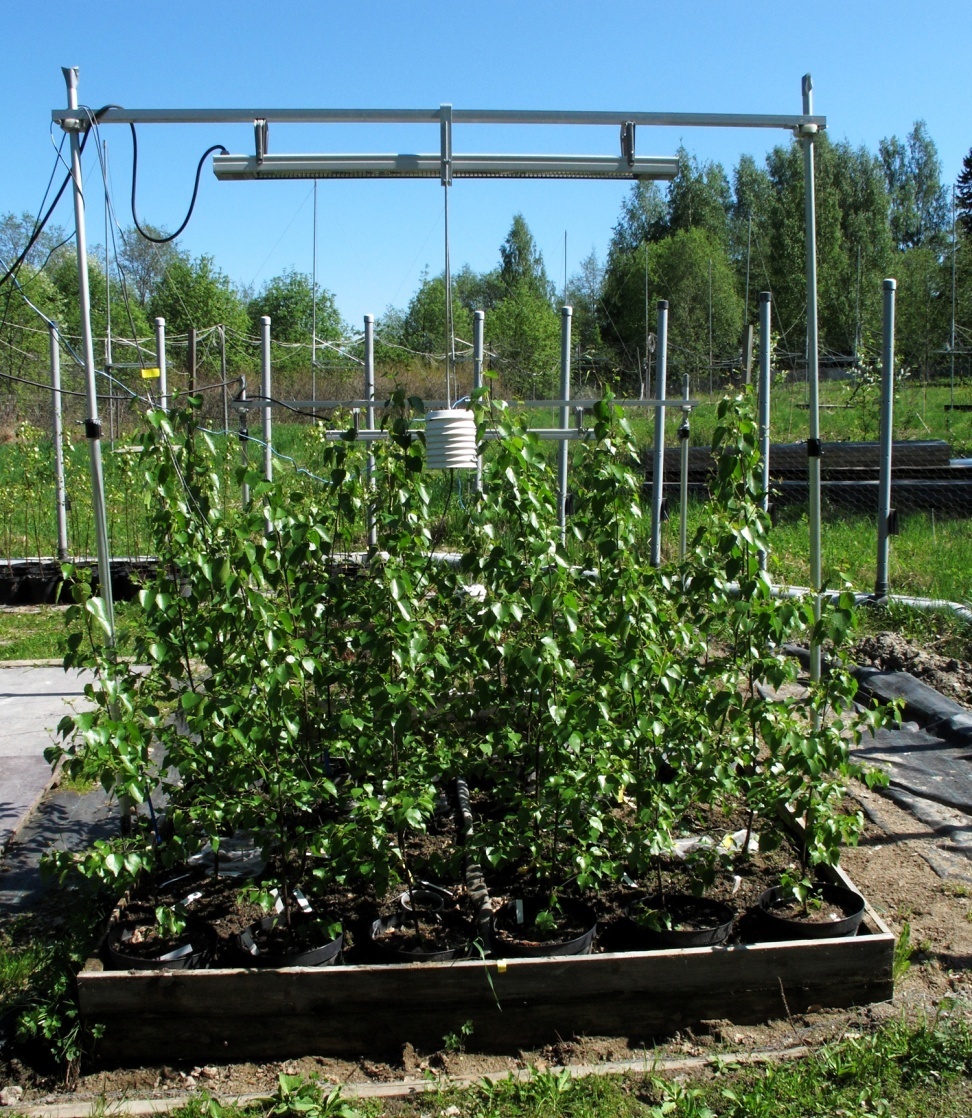
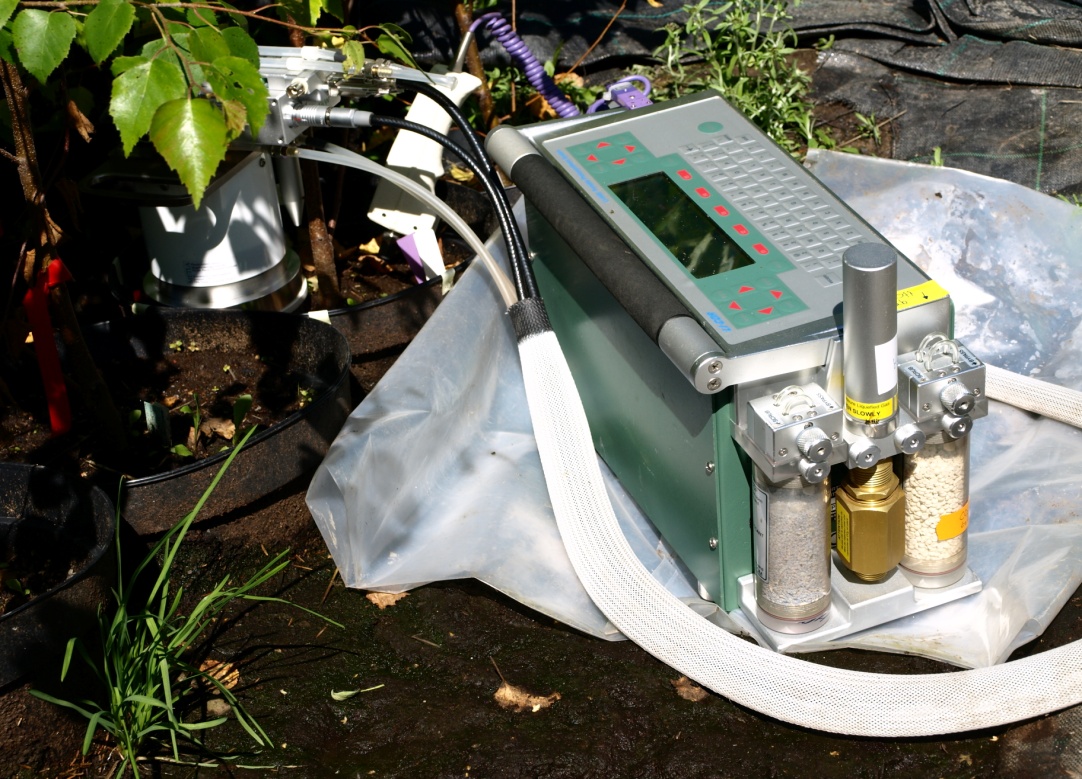
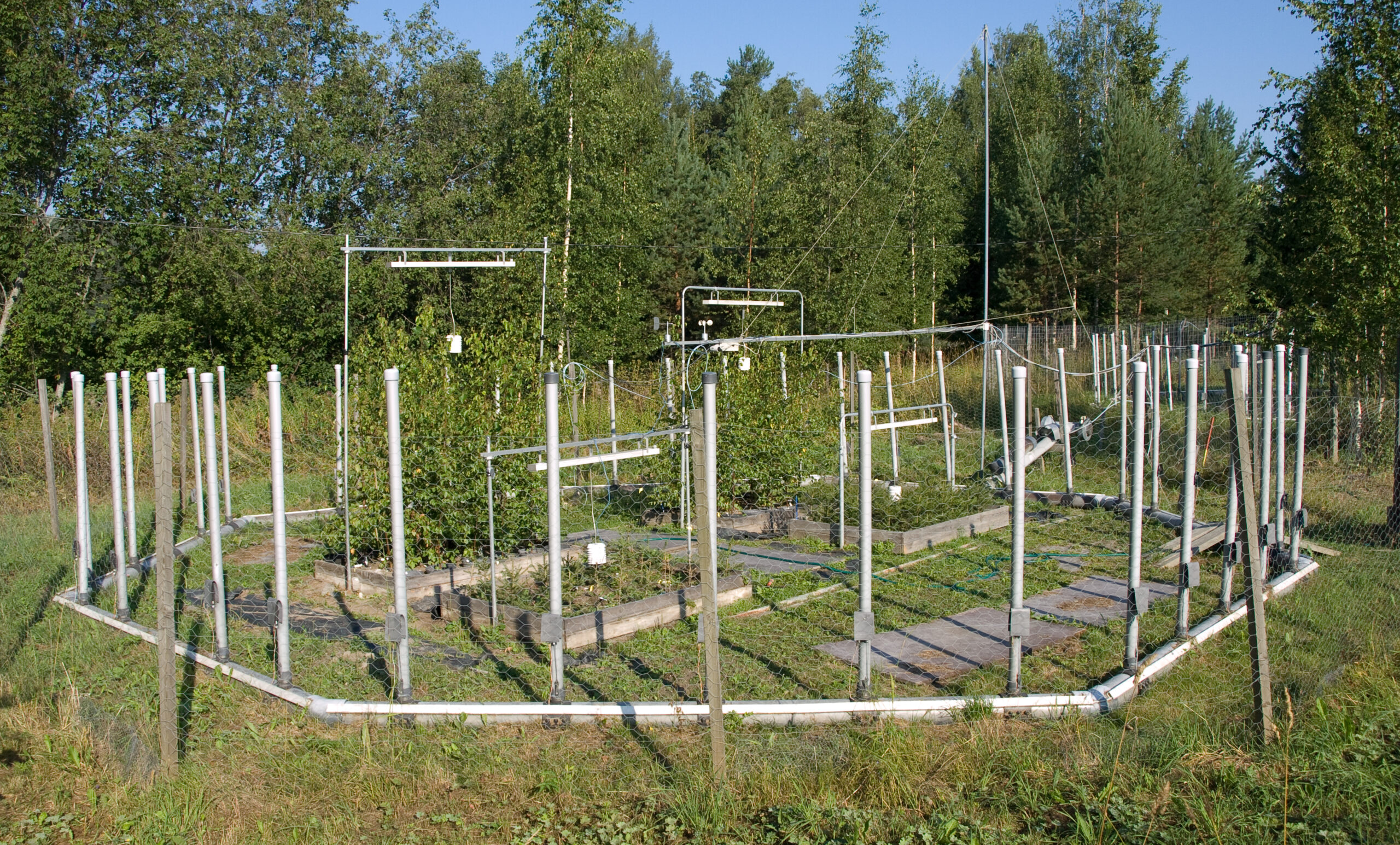
I spent time in the field measuring soil CO₂ efflux under controlled temperature and ozone conditions. What I observed was straightforward: even a modest increase in soil temperature changed how the entire system behaved. Root respiration shifted. Microbial activity changed. And critically, the response was not the same across different plant genotypes.
That field experience changed how I think about plant quality. By the time a herb reaches a product, the soil has already determined what that plant was capable of building. No amount of processing recovers what was never developed underground.
That is what this article is about.
Why Soil Temperature Quietly Shapes Plant Quality
Most climate discussions focus on air temperature. But plants don’t live in the air. Their roots and the microbes they depend on live in soil.
And soil temperature matters. A lot.
In my research work, I saw that even modest increases in soil temperature changed respiration rates. In some genotypes, the increase was substantial. This wasn’t just “more activity.” It was a shift in how energy moved through the entire system.
Soil respiration reflects the combined metabolism of roots and microbes. When it rises, it means carbon is moving faster. Nutrients are being transformed. Energy is flowing.
Sometimes that’s a good thing.
Sometimes it’s a warning sign.
For plants used in herbal remedies or eco products, this matters because soil temperature directly influences how active microbes are, how efficiently roots absorb nutrients, and how much energy plants have to build complex compounds.
A difference of just one or two degrees in the soil can change what a plant is able to produce.
Carbon Cycling: The Part No One Talks About
Carbon isn’t just a climate metric. It’s the building block of plant chemistry. Every polyphenol, flavonoid, and aromatic compound in an herb exists because carbon was available and properly cycled through the soil-plant system.
When carbon cycling works well, microbes break down organic matter at a pace plants can actually use. Roots respire, energy flows, and plants invest carbon into structure and chemistry.
In my silver birch field study, warming increased soil respiration, especially in one genotype, creating a hyper-metabolic state: microbes were highly active, but not all carbon became plant biomass. Above ground, plants looked normal, yet leaf area and carbon allocation suggested they were chemically thinner below ground.
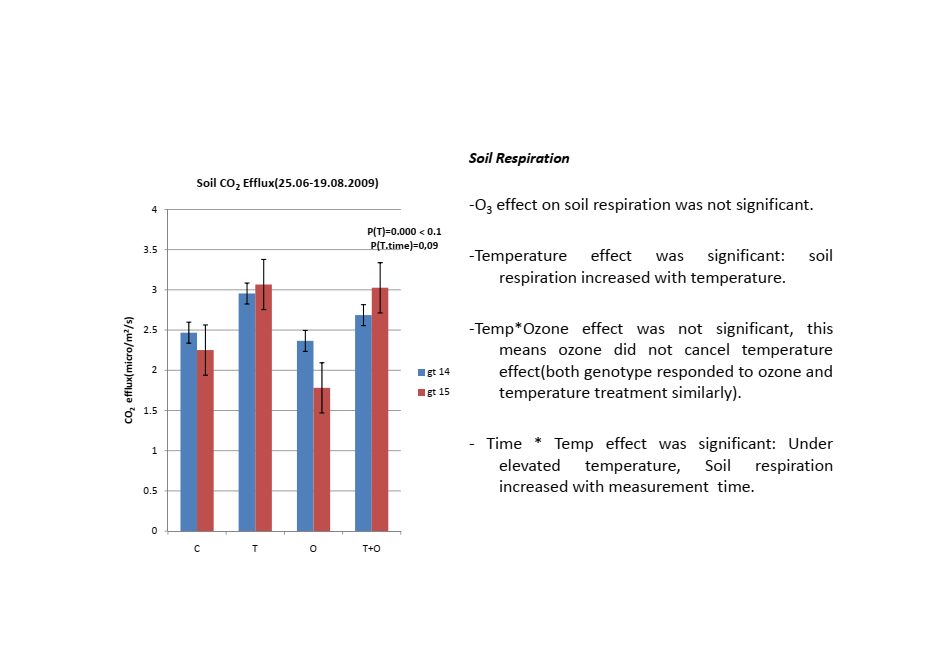
This matches research showing that elevated microbial activity can accelerate carbon loss from soils even when plants appear healthy. When carbon cycling slips like this, the subtle chemical changes can quietly reduce the quality of plant-derived products.
When Stress Helps, and When It Hurts
There’s a popular idea that stressed plants are stronger plants. Sometimes that’s true. Sometimes it’s not.
What I’ve seen is that context matters.
Mild, short-term stress can push plants to produce more secondary compounds. But prolonged or intense stress, especially related to soil temperature, often does the opposite.
Cold soils slow microbes down. Minerals stay bound. Plants struggle to access what they need.
Overheated soils push respiration so hard that plants shift their priorities: water transport comes first, while nutrient uptake takes a back seat.
The result isn’t a dramatic failure. It’s a quiet dilution. Plants survive. Products are produced. Yet the chemical richness never fully develops.
What This Means for Eco Products
A product can be organic, responsibly packaged, and ethically sourced, and still be biologically underwhelming.
If the soil system was stressed or poorly managed, the plant simply didn’t have the conditions needed to reach its full potential.
This matters for herbal teas that taste flat, tinctures that feel inconsistent, and skincare products that rely on plant actives but deliver uneven results.
True sustainability isn’t just about reducing harm. It’s about enabling biological efficiency. Healthy soils do this naturally. Stressed soils don’t.
How I Personally Evaluate Eco Quality Now
After studying soil respiration and carbon dynamics, I can’t look at plant-based products the same way anymore.
I don’t just ask: is it organic? Is it certified?
I ask: what kind of soil did this plant grow in? Were microbial systems supported or disrupted? Was carbon cycling efficient, or was the soil burning through energy?
Most labels can’t answer those questions. But some brands are starting to understand that soil transparency is the next frontier.
Healthy soils don’t just support plants. They shape them. They determine how minerals move, how energy is allocated, and how complex plant chemistry becomes. When soil temperature, microbial activity, and carbon cycling are balanced, plants can invest in richness rather than mere survival. That’s when you get raw materials truly worth turning into eco products.
Summary
After working directly with soil systems, one thing became clear to me: quality isn’t something you fix at the end.
You can’t extract what was never built. The real story of eco products, herbal remedies, and plant-based ingredients starts underground, where soil temperature, microbes, and carbon quietly decide what a plant is capable of becoming.
That’s the part of the conversation I think we’ve been missing.
FAQs
Can organic or natural fertilizers replace healthy soil biology?
No. Fertilizers, organic or synthetic, supply nutrients, but they don’t replicate microbial processes. Without active microbes, many nutrients remain inaccessible, and carbon cycling becomes inefficient.
Is higher soil respiration always better?
No. Very high respiration can signal carbon loss rather than productivity. What matters is efficiency, energy moving through the system without being wasted.
Does soil temperature really make that much difference?
Yes. Even small shifts affect microbial activity, nutrient availability, and plant metabolism. Soil temperature often matters more than air temperature for plant chemistry.
Can stressed plants produce stronger herbal products?
Sometimes. But only under specific conditions. Chronic or extreme stress usually reduces mineral uptake and biochemical complexity.
How can consumers identify better products?
Look for transparency around growing practices, soil management, and sourcing. Brands that understand soil systems tend to talk about them openly.

