








This article was written by Serge, MSc. Plant Biologist and Environmental Scientist with a BSc in Plant Biology and an MSc in Environmental Biology and Biogeochemistry. My background covers plant biochemistry, botany, and field research in forest and soil ecosystems. I write from real experience, not just literature.
Affiliate disclosure: This site has affiliate links, including Amazon. As an Amazon Associate I earn from qualifying purchases, at no extra cost to you.
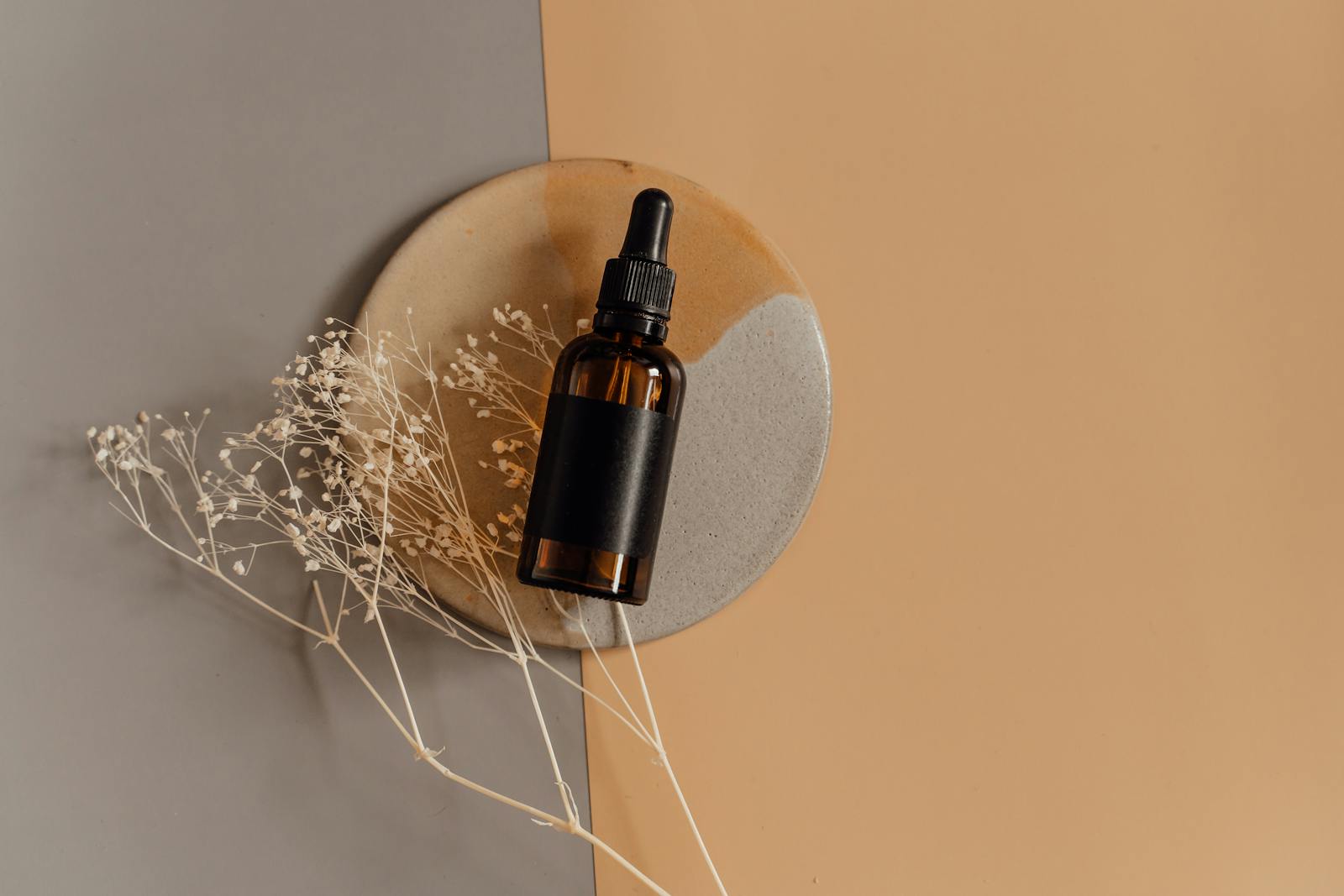
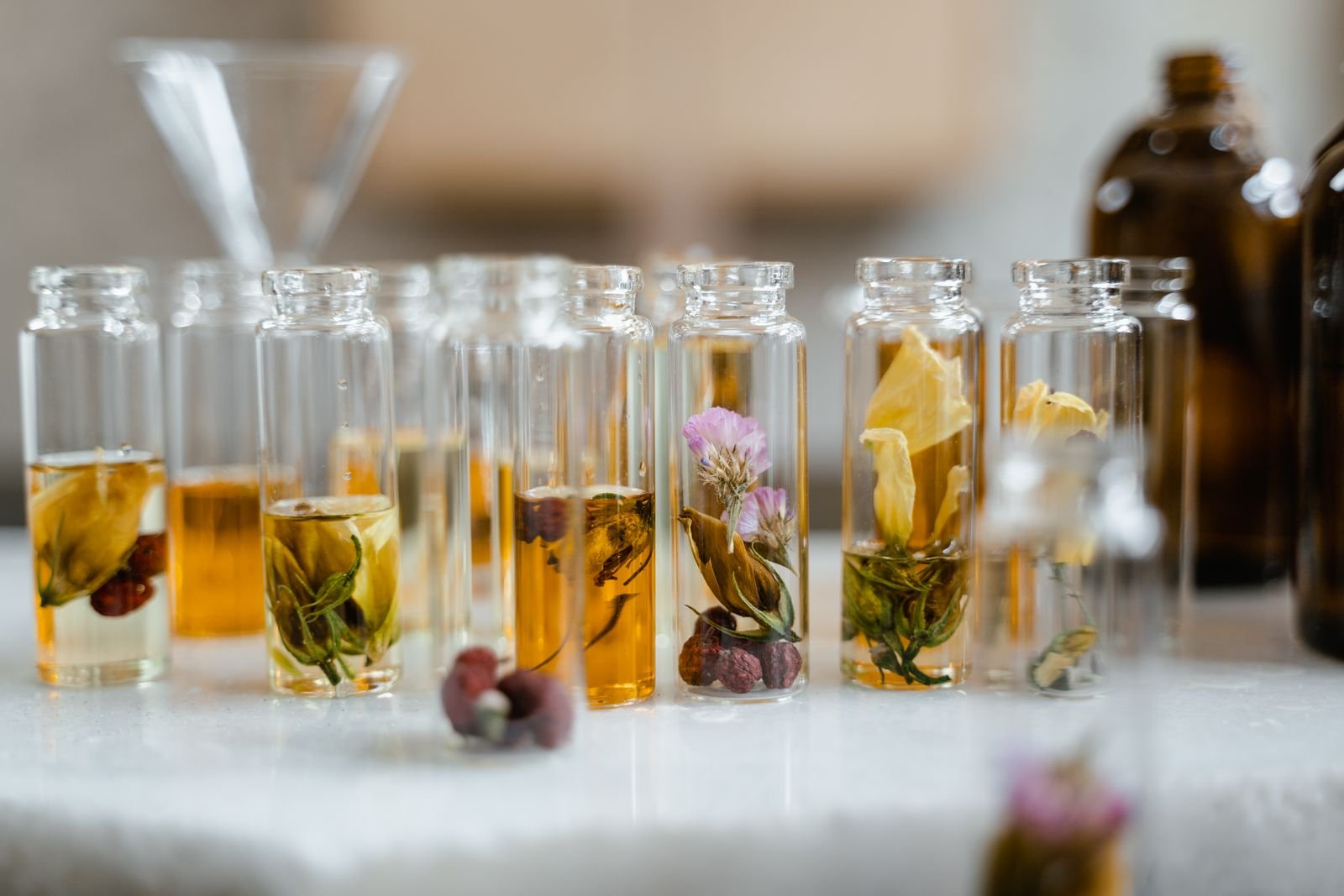
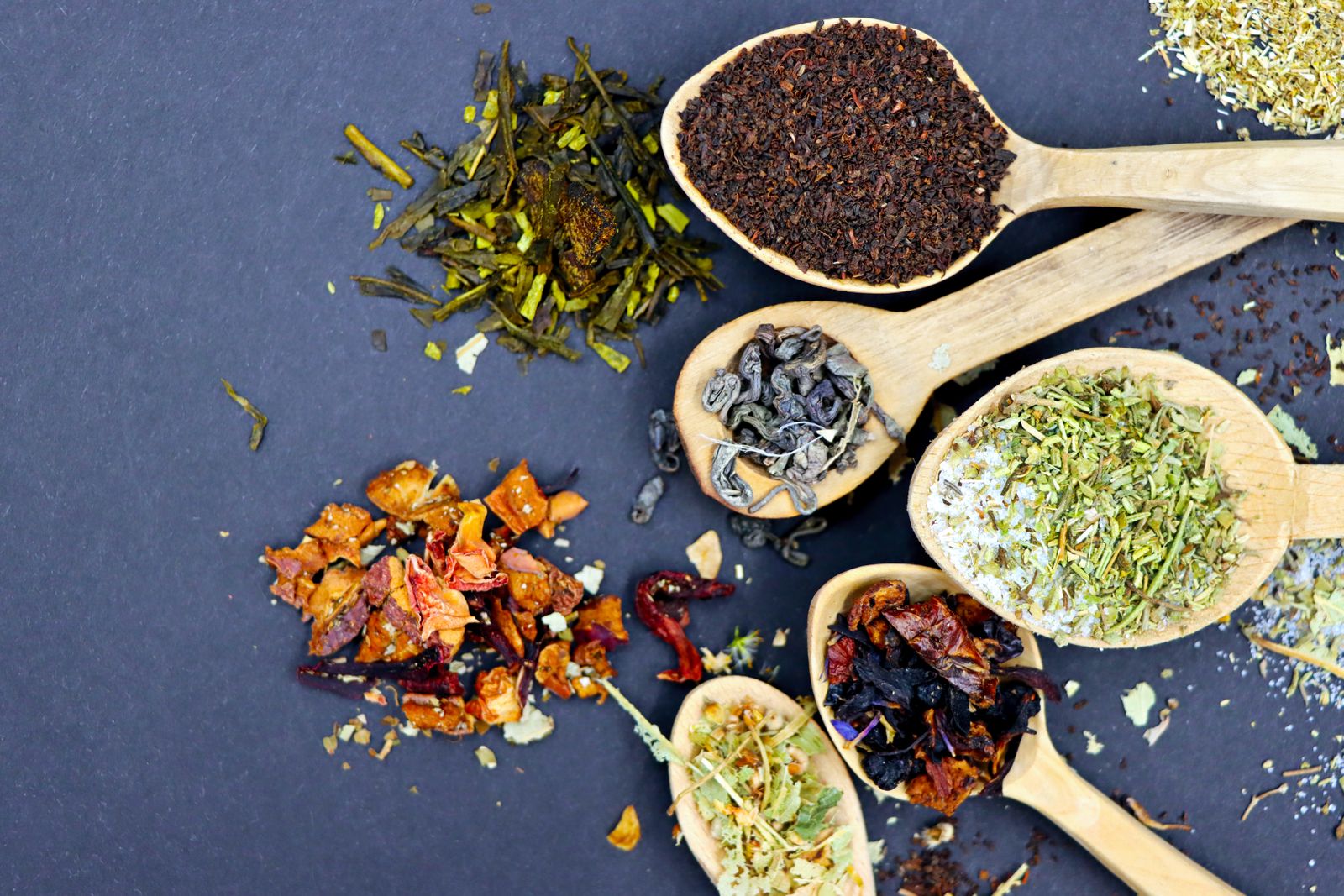
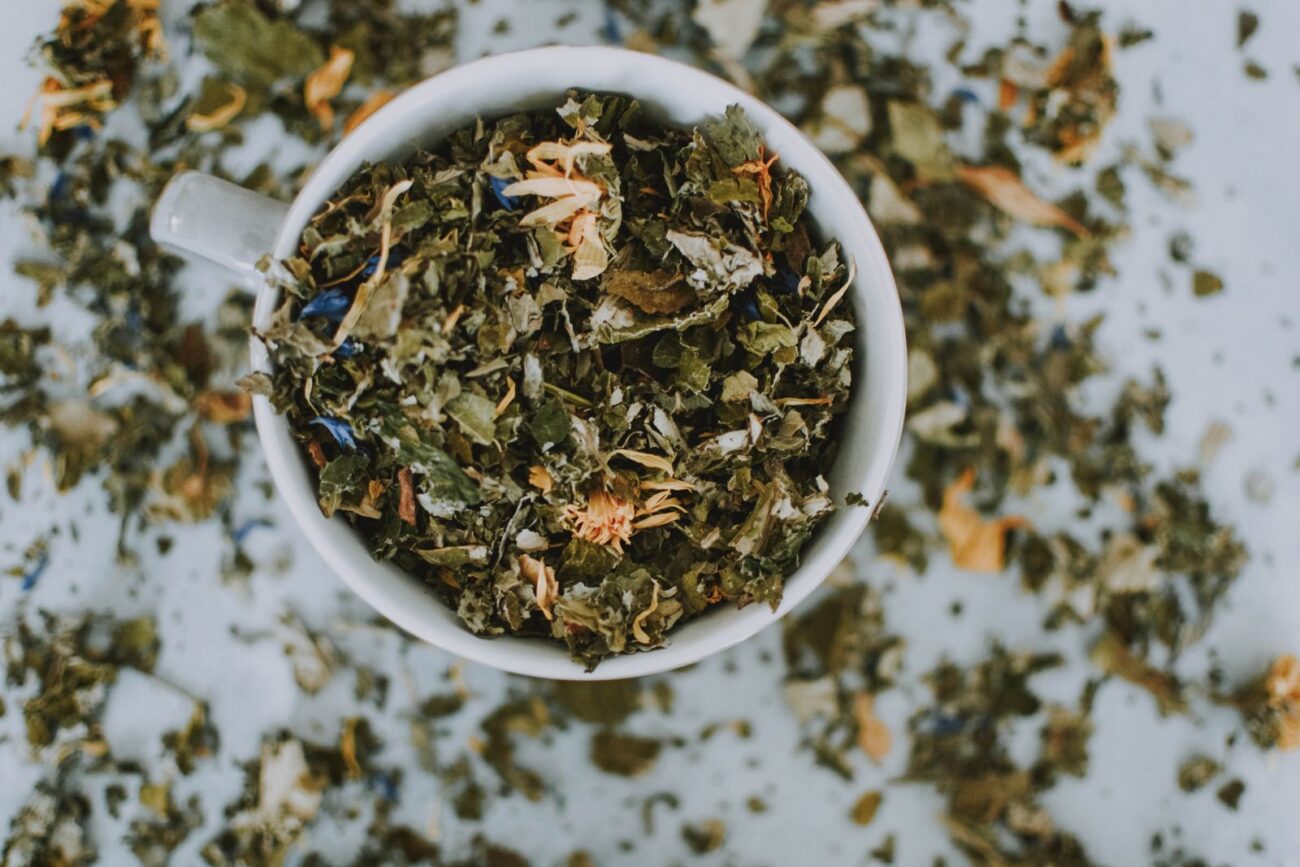
There are three versions of chamomile, Matricaria chamomilla, on my kitchen shelf right now. Dried flowers for tea, a tincture in a small brown bottle, and an infused oil. I used to think the difference was concentration. It is not. It is chemistry.
I studied secondary metabolite solubility and partitioning chemistry during my biochemistry training, and it changed how I make everything in my own kitchen. Once you know what a solvent can and cannot dissolve, the label on a bottle stops being a marketing claim and becomes a prediction you can check.
Here is the thing though. A plant does not hold its active compounds in one tidy pool. It holds hundreds of different molecules, and they range from strongly water-loving to strongly fat-loving. Whether a given compound ends up in your cup, your dropper, or your oil depends on whether it dissolves in water, in alcohol, or in fat. That one property, solubility, does most of the work.
Water: what a tea pulls out
Water is a polar solvent, so it dissolves polar, water-loving compounds. That covers a large and useful group: minerals, many sugars and polysaccharides, tannins, and a great number of plant compounds that travel with a sugar molecule attached to them. This last point is the one I find worth knowing.
Many active plant compounds exist inside the plant as glycosides, meaning the working molecule is bonded to a sugar. The sugar makes the whole thing water-friendly, which is why a tea can extract compounds people assume only alcohol can reach.
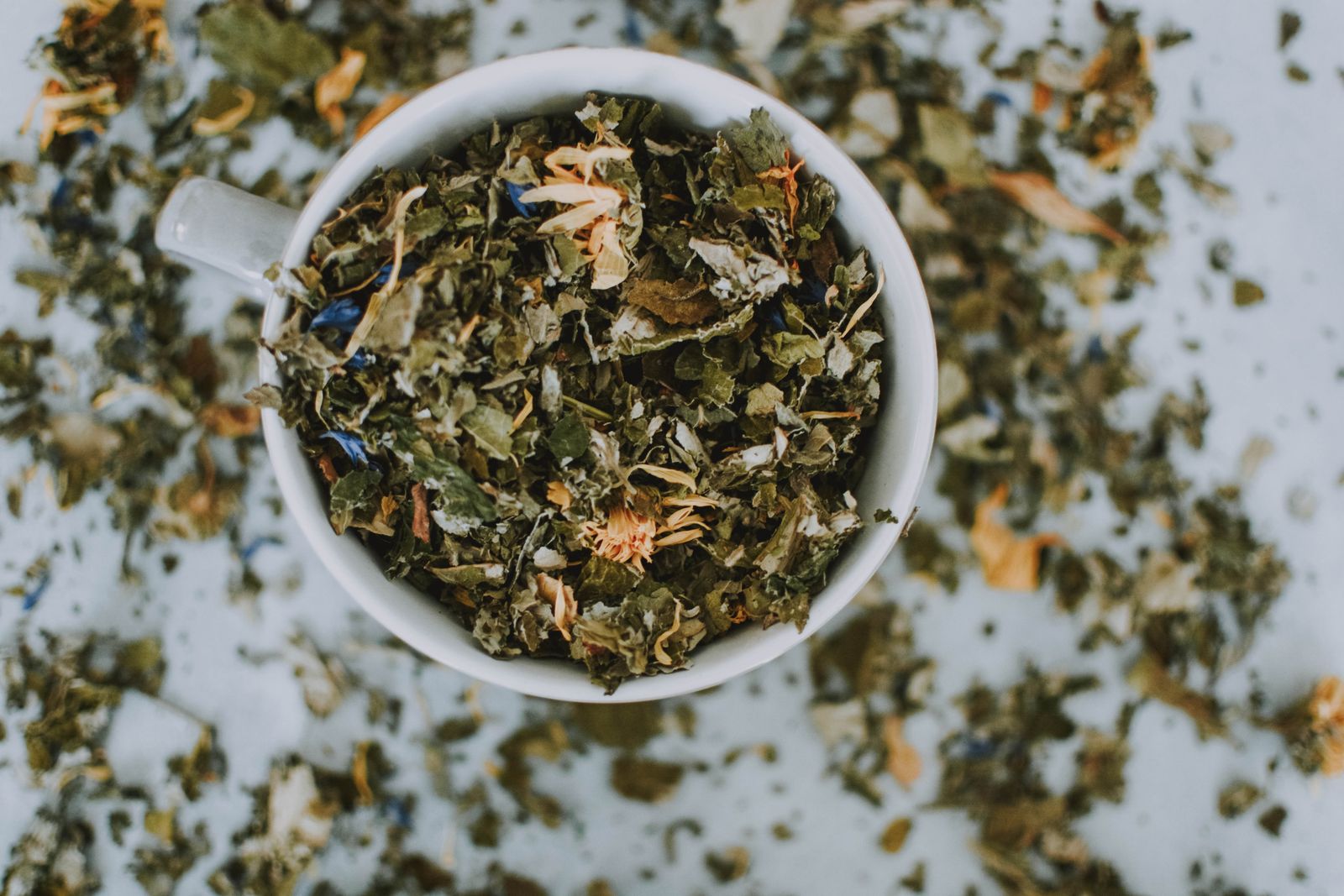
Nettle, Urtica dioica, is the clearest example I use. Its value for many people is its mineral and nutrient content, and those are water-soluble. A strong nettle infusion pulls them out well. Putting nettle in alcohol instead would be a poor trade, because you would leave much of what makes it useful sitting in the spent plant material.
What water struggles with is the fat-loving end of the range. Resins, many essential-oil components, and compounds with little water-friendly structure stay behind. Steep them as long as you like; if they will not dissolve in water, they are not coming into the cup.
Alcohol: the broader reach of a tincture
A tincture uses alcohol, usually ethanol mixed with water. Ethanol is the useful middle ground, because the molecule has both a water-friendly part and a fat-friendly part. That two-sided structure is why it reaches a wider span of compounds than water alone. It can carry the polar constituents and also dissolve resins, the free base form of many alkaloids, and a range of lipophilic molecules that water cannot touch.
This is also where a common explanation goes wrong. Ethanol is often described online as a nonpolar solvent. It is not. It is amphipathic, polar at one end and nonpolar at the other, and that dual character is the whole reason it works across such a broad range. A maker can also adjust the water-to-alcohol ratio to lean the extraction toward one end or the other, a level of control a plain water infusion does not offer.
There is a trade-off, and it is the part the marketing tends to skip. A high-proof tincture that excels at lipophilic compounds will pull less of the water-loving, sugar-bound fraction than a tea would. Small difference on paper. Large difference in the bottle. Stronger is not the same as more complete. It is a different selection.
Oil and fat: the carrier some compounds cannot do without
The third form solves a problem the other two cannot. Some of the most useful plant compounds are strongly lipophilic, which means they need fat both to be extracted and to be absorbed. An infused oil, made by steeping the plant in a fixed oil rather than a volatile essential oil, is built for exactly these.
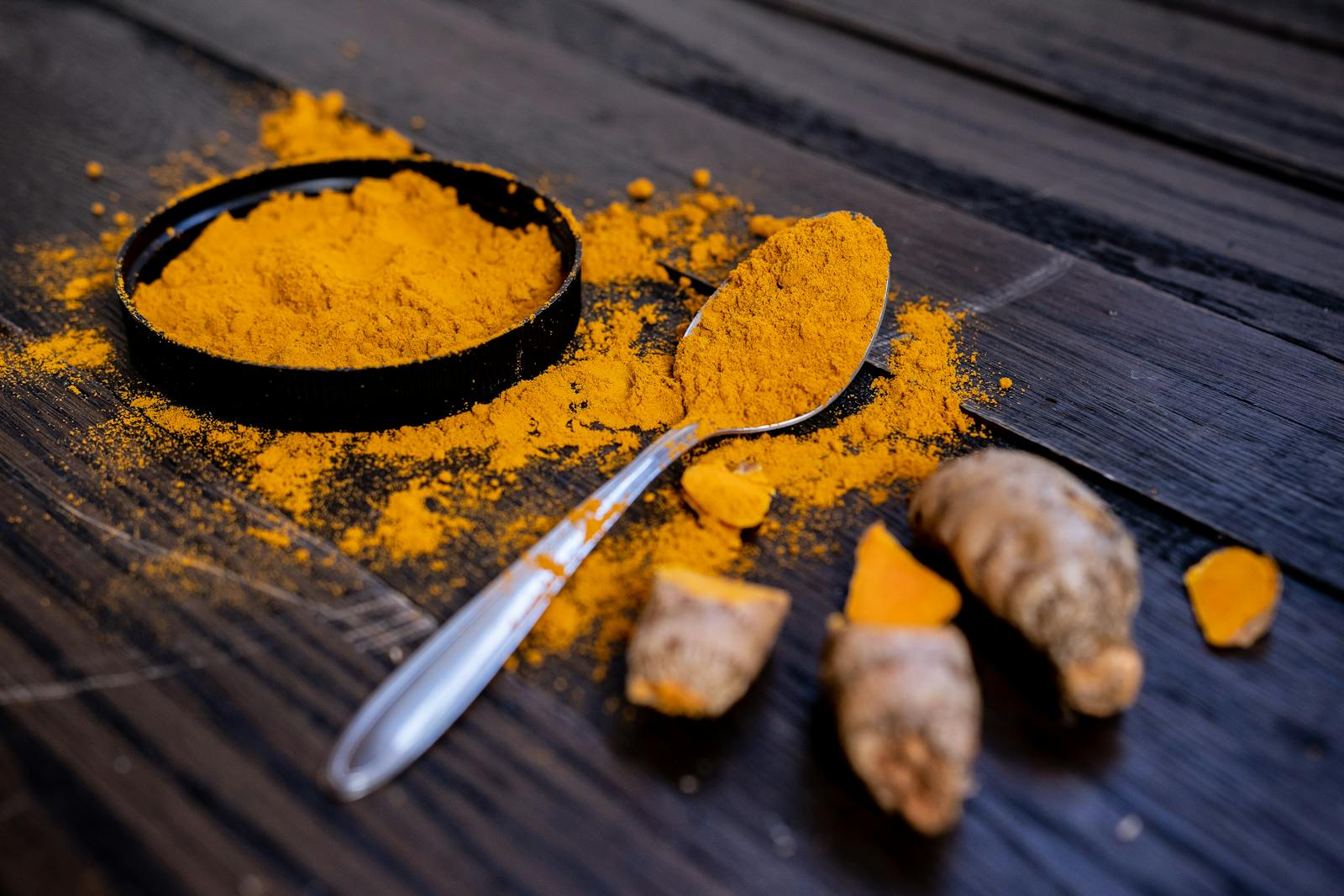
Turmeric, Curcuma longa, is the one I deal with daily. Turmeric stains everything yellow permanently. Shirts, chopping boards, the corner of a white kitchen towel I still have from three years ago. This is the price of curcumin. Worth it. Its main active group, the curcuminoids, is poorly water-soluble and poorly absorbed on its own.
Take it in plain water and most of it passes straight through. This is why I take mine with fat and with black pepper: the fat gives the curcuminoids something to dissolve in, and a compound from the pepper slows how fast the body clears them. The traditional pairing matches the chemistry closely.
What this means when you choose
The practical rule falls out of the chemistry on its own. If the compounds you want are water-loving, as with nettle minerals or many gentle flower infusions, a tea does the job and a tincture would waste them. If they are fat-loving or resinous, a tincture or an infused oil reaches them where water fails. And if a compound is strongly lipophilic, like the curcuminoids, it wants fat to be both extracted and absorbed, whichever form you start from.
The form you extract is also the form you take in, and that is the layer worth carrying away from all of this. A solvent does not just decide how much you get. It decides which version of the plant you get.
Shop Dried Herbs and Tinctures →
Common Questions
Is a tincture stronger than a cup of tea?
By volume, yes. A tincture is concentrated, so a few millilitres can hold the extract of far more plant material than one cup. But concentration is not completeness. A tincture pulls a different selection, leaning fat-loving, and under-extracts the water-loving fraction a tea captures well.
What are the disadvantages of a tincture?
It under-extracts strongly water-soluble constituents such as minerals and many polysaccharides, it carries alcohol, and its concentration makes careful measuring more important. For some plants, alcohol is the wrong tool for what you want from them.
How much tincture equals a cup of tea?
There is no fixed conversion, because the two do not contain the same mix of compounds. A common maker’s guideline treats a few millilitres of a standard tincture as roughly comparable in plant material to a strong cup, but the compounds delivered differ, so they are not true equivalents.
Which herbs are better as a tea than a tincture?
Plants valued for water-soluble content, nettle for its minerals being the one I reach for, give more in a water infusion. Gentle leaf and flower material often does well as a tea too.
Why does turmeric need fat or oil to absorb?
Curcuminoids are lipophilic and poorly soluble in water, so without fat very little crosses into the body. Taken with oil, and often with black pepper, absorption improves substantially.
Is a glycerite as good as an alcohol tincture?
A glycerite, made with vegetable glycerine, is a useful alcohol-free option and tastes sweeter, but glycerine has a narrower extraction range than ethanol. It captures less of the fat-loving fraction, so for resinous or strongly lipophilic plants it is the weaker choice.

