







This article was written by Serge, MSc. Plant Biologist and Environmental Scientist with a BSc in Plant Biology and an MSc in Environmental Biology and Biogeochemistry. My background covers plant biochemistry, botany, and field research in forest and soil ecosystems. I write from real experience, not just literature.
Affiliate disclosure: This site has affiliate links, including Amazon. As an Amazon Associate I earn from qualifying purchases, at no extra cost to you.
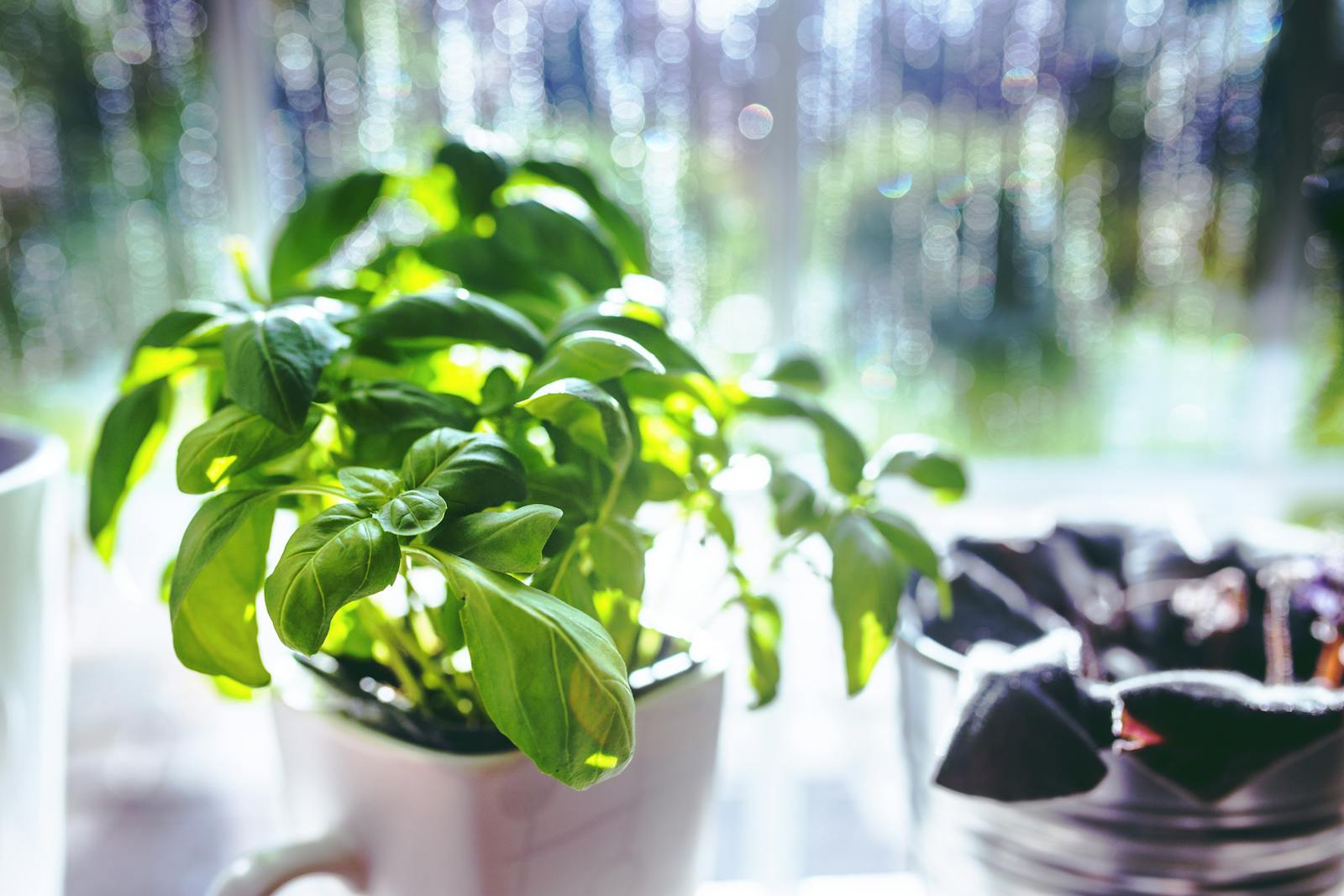
Most plant problems I see in homes come down to three things. The wrong amount of light, the wrong amount of water, and a growing medium that ran out of nutrients weeks ago. None of it has anything to do with having green thumbs.
A smart garden takes all three out of your hands. That, to me, explains most of why these systems work so well for people who keep losing their basil on the windowsill.
So let me walk through what these gardens are doing under the hood, because the plant science behind them holds up better than I expected when I first looked closely.
The Light Part, Which Most People Get Wrong
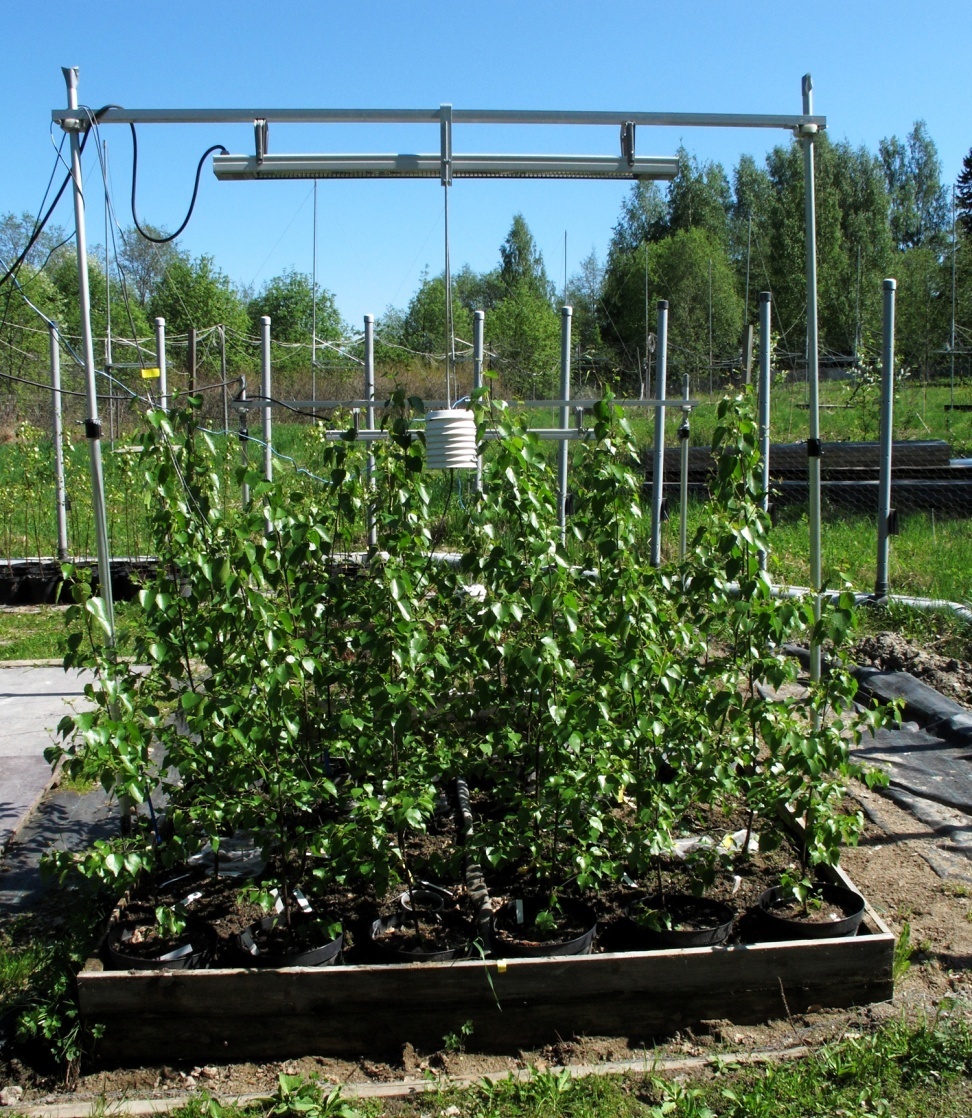
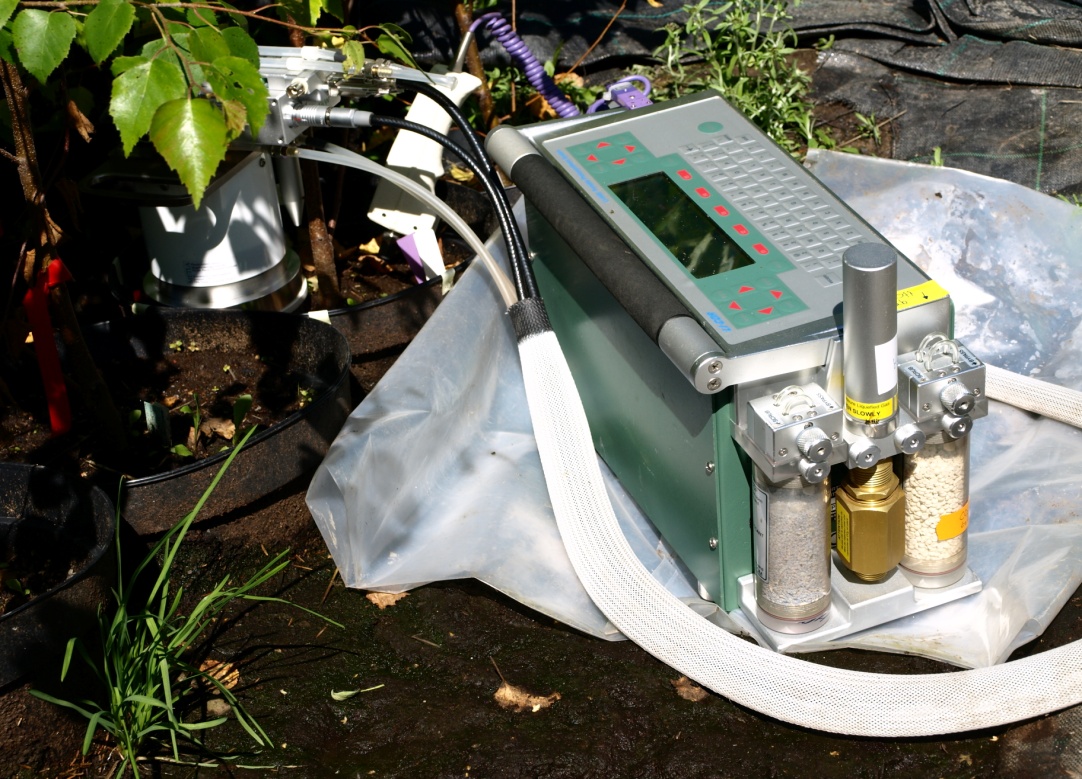
I spent a good chunk of my field research watching how sensitive plant growth can be to the conditions around it. I worked on an open-air experiment with silver birch, Betula pendula, where we controlled temperature and the air chemistry around the trees, then measured how they responded right down to leaf area and stem diameter. What stuck with me was how small shifts in the growing environment produced clear, measurable changes in the plants.
Light works the same way indoors. Plants do not use every colour of light equally. Chlorophyll a and chlorophyll b, the two main pigments in a leaf, absorb mostly red light around 660 nanometres and blue light around 450 nanometres. Green light gets reflected back, which explains why leaves look green to our eyes.
A good smart garden uses LED arrays tuned to those red and blue wavelengths. Blue light pushes compact, leafy growth and strong chlorophyll production. Red light drives photosynthesis and flowering.
Most kitchen counters and shelves never deliver enough of either, especially a step away from a bright window. The built-in LED panel fixes that, and you do not have to think about it.
Why the Pods Do the Heavy Lifting
The plant pods are where the real plant science sits, and this part I find clever.
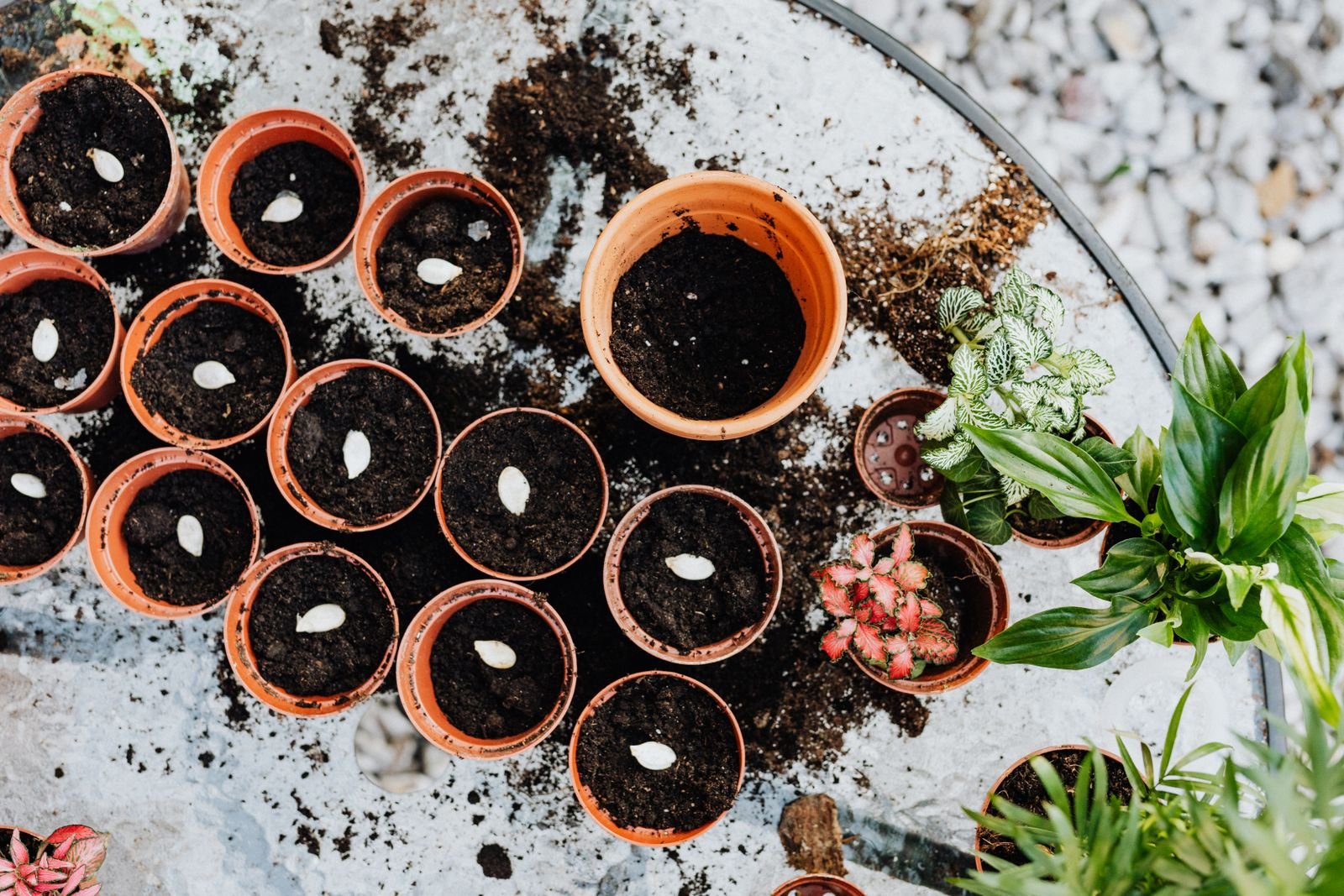
Each pod holds seeds already set at the right depth, sitting in a soilless growing medium. That medium does three jobs at the same time. It holds moisture without turning into a swamp, it keeps air pockets open around the roots so they can breathe, and it releases nutrients slowly as the plant grows.
Root oxygen counts for far more than most people expect. Roots respire, the same as we do. When a medium stays soggy and packed tight, the air spaces fill with water and the roots suffocate. That one problem kills more houseplants than any pest. The loose, aerated pod medium sidesteps it completely.
pH also sits in a narrow band inside these pods, usually somewhere around 5.5 to 6.5. That range keeps nutrients like iron and phosphorus available to the roots. Drift outside the band and even a well-fed plant can show deficiency, because the minerals lock up where the roots cannot reach them.
The makers describe the pod medium as a controlled-release growing material, and the chemistry behind that claim holds together. Slow nutrient release matches how a plant takes up minerals across weeks, rather than dumping everything at once and burning the roots.
The Watering Sorts Itself Out
A water reservoir sits below the pods. The medium wicks moisture upward by capillary action, so the roots pull only what they need and no more.
Over-watering and under-watering cause most early failures with herbs like basil, Ocimum basilicum, and thyme, Thymus vulgaris. The wicking system removes that guesswork, and for a beginner it removes the single most common way to kill a plant.
Germination, Where a Lot of Home Growers Quit
Seeds need three things to wake up. Steady moisture, warmth, and oxygen.
A sealed pod with consistent moisture and a warm indoor spot delivers all three. Ecophysiology, the area of plant science I spent the most time in, looks at exactly how conditions like these shape what a plant does, and one thing I learned is how tightly germination depends on stability. A seed that dries out halfway through will simply stall, and often it never recovers.
The pod design guards against that mid-germination drying, which goes a long way to explaining the high sprouting rates people report.
What I Would Grow First
Start with the forgiving plants. Basil, Ocimum basilicum, and lettuce, Lactuca sativa, both grow fast and tell you clearly when something has gone off. Mint, Mentha species, almost refuses to fail. Parsley, Petroselinum crispum, takes its time but rewards patience.
I would leave the woody Mediterranean herbs like rosemary, Salvia rosmarinus, until later. They grow slowly from seed and can wear down a new grower’s confidence before they ever take off.
The Smart Gardens, From Small to Serious
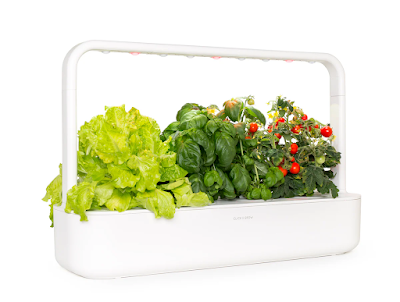
Click and Grow builds the same core system at a few different sizes, which makes it easy to match a unit to your space.
The Smart Garden 3 holds three pods. It suits a small counter or a first attempt, where you want to see how the setup behaves before committing more room to it.
The Smart Garden 9 holds nine pods. This one makes sense if you want a steady run of fresh herbs and leafy greens rather than the odd sprig.
Both run the identical pod system, the same LED approach, and the same self-watering reservoir, so all the science I described above applies right across the range.
The Plant Pods and Refills
The pods are the part you replace over time, so they decide how much use you get out of the unit. The range covers a wide spread of herbs, salad greens, and flowering plants, all pre-seeded in that controlled-release medium I walked through earlier.
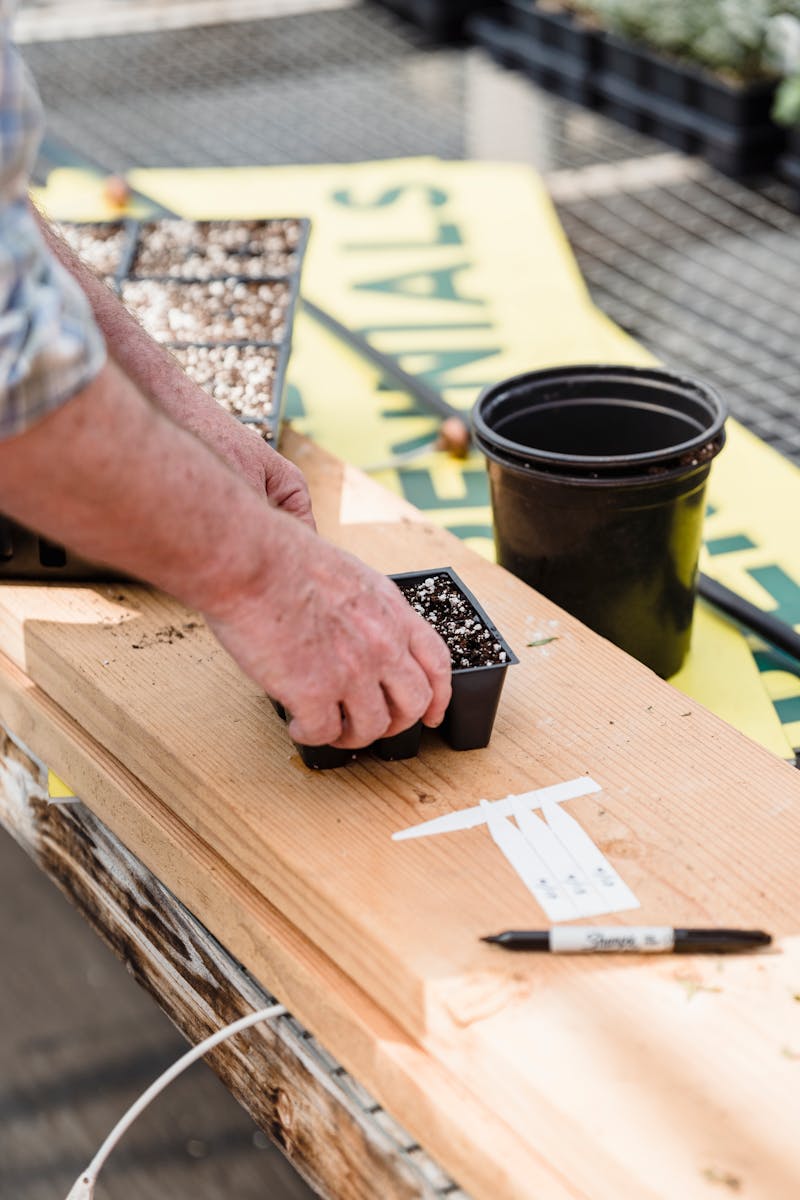
You can also buy empty pods and plant your own seeds once you trust how the system behaves. That brings the running cost down and lets you grow varieties the brand does not stock.
A quick note for anyone moving over from another brand. People often ask what to use in place of AeroGarden pods. Click and Grow pods are not cross-compatible with AeroGarden hardware, since the pod shape and the watering design differ between them. Stick with the pods built for your unit, or use that brand’s empty pods to plant your own seeds.
Common Questions
Do smart gardens really work?
Yes, and the reason comes down to control. They manage light, water, and nutrients far more steadily than most of us manage by hand. Plants reward consistency, and steady conditions are exactly what these units deliver.
Are smart gardens worth it?
If you have lost herbs before, or you have little natural light at home, I think they earn their place. If you already grow well on a bright windowsill, the value drops. It comes down to your light and your track record so far.
Do indoor herb gardens need sunlight?
A smart garden with its own LED panel does not need a window, because the light comes built in. A plain pot of herbs on a shelf still needs a bright spot. The whole difference sits in whether the system brings its own light.
Which herbs grow well indoors?
Basil, Ocimum basilicum, and mint, Mentha species, lead for reliability. Lettuce, Lactuca sativa, and parsley, Petroselinum crispum, do well too. Woody types like rosemary, Salvia rosmarinus, grow slower and ask for more patience.
Do indoor herb gardens attract bugs?
They can, though far less than an outdoor bed. Fungus gnats turn up most often, usually when the surface of the medium stays too wet. Decent airflow and not overfilling the reservoir keep them in check.
How do the plant pods work?
Each pod holds pre-placed seeds in a soilless medium that holds moisture, keeps air around the roots, releases nutrients slowly, and holds a stable pH. The reservoir underneath feeds water upward by capillary action.
How long do the pods last?
A pod stays productive from a few weeks to a few months depending on the plant. Leafy greens and herbs give the longest useful harvest. Once a plant tires out, you swap in a fresh pod.
What can I use instead of AeroGarden pods?
For a Click and Grow unit you use Click and Grow pods, since the two brands do not share hardware. The pod and watering designs differ. You can also buy that brand’s empty pods and plant your own seeds.
Where should I put a smart garden?
Anywhere with a power outlet and a normal room temperature. Because the unit carries its own light, even a dim corner works. I would keep it clear of cold draughts and away from direct heat sources.
Can I grow herbs indoors all year?
Yes, and that counts as the main draw. With built-in light and controlled watering, the growing conditions stay the same no matter what the weather outside is doing.

