








This article was written by Serge, MSc. Plant Biologist and Environmental Scientist with a BSc in Plant Biology and an MSc in Environmental Biology and Biogeochemistry. My background covers plant biochemistry, botany, and field research in forest and soil ecosystems. I write from real experience, not just literature.
Affiliate disclosure: This site has affiliate links, including Amazon. As an Amazon Associate I earn from qualifying purchases, at no extra cost to you.
Every day I drink coffee three times. First cup early morning before anything else starts. Second around 9am. Last one before 3pm and not after that.
That last rule came from understanding caffeine metabolism. Caffeine has a half life of around 5 to 6 hours in most people. A cup at 4pm still has meaningful concentrations circulating when you try to sleep at 10pm. Once I understood that I stopped drinking it late and sleep improved noticeably.
The habit started long before I understood the chemistry. The timing discipline came after.
And the thing that changed how I think about coffee entirely was working through why the plant makes caffeine in the first place. Because the answer has nothing to do with human wakefulness and everything to do with killing insects.
What Is Coffea arabica
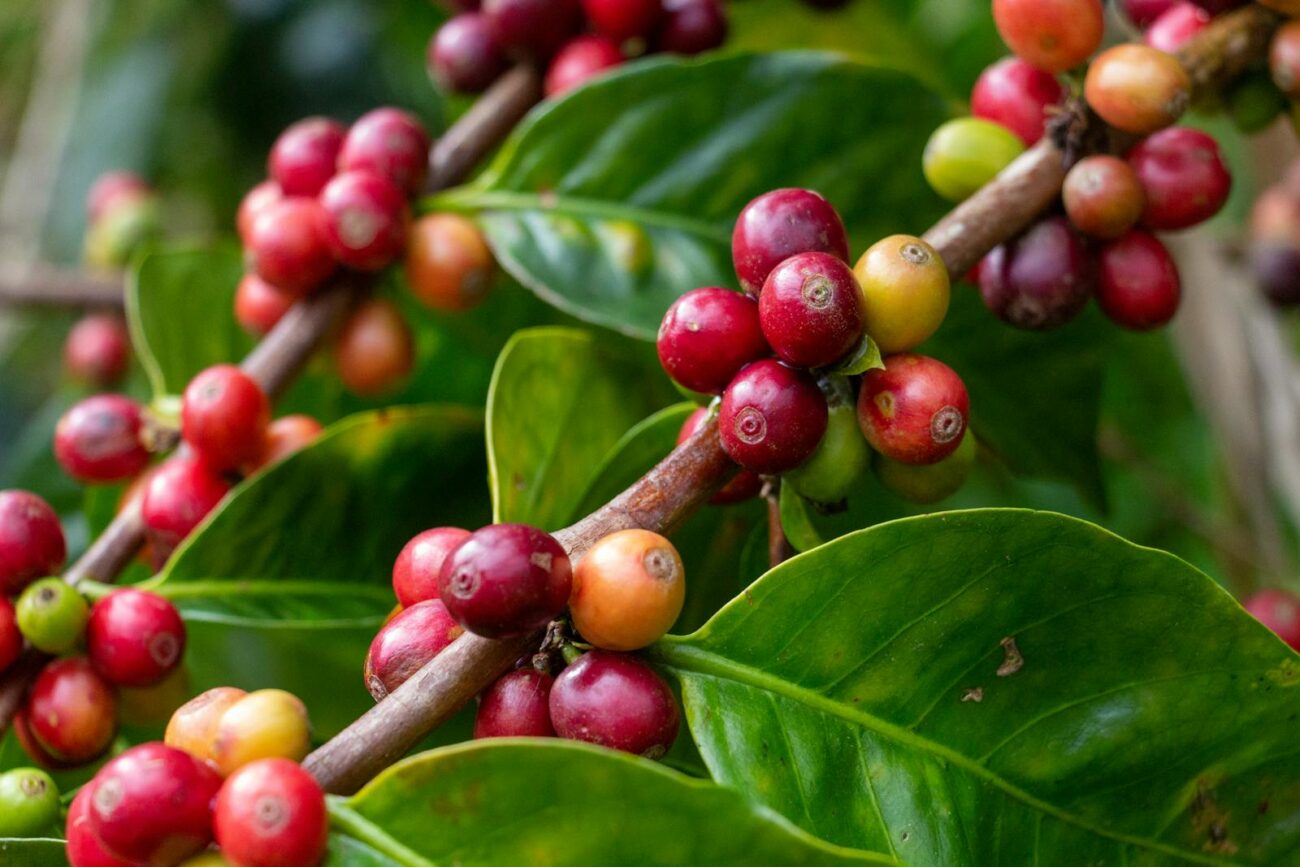
Coffea arabica is a flowering shrub native to the highlands of Ethiopia and South Sudan. It belongs to the Rubiaceae family and grows naturally as an understorey plant in forest environments at altitudes between 1000 and 2000 metres.
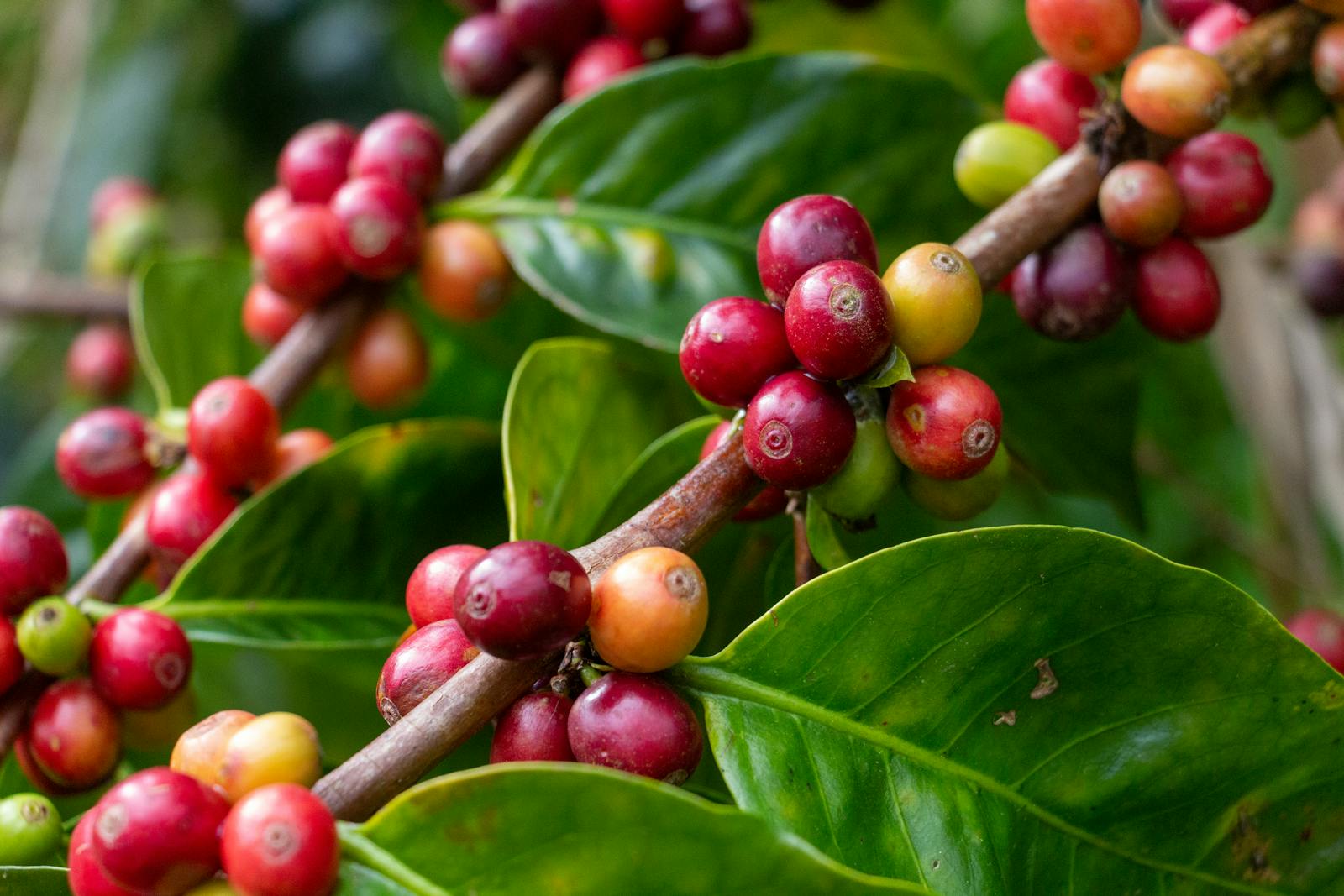
The coffee bean is not actually a bean. It is the seed of the coffee cherry, a fleshy fruit that turns red or yellow when ripe. Each cherry typically contains two seeds facing each other, the flat sides forming the characteristic shape of a coffee bean.
Coffea arabica accounts for roughly 60 percent of global coffee production. Coffea canephora, known as robusta, makes up most of the remainder. Arabica has a more complex flavour profile and lower caffeine content than robusta. Robusta has higher caffeine concentrations partly because higher caffeine content provides stronger insect deterrence.
That relationship between flavour complexity and caffeine content is not coincidental. It reflects the different ecological strategies of two species adapted to different environments.
Why the Plant Makes Caffeine
Caffeine is a purine alkaloid produced through the xanthine biosynthetic pathway from xanthosine precursors. The biosynthesis involves a series of methylation steps catalysed by N-methyltransferase enzymes.
Working through alkaloid biosynthesis during my MSc plant biochemistry studies made the ecological logic of caffeine very clear. The purine pathway that produces caffeine also produces theobromine in cacao and theophylline in tea. These related compounds appearing across completely unrelated plant families through independent evolution is strong evidence that the compound provides significant survival advantages.
The ecological functions of caffeine in coffee plants are multiple and well documented.
Insecticidal activity is the primary function. Caffeine inhibits phosphodiesterase enzymes in insect nervous systems disrupting cyclic AMP signalling. At the concentrations found in coffee leaves and young shoots caffeine is toxic to most insects. This is why the highest caffeine concentrations occur in young leaves and shoots, the tissues most vulnerable to insect attack, rather than in mature leaves or woody tissue.
Allelopathic activity is the second function. Caffeine leaches from fallen coffee leaves into surrounding soil where it inhibits the germination of competing plant seeds. This gives coffee plants a competitive advantage in their natural forest understorey habitat by suppressing seedling establishment around them.
Pollinator attraction is an unexpected third function. Some flowers including coffee flowers contain low concentrations of caffeine in their nectar. Research suggests caffeine at these low concentrations improves pollinator memory for the flower, making bees more likely to return to caffeine-containing flowers. The plant is using caffeine as a memory-enhancing compound for its pollinators at the same time it uses it to kill insects feeding on its leaves.
One compound. Three completely different ecological purposes depending on concentration and context. That is the kind of biochemical efficiency I keep noticing across plant secondary metabolite systems.
Chlorogenic Acids: The Other Compounds That Matter
Caffeine gets most of the attention but chlorogenic acids are arguably more interesting from a plant biochemistry perspective.
Chlorogenic acids are phenylpropanoid compounds produced through the same biosynthetic pathway as rosmarinic acid in sage and caffeic acid derivatives in echinacea. They are produced primarily as defence compounds against pathogens and UV radiation in coffee leaves and seeds.
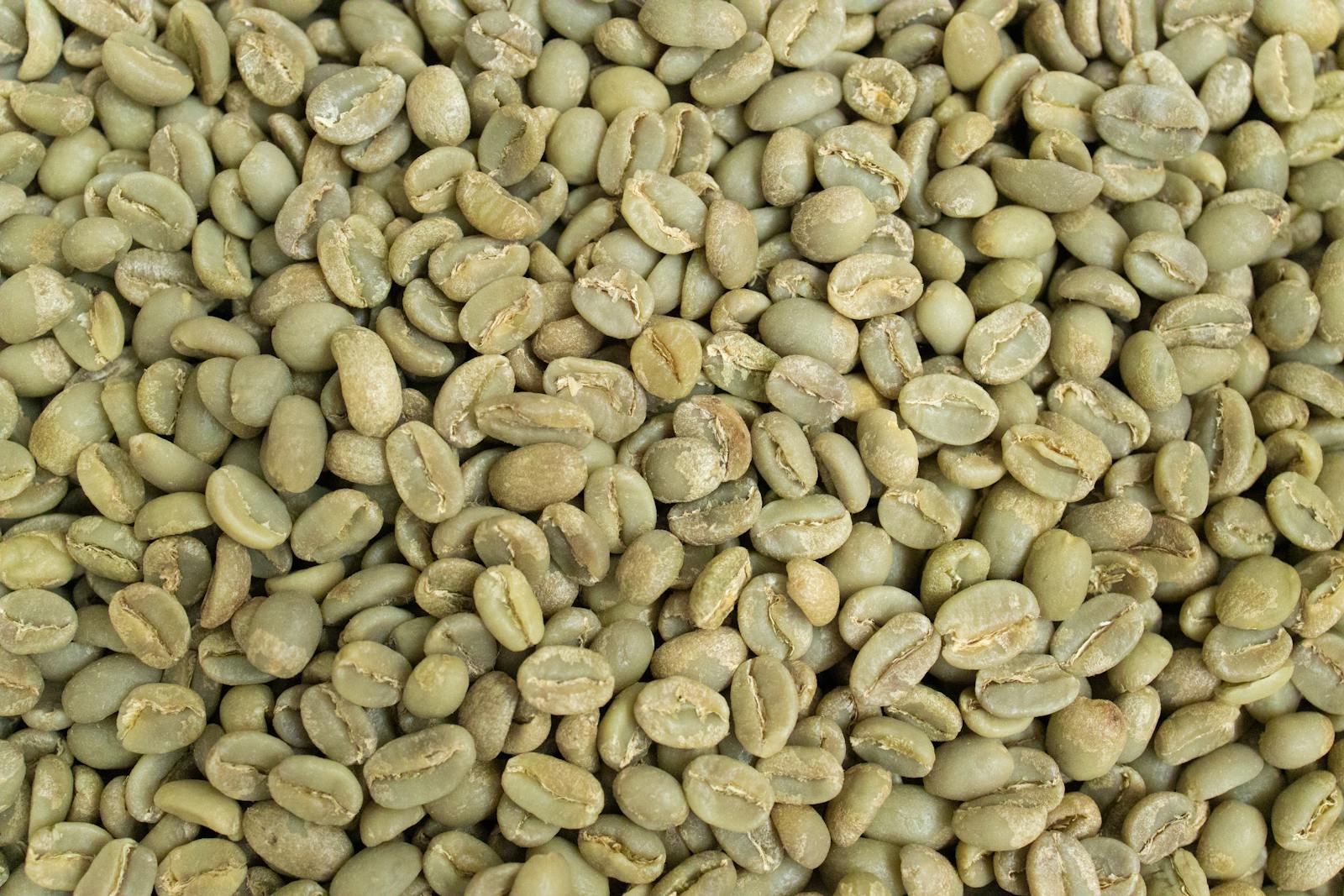
Green unroasted coffee beans contain very high concentrations of chlorogenic acids, up to 12 percent by dry weight. These compounds are potent antioxidants and have direct antimicrobial activity against fungal and bacterial pathogens.
Roasting dramatically reduces chlorogenic acid content. At light roast temperatures some chlorogenic acids survive. At medium and dark roast temperatures most are destroyed or transformed into other compounds including quinolactones and phenylindanes. This is part of why roasting affects coffee flavour so dramatically. You are not just developing new flavour compounds through Maillard reactions. You are also destroying significant amounts of the plant’s original phenolic defence chemistry.
Explore Peet’s Coffee Selection!
The Roasting Chemistry
Roasting is where most of coffee’s flavour complexity develops and where most of its original plant chemistry is transformed.
The Maillard reaction between amino acids and reducing sugars produces hundreds of volatile aromatic compounds including pyrazines, furans, and aldehydes that create the characteristic roasted coffee smell. The same reaction occurs when you brown bread or sear meat. The specific compounds produced depend on temperature, time, and the original composition of the green bean.
Caramelisation of sugars at higher temperatures produces additional flavour compounds and contributes to the sweetness characteristics of certain roasts.
Degradation of sucrose produces acetic and formic acids contributing to coffee’s characteristic acidity. Chlorogenic acid degradation produces phenylindanes which contribute to bitterness in darker roasts.
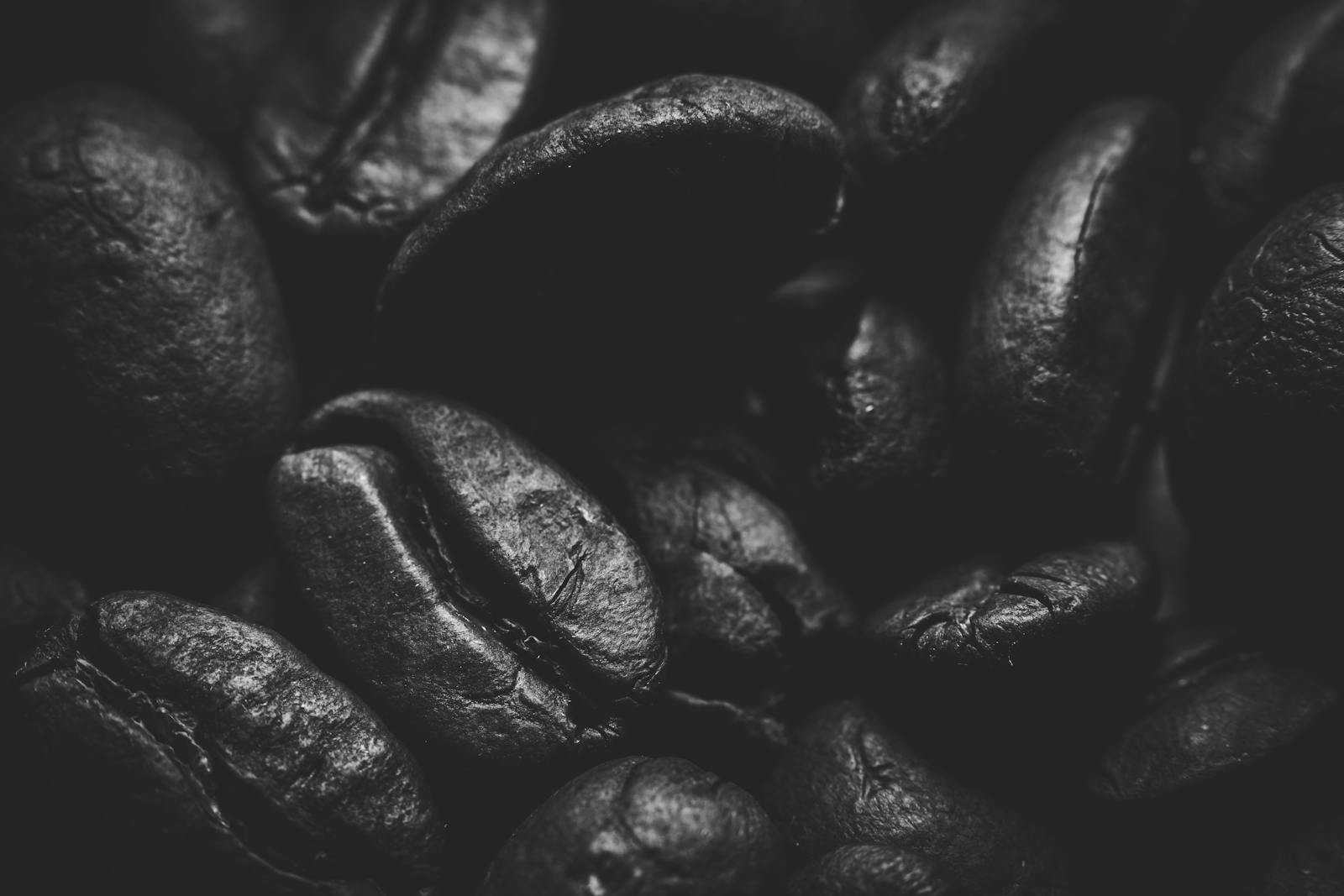
The roast profile determines which of these reactions dominate. Light roasts preserve more of the original green bean character including higher acidity and more floral notes. Dark roasts push Maillard and caramelisation reactions further producing more bitter, smoky, and deeply aromatic profiles with lower acidity.
How Caffeine Actually Works in the Human Body
Caffeine works through adenosine receptor antagonism. Adenosine is a neuromodulator that accumulates in the brain during waking hours and promotes sleepiness by binding to its receptors. Caffeine’s molecular structure is similar enough to adenosine that it competes for the same receptor binding sites without activating them.
The result is that caffeine blocks the sleepiness signal without replacing it with a wakefulness signal directly. It removes the brake rather than pressing the accelerator. This explains why caffeine does not generate energy directly. It prevents the sensation of tiredness from reaching full expression.
My three daily cups deliver approximately 200 to 300 milligrams of caffeine depending on brew strength and cup size. That is within the range considered moderate consumption with a well-established safety profile in healthy adults.
Caffeine also inhibits phosphodiesterase enzymes in human cells at higher concentrations. This is the same mechanism by which it affects insects, just at concentrations too low to cause toxicity in larger mammals.
My ecotoxicology training covered this principle directly. The same compound is toxic, therapeutic, or inert depending entirely on the dose and the organism.
What Organic and Quality Certifications Actually Mean
The coffee market is full of certification claims that vary significantly in what they actually guarantee.
Organic certification means the beans were grown without synthetic pesticides or fertilisers. Given that caffeine itself is a natural insecticide and coffee plants produce it in quantities that deter most insects naturally, organic certification for arabica coffee is more achievable than for many crops. The higher altitude growing conditions of quality arabica also naturally reduce pest pressure compared to lowland robusta cultivation.
Single origin certification indicates the beans come from a specific geographic region, farm, or cooperative. This matters for flavour consistency and traceability but says nothing directly about quality or sustainability practices.
Shade-grown certification indicates the coffee was grown under forest canopy rather than in full sun monoculture. This is ecologically significant. Shade-grown coffee supports higher biodiversity, requires fewer pesticide inputs because natural pest control is maintained by forest bird populations, and produces beans with different flavour profiles because slower ripening under shade develops more complex sugars and acids in the cherry.
For quality arabica the combination of high altitude, shade growing, and careful processing tends to produce the most complex flavour profiles because these conditions allow slower cherry development and fuller secondary metabolite accumulation in the seeds.
FAQs
Why do coffee plants produce caffeine?
Primarily as an insecticide. Caffeine inhibits phosphodiesterase in insect nervous systems and is toxic to most insects at the concentrations found in coffee leaves and shoots. It also suppresses competing plant germination in surrounding soil and at low concentrations in flower nectar improves pollinator memory. One compound serving three distinct ecological purposes depending on dose and context.
What chemical compounds are in coffee?
Green coffee beans contain caffeine, chlorogenic acids, trigonelline, sucrose, amino acids, and lipids as primary compounds. Roasting transforms most of these through Maillard reactions, caramelisation, and chlorogenic acid degradation producing hundreds of volatile aromatic compounds. The final cup is chemically very different from the original green bean.
Which plants produce caffeine?
Coffea arabica and Coffea canephora are the primary commercial sources. Camellia sinensis, the tea plant, produces caffeine through the same biosynthetic pathway. Theobroma cacao produces theobromine which is structurally related. Cola nitida and Ilex paraguariensis, the mate plant, also produce caffeine. Independent evolution of caffeine biosynthesis across multiple plant families is strong evidence for its ecological value as a defence compound.
Does roasting destroy beneficial compounds in coffee?
Roasting destroys most of the chlorogenic acids present in green beans which are the primary antioxidant compounds. Light roasts preserve more chlorogenic acids than dark roasts. Caffeine is relatively heat stable and survives roasting at all temperatures. The roasting process creates new compounds including Maillard reaction products some of which have their own antioxidant activity.
Why does robusta have more caffeine than arabica?
Robusta grows at lower altitudes with higher insect pressure than arabica. Higher caffeine concentrations provide stronger insect deterrence in these conditions. The trade-off is that robusta has less flavour complexity than arabica partly because the higher caffeine investment comes at the cost of other secondary metabolite development.
Why should I stop drinking coffee after 3pm?
Caffeine has a half life of around 5 to 6 hours in most people. A cup at 4pm still has meaningful concentrations circulating at 10pm when most people try to sleep. Caffeine blocks adenosine receptors preventing the sleepiness signal from reaching full expression. Timing the last cup before 3pm allows adenosine to accumulate normally through the evening supporting natural sleep onset.

