







This article was written by Serge, MSc. Plant Biologist and Environmental Scientist with a BSc in Plant Biology and an MSc in Environmental Biology and Biogeochemistry. My background covers plant biochemistry, botany, and field research in forest and soil ecosystems. I write from real experience, not just literature.
Affiliate disclosure: This site has affiliate links, including Amazon. As an Amazon Associate I earn from qualifying purchases, at no extra cost to you.
During plant taxonomy fieldwork we collected botanical specimens the traditional way. Fresh plant material gathered from natural habitats, pressed between sheets of newspaper sandwiched between two perforated wooden boards, dried slowly in a low oven with someone keeping watch to make sure nothing caught fire. Once dried the material could be ground in a mortar to a fine powder.
I have done this with my own hands. Collected the plant, dried it carefully, ground it myself.
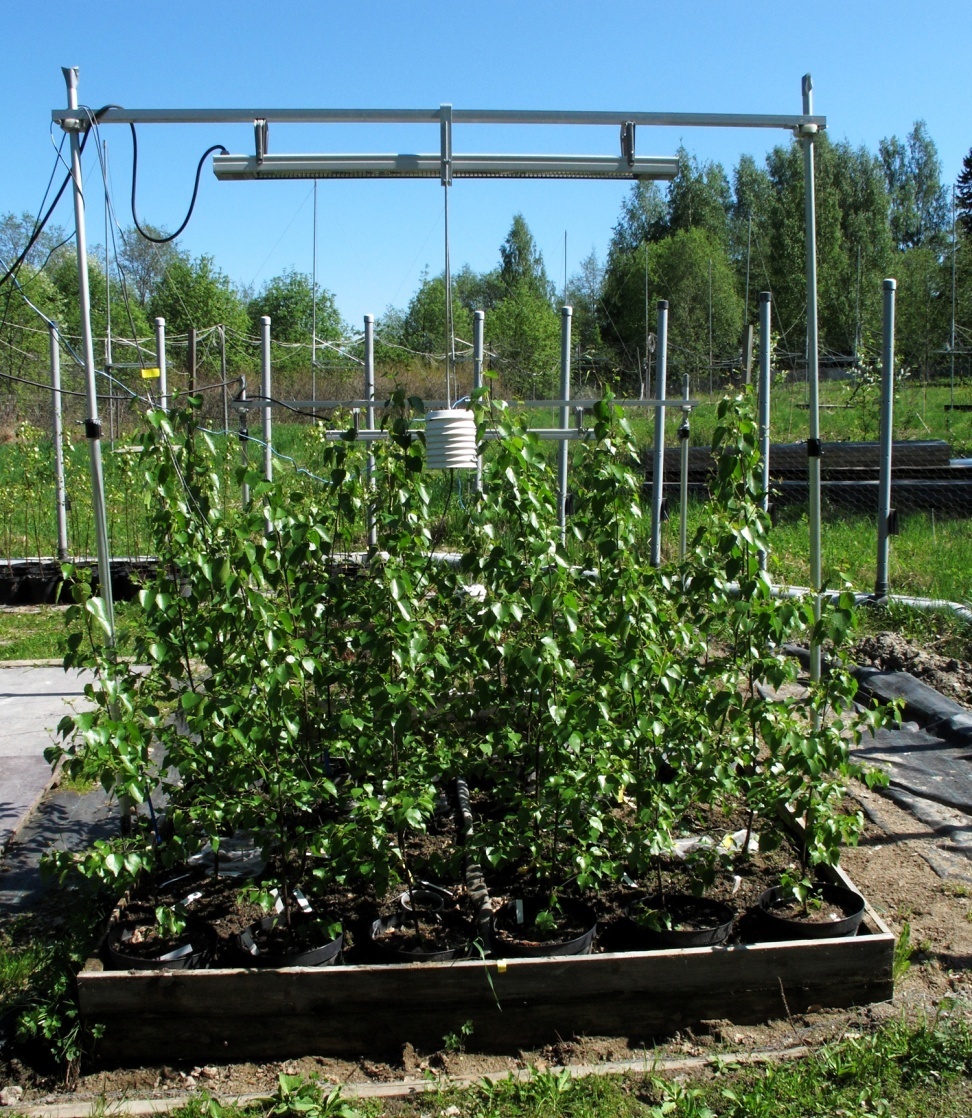
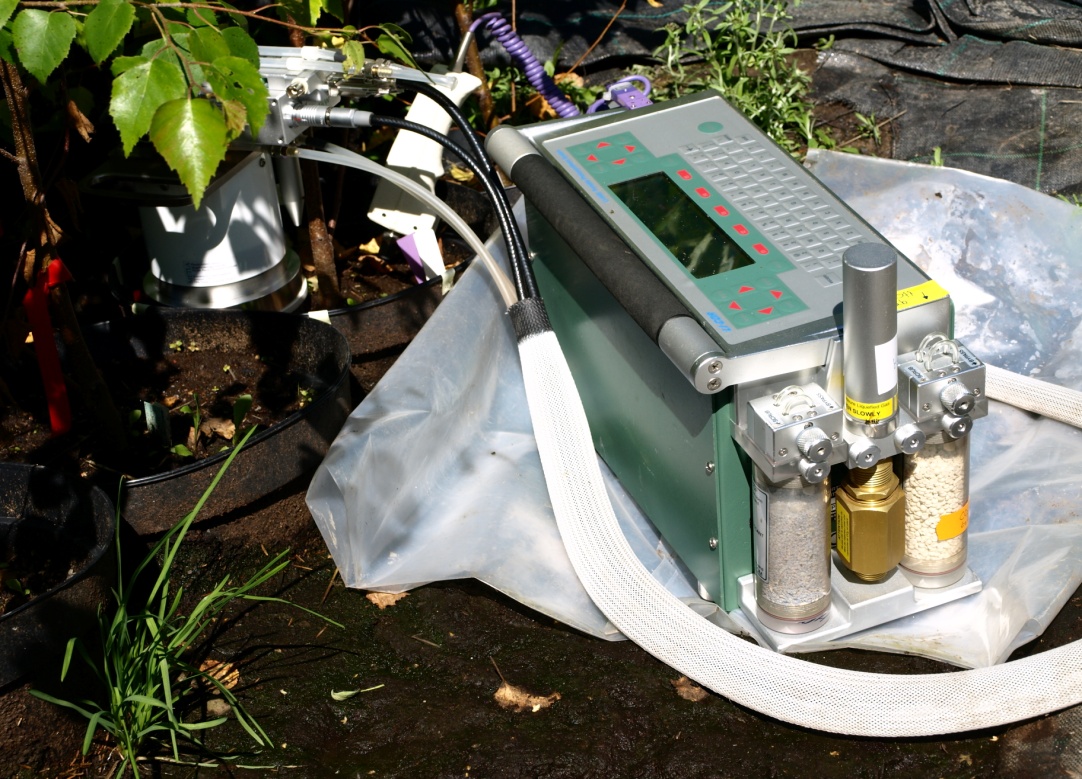
Years later I was standing in open-air experimental plots during ny research work measuring how silver birch responded to elevated ozone and temperature stress. Watching the data come in from the LICOR gas analyser, seeing how the trees shifted carbon allocation under different stress treatments, something clicked about herbal quality that I had not fully connected before.
If environmental stress, growing conditions, pollutant exposure, and temperature variation change what a plant produces chemically at a measurable level in a controlled field experiment, then the same variables are operating in every field where a medicinal herb is grown commercially. The herb powder sitting in a packet on a health food shop shelf came from a plant that experienced specific growing conditions, specific stress levels, specific soil chemistry, specific drying temperatures, and specific processing methods. Every one of those variables affected the final secondary metabolite profile in the packet.
Most people buying herbal powders never think about this. They see a packet labelled ashwagandha root powder and assume the contents are equivalent to any other ashwagandha root powder. My field research experience makes that assumption impossible for me to hold.
A poorly grown herb, harvested at the wrong time, dried at the wrong temperature, stored incorrectly, could deliver almost no active compounds at all. You would be eating powder with negligible biological activity. Understanding what actually determines herbal powder quality is the difference between a preparation that works and one that does nothing.
About Herbal Powders
An herbal powder is dried plant material ground to a fine particle size. That simple description hides considerable complexity in what happens to plant chemistry during the drying and grinding process.
The plant material can be the whole herb, specific parts like root, leaf, bark, seed, or flower, or a concentrated extract that has been spray-dried onto a carrier powder. These are fundamentally different products despite both appearing as fine powders in similar packaging.
Whole herb powders contain the complete secondary metabolite profile of the plant part used. Concentrated extract powders deliver standardised active compound content at higher potency per gram but have lost the supporting compound matrix of the whole plant.
Understanding which type you are buying matters enormously for evaluating quality and dosing appropriately.
What Drying Does to Plant Chemistry
The low oven drying method we used in taxonomy practicals, newspaper and perforated boards at low temperature with careful monitoring, is designed to remove moisture without driving off the volatile compounds that make medicinal plants chemically interesting. Temperature control during drying is critical.
Volatile terpenoids, the aromatic compounds in many medicinal herbs, evaporate readily at elevated temperatures. Drying at too high a temperature destroys these compounds before they can be preserved in the final powder. This is why sun drying in summer, which I also used during fieldwork, works well for volatile-rich herbs when temperatures are moderate. Direct intense sun at peak heat can actually damage volatile compound profiles.
Enzymatic degradation is the other major concern during drying. Fresh plant material contains active enzymes including oxidases and hydrolases that begin breaking down secondary metabolites immediately after harvest. Rapid drying deactivates these enzymes before they cause significant compound degradation. Slow drying at low temperatures risks enzymatic damage to flavonoids and other sensitive compound classes.
Chlorophyll degrades during drying producing pheophytin which shifts colour from bright green to olive or brown. This colour change is a visible indicator of heat exposure during processing. Bright green moringa or matcha powder has preserved more chlorophyll and likely more heat-sensitive secondary metabolites than dull olive-coloured material.
Explore Quality Organic Herbal Powders at Homegrown Herbalist!
The Four Powders in My Kitchen and Their Chemistry
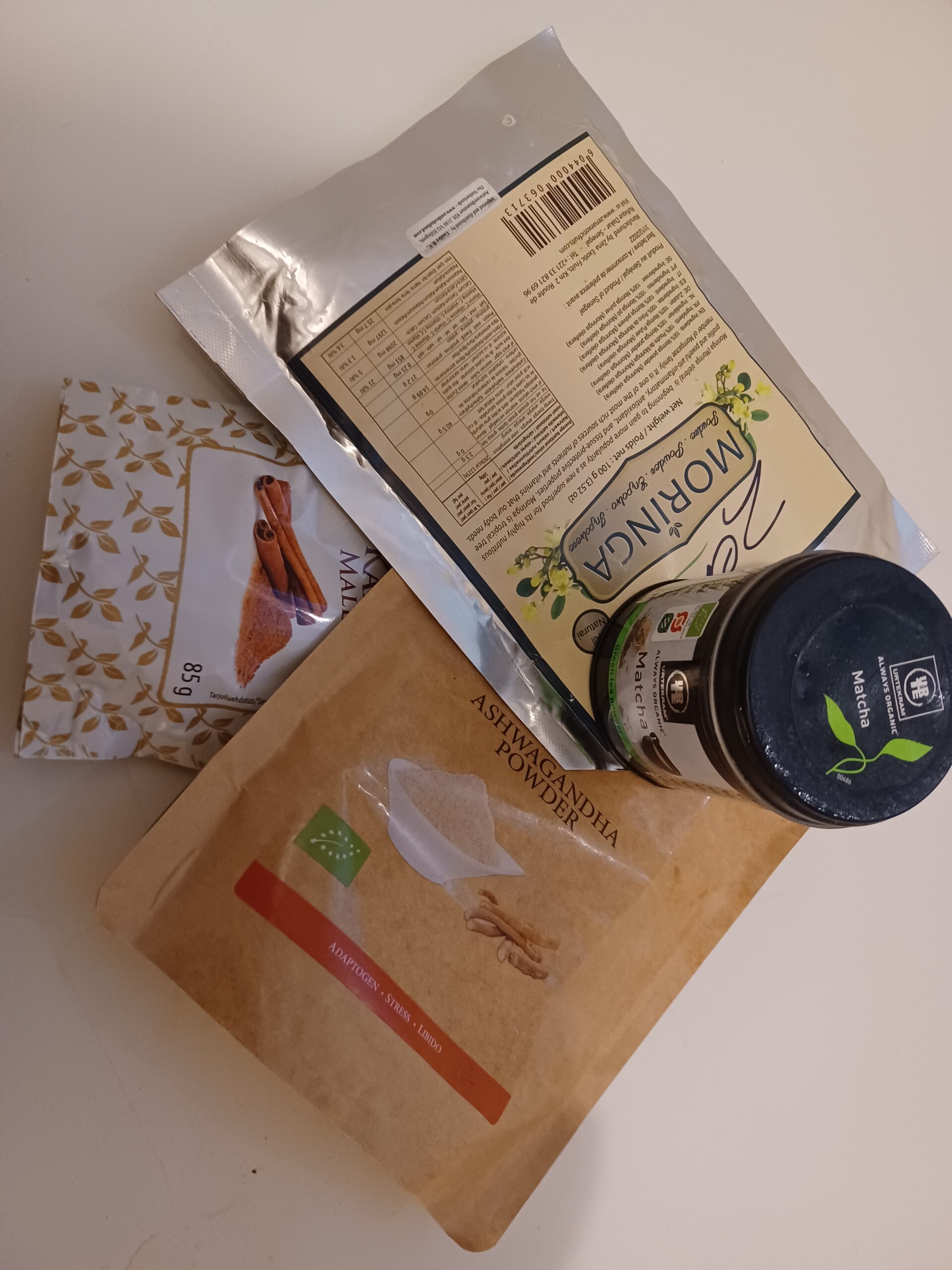
I have ashwagandha, cinnamon, moringa, and matcha currently. Each has a distinct secondary metabolite profile and a specific reason for being there.
Ashwagandha (Withania somnifera)
Withanolides are the primary active compounds, steroidal lactones produced through the MVA isoprenoid pathway in root tissue as antimicrobial and feeding deterrent defence chemistry. For ashwagandha powder the root is the correct plant part. Leaf powder is increasingly common and cheaper to produce but has a different and less studied withanolide profile than root. Always check the label specifies root powder.
Withanolides are relatively heat stable compared to volatile terpenoids. Standard drying temperatures do not dramatically reduce withanolide content which is why ashwagandha powder is a reliable delivery format for this compound class.
I add half a teaspoon to my morning oatmeal. The taste is earthy and slightly bitter. It blends reasonably well with oatmeal texture without dominating the flavour.
Cinnamon (Cinnamomum verum)
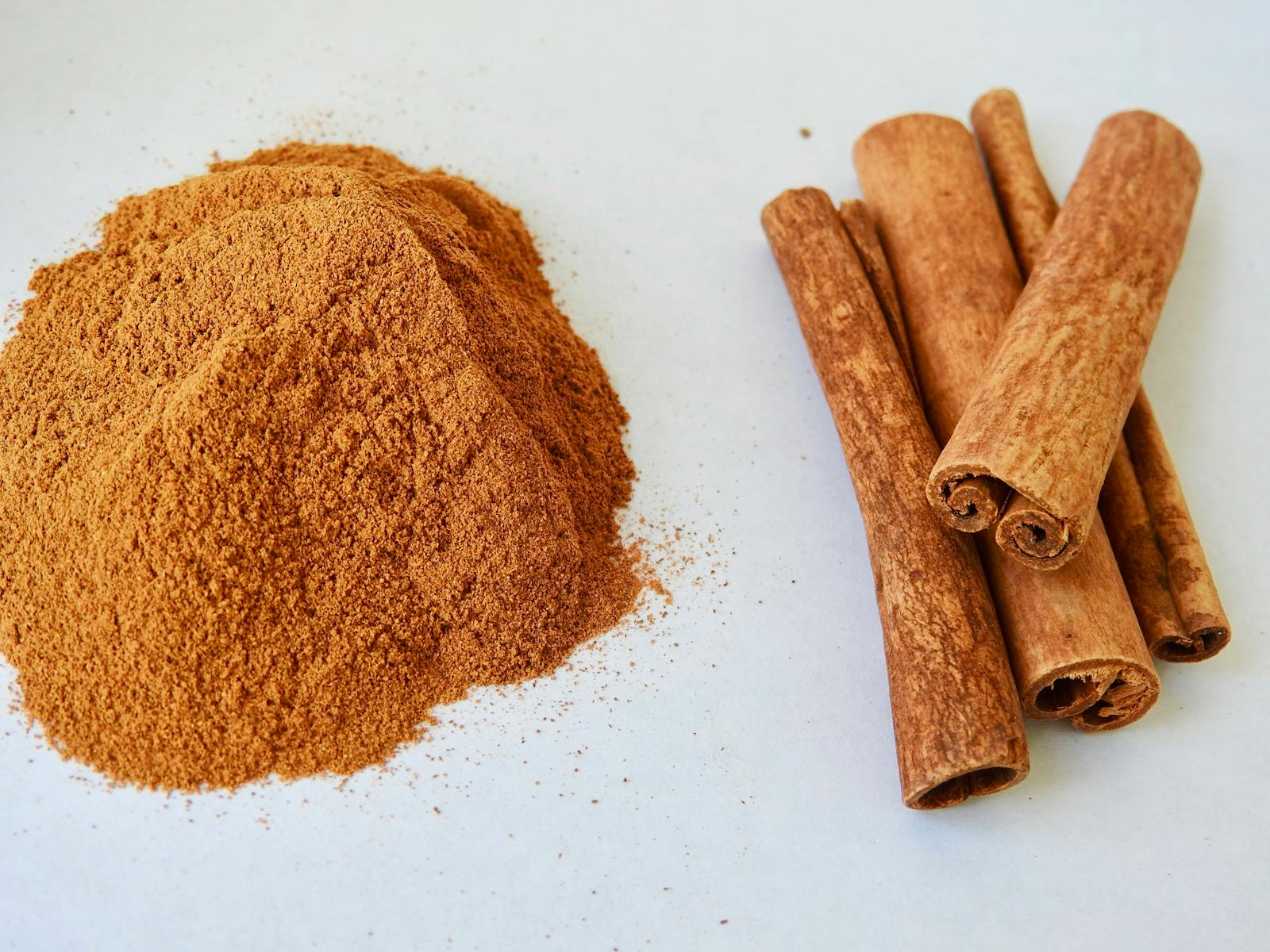
Two species are sold as cinnamon powder and they are chemically distinct. Cinnamomum verum, true Ceylon cinnamon, contains low concentrations of coumarin and higher concentrations of cinnamaldehyde and eugenol. Cinnamomum cassia, the more common cheaper variety, contains significantly higher coumarin concentrations.
Coumarin at high doses has hepatotoxic potential. For regular daily use Ceylon cinnamon is the safer choice. Most cheap supermarket cinnamon is cassia. The label should specify the species.
Cinnamaldehyde is the primary volatile compound responsible for cinnamon’s characteristic aroma and much of its biological activity. It is produced through the phenylpropanoid pathway from phenylalanine, the same biosynthetic route I studied in depth during my plant biochemistry training.
Like all volatile phenylpropanoid compounds cinnamaldehyde is vulnerable to heat and oxidation. Freshly ground cinnamon has a noticeably more intense aroma than old pre-ground powder. The volatile compounds have evaporated off. Buying whole cinnamon sticks and grinding as needed preserves the volatile fraction better than pre-ground powder.
Moringa (Moringa oleifera)
Moringa leaves contain an unusually dense nutritional and secondary metabolite profile. Quercetin, kaempferol, and chlorogenic acid are the primary flavonoid and phenolic acid compounds. Glucosinolates are also present, the same compound class found in Brassica vegetables.
Moringa is nutritionally interesting because the leaf material contains meaningful concentrations of protein, vitamins, and minerals alongside the secondary metabolite fraction. The bright green colour of quality moringa powder indicates well-preserved chlorophyll and suggests careful low-temperature drying that also protected the heat-sensitive flavonoid fraction.
I use moringa less regularly than ashwagandha and cinnamon. Occasionally in smoothies. The taste is grassy and slightly bitter with a green vegetable character.
Matcha (Camellia sinensis)
Matcha is shade-grown green tea leaf ground to a fine powder. The shade-growing is deliberate and chemically significant. Reducing light exposure during the final weeks before harvest increases chlorophyll production and L-theanine accumulation in the leaves. The plant produces more chlorophyll as a stress response to low light conditions and more L-theanine as a secondary metabolite response to the changed growing environment.
L-theanine is an amino acid found almost exclusively in Camellia sinensis. It modulates GABA receptor activity and influences alpha brain wave production contributing to the calm focused alertness that distinguishes matcha from coffee despite both containing caffeine.
The grinding process for matcha uses stone mills at very low speeds to avoid heat generation that would damage volatile and heat-sensitive compounds. Industrial ball milling at higher speeds generates enough heat to degrade chlorophyll and reduce L-theanine content. Quality ceremonial grade matcha ground on traditional stone mills has a noticeably different colour and flavour profile from cheap matcha ground by faster industrial methods.
Looking for a Complete Guide to Herbal Tea?
I’ve put together a complete guide on picking good herbs, storing them so they stay fresh, and brewing each type the right way.
Covers choosing, storing, and brewing, so you get the most out of every cup.
Growing Conditions Determine What Is in the Powder
This is where my field research connects most directly to herbal powder quality.
In my silver birch ozone experiment I measured how the same genotype responded differently to different environmental treatments. Elevated ozone reduced stem diameter growth in gt14 but not gt15. Temperature increased soil respiration in both genotypes but at different rates. Same species. Same experimental conditions. Different outcomes based on genotype and treatment combination.
Commercial herb cultivation operates under the same biological principles. The same Withania somnifera plant grown in depleted soil with pesticide exposure and harvested before full maturity produces a completely different withanolide profile than plants grown organically in nutrient-appropriate soil, allowed to develop fully, and harvested at peak secondary metabolite accumulation.
Organic cultivation matters not just for avoiding pesticide residues but because organic growing conditions, reduced synthetic nitrogen inputs, natural soil biology, genuine environmental exposure, tend to produce plants that invest more in secondary metabolite production. The stress-driven secondary metabolite chemistry I have covered across multiple articles on this site applies directly here. A plant that has to work for its nutrients produces more interesting chemistry than one given everything it needs on a plate.
This is why I pay attention to sourcing when buying herbal powders. Organically grown material from suppliers who understand the connection between growing conditions and secondary metabolite quality is not just a marketing preference. It is a biochemically grounded choice.
Whole Herb Powder vs Extract Powder
Whole herb powder is dried plant material ground fine. It contains everything in that plant part in roughly the proportions the plant produced it. Active compounds, fibre, starch, proteins, and all the secondary metabolites present in the dried tissue.
Extract powder is a concentrated preparation where active compounds have been extracted using a solvent, concentrated, and then spray-dried onto a carrier material like maltodextrin. The result is a powder with standardised active compound content, typically five to ten times more potent per gram than whole herb powder, but without the supporting matrix of the whole plant.
A 500 milligram ashwagandha root powder capsule and a 500 milligram ashwagandha extract powder capsule standardised to 5 percent withanolides are not equivalent doses. The extract powder delivers approximately five times more withanolides per gram.
My quality control training in chemical measurement standardisation applies directly here. A label specifying compound concentration allows meaningful comparison between products. A label that just says ashwagandha root powder 500mg tells you almost nothing about what you are actually getting in terms of active compound content.
How to Use Herbal Powders
The fat solubility of many plant secondary metabolites matters for herbal powders just as it does for tinctures.
Withanolides in ashwagandha and curcuminoids in turmeric are both significantly lipophilic. Adding these powders to food containing fat improves absorption compared to mixing them in plain water. My morning oatmeal made with milk rather than water provides the lipid context that improves withanolide absorption from the ashwagandha I add to it.
Cinnamaldehyde from cinnamon distributes reasonably well in both aqueous and fatty food matrices. Adding cinnamon to oatmeal with milk covers both bases.
Matcha L-theanine is water-soluble and absorbs efficiently from aqueous preparations. Traditional preparation in hot water is perfectly appropriate for this compound class.
Heat matters for volatile-rich powders. Adding cinnamon or moringa to boiling liquid drives off volatile compounds before you consume them. Adding to food that has cooled slightly or stirring in after cooking preserves more of the volatile fraction.
Quality Indicators Worth Checking
Colour intensity. Bright vivid colour indicates well-preserved secondary metabolites. Dull faded colour suggests heat damage or old stock with oxidative degradation. Bright green matcha. Deep orange-yellow turmeric. Rich brown cinnamon.
Aroma strength. Volatile compound content is directly detectable by smell. Strong fresh aroma means the volatile fraction is intact. Weak aroma means it has degraded or evaporated during poor storage.
Standardisation statement. For therapeutic use an extract powder standardised to a specific active compound percentage with third party testing verification is more reliable than non-standardised whole herb powder.
Species specification. Cinnamomum verum versus Cinnamomum cassia matters for safety with regular use. Withania somnifera root versus leaf matters for withanolide content. Species and plant part should be on the label.
Packaging. Airtight opaque packaging protects volatile compounds from oxygen and light exposure during storage. Clear plastic bags are the worst storage format for herbal powders.
Organic certification combined with transparent growing information. Given what I know from field research about how growing conditions affect secondary metabolite profiles, organic cultivation from a supplier who understands this connection matters for genuine quality.
FAQs
What are herbal powders used for?
Dried and ground plant material delivering secondary metabolites including flavonoids, alkaloids, terpenoids, and phenolic acids in a convenient format that can be added to food, drinks, or taken in capsules. Different from tinctures in that they deliver the whole plant matrix including fibre and structural compounds rather than a solvent extract of specific compound classes.
Are powdered herbs as good as fresh?
Depends on the herb and the compounds you want. For volatile-rich herbs like peppermint and basil fresh material has significantly higher volatile terpenoid content. For root materials like ashwagandha and valerian where the active compounds are less volatile, quality dried powder performs comparably to fresh. The drying process and growing conditions matter enormously.
How do you powder herbs at home?
Dry plant material thoroughly at low temperature first. A mortar and pestle works for small quantities. During my plant taxonomy fieldwork we used a mortar after low-temperature oven drying with newspaper and perforated boards. Once dried correctly grinding produces a consistent fine powder. High moisture content causes grinding to produce a paste rather than a powder and promotes mould during storage.
What is the difference between herbal powder and herbal extract powder?
Whole herb powder is dried plant material ground fine containing everything in that plant part. Extract powder is a concentrated preparation where active compounds have been extracted, concentrated, and spray-dried onto a carrier. Extract powders deliver higher active compound concentrations per gram. Labels should specify which type you are buying and ideally the active compound percentage.
Does cinnamon species matter?
Yes significantly for regular use. Cinnamomum verum, Ceylon cinnamon, contains low coumarin concentrations and is appropriate for daily use. Cinnamomum cassia, the common supermarket variety, contains significantly higher coumarin which has hepatotoxic potential at high doses with regular consumption. Specify Ceylon cinnamon if using daily.
How should herbal powders be stored?
Airtight opaque containers away from heat, light, and moisture. Volatile compounds evaporate through permeable packaging and degrade under UV exposure. Buying smaller quantities more frequently maintains freshness better than storing large amounts over long periods.
Why do growing conditions affect herbal powder quality?
The same environmental variables I measured in field research, temperature stress, pollutant exposure, nutrient availability, all affect plant secondary metabolite production. A plant under appropriate stress in good soil invests more in secondary metabolite chemistry than one in depleted conditions. Organic growing from knowledgeable suppliers produces measurably different secondary metabolite profiles than poorly managed commercial cultivation.
Explore Quality Organic Herbal Powders at Homegrown Herbalist!

