







This article was written by Serge, MSc. Plant Biologist and Environmental Scientist with a BSc in Plant Biology and an MSc in Environmental Biology and Biogeochemistry. My background covers plant biochemistry, botany, and field research in forest and soil ecosystems. I write from real experience, not just literature.
Affiliate disclosure: This site has affiliate links, including Amazon. As an Amazon Associate I earn from qualifying purchases, at no extra cost to you.
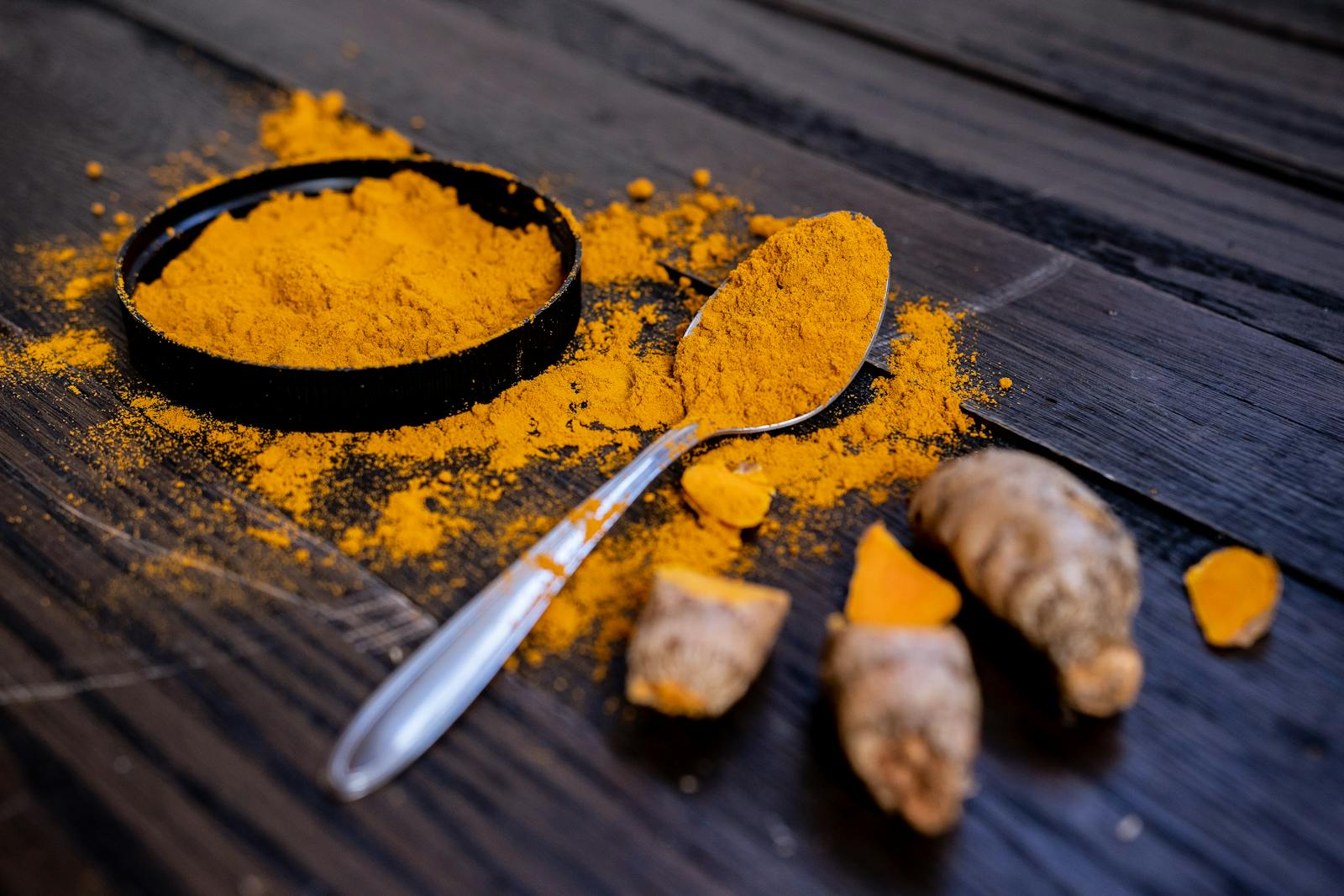
Three times a week I mix turmeric powder with apple cider vinegar, lemon juice, and a pinch of black pepper. I drink it in the morning with food.
I started the habit before I fully understood the biochemistry. Then I worked through curcumin absorption properly and had a slightly uncomfortable realisation. The original version I was making, turmeric powder stirred into an acidic liquid with no fat and no black pepper, had significant bioavailability limitations. Most of the curcumin was passing straight through without entering systemic circulation in any meaningful amount.
I kept the habit. But I changed it. And understanding why I changed it is actually the most useful thing I can share about turmeric.
What Turmeric Is
Curcuma longa is a rhizomatous plant in the Zingiberaceae family, the same family as ginger (Zingiber officinale) and cardamom (Elettaria cardamomum). It grows in tropical South and Southeast Asia where it has been cultivated for at least 4000 years as a spice, dye, and medicinal plant.
The rhizome is the part used medicinally and culinarily. Fresh turmeric rhizome looks similar to ginger but with deep orange-yellow flesh. The colour comes from curcuminoids, the primary secondary metabolite compound class that makes turmeric pharmacologically interesting.
Dried and powdered turmeric contains approximately 2 to 5 percent curcuminoids by weight depending on variety and growing conditions. Curcumin is the dominant curcuminoid at around 75 percent of total curcuminoid content, with demethoxycurcumin and bisdemethoxycurcumin making up most of the remainder.
Why the Plant Makes Curcumin
Curcumin is a polyphenol produced through the phenylpropanoid pathway from phenylalanine and malonyl-CoA precursors.
In Plant Biochemistry, we spent considerable time on this biosynthetic route. I remember working through how phenylalanine enters the pathway and how the same enzymatic steps that produce lignin in plant cell walls also produce curcumin in turmeric rhizomes. That shared biosynthetic origin connects curcumin chemically to rosmarinic acid in sage, caffeic acid derivatives in echinacea, and dozens of other plant phenolics. Same starting material. Different enzymatic branching points. Different end products.
The ecological function of curcumin in Curcuma longa is primarily antimicrobial and antifungal defence in the rhizome. The rhizome grows underground in tropical soils with high pathogen pressure. Concentrating potent antimicrobial polyphenols in underground storage tissue is a pattern I keep seeing across medicinal plants and it makes complete ecological sense. Berberine in barberry root. Valerenic acid in valerian root. Curcumin in turmeric rhizome. The plant is protecting its most vulnerable and metabolically expensive tissue.
The vivid yellow colour is a secondary function. Curcumin absorbs UV radiation and may deter certain insects. The intensity of colour in fresh turmeric correlates reasonably well with curcuminoid content, which is why traditionally grown varieties with deeper orange flesh tend to have higher curcumin concentrations than pale commercial varieties.
The Mechanisms That Make Curcumin Interesting
Curcumin has one of the most studied multi-target anti-inflammatory profiles of any plant compound.
The primary mechanism is NF-kB inhibition. NF-kB is a transcription factor that controls expression of pro-inflammatory cytokines including TNF-alpha, interleukin-1, and interleukin-6. When NF-kB is activated it switches on the inflammatory cascade. Curcumin inhibits NF-kB activation by blocking IkB kinase activity, the enzyme that triggers NF-kB release from its inhibitory complex.
I encountered NF-kB signalling in my Cell Biology of Air Pollution Damage coursework, specifically in the context of how oxidative stress from air pollutants activates inflammatory gene expression in plant and animal cells. Seeing the same transcription factor appearing in turmeric research made the connection between plant defence chemistry and human anti-inflammatory pharmacology very concrete for me.
The plant produces curcumin to inhibit microbial NF-kB equivalents in pathogens attacking its rhizome. The same compound inhibits NF-kB in human inflammatory cells. Shared molecular targets across completely different organisms.
Simultaneously curcumin directly inhibits COX-2 enzyme activity reducing prostaglandin synthesis. It also inhibits lipoxygenase enzymes reducing leukotriene production. Three separate anti-inflammatory pathways targeted simultaneously.
The Bioavailability Problem
This is what most turmeric marketing completely ignores and what I did not fully appreciate when I started my habit.
Curcumin is hydrophobic. It does not dissolve in water. When you stir turmeric powder into water, juice, or any water-based liquid, the curcumin does not actually dissolve. It remains as suspended particles. When you drink it, most of those particles pass through the intestinal wall without being absorbed.
The small amount that does get absorbed is rapidly metabolised in the liver and intestinal wall through glucuronidation and sulfation. The metabolites are pharmacologically much less active than curcumin itself.
My Quality Control of Chemical and Environmental Measurements training gave me a specific framework for thinking about this. Measuring a compound in a product tells you nothing about how much of it reaches its biological target. Bioavailability is the critical variable between label content and actual effect. A supplement standardised to 95 percent curcuminoids with no bioavailability enhancement might deliver far less active compound to target tissues than a whole turmeric preparation with essential oils providing a lipid medium.
My original mixture with apple cider vinegar and lemon was essentially a water-based preparation. The acidic pH slightly improves curcumin solubility compared to neutral water but not dramatically. Without fat to dissolve the curcumin and without piperine to inhibit its metabolism, most of what I was drinking was working locally in my gut rather than systemically.
Which is not nothing. But it is not what I thought I was getting.
Explore This Herbal Remedy Recipe Guide!
Why I Added Black Pepper
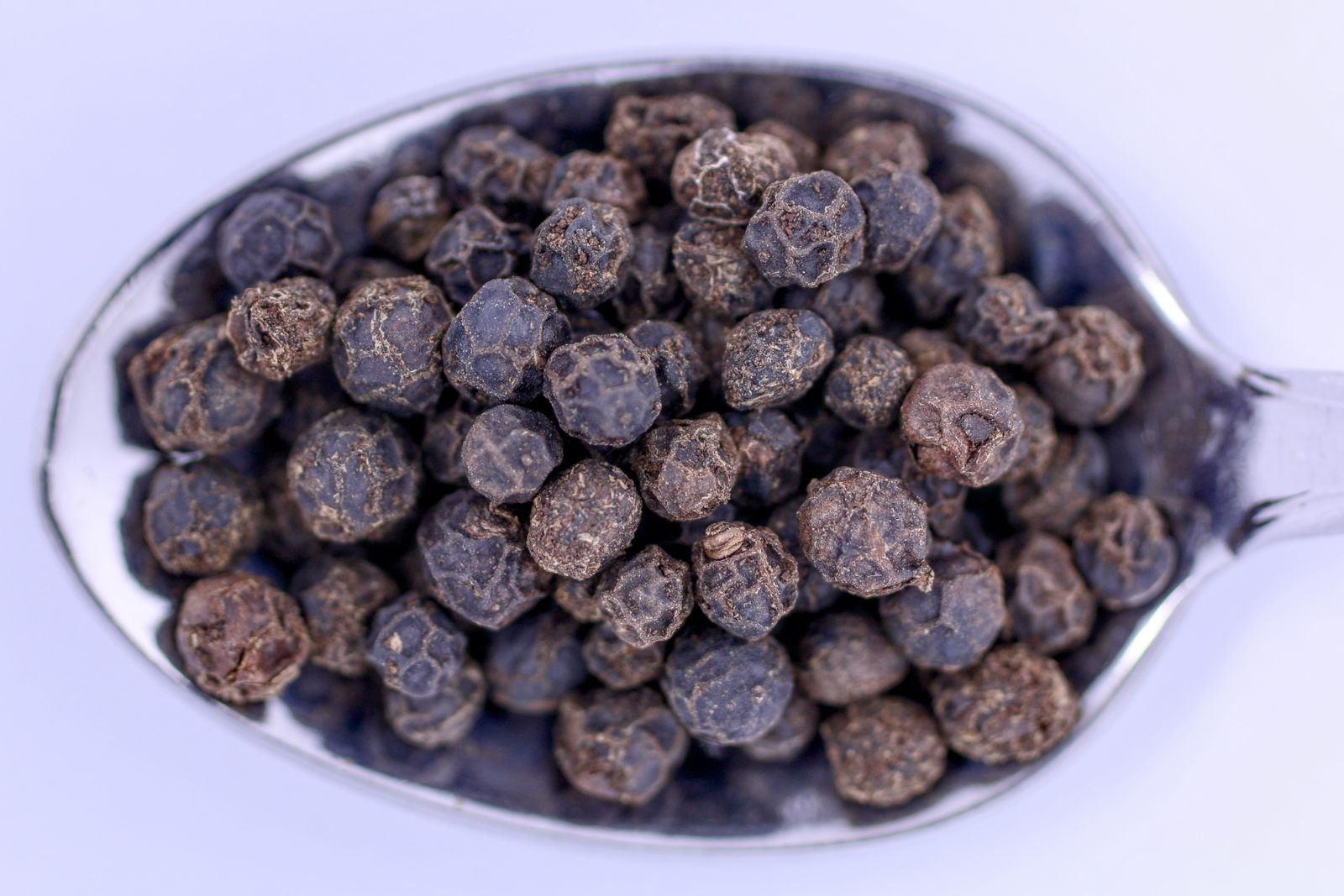
Piperine is the alkaloid that gives black pepper (Piper nigrum) its pungency. It inhibits CYP3A4 and P-glycoprotein, the liver and intestinal enzymes and transporters responsible for curcumin metabolism and efflux.
When you take curcumin with piperine, the metabolic breakdown is slowed and intestinal absorption increases significantly. The bioavailability increase with piperine co-administration is dramatic compared to curcumin alone.
After working through this I added a generous pinch of black pepper to my turmeric mixture. I also started having it with food rather than on an empty stomach. Having fat present when curcumin is consumed improves solubility and absorption further.
My current mixture is now biochemically more rational than the original. Same habit. Better chemistry.
Fat-Based Preparations Work Better
The gold standard for curcumin bioavailability is lipid-based formulations.
Phospholipid complexes bind curcumin to phosphatidylcholine improving absorption. Some preparations combine curcumin with turmeric essential oils improving bioavailability through lipid co-administration. Nanoparticle technology can reduce curcumin particle size dramatically improving solubility and absorption.
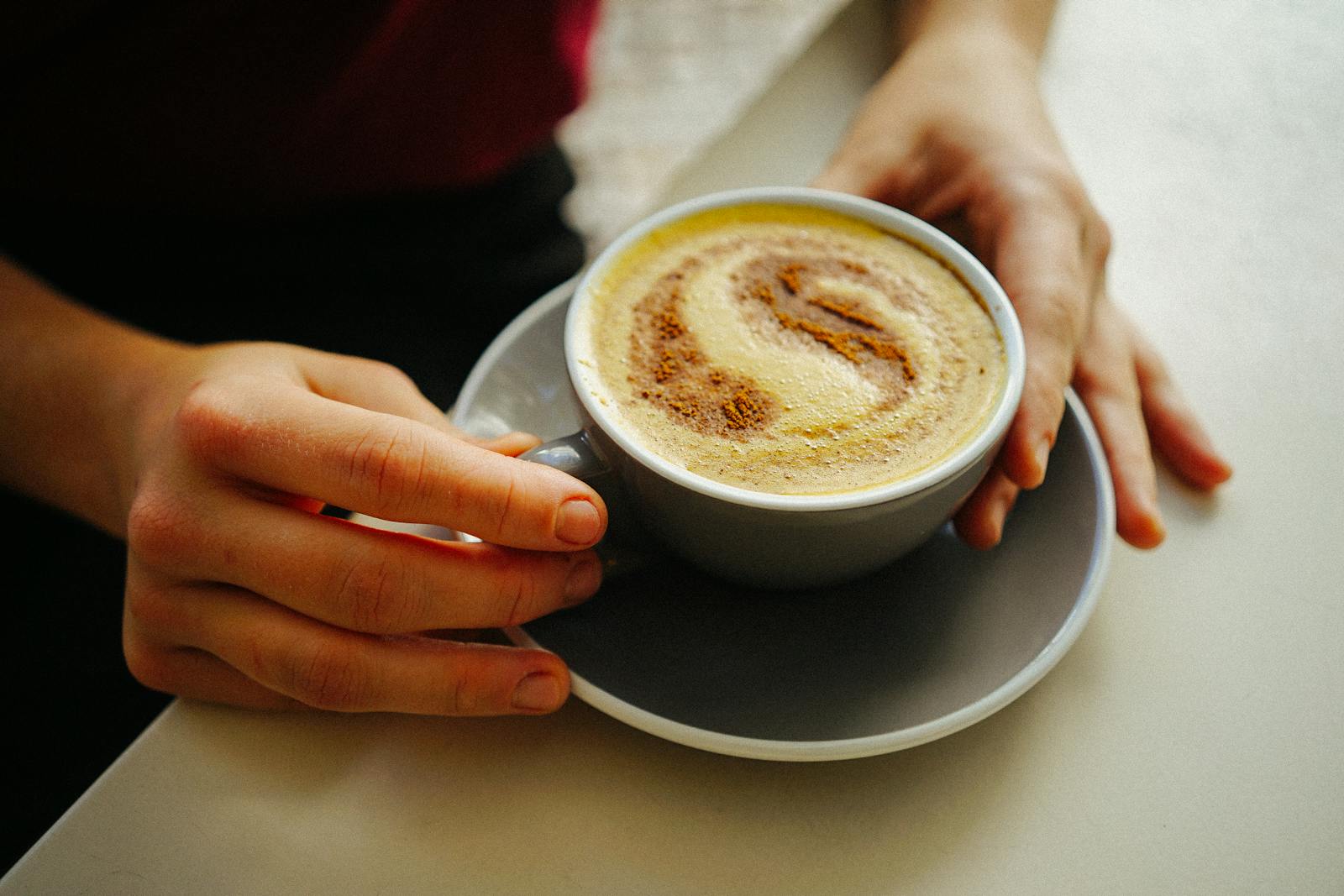
The traditional South Asian approach of cooking turmeric in oil with black pepper is actually biochemically sound. Dissolving curcumin in fat during cooking improves bioavailability. The culinary tradition arrived at the right answer before the research explained why. This is a pattern I find consistently interesting across traditional plant medicine. Long empirical use often anticipates the mechanistic explanation.
What Turmeric Actually Does With Adequate Bioavailability
Given adequate bioavailability through fat and piperine, curcumin has genuine documented effects.
Joint inflammation. Multiple controlled trials show reductions in osteoarthritis pain and stiffness with bioavailable curcumin preparations comparable to low dose ibuprofen in some trials. The important caveat is that most positive trials used standardised high bioavailability preparations not standard turmeric powder.
Digestive health. Direct contact of curcumin with gut epithelium produces local anti-inflammatory effects regardless of systemic bioavailability. This is the benefit that survives even in low bioavailability preparations. For gut applications direct contact matters as much as systemic absorption. It is why I kept the habit even before I optimised it.
Antioxidant activity. Curcumin scavenges reactive oxygen species directly and upregulates endogenous antioxidant enzyme systems including superoxide dismutase and catalase. My ecotoxicology training covered how antioxidant systems respond to exogenous compounds and how dose-response relationships determine whether a compound produces beneficial or adverse effects at cellular level.
Turmeric vs Curcumin Supplements
Whole turmeric powder contains curcuminoids at 2 to 5 percent by weight plus essential oils, polysaccharides, and other compounds. The essential oil fraction contributes to curcumin bioavailability by providing a lipid medium.
Isolated curcumin supplements contain 95 percent curcuminoids but without the supporting compounds. Paradoxically some research suggests whole turmeric preparations with their essential oil content perform comparably to isolated curcumin despite lower curcuminoid percentages.
Standardised high-bioavailability curcumin supplements with documented absorption enhancement are the most reliable option for therapeutic doses. Standard turmeric powder is adequate for culinary use and local gut effects. Basic curcumin capsules without bioavailability enhancement are often the least cost-effective choice despite appearing potent on the label.
Who Should Be Careful
Curcumin has anticoagulant activity. People on blood thinners including warfarin should discuss with their healthcare provider before supplementing.
Gallstones. Curcumin stimulates bile production. For people with gallstones this can trigger biliary pain.
High doses can cause gastrointestinal discomfort. Recent case reports of liver stress at very high supplement doses warrant caution with high dose long term use. At culinary doses and moderate supplement doses this is not a significant concern for most people.
Pregnancy. Culinary amounts are considered safe. High dose supplementation during pregnancy is not recommended.
FAQs
What does turmeric actually do for your body?
Curcumin inhibits NF-kB transcription factor activity reducing pro-inflammatory cytokine expression, directly inhibits COX-2 and lipoxygenase enzymes reducing prostaglandin and leukotriene synthesis, and acts as a direct antioxidant. These mechanisms produce documented anti-inflammatory effects when adequate plasma concentrations are achieved through bioavailable preparations.
Why does turmeric need black pepper?
Piperine in black pepper inhibits CYP3A4 and P-glycoprotein, the enzymes and transporters that rapidly metabolise and eliminate curcumin after absorption. Without piperine most curcumin is metabolised before meaningful systemic concentrations are achieved. Bioavailability increases dramatically with piperine co-administration.
Is turmeric safe to take every day?
At culinary doses yes. At high supplement doses the picture is more nuanced given anticoagulant activity and recent liver stress case reports at very high doses. Three times a week at moderate doses with food and black pepper is a reasonable approach for most people.
What cannot be mixed with turmeric?
Blood thinning medications including warfarin due to anticoagulant activity. People on antiplatelet drugs should be cautious. Diabetes medications may need monitoring as curcumin can affect blood glucose regulation.
Is turmeric the same as curcumin?
No. Turmeric is the whole rhizome of Curcuma longa containing 2 to 5 percent curcuminoids alongside essential oils and other compounds. Curcumin is the primary curcuminoid. Whole turmeric and isolated curcumin have related but distinct activity profiles.
Does cooking destroy curcumin?
Mild cooking in oil actually improves bioavailability by dissolving curcumin in fat. Prolonged high heat degrades curcumin over time but normal cooking temperatures do not destroy it rapidly. Traditional turmeric cooked in oil with black pepper is biochemically the most rational preparation method.
Looking for practical recipes using these combinations?
The science behind turmeric and black pepper is clear. If you want simple ready-made recipes that apply these combinations in everyday cooking, this herbal remedy guide covers turmeric, black pepper, and other evidence-informed combinations in practical recipe format.

