










This article was written by Serge, MSc. Plant Biologist and Environmental Scientist with a BSc in Plant Biology and an MSc in Environmental Biology and Biogeochemistry. My background covers plant biochemistry, botany, and field research in forest and soil ecosystems. I write from real experience, not just literature.
Affiliate disclosure: This site has affiliate links, including Amazon. As an Amazon Associate I earn from qualifying purchases, at no extra cost to you.
I want to start with something that bothers me about most rosehip supplements on the market.
Pick up almost any rosehip product and the label will tell you it is rich in vitamin C and antioxidants. That is true. It is also true of orange juice, bell peppers, and about fifty other things you can buy cheaper. If vitamin C was the whole story, rosehip would not be particularly interesting.
What makes Rosa canina genuinely interesting from a plant chemistry angle is a compound called GOPO. And here is the frustrating part. Most rosehip supplements contain almost none of it, because it degrades during standard processing, and nobody tells you that on the label.
What Is Rosa canina?
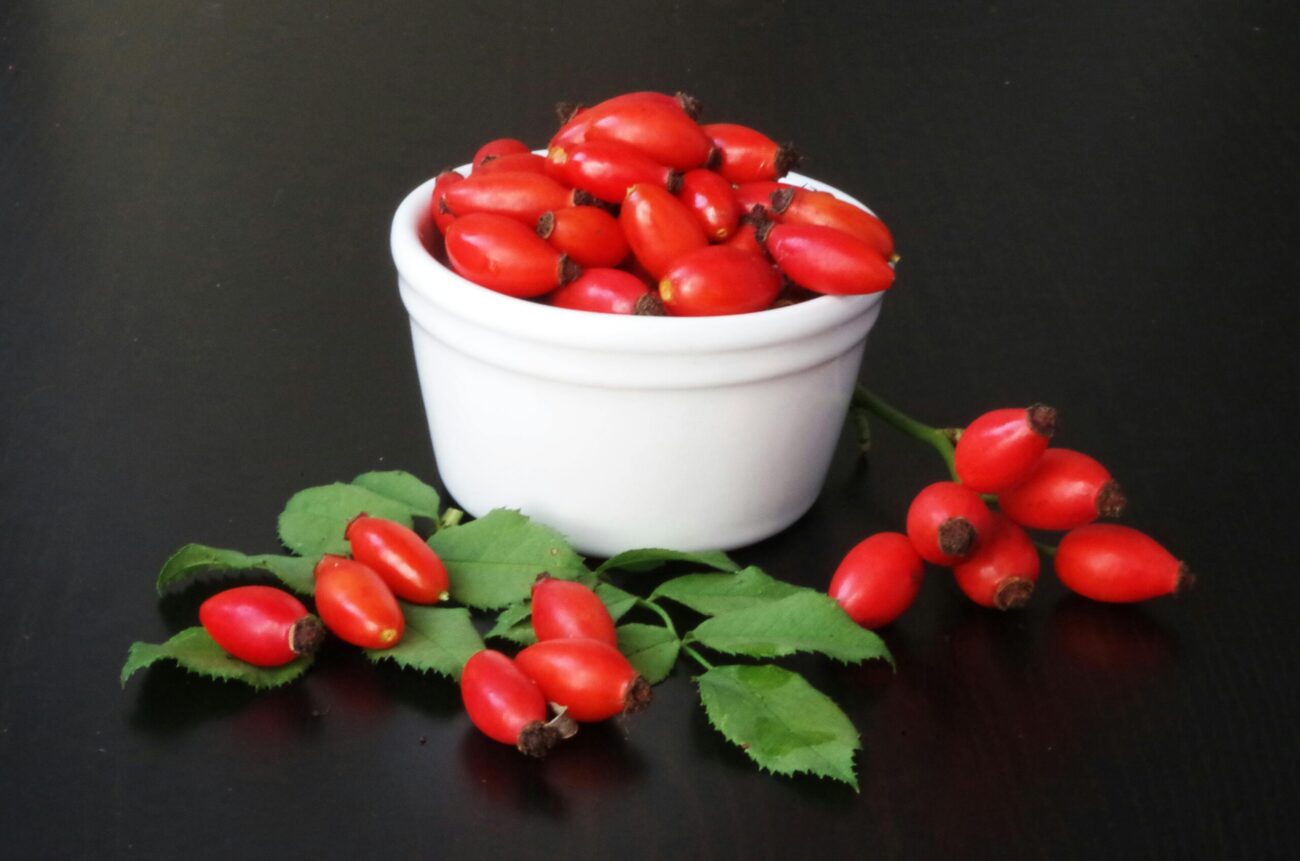
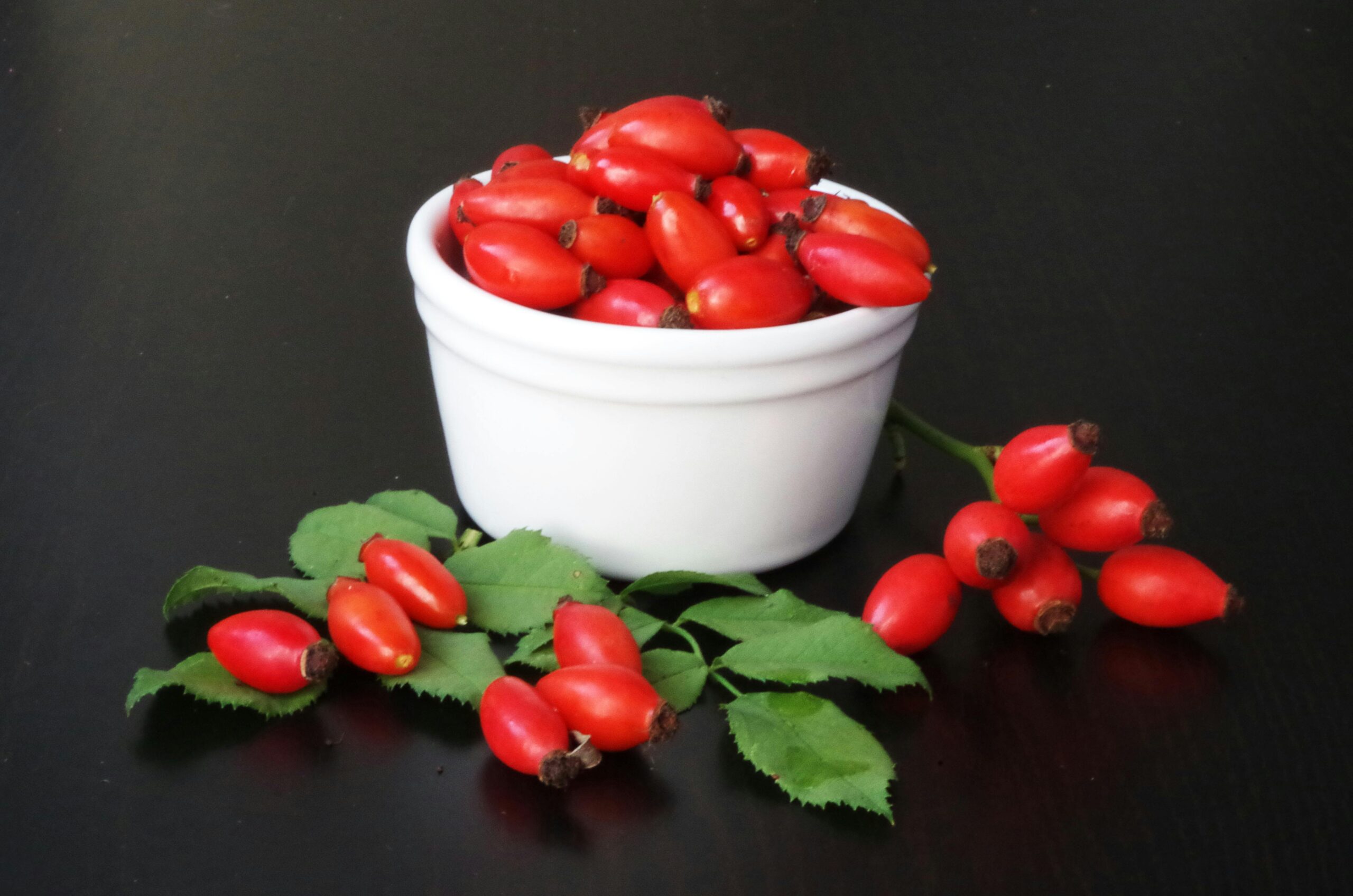
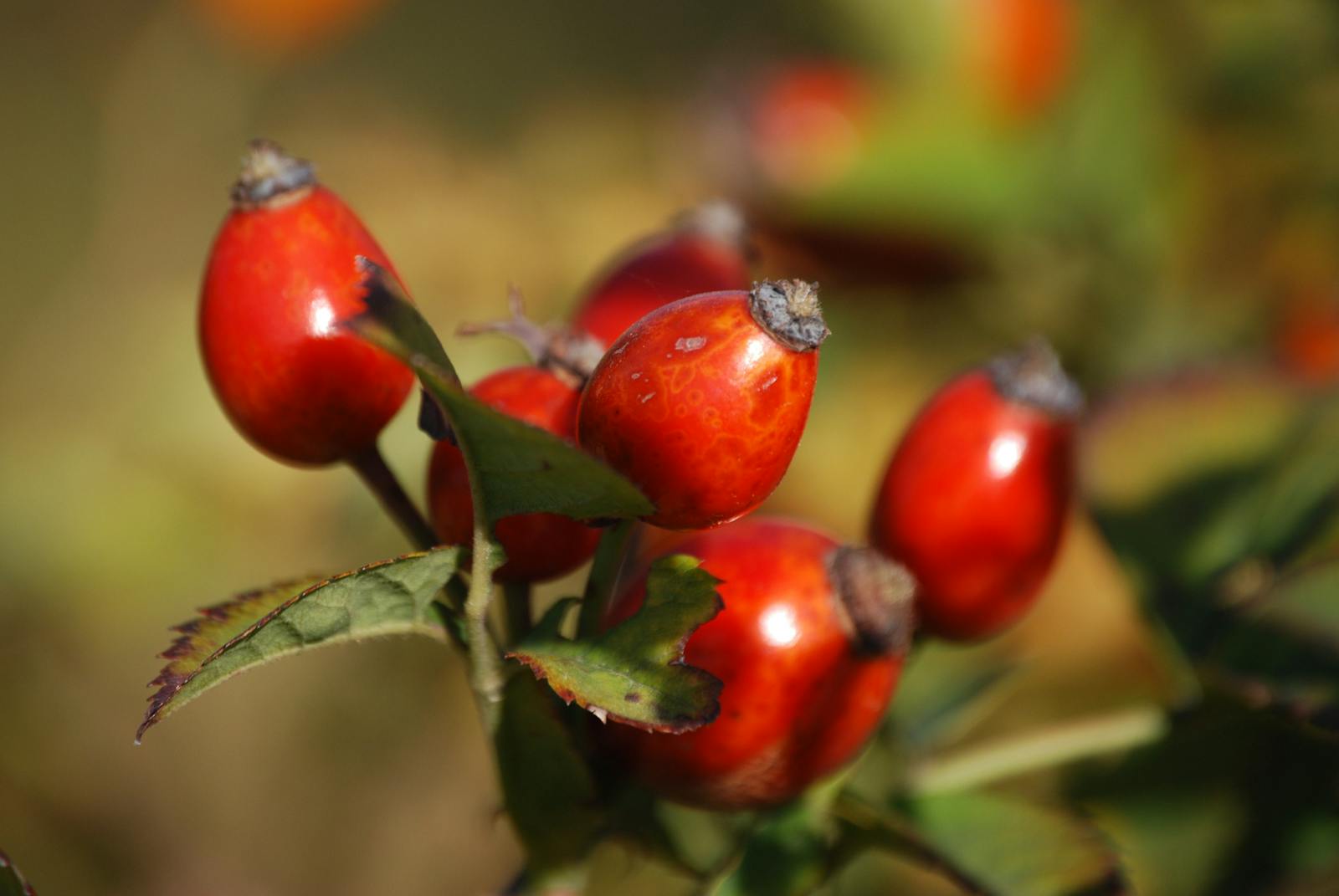
Rosa canina is the dog rose, a scrambling shrub that produces small red fruits called hips after flowering. It belongs to the Rosaceae family which I studied in detail during my plant taxonomy and classification coursework. Apples, pears, cherries, strawberries, all Rosaceae. The family shares biosynthetic pathways that produce polyphenols, flavonoids, and tannins as defence chemistry. That shared biochemistry is part of why rosehips have such a broad antioxidant profile.
The hip itself is technically an accessory fruit. The fleshy part develops from the receptacle rather than the ovary wall, the same structural arrangement as an apple. Inside the flesh sit seeds that are rich in fatty acids and, crucially, galactolipids including GOPO.
The flesh and seeds are chemically distinct. Most commercial rosehip powder uses the flesh only. That decision quietly removes most of the GOPO before the product even reaches you.
The Compounds Worth Knowing About
Vitamin C in Rosa canina hips is genuinely high, one of the richest plant sources available. But ascorbic acid degrades rapidly with heat and oxidation. Most heat-dried rosehip powder has lost a significant proportion of its vitamin C before it reaches the shelf. Cold preparation preserves more. This is basic secondary metabolite stability chemistry and it explains why traditional rosehip preparations were often cold-pressed or minimally processed.
Flavonoids including quercetin and kaempferol are present in meaningful concentrations. These modulate NF-kB inflammatory signalling, the same transcription factor that curcumin targets in turmeric. I find it interesting how many different plant compounds converge on the same inflammatory pathway from completely different biosynthetic starting points.
Carotenoids including beta-carotene and lycopene give the hip its red-orange colour. The same pigments the plant produces as photoprotection in the fruit tissue contribute to antioxidant defence in the humans who eat them. A coincidence of molecular architecture that I genuinely find elegant every time I encounter it.
And then there is GOPO.
Why GOPO is the Interesting Part
GOPO is a galactolipid. A glycerol-based lipid with a sugar group attached, found in the seeds and flesh of Rosa canina. It does not occur at meaningful concentrations in most other plants which is part of what makes it unusual.
What GOPO does in the human body is specific and well defined. It inhibits the migration of polymorphonuclear leukocytes into inflamed tissue. These are white blood cells and their migration into joint tissue is a primary driver of the inflammation and cartilage degradation associated with osteoarthritis. GOPO does not just dampen pain signals. It addresses the inflammatory process at a cellular level.
That specificity matters to me as someone who studied enzyme inhibition and secondary metabolite mechanisms in detail. Vague anti-inflammatory claims are everywhere in herbal supplements. A defined cellular mechanism backed by randomised controlled trials is a different thing entirely.
Multiple RCTs testing Rose-Hip Vital specifically, not generic rosehip powder, show consistent reductions in joint pain and stiffness over 3 to 4 months of use. One trial reported a 40 percent reduction in hip and knee pain scores compared to placebo. For a plant-derived compound that is a meaningful clinical outcome.
The Processing Problem
Here is why most rosehip products fail to deliver the GOPO effect despite what their labels suggest.
GOPO is a galactolipid and galactolipids are vulnerable to oxidative and enzymatic degradation during heat processing. Standard rosehip powder is produced by drying and milling at temperatures that degrade these lipid compounds before the product reaches you. The vitamin C is largely gone. The GOPO is largely gone. What remains is fiber, some residual flavonoids, and a label that says rosehip.
Rose-Hip Vital uses a patented cold extraction process specifically designed to preserve intact GOPO. I understand exactly why this matters from a chemistry angle. It is the same reason that cold-pressed oils retain different compound profiles than heat-extracted ones. The extraction method is not a marketing detail. It is the entire point of the product.
How Rosehip Fits With Other Anti-Inflammatory Approaches
Rosehip does not duplicate what turmeric or fish oil does. They address different points in the inflammatory cascade.
Curcumin from Curcuma longa inhibits NF-kB and COX-2. Fish oil omega-3 fatty acids reduce prostaglandin synthesis. GOPO inhibits leukocyte migration into joint tissue. Three different mechanisms, three different molecular targets, all relevant to joint inflammation.
I find this genuinely useful to think about. Most people either take nothing for joint support or take one supplement and expect it to do everything. Understanding that these compounds address different parts of the same process makes it easier to build a more complete approach.
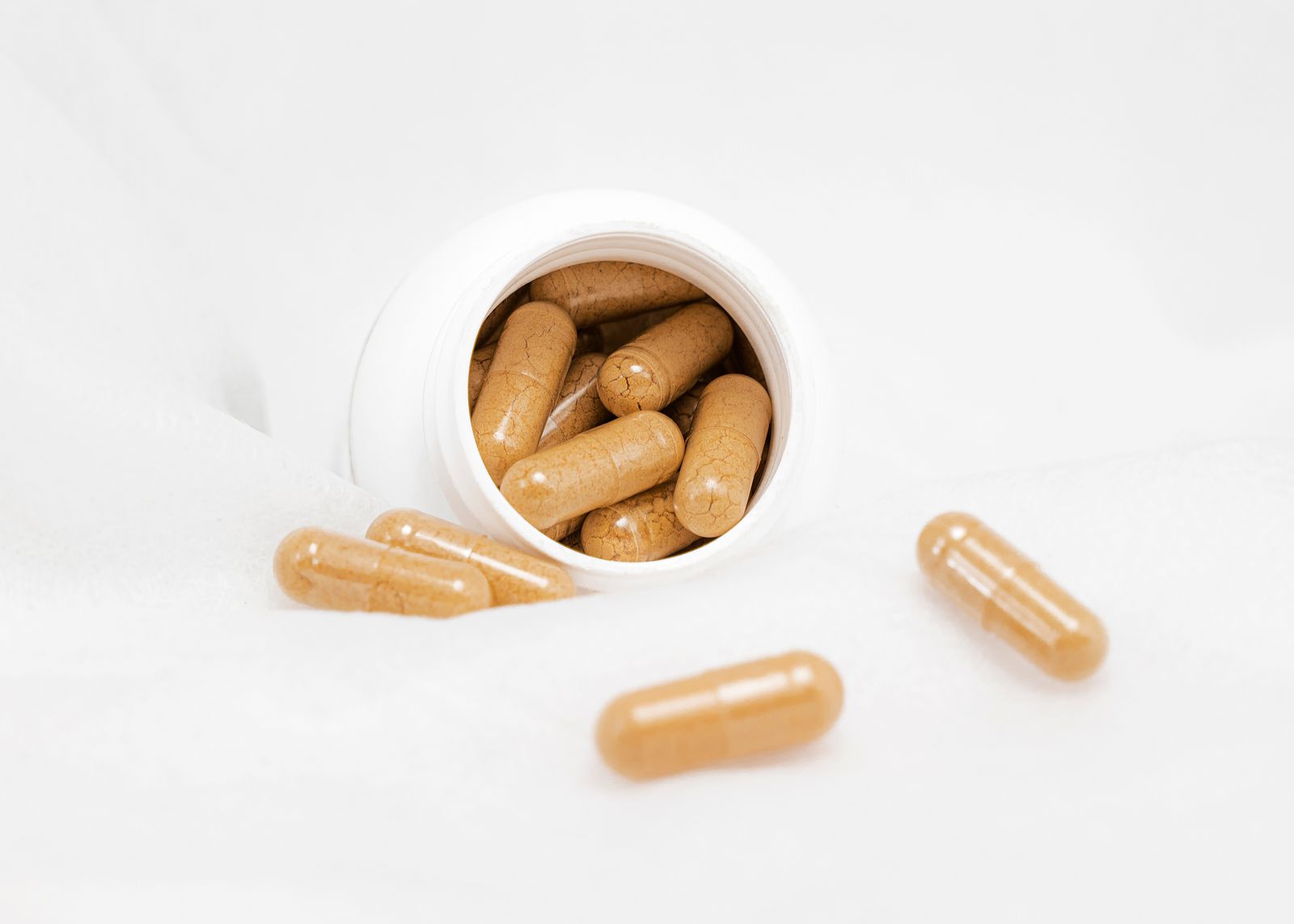
Shop Rose-Hip Vital with GOPO →
A Note on Safety
Rosa canina hips have been consumed by humans across multiple continents for centuries in large amounts by children and adults alike. During World War II rosehip syrup was distributed to children across the UK as a vitamin C source when citrus imports were disrupted. The safety record is about as solid as any plant food gets.
The supplement is well tolerated at standard doses with no significant drug interactions documented. People on anticoagulants should check with their doctor because high-dose vitamin C can have mild effects on coagulation, though standard supplement doses are unlikely to be clinically meaningful.
If joint support from rosehip is what you are after, the product needs to preserve GOPO. Generic rosehip powder does not.
Common Questions
What makes Rose-Hip Vital different from standard rosehip supplements?
The patented extraction process preserves GOPO, a galactolipid that degrades during standard heat drying and milling. Most rosehip powders contain little intact GOPO regardless of dosage. The clinical evidence for joint support is specifically for preparations that preserve this compound.
What is GOPO and why does it matter for joint health?
GOPO is a galactolipid found in Rosa canina seeds and flesh. It inhibits the migration of polymorphonuclear leukocytes into inflamed joint tissue, addressing inflammation at a cellular level rather than masking pain signals. It is the compound that distinguishes rosehip from generic anti-inflammatory supplements.
Why do most rosehip supplements not contain GOPO?
GOPO degrades during standard heat drying and milling processes. Most rosehip powder products contain little to no intact GOPO regardless of how much rosehip the label claims. Preserving GOPO requires specific cold extraction processing.
How long before results are noticeable?
Clinical trials showing significant reductions in joint pain and stiffness used supplementation periods of 3 to 4 months. Shorter periods may show partial effects. Consistent daily use is necessary for the documented outcomes.
Can rosehip be combined with other anti-inflammatory supplements?
Yes. Rosehip and curcumin work through different mechanisms and are complementary rather than redundant. Fish oil addresses prostaglandin synthesis through a third pathway. Combining them addresses multiple points in the inflammatory cascade simultaneously.
Is Rosa canina safe for long-term use?
The safety record from centuries of traditional consumption is extensive. No significant toxicity has been documented at normal supplemental doses. People on anticoagulant medication should consult their doctor due to high vitamin C content at supplemental doses.
Does the vitamin C in rosehips survive processing?
It depends heavily on the processing method. Heat and oxidation rapidly degrade ascorbic acid. Cold extraction methods preserve significantly more vitamin C than heat-dried preparations. Check processing methods when evaluating product quality.
Does rosehip help with osteoarthritis?
Multiple randomised controlled trials testing Rose-Hip Vital specifically show consistent reductions in joint pain and stiffness scores in osteoarthritis patients over 3 to 4 months of use. The effect is attributed to GOPO’s inhibition of leukocyte migration into joint tissue. Generic rosehip powder without preserved GOPO does not have the same evidence base.

