







This article was written by Serge, MSc. Plant Biologist and Environmental Scientist with a BSc in Plant Biology and an MSc in Environmental Biology and Biogeochemistry. My background covers plant biochemistry, botany, and field research in forest and soil ecosystems. I write from real experience, not just literature.
Affiliate disclosure: This site has affiliate links, including Amazon. As an Amazon Associate I earn from qualifying purchases, at no extra cost to you.
Some changes in ecosystems are hard to miss once you know what to look for.
Over years of fieldwork in plant and environmental biology, I developed the habit of observing not just individual plants but the systems around them. Soil texture, understory density, insect activity, the condition of neighboring species. These details tell you more about ecosystem health than any single plant can.
What I began noticing in certain forests and old gardens was a pattern. Specific herbs were becoming harder to find. Not just scarce seasonally, but genuinely diminishing. And the soil around them was changing too, lighter, less structured, quieter.
From my background in plant biochemistry and biogeochemistry, I understood what that meant. Removing plants from an ecosystem doesn’t just reduce their numbers. It disrupts the microbial networks, soil structure, and nutrient cycles that made those plants viable in the first place.
Herbs That Show the Impact Most Clearly
Some species reveal these pressures more dramatically. Goldenseal (Hydrastis canadensis) is a slow-growing plant, and its berberine-rich roots are highly sought after for immune support. In areas of heavy collection, I noticed fewer young plants emerging, and older plants appeared stressed and pale.
Wild ginseng (Panax quinquefolius) is another example. Its ginsenosides provide adaptogenic benefits, but roots take decades to mature.
I’ve walked forest floors where ginseng was harvested, and the difference was obvious: the seedlings that should have grown for years were absent, and the remaining roots seemed smaller, less vigorous.
White sage (Salvia apiana) tells a similar story. In protected patches, leaves were thick, aromatic, and full of essential oils. Nearby areas where harvesting was frequent had sparse plants with weaker aroma. The difference wasn’t subtle, it was tangible.
Other herbs I’ve observed under pressure include:
Goldthread (Coptis trifolia): Tiny roots packed with berberine, disappearing quickly where soil is disturbed.
Blue cohosh (Caulophyllum thalictroides): Its slow growth makes it vulnerable to human collection.
Wild valerian (Valeriana officinalis): Its calming root compounds fade in overharvested areas.
Seeing these changes repeatedly has impressed upon me that herbs are not isolated, they are part of a living, breathing ecosystem. When we remove them carelessly, soil microbes, neighboring plants, and pollinators all feel the impact.
How Overharvesting Changes Ecosystems
I’ve been in forests where the contrast between harvested and protected areas is stark. In overharvested spots, soil is exposed, dry, and lighter. Fallen leaves that usually feed microbes are gone. Bees and butterflies are fewer. Small understory plants struggle to compete.
Protected areas tell a different story. The soil is thicker, dark, and alive. Understory growth is lush, and insects abound. Herbs there are stronger, deeper in color, richer in scent, and fuller in medicinal activity.
Watching this over time has made me realize that removing herbs from the wild doesn’t just take a plant, it shifts the balance of the entire ecosystem.
Alternatives That Keep Herbs and Ecosystems Healthy
Over time, I’ve explored ways to enjoy herbal wellness without contributing to these changes.
Farmed versions of vulnerable herbs: Goldenseal and ginseng can be cultivated sustainably. When grown in healthy soil, they produce roots rich in active compounds while leaving wild populations intact.
Native or underused herbs I’ve experimented with:
Yarrow (Achillea millefolium): Flavonoids and sesquiterpene lactones support circulation and digestion.
Marshmallow root (Althaea officinalis): Its mucilage soothes the digestive tract.
Elderflower (Sambucus nigra): Polyphenols support respiratory comfort.
Horehound (Marrubium vulgare): Bitter compounds aid digestion and respiratory health.
Dandelion (Taraxacum officinale): Vitamins, minerals, and polyphenols support liver and kidney function.
I’ve found that switching to these alternatives allows me to maintain my wellness routines while reducing stress on wild populations. When I grow or source these plants, the difference is evident in aroma, color, and potency, especially when the soil and environment are cared for.
Home-grown herbs: Peppermint (Mentha × piperita) and lemon balm (Melissa officinalis) thrive in my garden and substitute well for overharvested species in teas, tinctures, and infusions.
How I Source Herbs Responsibly
Over time, I’ve developed a few habits that help me support both plant strength and ecosystem health: Prioritize cultivated over wild-harvested herbs.
Farms that maintain soil life, rotate crops, avoid chemicals usually produce healthier, more aromatic plants.
Ask targeted questions. For example:
Do you use cultivated or wild plants?
How do you maintain soil health?
Are pollinators supported on the farm?
Practice mindful foraging. Take only what you need, leave plenty behind, and rotate collection areas.
Even small adjustments can have a meaningful effect on fragile plant populations.
Lessons I Learned from Home Gardening
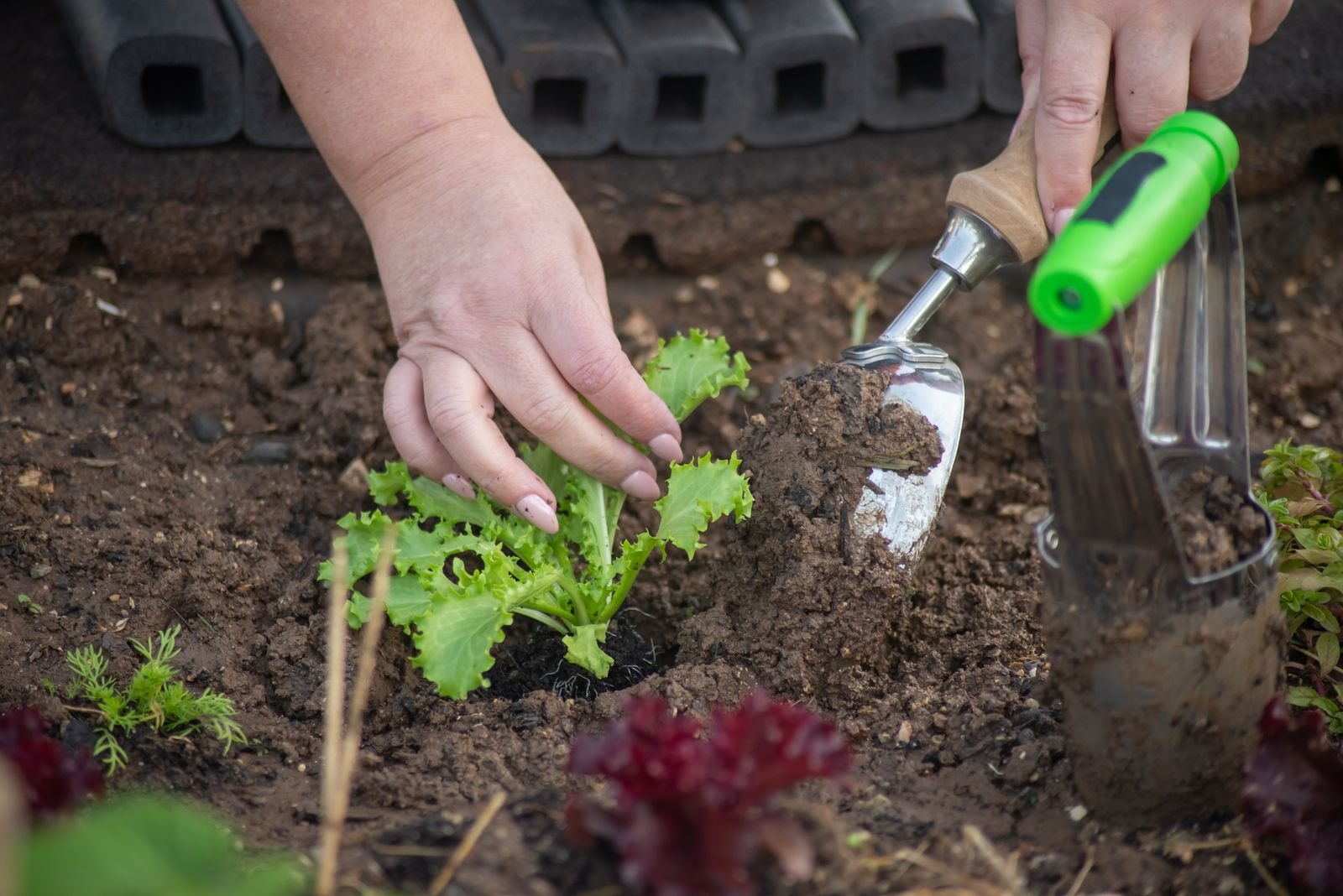
I’ve noticed that even small gardens can yield herbs that rival wild plants in aroma and potency when done thoughtfully:
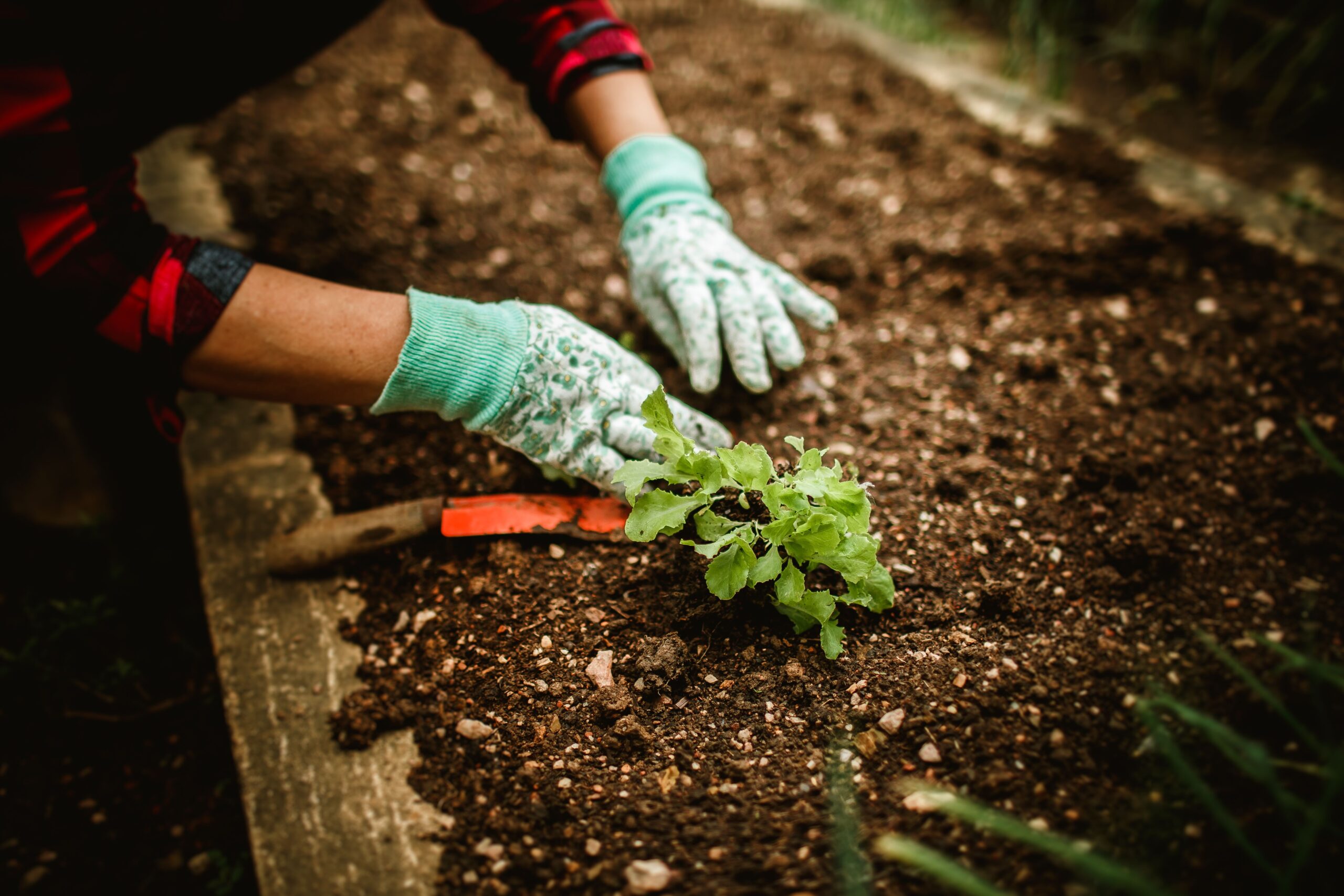
Compost and mulch feed soil microbes and improve nutrient uptake.
Minimal soil disturbance protects fungal networks and root systems.
Companion planting, for example, calendula (Calendula officinalis), echinacea (Echinacea purpurea), and lemon balm, encourages soil diversity and attracts pollinators.
Using rainwater supports microbial activity more than chlorinated tap water.
I watch for signs of plant health, richer aroma, deeper colors, fuller flavor. These indicate thriving plants and healthy soil ecosystems.
Why Sustainable Choices Matter.
Choosing cultivated, native, or home-grown herbs has clear benefits:
Reduces pressure on wild populations
Supports pollinators and insect diversity
Maintains soil fertility and structure
Preserves biodiversity for plants and insects
When I step into a garden grown this way, the difference is palpable. The air smells richer, insects are busy, and plants are vibrant. These aren’t just aesthetic observations, they signal a healthier ecosystem.
What I Recommend You Do Next
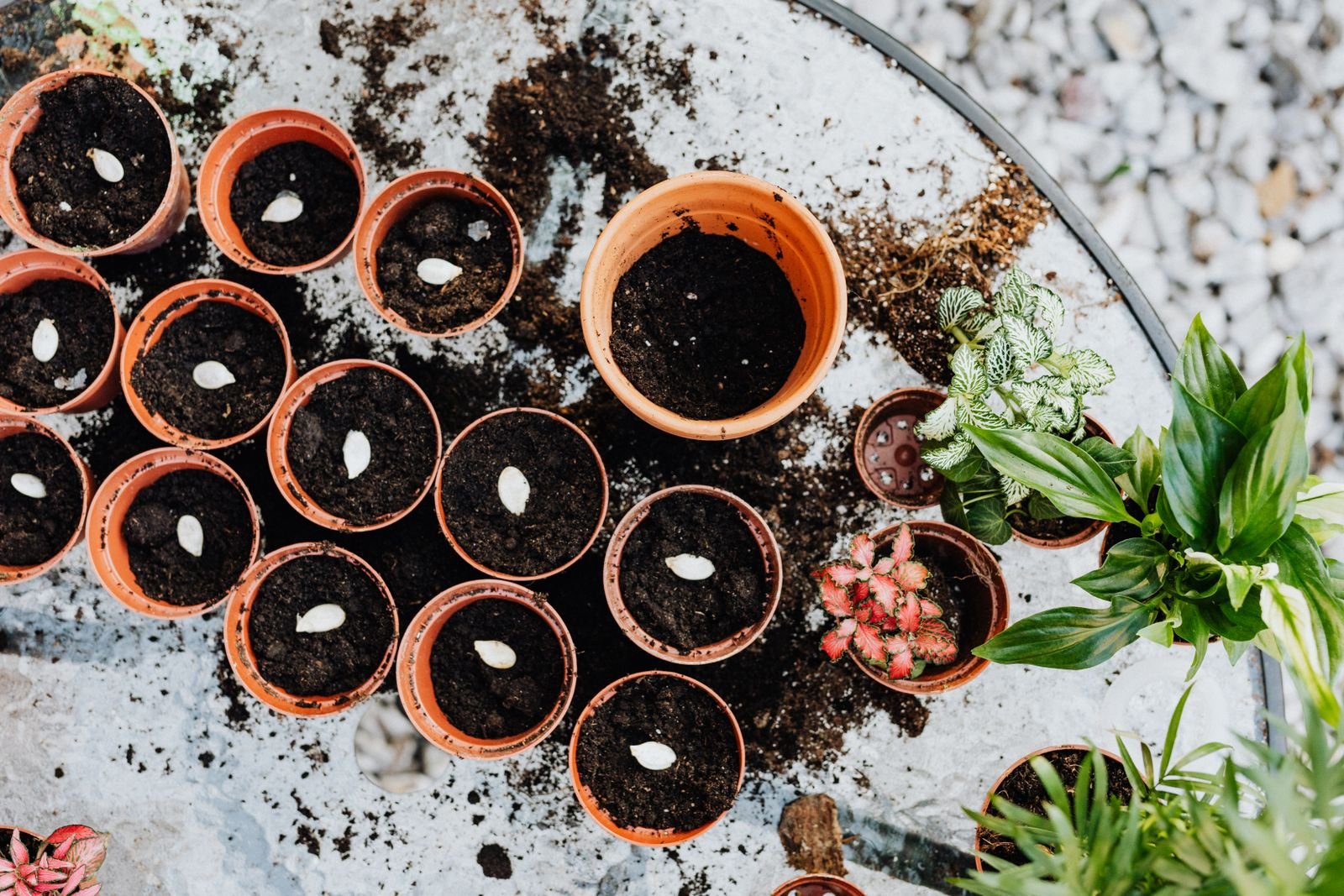
Start paying attention to the herbs you use. Where do they come from? Are they cultivated responsibly? Try planting a few at home.
You can also explore native alternatives like yarrow, elderflower, or marshmallow root. These herbs provide comparable benefits while putting less stress on wild populations.
FAQs
1. Are all wild herbs endangered?
Not all, but slow-growing species like goldenseal, wild ginseng, and white sage are more vulnerable.
2. Can cultivated herbs match the potency of wild herbs?
Yes. Proper cultivation in healthy soil often preserves or even enhances active compounds.
3. Which native herbs can replace overharvested species?
Yarrow (Achillea millefolium), marshmallow root (Althaea officinalis), elderflower (Sambucus nigra), horehound (Marrubium vulgare), and dandelion (Taraxacum officinale).
4. How can I forage responsibly?
Take only what’s needed, leave plenty behind, rotate areas, and avoid stressed populations.
5. Does soil health affect herbal potency?
Absolutely. Microbe-rich soil improves nutrient uptake and boosts flavonoids, terpenes, and essential oils.
6. Can home gardening reduce pressure on wild herbs?
Even small, responsibly grown gardens reduce demand on wild populations and support biodiversity.
7. How do these practices support pollinators?
Flowering herbs, diverse plantings, and avoiding chemicals provide food and habitat for bees, butterflies, and other insects.
8. Which herbs are easiest for beginners to grow sustainably?
Peppermint (Mentha × piperita), lemon balm (Melissa officinalis), calendula (Calendula officinalis), and chamomile (Matricaria chamomilla).
9. Can switching to native alternatives reduce herbal efficacy?
Many native herbs contain comparable active compounds and provide similar effects while being gentler on ecosystems.
Summary
Over the years, watching changes in herbs and their ecosystems has shown me that every choice we make, whether foraging or growing at home, has an impact.
Taking care of soil, plant health, and sourcing herbs responsibly isn’t just about protecting the wild; it also helps keep the herbs we use for wellness vibrant, strong, and abundant.
Simple things, like planting a few herbs in your garden or wisely choosing cultivated plants, support pollinators, enrich the soil, and help maintain biodiversity.
This week, try exploring native or cultivated alternatives to overharvested herbs. You’ll see how small, thoughtful choices can strengthen your plants, improve your soil, and welcome pollinators, helping both your garden and the wild spaces you care about thrive.
For support in caring for your herbs and garden, explore this Botanical Wellness & Garden Essentials resource page for selected seeds, tools, and herbal products.
If you want to expand your knowledge, the Digital Learning and Downloadables resource pages offers easy-to-follow courses and guides on herbal remedies, plant care, and sustainable gardening, helping both your garden and your wellness thrive.
Take action today and support your garden, your wellness, and the wild around you!
For those interested in exploring Amazonian ethnobotany and traditional plant knowledge further, I recommend Amazonas: Medicinal Plants, Indigenous Healing and the Wisdom of Native Healers by Marilia Grossmann.

