








This article was written and reviewed by Serge, MSc. With a solid background in Plant Biology, Environmental Biology, and Biogeochemistry, I focus on the science and logic behind the plants we grow, ecosystems we build, and experiments we conduct. My goal is to make research reliable and practical for readers.

Have you ever tried imagining a world without plants?
No trees shading streets, no grass under your feet, not even a single flower popping up from a crack in the sidewalk. Weird, right? But thinking about it makes you realize just how much plants actually do for us every day. Take them away, and life as we know it would start falling apart faster than most people think.
Plants Are More Than Just Decoration.
Plants aren’t just decoration, they literally keep us alive. They gulp down carbon dioxide, soak up sunlight, and puff out oxygen we actually need to breathe.
The giants like Sequoia sempervirens (coast redwoods) and even tiny Arabidopsis thaliana all play their part. If these plants disappeared, oxygen levels would drop rapidly, making survival for humans and animals extremely difficult in a very short time.
It’s not only oxygen. Plants also help balance carbon dioxide in the air. Without plants, CO₂ levels would skyrocket, the planet would heat up, and extreme weather would intensify. Wildfires, storms, and heatwaves would worsen and affect places far beyond what we might expect.
The Food Chain Would Crash.
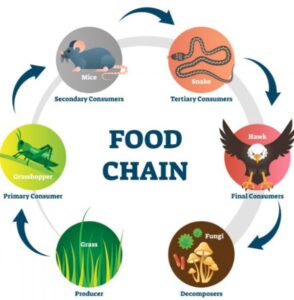
Plants sit at the very bottom of the food chain. They capture sunlight and turn it into energy that herbivores eat. Then carnivores eat the herbivores. Remove plants, and everything above them suffers. Rabbits like Lepus europaeus or cows (Bos taurus) would starve, and predators depending on them? Tough luck.
Humans would feel it too. Most of what we eat comes from plants, grains, fruits, vegetables. Even seafood relies on plants somewhere in the chain. No plants, no food. Hunger spreads fast. Billions of people affected. It’s not pretty.
Soil Would Start Falling Apart.
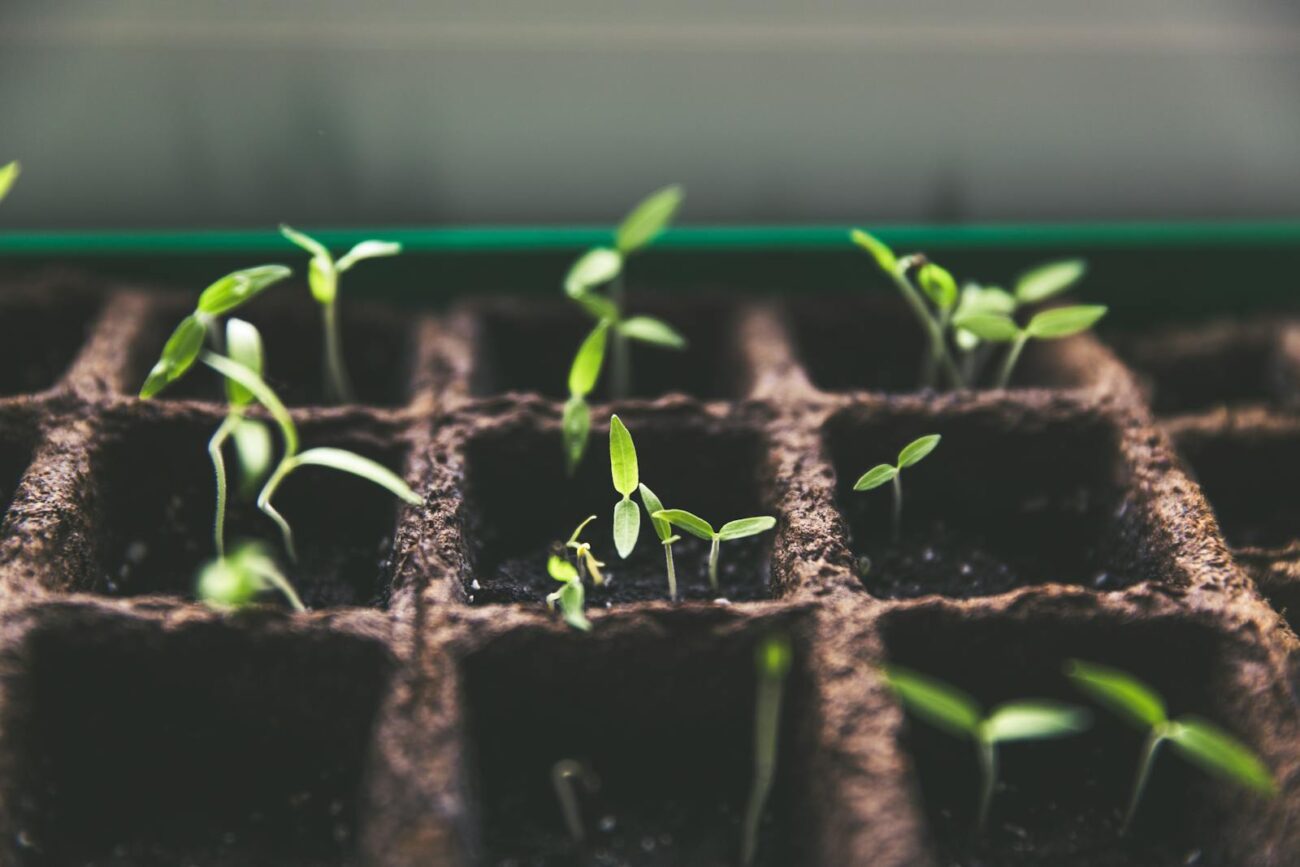
Roots don’t just hold plants, they hold soil in place and feed tiny underground life. Without plants like Ficus elastica (rubber fig) or Zea mays (corn), fertile land would degrade fast.
Rain would wash away unprotected dirt, floods get worse, and dust storms? Might become the new normal. Farming? Pretty much impossible without plants holding soil together.

Water Cycles Would Become Disrupted.
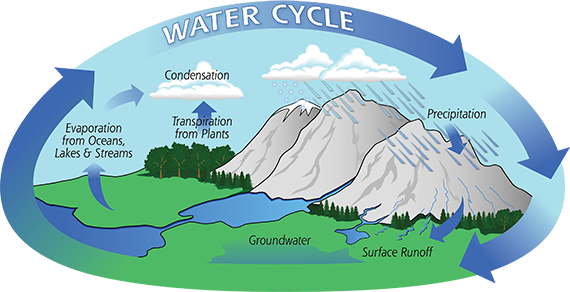
Plants also control water movement. Through transpiration, they release moisture into the air, which helps rain form. Forests with Quercus robur (English oak) or Picea abies (Norway spruce) keep areas cooler and wetter.
Take away the plants, rainfall drops. Droughts get worse. Rivers might dry up. Water scarcity would hit humans and animals alike.
Plant-Based Medicine Would Vanish.
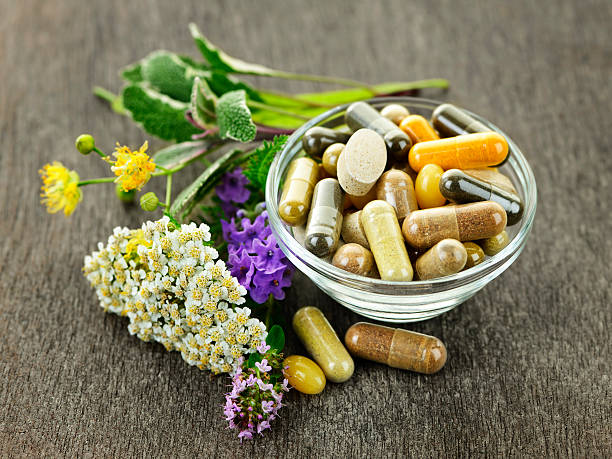
Lots of medicines come straight from plants. Digitalis purpurea (foxglove) helps hearts beat properly. Taxus baccata (yew) gives paclitaxel, a cancer treatment. No plants, no medicine. Scientific progress stalls. Suddenly, treatments we rely on would disappear. Scary thought, right?

Economic Systems Would Fail.
Plants fuel industries worldwide. Crops, lumber, fruits, essential oils, they all come from plants. Coffee (Coffea arabica) and tea (Camellia sinensis) alone support millions of jobs. Remove plants, supply chains collapse. Economies falter. People scramble for what little remains. Chaos isn’t far behind.

Biodiversity Would Take a Massive Hit.
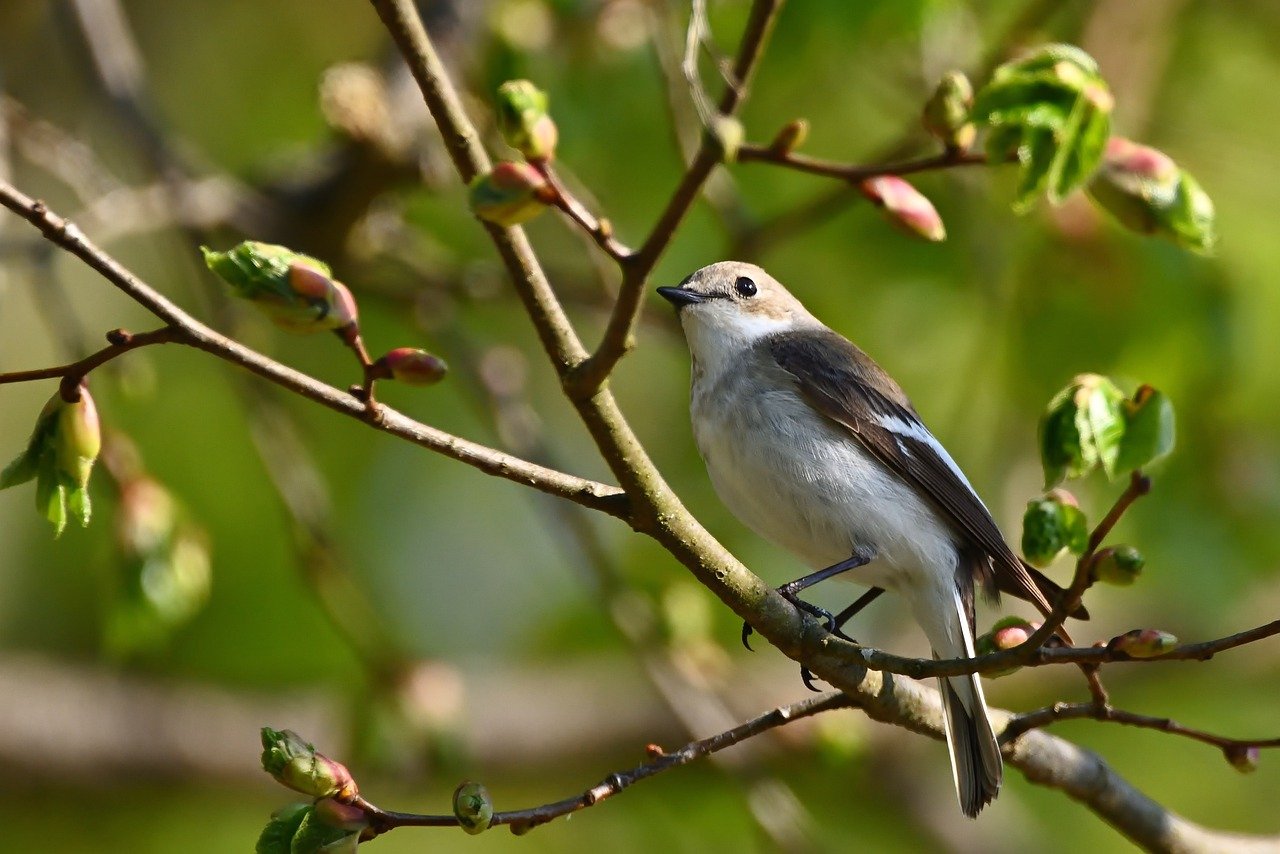
Plants provide homes, food, and shelter for countless creatures. Birds nest in trees, insects pollinate flowers, fungi thrive around roots.
No plants? Ecosystems unravel. Bees (Apis mellifera) struggle, pollination declines, and the whole web of life weakens. Less biodiversity equals less resilience, which makes survival tougher for everyone.

Could Humans Adapt?
Maybe… for a while. Hydroponics, lab-grown proteins, algae-based foods, they could help us scrape by. Artificial oxygen generators might keep some humans alive indoors.
But no tech can replace everything plants do naturally: regulating climate, supporting biodiversity, cleaning the air, and feeding the planet.
Summary.
Plants do way more than just look nice. They keep the climate steady, feed animals (and us), clean the air, and even make us feel better. I love walking through my local park in the morning, the way sunlight hits the leaves, the smell of fresh soil, little seedlings popping up, it’s a tiny reminder of how important plants are.
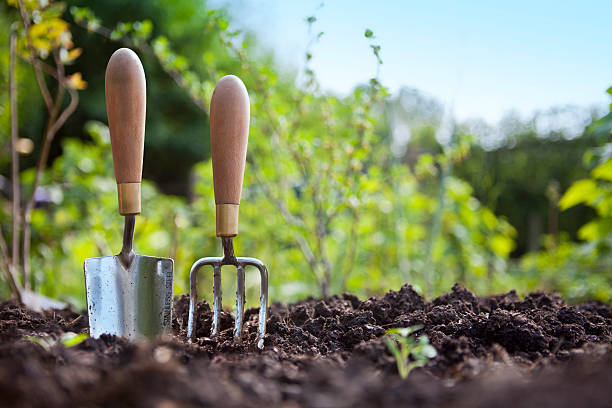
You don’t need a big program to make a difference. Plant a tree in your yard, grow some native flowers, or help out at a nearby park. Water your garden, prune a tree, or even just keep your grass healthy.
Every little action counts. And all those small steps add up, keeping the planet livable for humans, animals, and everything else. It’s kind of amazing how much impact simple, everyday actions can have.
FAQs
Q: How fast would humans notice the effects of no plants?
Oxygen shortages and food scarcity would appear almost immediately. Survival would rely on artificial solutions, but long-term survival without plants is nearly impossible.
Q: Which plants are most critical for humans?
Crops like Zea mays (corn), Triticum aestivum (wheat), Oryza sativa (rice), and medicinal plants like Digitalis purpurea (foxglove) are essential.
Q: Can artificial solutions replace plants?
Lab-grown foods or oxygen generators might help temporarily, but they can’t replicate the ecological, medicinal, and climate-regulating roles that real plants provide.
