









This article was written by Serge, MSc. Plant Biologist and Environmental Scientist with a BSc in Plant Biology and an MSc in Environmental Biology and Biogeochemistry. My background covers plant biochemistry, botany, and field research in forest and soil ecosystems. I write from real experience, not just literature.
Affiliate disclosure: This site has affiliate links, including Amazon. As an Amazon Associate I earn from qualifying purchases, at no extra cost to you.

For years, I’ve studied plants and how they support human health. Among them, superfruits stand out, not because they are rare or mysterious, but because they are packed with nutrients far beyond ordinary fruits.
These fruits often grow in tough conditions, high mountains, flooded forests, or dry savannas. To survive, they produce natural compounds like anthocyanins, polyphenols, and tannins. Interestingly, these same compounds also help our bodies when we eat them.
Here, I share eight remarkable superfruit supplements that combine traditional knowledge with modern science.
1. A Powerful Combination of Seven Superfruits
Each plant has its own mix of nutrients, but when combined, they can be even more effective. This blend brings together maqui, acai, goji, mangosteen, aronia, pomegranate, and camu camu.
Maqui is rich in deep purple pigments called anthocyanins, which are powerful antioxidants. These compounds help protect cells from damage caused by free radicals, support healthy blood vessels, and reduce inflammation.
Consuming maqui regularly can help maintain vascular health, improve circulation, and provide a natural boost to overall resilience and vitality.

Acai berries contain a complex mix of flavonoids and other plant compounds that help maintain cellular integrity. These antioxidants protect cells from oxidative stress, support the heart and blood vessels, and improve energy metabolism.
Acai’s phytochemicals may also enhance skin health and help the body recover from everyday environmental and metabolic stress.

Goji is a unique berry that contains all nine essential amino acids, along with other vital nutrients. These compounds support the body’s protein synthesis, tissue repair, and overall cellular function.
Regular consumption may promote energy, maintain immune health, and help regulate metabolic processes, while also providing gentle antioxidant protection.

Mangosteen is a tropical fruit rich in xanthones, plant compounds with anti-inflammatory and antioxidant properties. These compounds help calm inflammation in the body, protect cells from oxidative damage, and support overall wellness. Mangosteen has been traditionally used to maintain joint comfort, support cardiovascular health, and improve general vitality.

Aronia and pomegranate are both rich in polyphenols that support cardiovascular function. These antioxidants help strengthen heart muscles, maintain healthy blood pressure, improve arterial elasticity, and protect blood vessels from oxidative stress. Consuming these fruits may also enhance circulation, reduce inflammation, and promote overall heart and vascular health.
Camu camu is one of the richest natural sources of vitamin C, a vital nutrient for immune function, collagen production, and antioxidant protection. Beyond vitamin C, camu camu contains amino acids, carotenoids, and polyphenols that improve absorption and utilization. It supports immunity, reduces inflammation, and contributes to skin and overall tissue health.

Together, these seven fruits help protect the body from stress, support connective tissues, improve circulation, and boost overall energy. I always believe that “the whole is greater than the sum of its parts.”
2. Acerola, The Natural Vitamin C Source
Malpighia emarginata, or Acerola cherry, produces tiny, bright-red fruits that are astonishingly rich in vitamin C, far more than oranges.
Unlike synthetic vitamin C, Acerola comes with natural helpers like carotenoids and flavonoids that improve absorption. Traditionally, people have used it to support immunity and skin health. Today, we know it also helps maintain healthy collagen and protects cells from damage.

3. Pomegranate, The Royal Fruit
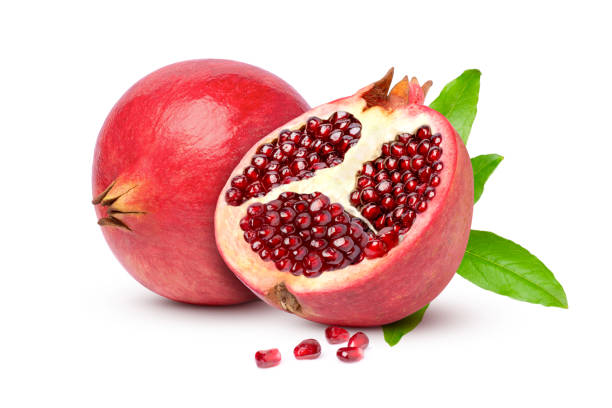
The pomegranate (Punica granatum) is packed with punicalagins and ellagic acid, which help protect blood vessels and support healthy circulation. Its potent antioxidants make it effective on its own, providing heart and vascular support as a natural supplement.

4. Amla, The Indian Gooseberry
Known as amalaki in Sanskrit, Phyllanthus emblica, or amla, is considered a rejuvenating herb in Ayurveda.
Its sour, fibrous fruits are rich in tannins like emblicanin A and B, as well as natural vitamin C. These compounds stay stable even under heat, making amla a powerful antioxidant.
Traditionally, it has been used to support digestion and vitality, and modern studies confirm it helps protect tissues and support the immune system.

5. Cocoa, The Seed of the Gods
When the Mayans named Theobroma cacao “food of the gods,” they recognized its dual role as food and medicine. Cocoa seeds are packed with flavanols, like epicatechin, which support blood flow and heart health.
Pure, organic cocoa powder keeps these compounds intact, unlike sweetened chocolate products. Beyond the heart, cocoa can also influence neurotransmitters like serotonin and dopamine, supporting mood and brain function. Truly, cocoa is more than a treat, it’s a plant medicine.

6. Baobab, The Tree of Life
The Adansonia digitata tree dominates the African savanna. It stores water in its huge trunk and produces fruit even in dry conditions. The dried pulp is rich in vitamin C, calcium, magnesium, and fiber.
Baobab’s fibers act as prebiotics, feeding good gut bacteria. This supports immunity, metabolism, and energy. Traditional African medicine values baobab for digestion and vitality, and modern science confirms it can help maintain gut health and mineral balance.

7. Maqui, The Patagonian Treasure
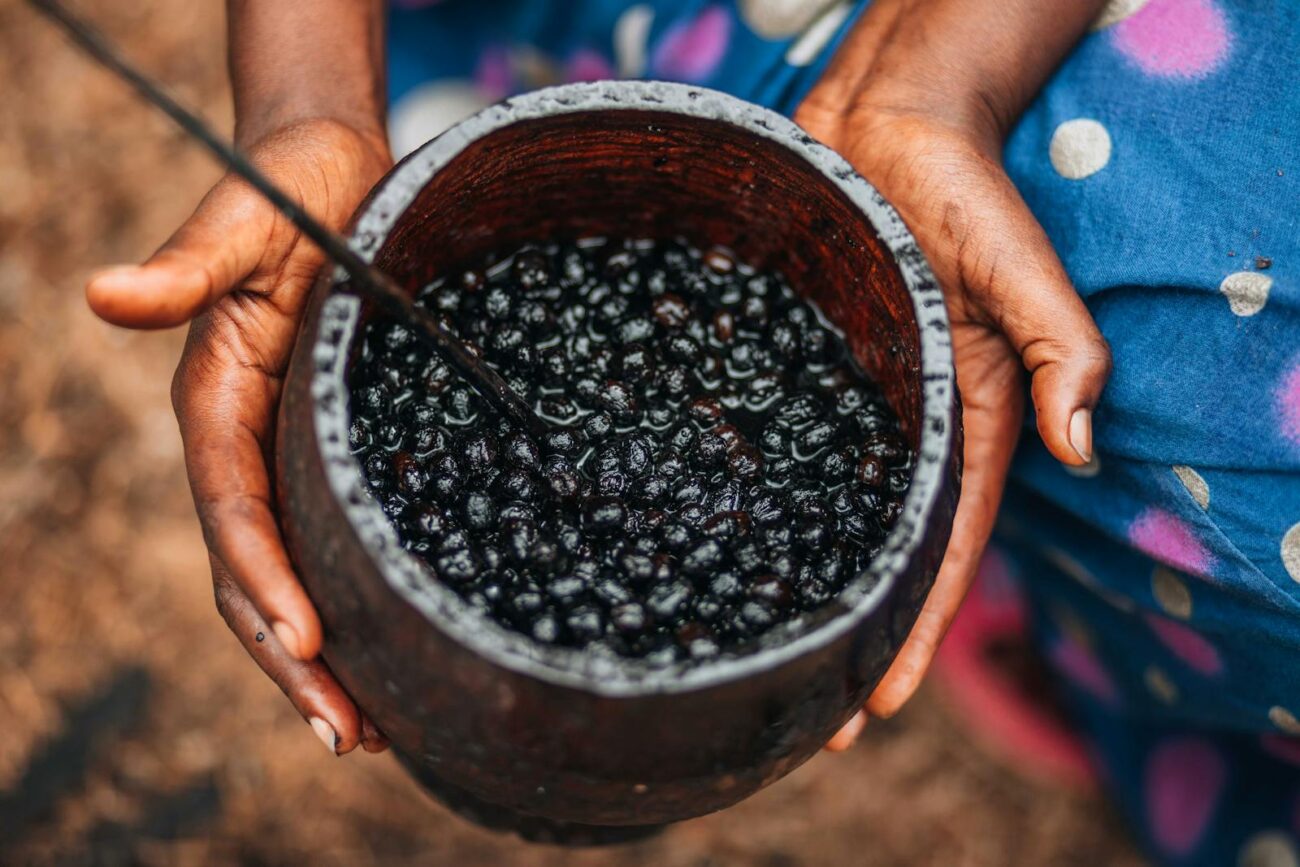
In the windswept landscapes of Patagonia grows Aristotelia chilensis, or maqui. Its deep indigo berries are packed with anthocyanins, among the highest ever found in a fruit.
Indigenous Mapuche people used maqui for stamina during long journeys. Its pigments protect blood vessels, improve circulation, and may reduce inflammation.
For eye health, these compounds help protect delicate retinal tissues. This small berry, thriving in harsh conditions, teaches us resilience and strength.
8. Camu Camu, The Vitamin C Giant
Along the Amazon floodplains grows Myrciaria dubia, or camu camu. Its lemon-sized fruits are a natural vitamin C powerhouse, up to 60 times more than oranges.
What makes camu camu special is not just the vitamin C, but the carotenoids, amino acids, and polyphenols that help the body use it efficiently. Traditional communities have long used camu camu to stay strong during illness or seasonal changes.
Today, research confirms it supports the immune system, skin elasticity, and acts as a gentle anti-inflammatory.

Comparison Table of Superfruits
If you want to check the plant names below, my free botanical name finder matches common names to their accepted scientific names.
| Superfruit / Blend | Key Bioactive Compounds | Traditional Use | Modern Benefits |
|---|---|---|---|
| The Combination of the Seven Superfruits | Anthocyanins, xanthones, polyphenols, Vitamin C | General vitality & endurance | Synergistic antioxidant protection, connective tissue, circulation |
| Acerola (Malpighia emarginata) | Vitamin C, carotenoids, flavonoids | Immune tonic, skin health | Natural vitamin C, collagen support, antioxidant activity |
| Pomegranate (Punica granatum) | Punicalagins, ellagic acid, flavonoids | Fertility, cardiovascular health | Arterial elasticity, anti-aging, cellular protection |
| Amla (Phyllanthus emblica) | Vitamin C, emblicanin, tannins | Rejuvenation, digestion | Stable antioxidant, immunity, tissue repair |
| Cocoa (Theobroma cacao) | Flavanols (epicatechin), theobromine | Ritual medicine, energy | Vascular health, cognition, mood balance |
| Baobab (Adansonia digitata) | Fiber, Vitamin C, calcium, polyphenols | Digestive tonic, vitality | Prebiotic support, gut health, mineral supply |
| Maqui (Aristotelia chilensis) | Anthocyanins, polyphenols | Stamina, strength | Vascular protection, anti-inflammatory, eye health |
| Camu Camu (Myrciaria dubia) | Vitamin C, carotenoids, amino acids | Immune strength, seasonal tonic | Potent natural vitamin C, immune modulation, anti-inflammatory |
Superfruit supplements are concentrated products, not a substitute for medical care. If you are pregnant, breastfeeding, taking medication or managing a health condition, check with a doctor or pharmacist first.
Pomegranate can interact with some medicines, cocoa contains caffeine and theobromine, and high doses of vitamin C can upset digestion. This article is educational and is not medical advice.
Frequently Asked Questions
What makes a fruit a “superfruit”?
A superfruit is not a marketing invention but a botanical classification for fruits that contain unusually high levels of bioactive compounds such as antioxidants, vitamins, and polyphenols compared to common fruits.
Are these superfruit supplements better than eating the fruits fresh?
Fresh fruits are ideal, but many of these species (like camu camu or maqui) are not available fresh outside their native ecosystems. Supplements allow preservation of their phytochemicals in concentrated, accessible form.
Can I combine these superfruit supplements?
Yes, though balance is key. Some formulations, like the seven-fruit blend, are already designed for synergy. It’s best to consult a practitioner if you plan to layer multiple high-potency extracts.
Do these superfruits replace a healthy diet?
No, they enhance it. Superfruits provide dense sources of antioxidants and micronutrients but should complement, not replace, a varied plant-rich diet.
Are there any side effects?
Most are well tolerated, but as with all botanicals, sensitivity varies. Some may affect digestion if taken in excess. Individuals on medication (e.g., blood thinners) should consult their healthcare provider before use. I compare plant compounds with pharmaceutical drugs in more detail elsewhere on this site.
Conclusion
As a botanist, I see these superfruits not as isolated “trends” but as part of a continuum, traditions rooted in indigenous wisdom, now illuminated by biochemical analysis.
When we bring them into modern formulations, we’re not inventing something new, but simply honoring and preserving the gifts of plants in their most potent forms. Everyday foods carry many of the same compounds, as I describe in everyday foods and herbs that support energy and longevity.
You can explore all of these superfruit supplements in our collection here!

