






This article was written by Serge, MSc. Plant Biologist and Environmental Scientist with a BSc in Plant Biology and an MSc in Environmental Biology and Biogeochemistry. My background covers plant biochemistry, botany, and field research in forest and soil ecosystems. I write from real experience, not just literature.
Affiliate disclosure: This site has affiliate links, including Amazon. As an Amazon Associate I earn from qualifying purchases, at no extra cost to you.
My formal training gave me a deep understanding of plant chemistry. I know why Echinacea purpurea alkylamides bind to CB2 receptors. I understand the phenylpropanoid pathway that produces chamomile apigenin. I can explain why betulinic acid from birch bark modulates PPAR-gamma receptors and what that means for lipid metabolism.
What my plant science training did not give me is the clinical application side. How to move from correctly identified plant material to a preparation that works safely for a specific purpose. How to think about herb and body system interactions when someone is sitting in front of you with a real problem. How to dose safely across different populations.
Over the years I filled that gap through research. Reading peer reviewed literature on secondary metabolite mechanisms, clinical trial data on specific herbs, pharmacokinetic studies on compound bioavailability. That is how I built the foundation behind most of what I write on this site. It works but it is slow, it requires knowing how to evaluate research critically, and it does not give you the practical preparation skills that come from actually making tinctures and salves under guidance.
That gap between knowing the chemistry and knowing how to apply it is real. Most people trying to learn herbal medicine land on one side or the other. Either they know the science but cannot apply it practically, or they can make preparations but do not understand what the compounds are actually doing. The HomeGrown Herbalist School by Dr. Patrick Jones is one of the few programs I have come across that genuinely tries to bridge both.
Learn More About the HomeGrown Herbalist School →
What My Training Covered and What It Did Not
To understand why I find this program valuable it helps to see what formal plant science training actually includes.
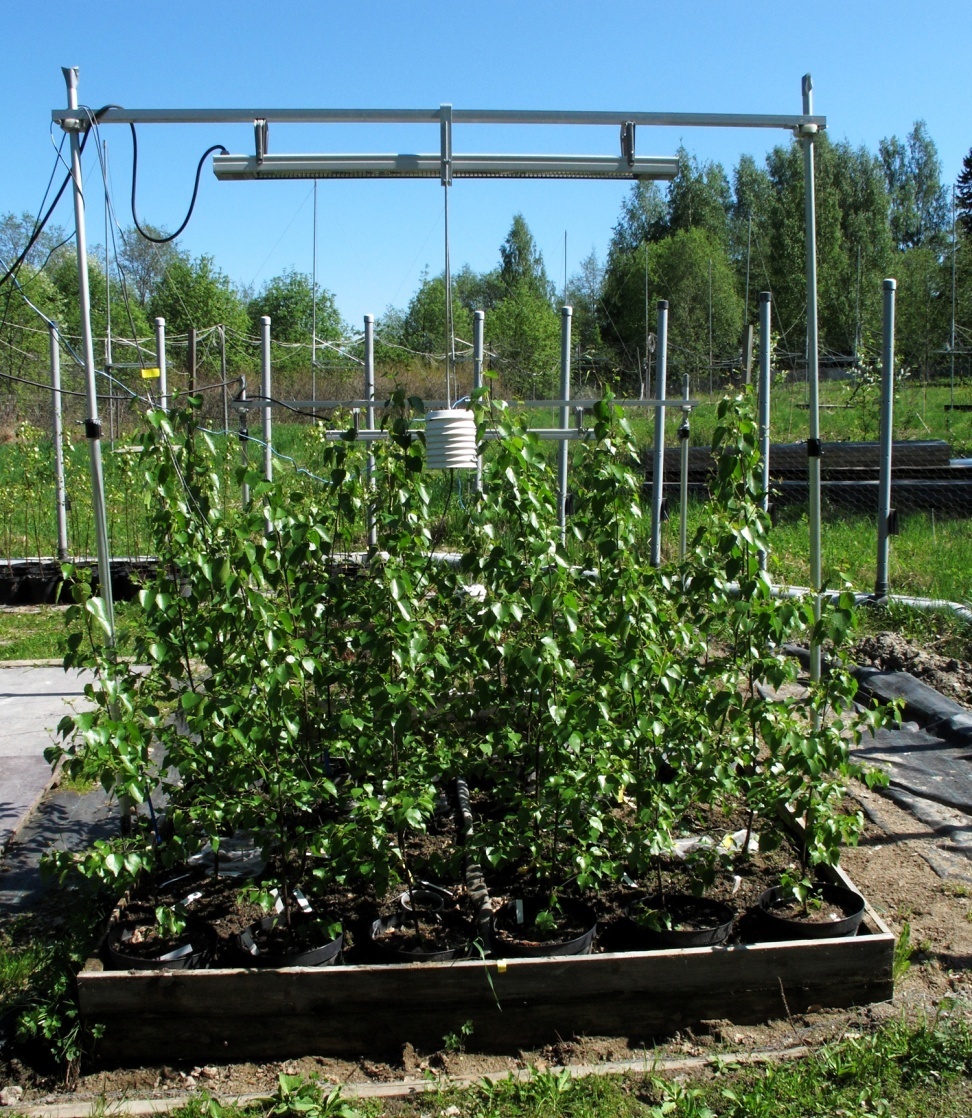
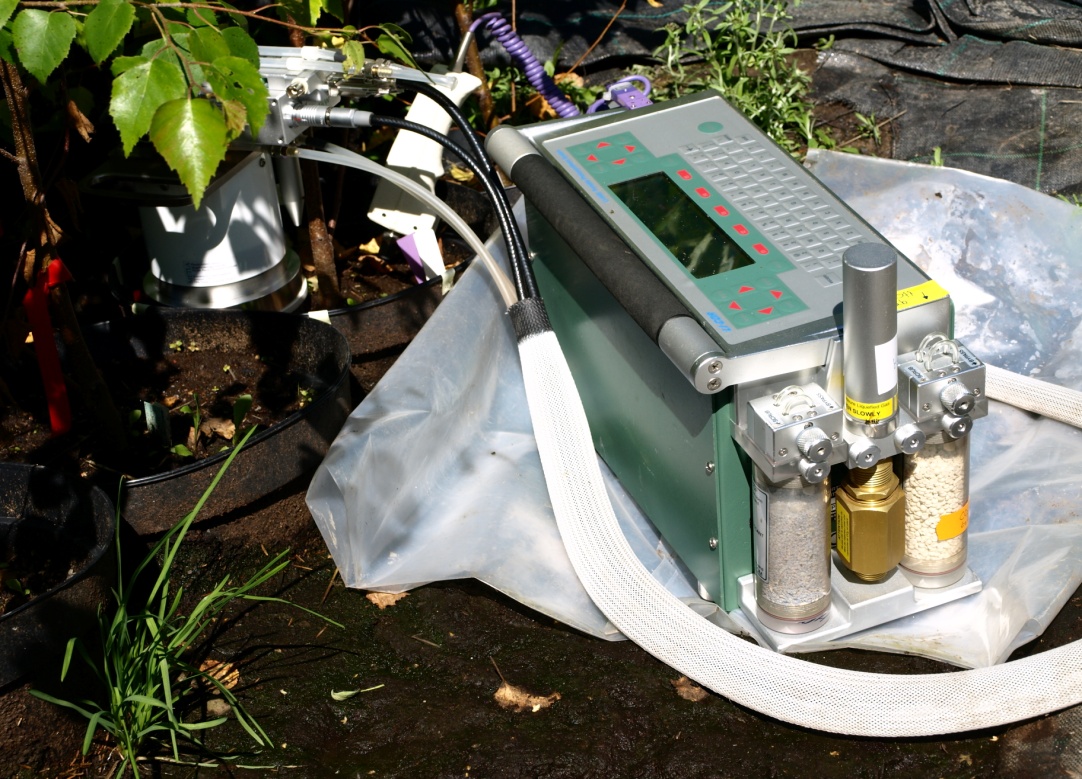
My plant biochemistry studies covered secondary metabolite biosynthesis, compound mechanisms, and how plants produce and allocate chemistry under environmental pressure. My plant ecological stress physiology coursework covered how growing conditions shift what a plant produces. My field research measured how ozone and temperature stress shifted growth and soil respiration in silver birch (Betula pendula) across two genotypes at a field site in Finland.
My plant taxonomy training included field expeditions where we collected, identified, pressed, dried, and labelled specimens for the university herbarium collection. I know how to identify plants formally and I understand the importance of Latin nomenclature over common names which vary by region and language.
What that training does not cover in depth: clinical application of herbs to human or animal health. Anatomy and physiology from a practitioner perspective. Practical medicine making beyond laboratory extractions. Safety considerations in pregnancy, breastfeeding, and medication interactions. Legal frameworks for herbal practice.
The HomeGrown Herbalist School curriculum covers exactly that second list.
What the Program Actually Covers
The curriculum runs to over 100 modules. The breadth is the first thing that stands out.
Plant identification and ethical wildcrafting is covered with emphasis on sustainable harvesting. From a plant science angle this matters more than most herbal programs acknowledge. Common plant names vary by region and language. Plantago major is unambiguous. Broadleaf plantain means something different in different countries. A program that takes Latin nomenclature and field identification seriously is one that takes safety seriously.
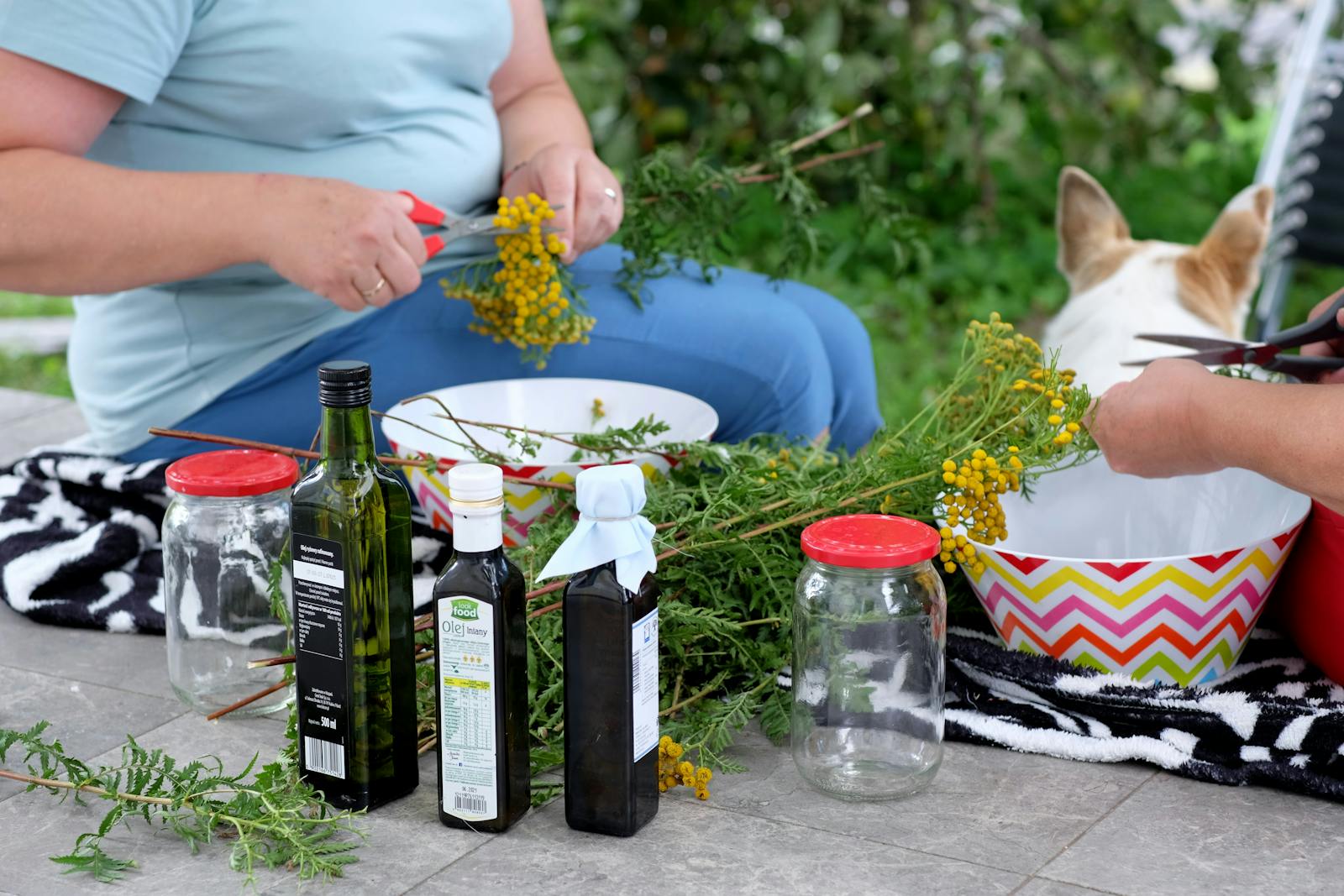
Practical medicine making covers tinctures, salves, poultices, capsules, and infusions. Students produce preparations during the course rather than just reading about them. The difference between knowing that alcohol extracts fat soluble compounds more effectively than water and actually making a preparation that works is considerable. I understand the chemistry of extraction. Making a clinical tincture that consistently delivers the right compound profile is a different skill.
Anatomy and physiology as a foundation for understanding how herbal compounds interact with body systems. This is what separates a program like this from recipe collection. You cannot apply herb knowledge effectively without understanding the system the herb is acting on.
The veterinary herbalism component is what makes Dr. Jones’s curriculum genuinely unusual. As a practicing veterinarian for over 25 years he has clinical experience with dosing, safety, and biological mechanisms across species. That background means the safety and dosing sections of the curriculum come from real clinical practice not theoretical extrapolation. Cases involving gangrene, sepsis, hemorrhage, and poisoning in veterinary practice produce a different quality of knowledge than reading plant monographs.
The program also covers safety in pregnancy, breastfeeding, and medication interactions. Areas where getting it wrong has real consequences and where accurate information from a clinician matters significantly more than general wellness advice.
The Comparison That Matters
My plant science training and the HomeGrown Herbalist curriculum are not competing with each other. They cover different territory.
What I studied formally: secondary metabolite biosynthesis, compound mechanisms, ecological stress physiology, carbon allocation, biogeochemistry, experimental design, statistical analysis, plant taxonomy and field identification.
What HomeGrown Herbalist covers: clinical application, medicine making, anatomy and physiology from a practitioner perspective, veterinary herbalism, safety considerations in specific populations, legal and ethical frameworks for herbal practice.
If you want to understand why a plant produces a particular compound and what that compound does at a molecular level, formal plant science training covers that well. If you want to know how to make a preparation that preserves the active compounds and apply it safely to a real situation, you need the practical clinical side that programs like this provide.
Most people interested in medicinal herbs need both. The chemistry gives you the why. The practical training gives you the how.
Learn More About the HomeGrown Herbalist School →
The Price Point
The program costs $1449 with payment plans available. Comparable master herbalist programs with online lessons, videos, and lifetime access run around $6000. The optional in-person workshops including herb walks, medicine making workshops, and wound management seminars are available to enrolled students at significantly discounted rates.
Lifetime access to all online material after completion is included. No deadlines or timetables. Self-paced learning that works around your schedule.
For what the curriculum covers that is a reasonable investment. The veterinary herbalism component alone is not available elsewhere at this level.
Common Questions
When can I enroll?
Enrollment is open year-round with no fixed start date. You can begin immediately after registering.
How long does the program take?
It is self-paced with no deadlines or timetables. Most students complete it in one to three years. Focused full-time learners may finish within 12 months.
Is the school accredited?
There is no government recognised accreditation for herbalism in the United States. Graduates receive a Certificate of Completion which is the standard credential in this field. That reflects the regulatory landscape for herbal practice rather than the quality of the curriculum.
Who is this program suitable for?
Anyone wanting practical herbal skills including parents, homesteaders, health professionals, pet owners, and plant enthusiasts. The veterinary herbalism component makes it particularly relevant for people who work with animals.
What makes Dr. Jones’s background significant?
Dr. Jones has practiced as a veterinarian for over 25 years alongside his work as a clinical herbalist and naturopath. Clinical experience with real cases across species produces a different quality of knowledge than theoretical herbalism. The safety and dosing content in the curriculum comes from that clinical background directly.
Can I ask questions during the program?
Yes. A students only forum provides access to Dr. Jones and fellow students for individual and group discussions. Some lessons include assignments reviewed individually by the instructor.
Are there in-person options?
Optional hands-on workshops including herb walks, medicine making workshops, and seminars are available at various locations throughout the year at significantly discounted rates for enrolled students.
What preparation methods does the course cover?
Tinctures, salves, poultices, capsules, and infusions. Students make preparations during the course rather than just reading about them.
How does this compare to free online herbal resources?
The combination of clinical depth, hands-on medicine making, field identification, anatomy and physiology, veterinary herbalism, and community access is difficult to replicate from scattered free resources. The clinical grounding from Dr. Jones’s veterinary practice in particular is not available elsewhere at this level.
What does lifetime access mean?
You retain access to all online course material permanently after completing the program. There are no recurring fees or expiry dates on the content.

