










This article was written by Serge, MSc. Plant Biologist and Environmental Scientist with a BSc in Plant Biology and an MSc in Environmental Biology and Biogeochemistry. My background covers plant biochemistry, botany, and field research in forest and soil ecosystems. I write from real experience, not just literature.
Affiliate disclosure: This site has affiliate links, including Amazon. As an Amazon Associate I earn from qualifying purchases, at no extra cost to you.
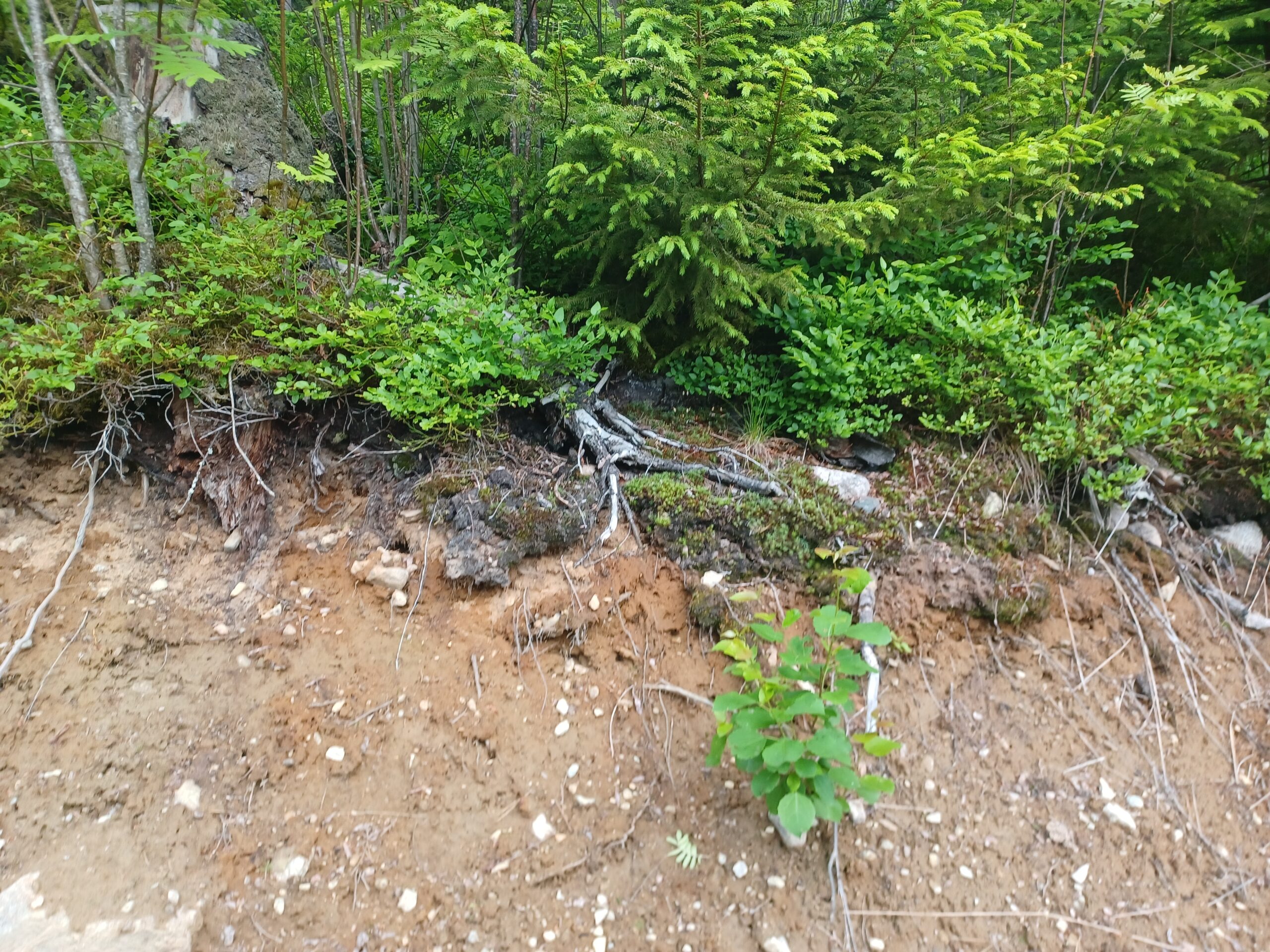
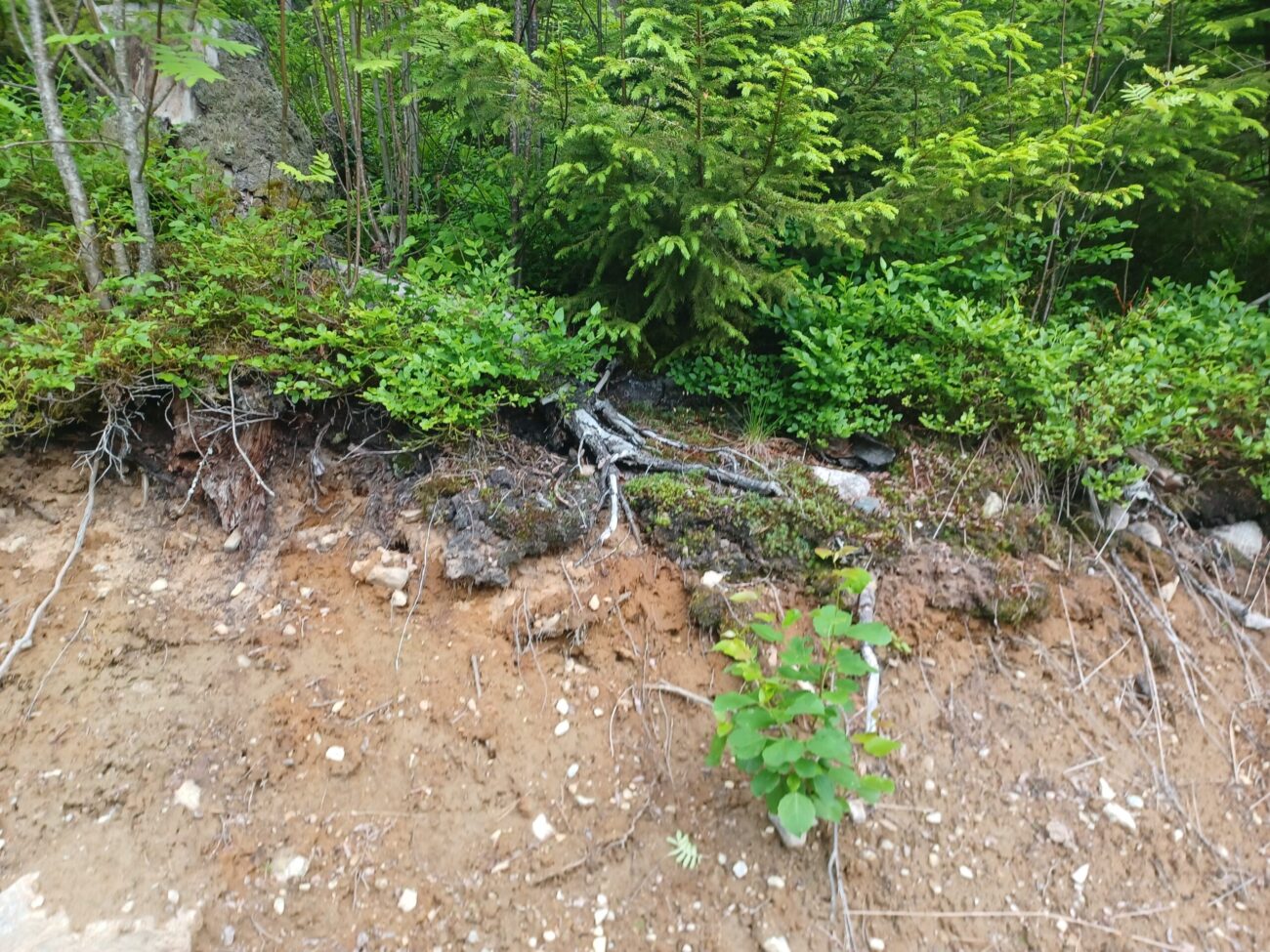
I walk in the forest most mornings, and that deep, earthy smell off the ground is part of why. It is stronger after rain and almost gone on a dry, frozen day. For a long time I just enjoyed it. Then a couple of years spent measuring what comes out of forest soil gave me a way to take it apart, and it turns out that smell is not one thing. It is at least three different chemical sources at once, each made by a different kind of organism, each telling you something about the soil under your feet.
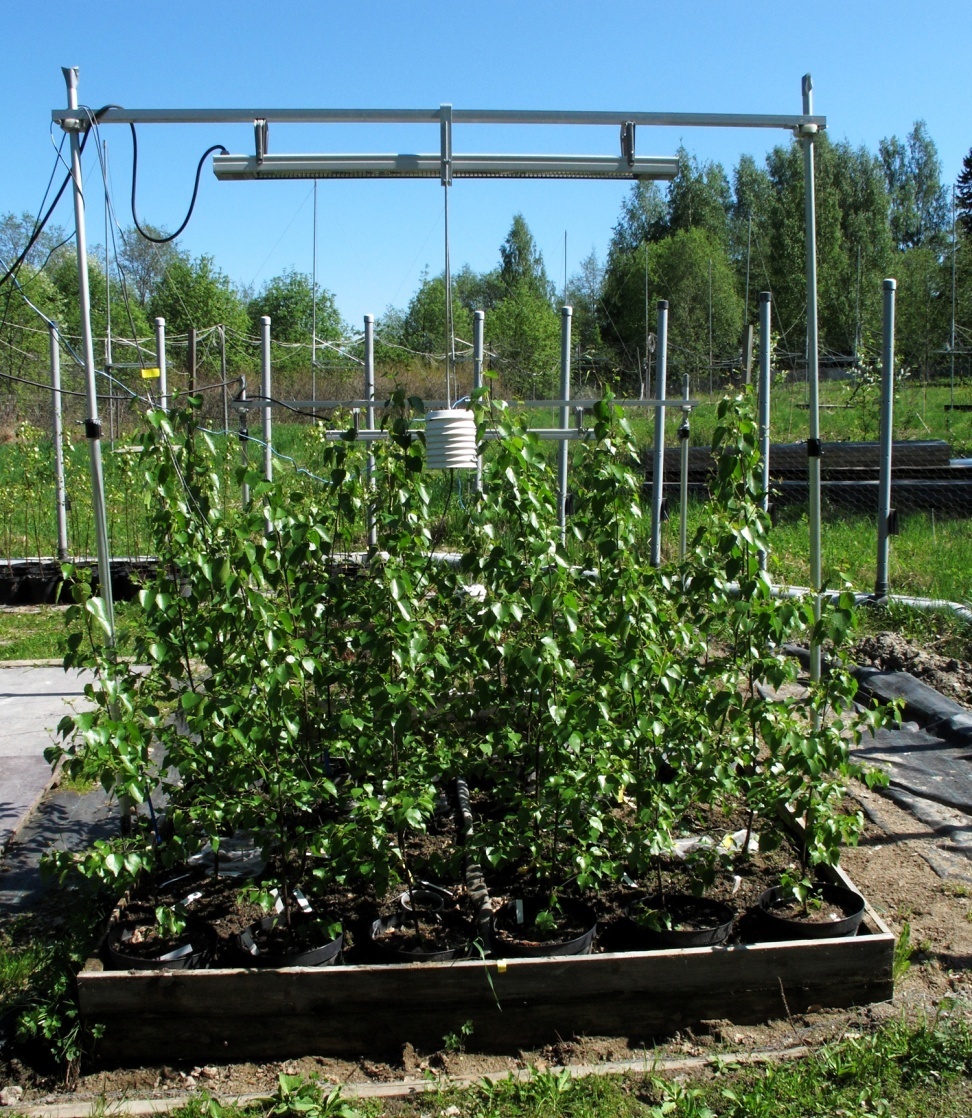
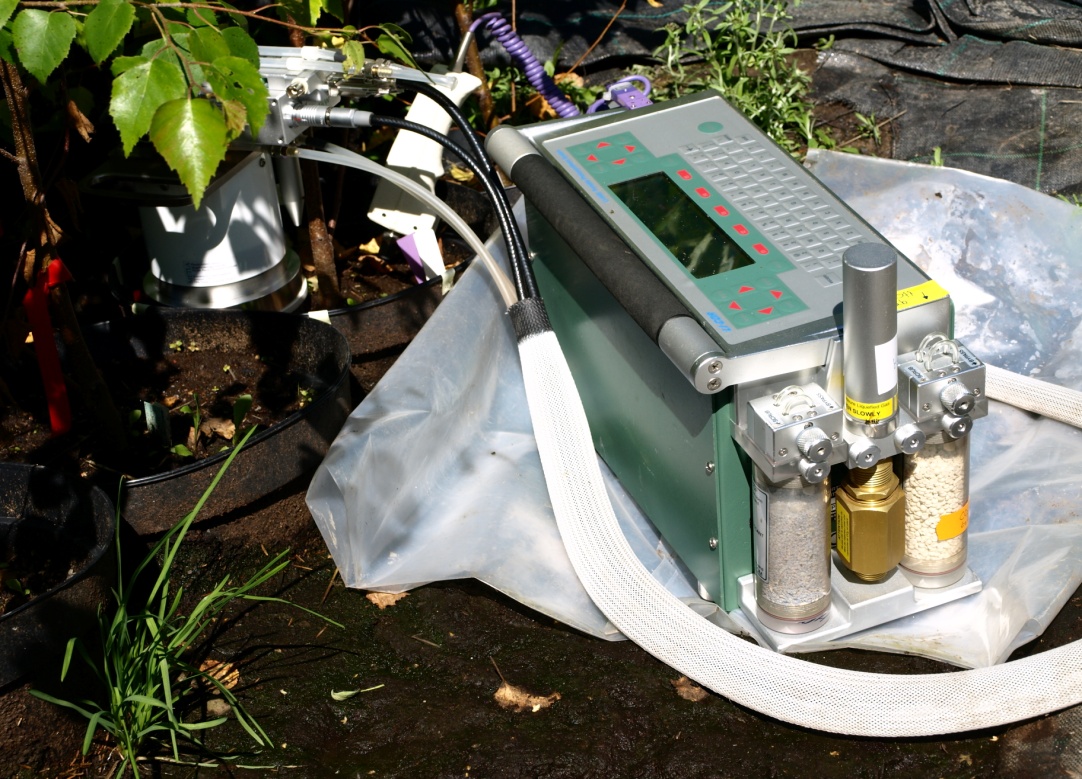
I should be clear about what I did and did not measure, because it matters here. For two growing seasons my fieldwork was measuring the carbon dioxide coming out of forest soil, the soil breathing out as microbes and roots respire. That gas has no smell. So I am not going to claim I measured the scent. But measuring soil that closely, day after day, teaches you to read how active the ground is, and that turns out to be the key to the smell as well. Here is what you are smelling, and where each part comes from.
The smell of rain: geosmin
The first and most recognisable part is the one that hits you after rain. That scent has a name, petrichor, and the main compound behind it is geosmin.
Geosmin is made by soil bacteria, mostly a group called Streptomyces, along with some others. It sits in and on the soil, and when rain hits dry ground, the impact throws tiny droplets and aerosols into the air, carrying the geosmin up to your nose. That is why the smell is strongest in the first minutes of light rain on dry soil, and why turning over soil with a spade releases the same scent.
What is remarkable is how little of it you need to smell. Human noses are extraordinarily sensitive to geosmin, with detection thresholds reported as low as about five parts per trillion. The exact figure varies between studies, but the point holds: we can smell this compound at concentrations far below most others. There is a well-supported idea for why. Geosmin signals moist soil and rain, and for early humans in dry landscapes, being able to smell water from a distance would have been a real advantage. Whether or not that is the full story, the sensitivity itself is not in doubt. Your nose treats geosmin as important.
One thing worth clearing up: geosmin is also why fresh beetroot tastes “earthy,” and why tap water sometimes has a muddy taste. Same compound, same kind of bacteria, just somewhere you did not expect it.
The smell of decay: compounds from leaf litter
The second source is the dead material on the floor itself. As leaves and needles fall and break down, the compounds they held while alive are slowly released as they decompose.
This is where I want to draw a clear line, because it is easy to confuse with something I have written about separately. A living conifer releases monoterpenes from its needles into the air, that sharp, resinous scent is the canopy at work. The forest floor is the opposite process. Here the plant material is dead and breaking down, and the compounds coming off it are what is released as fungi and bacteria take the litter apart. So the living tree above and the decaying litter below are both giving off plant compounds, but through completely different processes, and they do not smell the same.
Because different trees hold different compounds, their litter smells different as it rots. A birch floor and a pine floor break down with different scent profiles, even side by side in the same wood. That is part of why two forests can smell distinct even on the same damp morning: not just the living trees, but the specific litter decaying underfoot.
The smell of fungi
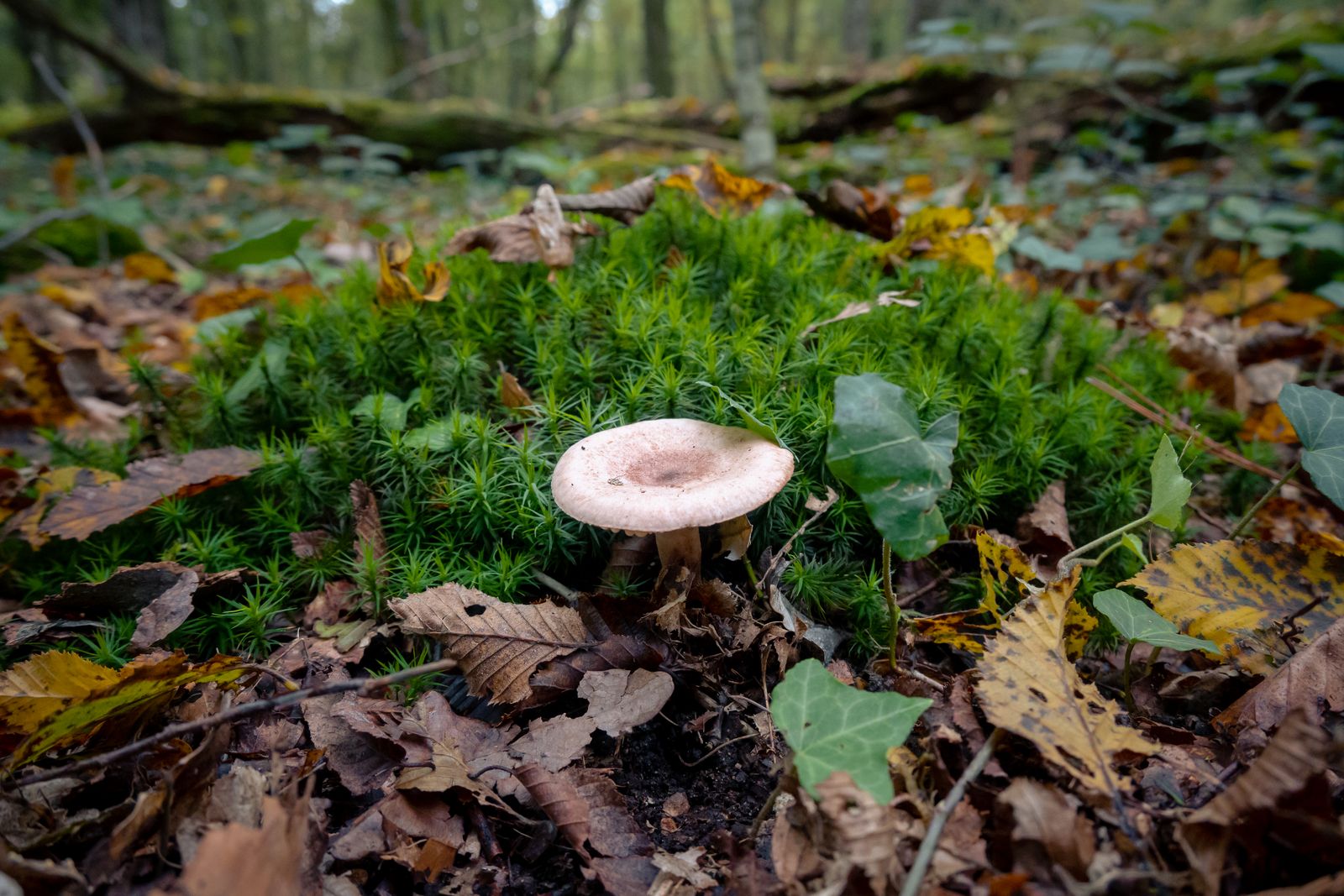
The third source is the one doing most of the actual work down there: fungi. The networks of fungal threads running through forest soil, both the kind that partner with tree roots and the kind that break down dead wood and litter, release their own compounds as they live and feed.
These are a lot of the deep, mushroomy, earthy notes in forest-floor smell. Some are the same compounds you recognise from cultivated mushrooms; others are specific to particular forest fungi. When you smell that rich, slightly sweet, fungal note in old undisturbed woodland, you are smelling an active fungal community at work in the soil, not the plants at all.
What the smell and my measurements have in common
Here is the part that ties back to my own work. The carbon dioxide I spent two seasons measuring is odourless, so it is not part of the smell. But it comes from the same place the smell does: the activity of living things in the soil. When microbes, roots, and fungi are busy, respiring, decomposing, growing, they release more CO2, and they release more of the scent compounds too.
So the two move together. Warm, moist, undisturbed, biologically rich soil both breathes out more carbon dioxide and smells stronger. Cold, dry, or disturbed soil does less of both. The respiration I was measuring and the smell you notice on a walk are two different signals from the same underlying thing: how alive the soil is. My fieldwork was focused on the gas, not the smell, but they track the same conditions: the warm, damp, undisturbed soil that respires hardest is also the soil that smells the most alive. In a way the smell is a free readout of the kind of activity I needed instruments to measure.
Why a forest floor smells different from a ploughed field
That link, smell as a sign of active soil, is clearest when you compare woodland with farmland. Put the three sources together, bacteria making geosmin, litter releasing its compounds as it decays, and fungi adding their own, and you get the layered, living smell of undisturbed forest soil. And that smell is fragile in a specific way.
Dig, till, or compact the soil and the smell changes. Disturbing the ground breaks up the fungal networks and mixes the soil layers, which scrambles the community of organisms that produces the complex scent. You get a brief burst of geosmin as the soil is turned, the smell of fresh-dug earth, but the deeper, layered forest-floor smell does not survive the disturbance, because the organisms that make it have been broken up. A freshly ploughed field and an old woodland floor are both “soil,” but they do not smell alike, and the difference is biological, not just a matter of what is growing on top.
So the next time you notice it, you can read it a little. The sharp hit after rain is geosmin from bacteria. The earthy, mushroomy depth is the fungal community. The background note that shifts from one wood to the next is the litter breaking down. Three organisms, three chemistries, one smell, and a fair sign that the soil under you is alive and undisturbed.
Frequently Asked Questions
What causes the smell of a forest floor?
Three main sources at once: geosmin from soil bacteria (the smell after rain), compounds released from decaying leaf litter, and compounds from fungi in the soil. Together they make the layered, earthy smell of woodland ground.
What is geosmin?
A compound produced by soil bacteria, mainly Streptomyces, and some others. It is the main source of the earthy “petrichor” smell after rain, and humans can smell it at extremely low concentrations. It is also responsible for the earthy taste of beetroot and muddy-tasting tap water.
Why does soil smell stronger after rain?
When raindrops hit dry ground, the impact throws tiny aerosols into the air that carry geosmin and other compounds up to your nose. The effect is strongest with light rain on soil that has been dry, which is why that first rain smells so distinct.
Why does forest soil smell different from farm soil?
Undisturbed forest soil has intact fungal networks and layered communities of organisms that produce a complex smell. Tilling or compacting soil breaks those networks and mixes the layers, so ploughed ground loses the deep forest-floor scent and mostly smells of freshly turned earth.
Do different forests smell different?
Yes. Different trees drop different litter, which releases different compounds as it decomposes, so a birch wood and a pine wood smell distinct even in the same weather. The mix of fungi and soil conditions adds to the difference.
Is the earthy smell a sign of healthy soil?
A rich, layered earthy smell usually points to an active community of bacteria and fungi and undisturbed soil structure, which generally goes with healthy soil. A lack of any earthy smell, or a sour or stagnant smell, can suggest the soil biology is disturbed or waterlogged.

