












This article was written by Serge, MSc. Plant Biologist and Environmental Scientist with a BSc in Plant Biology and an MSc in Environmental Biology and Biogeochemistry. My background covers plant biochemistry, botany, and field research in forest and soil ecosystems. I write from real experience, not just literature.
Affiliate disclosure: This site has affiliate links, including Amazon. As an Amazon Associate I earn from qualifying purchases, at no extra cost to you.
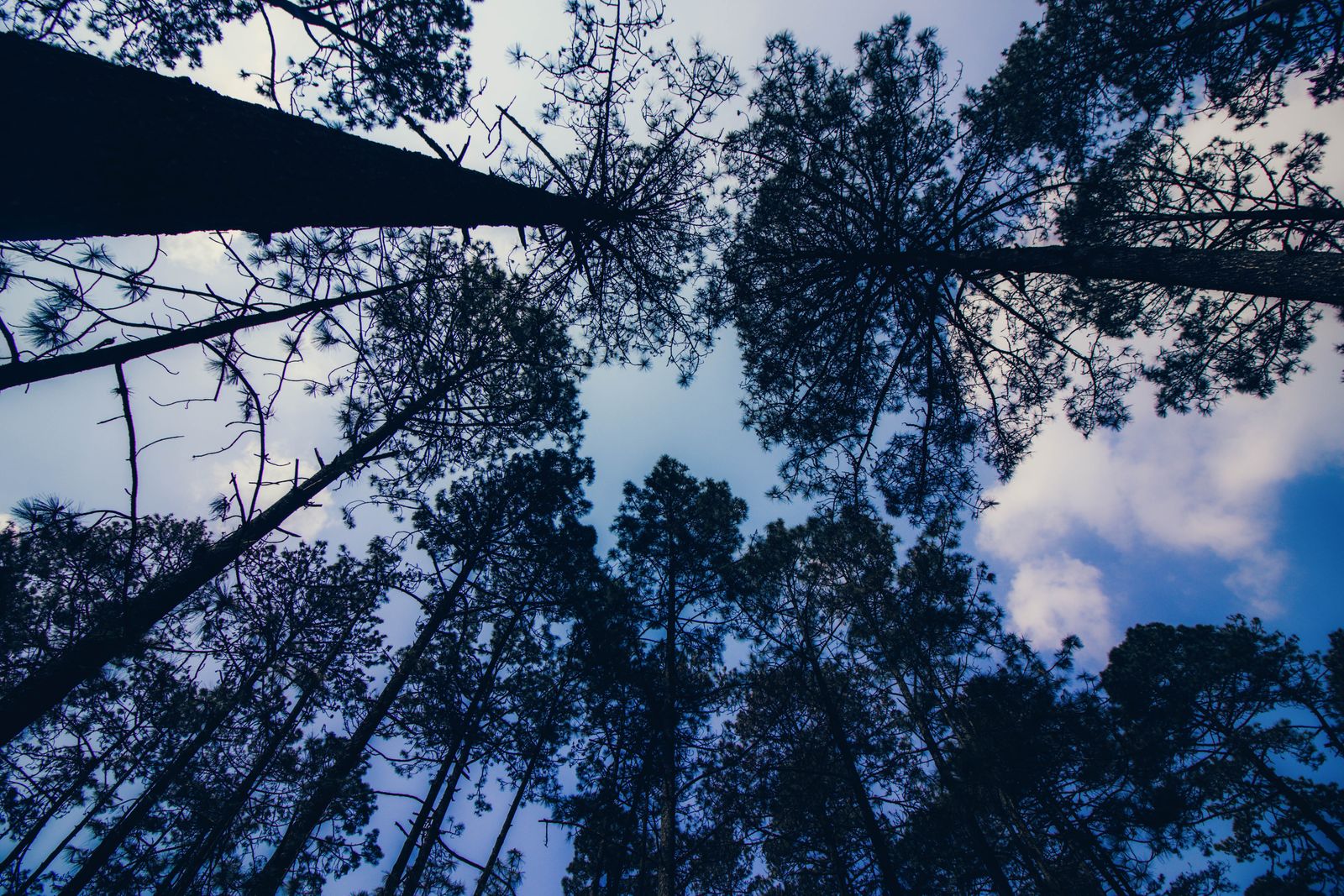
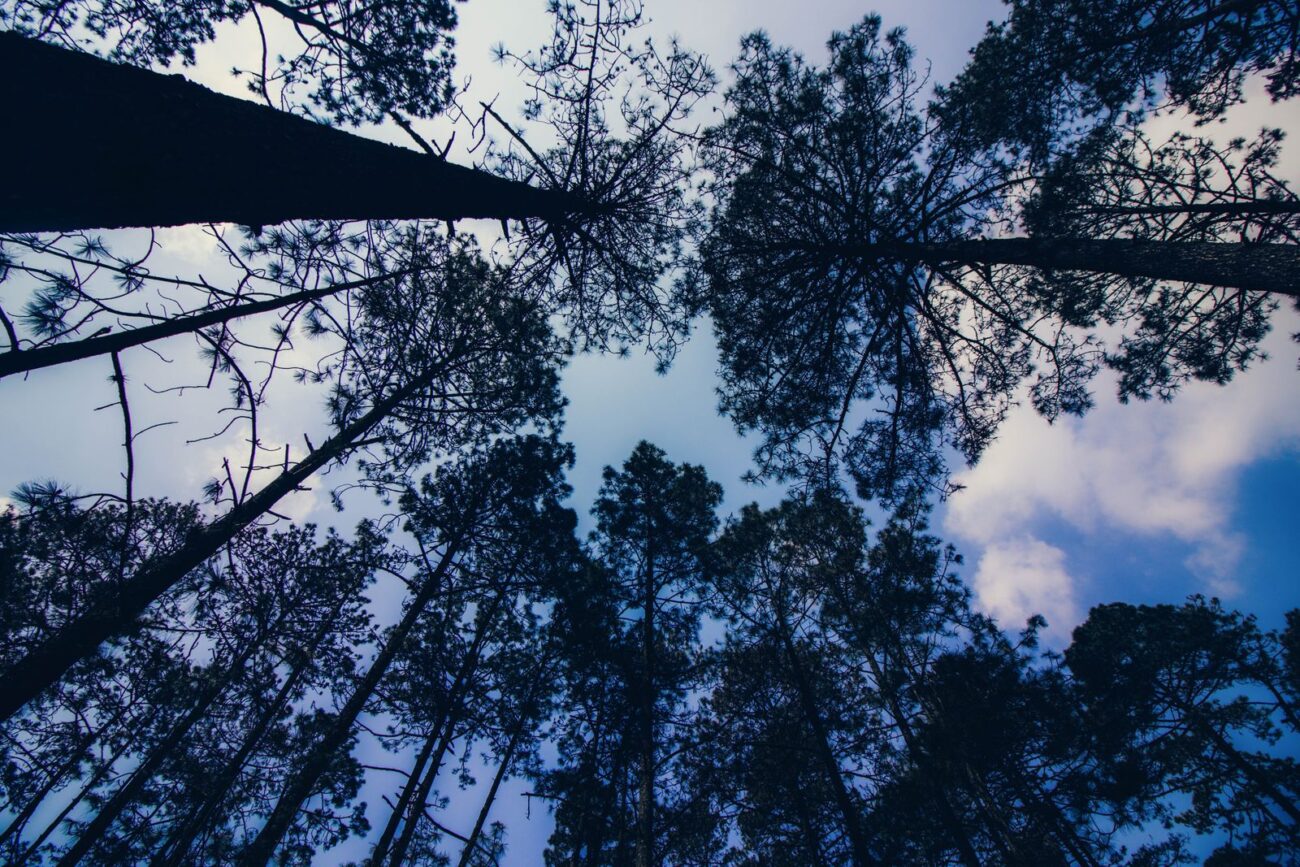
Walk into a pine or birch forest on a warm afternoon and the air smells different. Sharp, resinous, green.
That smell is not a pleasant background detail. It is a cloud of airborne chemistry the trees are actively releasing, and those compounds have a name: phytoncides. You have probably seen them mentioned alongside forest bathing and claims about immune health.
What almost no one explains is the part that decides whether your walk does anything: how much of these compounds is in the air around you at any given moment, and what controls that. That is the part I want to give you, because it is the part I studied, and it changes how you would choose when and where to go.
I want to be clear about where my knowledge sits. The human health research on phytoncides is not my field, and I will report it carefully and briefly rather than overstate it. What I can explain properly is the emission side: how these compounds get out of a tree and into the air you breathe. That is what my training covered, and it is the half of the story that is almost always missing.
What are phytoncides
Phytoncides are volatile organic compounds that plants release into the air, and chemically most of them are terpenoids. If you have read my other articles, you will recognise this compound family. The sharp components of conifer smell are largely monoterpenoids: alpha-pinene and beta-pinene above all, along with compounds like camphene and limonene. They are the same class of volatile, fat-soluble, aromatic molecules you smell when you crush a rosemary leaf or peel an orange. A tree is doing the same thing as a bruised herb, only continuously and on a far larger scale.
The plant does not make them for us. They are defence and signalling compounds: antimicrobial agents that suppress bacteria and fungi, deterrents against insects, and airborne signals between and within plants. The word itself was coined to mean, roughly, “exterminated by plants,” after the observation that these compounds kill or inhibit microbes. So when you breathe forest air, you are inhaling a tree’s chemical defence system, released into the atmosphere.
That last phrase is the key one, released into the atmosphere, because it raises the question every other article skips. If the compound is made inside the leaf or needle, what governs how much of it leaves the tree and reaches you? That is not a small detail. It is the whole difference between a forest that delivers and one that does not.
The part I studied: what controls emission
This is where my background is directly useful, and where I can tell you things the usual phytoncide article leaves out. Part of what I trained in was how gases and airborne compounds move from plants into the air, how quickly they leave the plant, and what makes that speed go up or down.
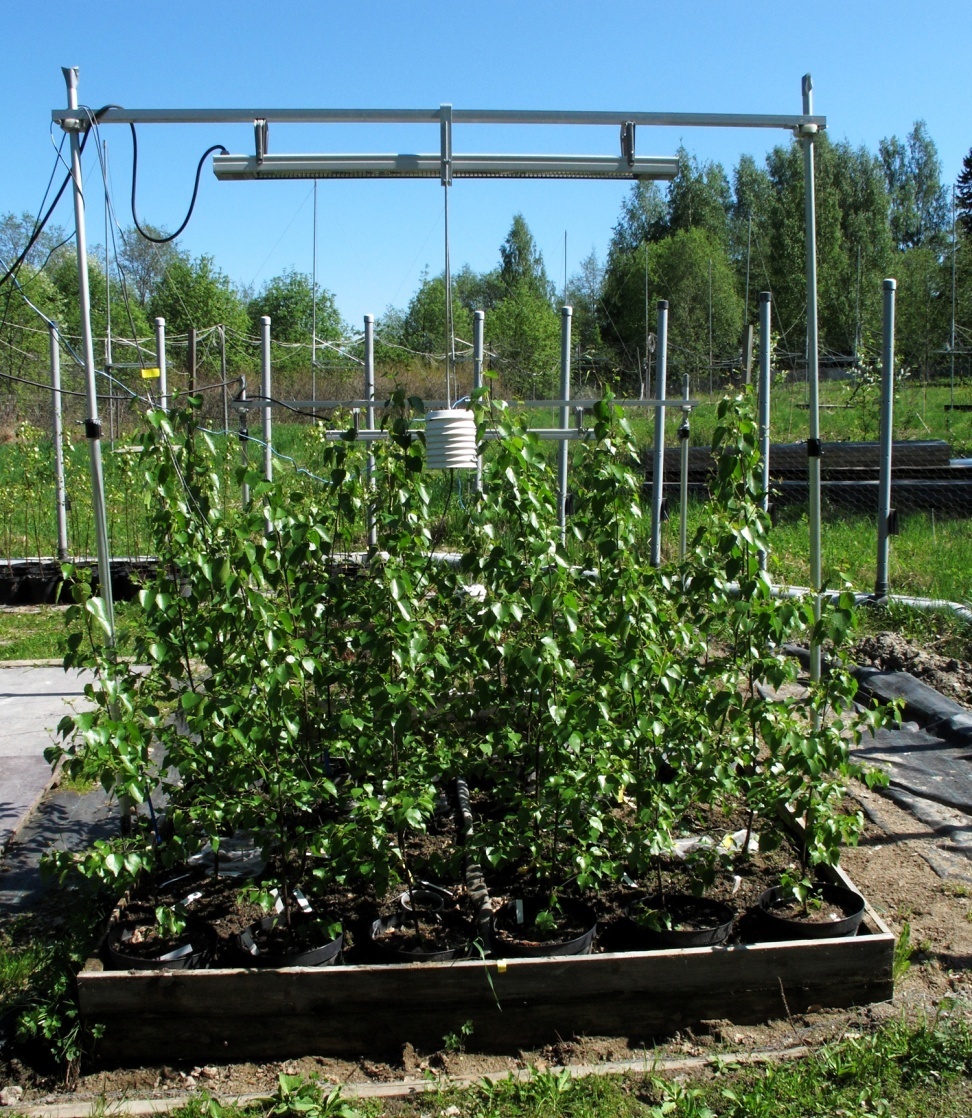
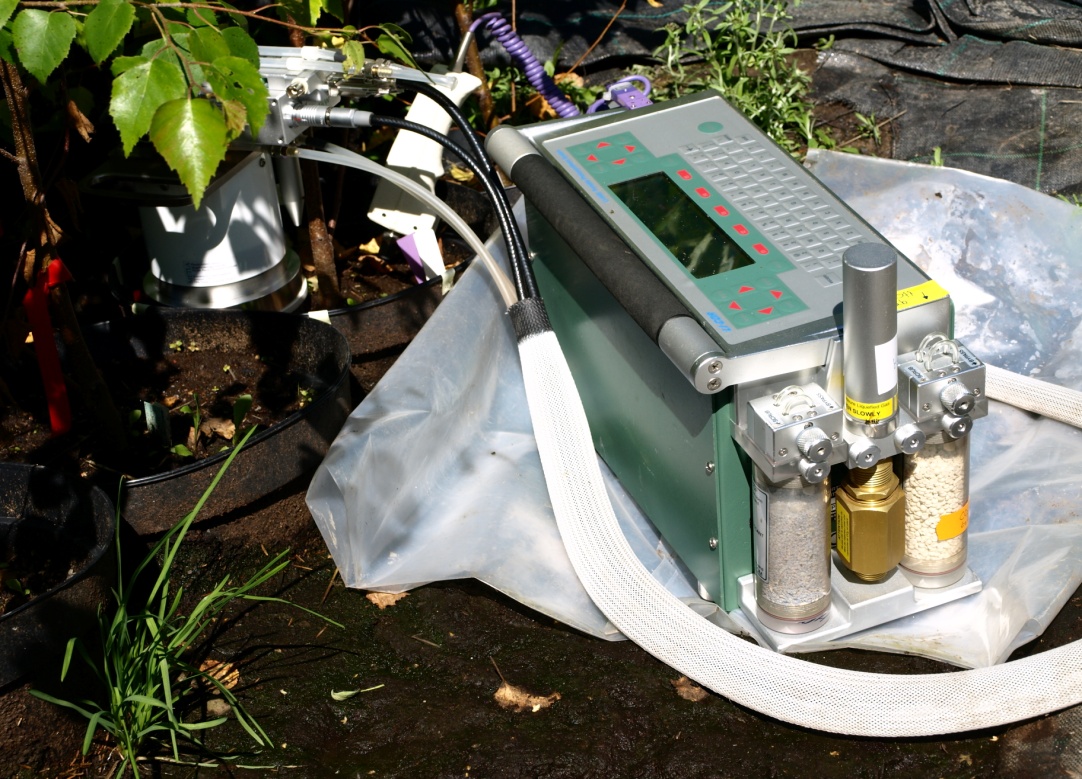
I learned this partly through a method called eddy covariance, which is how scientists measure those gases moving between a forest and the air above it. So how a compound gets from a leaf into the air you breathe is something I have measured, not just read about. Phytoncides work the same way: the compound is made in the leaf or needle, then moves out into the air. Once you know what controls that, the rest is simple, and it tells you exactly when a forest is worth visiting for the air.
Three things have the largest effect.
Temperature.
Monoterpenoid emission rises steeply as it gets warmer. These are volatile compounds, and warmth increases both their production and their evaporation rate out of the leaf or needle.
The emission climbs in a roughly exponential way with temperature, which is why a cold winter forest smells faint and a warm summer one smells intense. The compounds are far more abundant in the air on a warm day, not because there are more trees, but because each tree is releasing faster.
Light.
For many species, monoterpene production is tied to the plant’s light-driven metabolism, so emission tends to climb during daylight and fall at night. Bright, sunny conditions drive higher output than dull, overcast ones.
The air itself.
This is the piece most often overlooked. A compound leaving a leaf still has to reach you, and that depends on the layer of air sitting against the vegetation, called the boundary layer, and on how much the air is mixing.
On a still, warm, humid day under a dense canopy, the compounds gather in the air around the trees and concentrations build. On a windy, exposed day, the same emission is diluted and swept away almost as fast as it is released. So two forests releasing identical amounts can give completely different doses of forest air depending on shelter, canopy density, and wind.
Put those together and you get something useful that I have not seen stated plainly anywhere else: the phytoncide content of forest air is not a fixed property of the forest. It is a moving number set by temperature, light, canopy, and weather. A sheltered, dense, mixed wood on a warm, still afternoon is delivering many times more airborne phytoncide than the same wood on a cold, windy morning. If you are going for the air, those conditions are what to choose, not just the presence of trees.
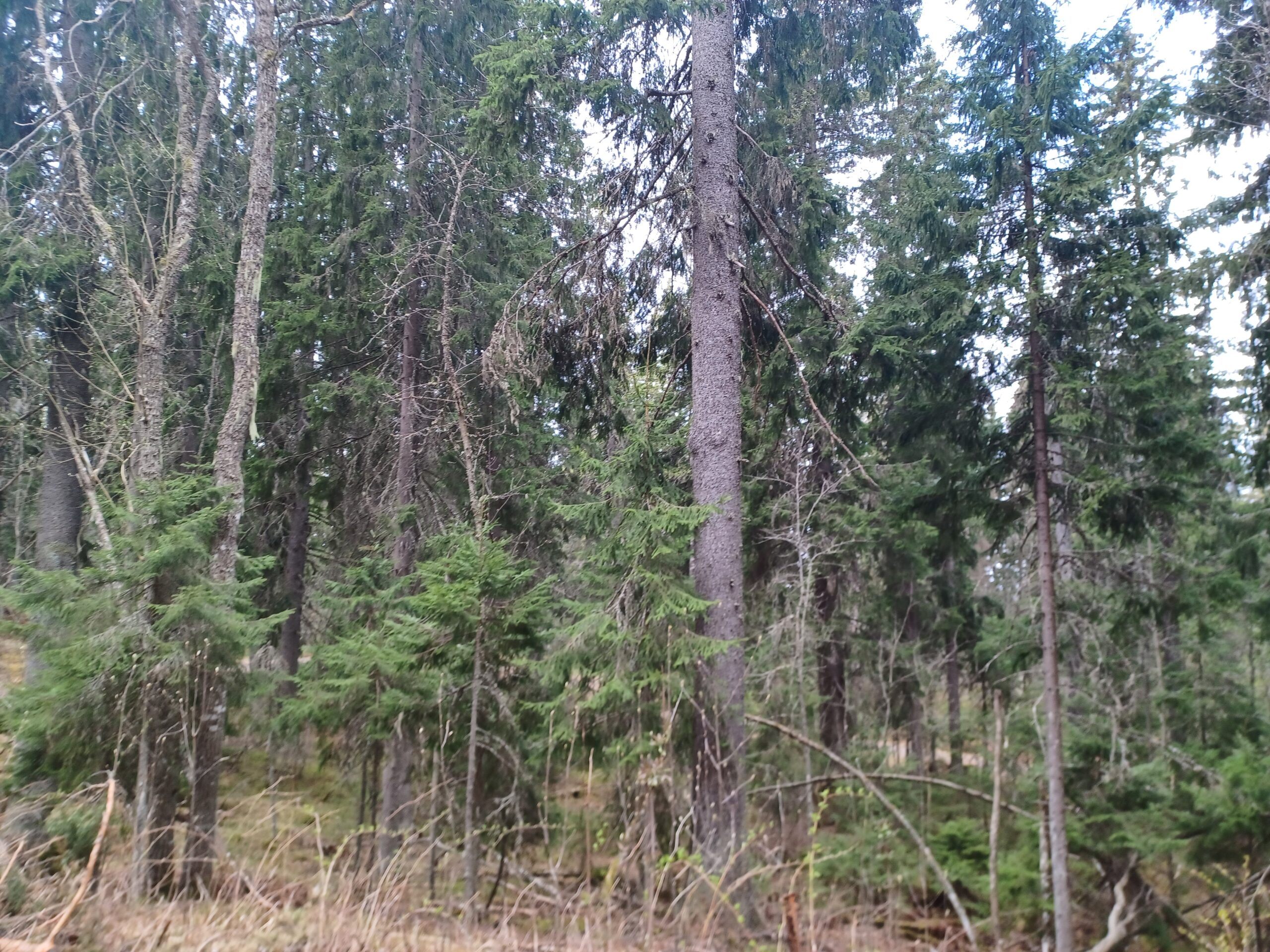
Why I focus on birch and pine
I keep coming back to two trees, silver birch (Betula pendula) and Scots pine (Pinus sylvestris), and that is on purpose. They are the trees I worked with directly in my field research, so I am describing what I saw myself, not what I read in a book.
They also sit at opposite ends of the story. Pine gives off a lot of the strong, resinous-smelling monoterpenes. Birch, a broadleaf tree, gives off less of those, with a different mix. Putting the two side by side is a simple way to show that the kind of tree matters, not just whether there are trees at all.
That difference has a practical side. Conifer woods are where those sharp resinous compounds are strongest, which is why a pine forest smells the way it does. A mix of conifers and broadleaf trees puts a wider range of compounds in the air than a single-species plantation. And it changes with the seasons too: emission follows the temperature and the growing cycle, so the same wood is a different place chemically in July than in January.
What the health research says, and where I stop
Now the part you have probably read about. There is a body of research, much of it from studies where time spent in forests is called shinrin-yoku, reporting measurable effects from forest exposure. Studies have reported increased activity of natural killer cells, a type of immune cell, after time spent in forest environments, with some reporting that the effect persists for a period afterward.
Other work points to reductions in stress hormones such as cortisol. One proposed mechanism is that inhaled phytoncides, being fat-soluble, can cross biological membranes rather than staying only in the airways, which fits what is known about how such volatile compounds behave in the body.
I want to be careful here, because this is not my field, and it is an area where claims often run ahead of the evidence. The research is real and interesting, but it is still developing, the size of the effects and the exact mechanisms are not settled, and “forest air is linked to lower stress markers in studies” is a fair statement while “forest air will cure or prevent disease” is not.
I am not the person to tell you what phytoncides will do for your health, and anyone speaking with great certainty about it is going beyond what the evidence currently supports. If you have a health condition, that is a conversation for a medical professional, not a botany article.
What I can stand behind is the chemistry that comes before any of that: these are real compounds, trees do release them, and the amount in the air does vary with the conditions I have described. Whatever benefit the research eventually confirms, you will breathe more of the compounds under warm, still, sheltered, dense-canopy conditions than under cold, windy, open ones. That part is not in question.
How to use this
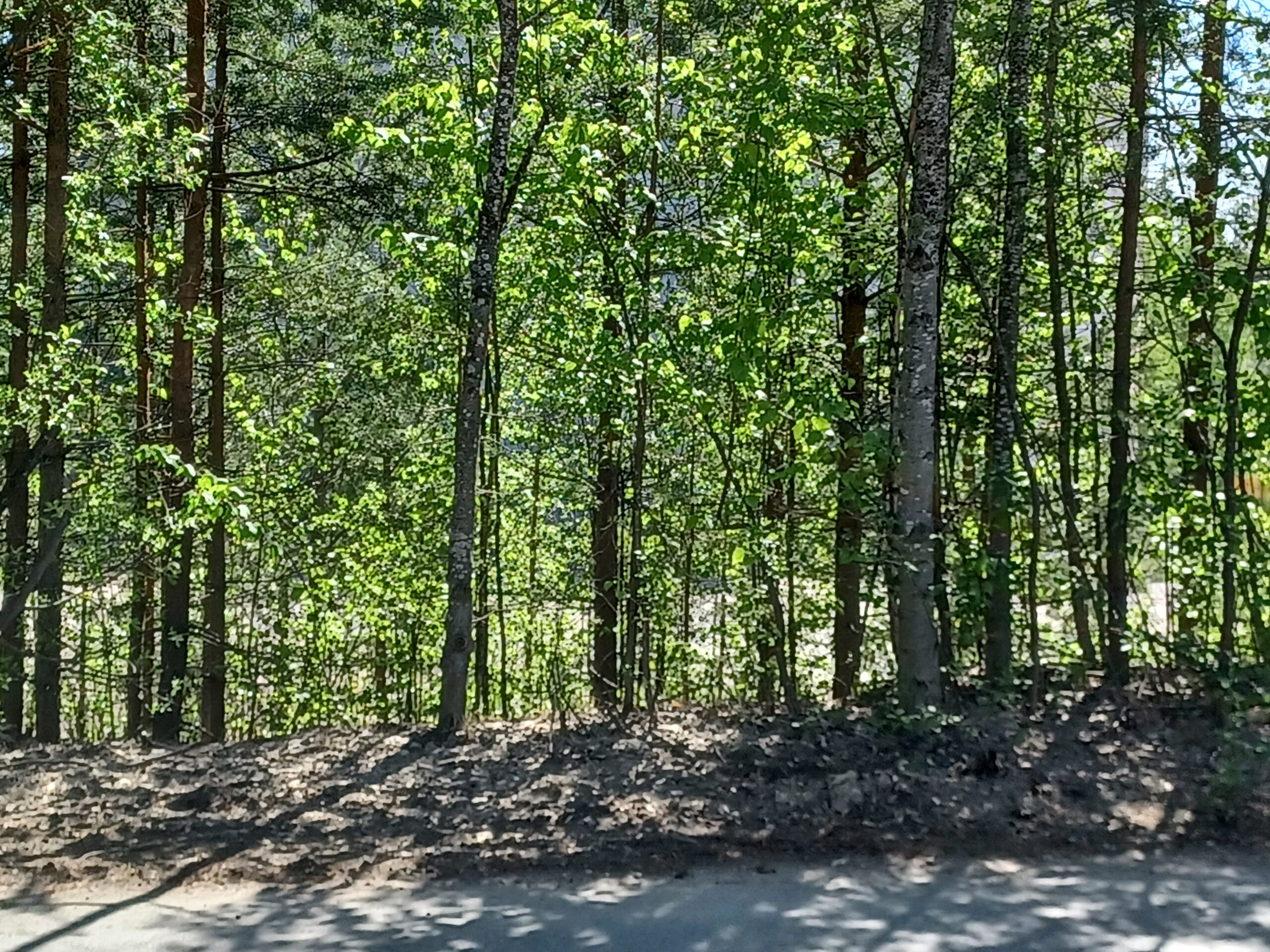
If the reason you are walking in a forest is the air, the chemistry gives you a simple set of choices. Favour dense, sheltered woodland over open, exposed stands, so the compounds gather rather than blow away. Favour conifer or mixed forest over sparse broadleaf if you want the resinous monoterpenoids in particular. Go when it is warm rather than cold, since emission climbs steeply with temperature.
A warm, still afternoon in summer is close to the peak; a cold, windy day in an open wood is near the bottom. None of this asks you to believe any particular health claim. It follows from how the compounds get into the air, which is the thing I can vouch for.
The smell, by the way, is your evidence. When a forest smells strongly resinous and green, you are smelling the monoterpenoids at high concentration in the air, the release and gathering working in your favour. When it smells faint, there is simply less of the chemistry around you. Your nose is reading the flux directly.
Common Questions
What are phytoncides made of?
Mostly terpenoids, especially monoterpenoids such as alpha-pinene, beta-pinene, camphene, and limonene. They are the same volatile, aromatic, fat-soluble compound family that gives herbs and conifers their smell, released by plants as antimicrobial and defensive compounds.
Which trees release the most phytoncides?
Conifers such as pines are the strongest emitters of the classic resinous monoterpenoids, which is why pine forests smell so sharp. Broadleaf trees like birch release a different and often lighter profile. A dense conifer or mixed forest gives the highest concentrations in the air.
Can you smell phytoncides?
Yes. The resinous, green, sharp smell of a forest is largely these compounds in the air. A strong smell means high concentration, so your nose is a fair guide to how much is around you at that moment.
Do all trees give off phytoncides?
Effectively all plants release volatile compounds, but the amounts and types vary widely by species. Conifers are heavy monoterpenoid emitters; many broadleaf species release less of those particular compounds. So all trees contribute, but not equally.
When are phytoncide levels in forest air highest?
In warm, sunny, still conditions under a dense, sheltered canopy. Emission rises steeply with temperature and light, and calm, enclosed air lets the compounds build up instead of dispersing. Cold, windy, open conditions give the least.
How do you pronounce phytoncides?
Roughly “fy-ton-sides.” The word was coined to describe compounds released by plants that suppress microbes, and it is now used broadly for the volatile defence compounds trees release into the air.

