






This article was written by Serge, MSc. Plant Biologist and Environmental Scientist with a BSc in Plant Biology and an MSc in Environmental Biology and Biogeochemistry. My background covers plant biochemistry, botany, and field research in forest and soil ecosystems. I write from real experience, not just literature.
Affiliate disclosure: This site has affiliate links, including Amazon. As an Amazon Associate I earn from qualifying purchases, at no extra cost to you.
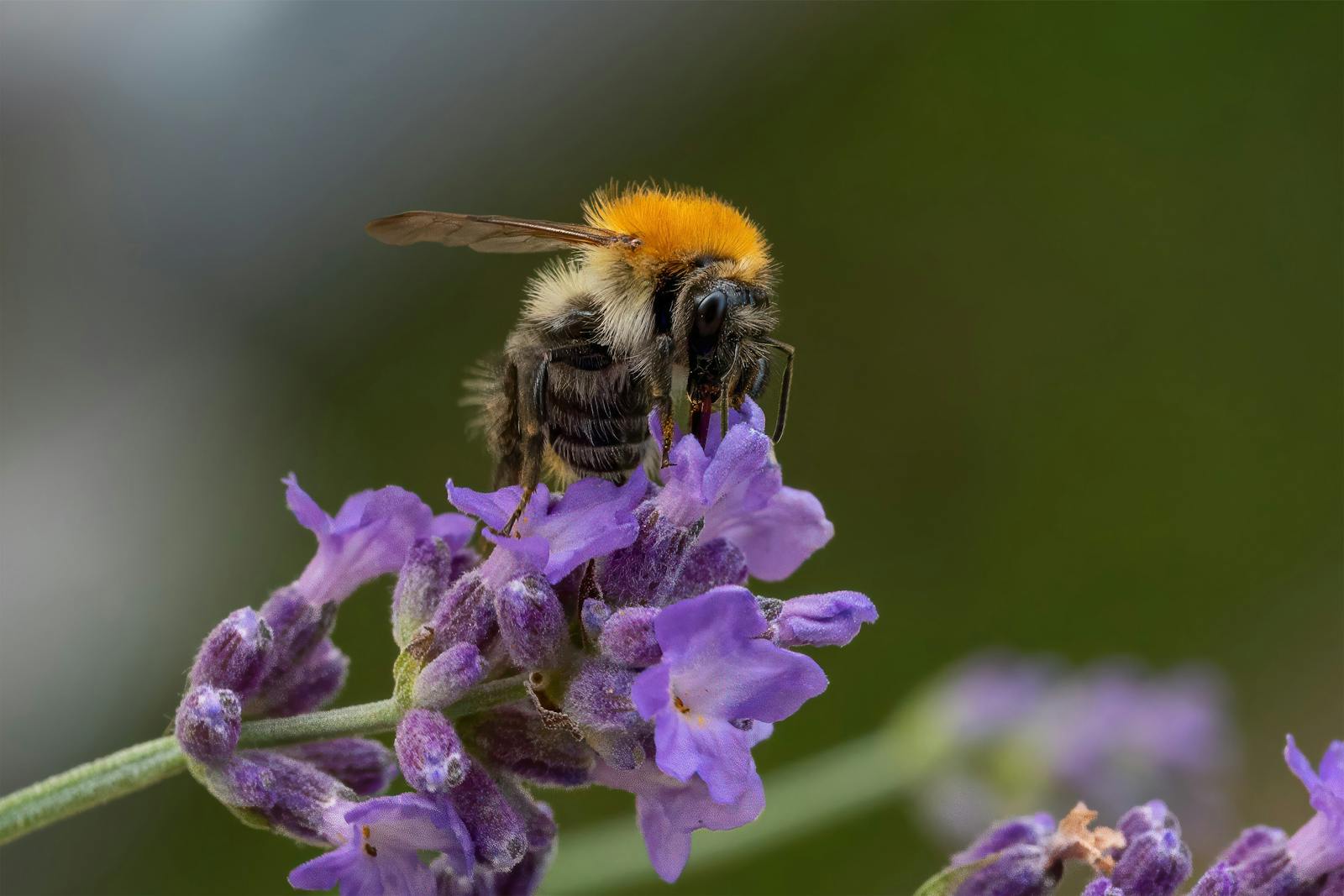
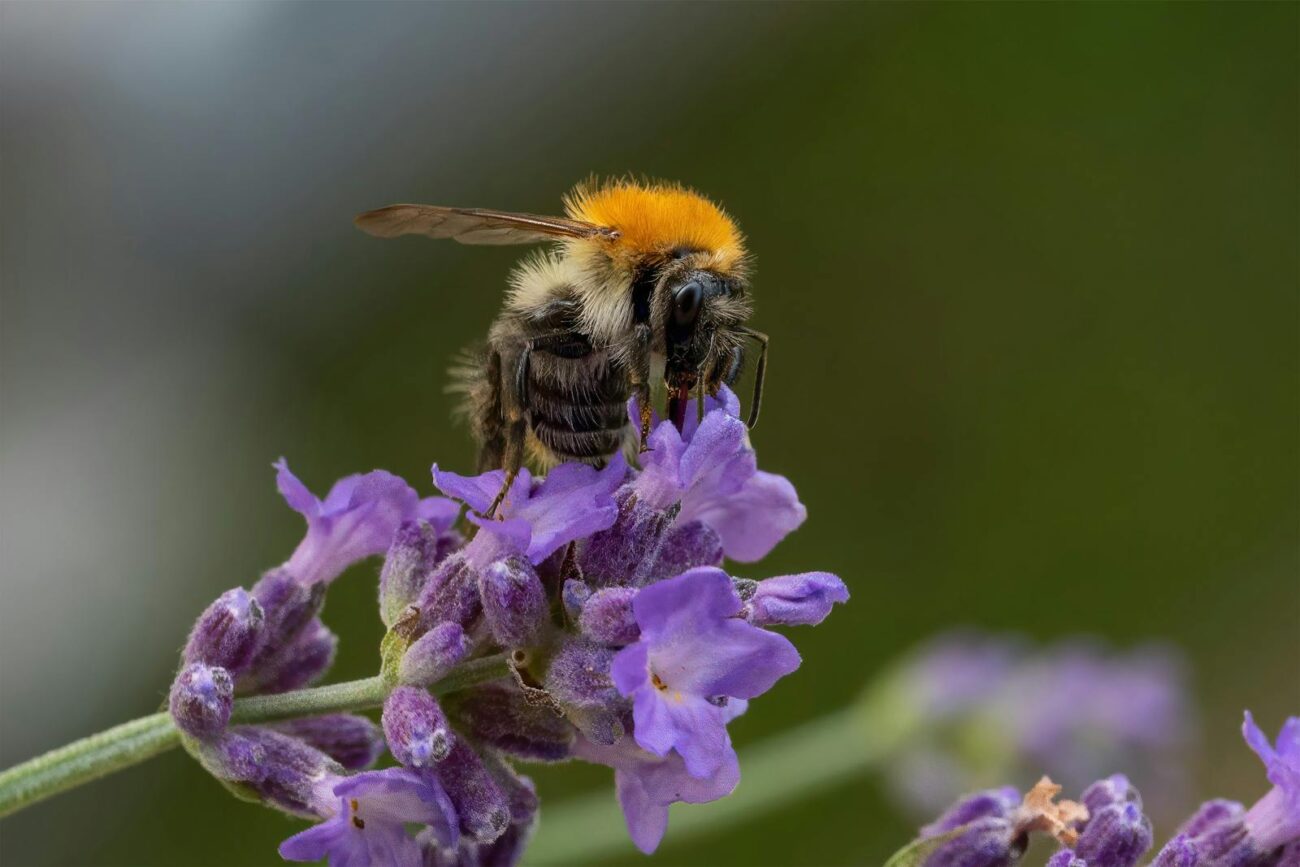
Walk past a lavender plant in full flower and you will notice two things almost simultaneously. The fragrance hits you before you get close, and the plant is covered in bees. Those two observations are connected by chemistry that most pollinator garden guides never explain.
Plants do not attract pollinators by accident. Every signal a flower produces, its color, its scent, its shape, its nectar composition, is a precisely targeted communication directed at specific animals. Understanding what those signals are and how they work changes how you design a garden and which plants you choose for it.
Why Plants Need Pollinators: The Evolutionary Bargain
Flowering plants and their pollinators have been co-evolving for over 100 million years. The relationship is a mutualism: the plant provides food in the form of nectar and pollen, and the pollinator provides the service of transferring pollen between flowers of the same species.
From the plant’s perspective this is a specific communication problem. It needs to attract the right pollinator, not just any insect. A bee visiting a lavender flower and then a rose will not effectively pollinate either because pollen from one species does not fertilise the other. Plants have solved this through highly specific chemical and visual signals that attract their target pollinator groups while filtering out others.
My plant biochemistry training covered secondary metabolite biosynthesis in detail. What struck me when we got to floral chemistry was how much of a plant’s biochemical investment goes into these signals. The volatile compounds in flower fragrance, the pigments in petals, the sugar profiles in nectar, all of it is actively synthesized, at real metabolic cost, to communicate with specific animals.
The Chemistry of Flower Colour
Flower colour is not decoration. It is a signal system, and different pollinators perceive it differently.
Bees see ultraviolet light that humans cannot. Many flowers that appear uniformly yellow or white to us have UV-absorbing patterns in their petals that create nectar guides visible to bees but invisible to us. These patterns direct bees toward the nectaries and ensure pollen transfer happens efficiently. Dandelions, for example, have UV-absorbing centres surrounded by UV-reflecting outer petals, creating a target pattern that guides bees to the flower’s centre.
The pigments producing these signals are anthocyanins, flavonols, and carotenoids, all secondary metabolites. Anthocyanins produce red, purple, and blue tones. Carotenoids produce yellow and orange. Flavonols are often colourless to human eyes but strongly absorb UV, creating the patterns bees navigate by.
Red flowers are an interesting case. Bees have poor red colour vision and are not strongly attracted to red flowers. Hummingbirds, which have excellent red colour vision, are. Plants with red flowers in their native range are often hummingbird-pollinated. The colour is essentially a filter that says “hummingbird pollinator” rather than “bee pollinator.” This is why classic hummingbird plants like salvias and fuchsias tend toward red and orange, while bee plants tend toward blue, purple, and yellow.
The Chemistry of Floral Fragrance
Floral fragrance is produced primarily by volatile terpenoids and phenylpropanoids synthesized in epidermal cells of petals and released into the surrounding air. Different compound classes attract different pollinator groups.
Linalool, geraniol, and related monoterpenoids dominate bee-attractive fragrances. These are the compounds that make lavender, rosemary, and mint attractive to bees. I covered monoterpenoid biosynthesis through the MEP pathway in my plant biochemistry training. What is remarkable about floral volatile production is how precisely plants regulate the timing and quantity of release to match pollinator activity patterns.
Indole and certain aromatic compounds attract beetles and flies. Carrion plants like Amorphophallus and some Aristolochia species produce sulphurous and indole-rich compounds that mimic rotting flesh, attracting blowflies that are trapped temporarily inside the flower and coated with pollen before being released.
Moths are attracted primarily by night-released fragrances from white or pale flowers. Jasmine, evening primrose, and night-blooming cereus all release their most intense fragrance after dark when moth pollinators are active. The nocturnal volatile release I mentioned in my flowering plants article is precisely timed to moth activity through circadian-regulated enzyme activity in petal cells.
Butterfly-attractive plants tend to produce sweet, mild fragrances with complex compound profiles. Butterflies use both scent and colour to locate flowers, with a preference for pink, red, orange, and purple tones.
Nectar Chemistry: The Reward That Keeps Pollinators Coming Back
Nectar is not just sugar water. Its composition is actively regulated by the plant to attract specific pollinators and discourage others.
Bee nectars tend to have balanced sucrose, glucose, and fructose profiles. Hummingbird nectars are typically higher in sucrose. Butterfly nectars are often dilute with complex amino acid profiles. Some plants include secondary metabolites in their nectar, including alkaloids and phenolics, at concentrations that are mildly deterrent to non-target visitors but tolerated by specialist pollinators.
Caffeine appears in the nectar of citrus and coffee plants at low concentrations. Research has shown that bees exposed to caffeine-containing nectar have improved memory for the flower’s scent, making them more likely to return to the same plant species. This is a remarkable example of a plant using a secondary metabolite to manipulate pollinator behaviour in its own favour.
Which Plants Attract Which Pollinators
Understanding the chemistry tells you which plants to choose for specific pollinator groups.
For bees: Plants producing linalool, geraniol, and related monoterpenoids in blue, purple, and yellow flower tones. Lavender (Lavandula angustifolia), borage (Borago officinalis), phacelia (Phacelia tanacetifolia), catmint (Nepeta), and most members of the Lamiaceae family. Single-flowered varieties are consistently better than doubles because double flowers bred for petal density often have reduced or eliminated nectaries and pollen accessibility.
For butterflies: Plants with flat or clustered flower heads providing landing platforms, in pink, red, orange, and purple tones. Buddleja, verbena, echinacea, sedum, and achillea. Butterflies also need larval host plants which are different from nectar plants. Nettles host many butterfly larvae despite having inconspicuous flowers.
For hoverflies: Small, open flowers with accessible pollen. Umbellifers like fennel (Foeniculum vulgare), dill (Anethum graveolens), and cow parsley provide ideal landing surfaces for hoverflies. Yellow composite flowers like limnanthes are also highly attractive.
For moths: Night-blooming white or pale flowers with intense nocturnal fragrance. Evening primrose (Oenothera), night-scented stock (Matthiola longipetala), and white nicotiana.
For bumblebees specifically: Tubular flowers matching bumblebee tongue length. Foxgloves (Digitalis), snapdragons (Antirrhinum), and comfrey (Symphytum) provide nectar only accessible to long-tongued bumblebees through flower architecture that ensures pollen transfer on the bee’s back.
What Qualifies as a Pollinator Garden
A pollinator garden is any planting deliberately designed to provide food and habitat for pollinating insects and animals throughout their active season. The key word is throughout. A garden that flowers intensely for three weeks and then has nothing is far less valuable than one with staggered flowering from early spring through late autumn.
The 70/30 rule mentioned in gardening searches refers to a rough guideline of 70 percent native plants to 30 percent non-native. Native plants have co-evolved with local pollinator species and often provide better-matched rewards. Non-native plants can supplement the native planting and extend the flowering season.
What matters more than any specific ratio is continuous flower availability, plant diversity providing different flower structures for different pollinator groups, and the absence of pesticides that damage pollinator populations.
Practical Design Principles Based on the Chemistry
Plant in groups rather than single specimens. A single lavender plant produces insufficient volatile signal to attract pollinators from a distance. A group of five or more creates a detectable scent plume that guides bees from much further away. The same principle applies to visual signals: colour blocks visible from a distance are more effective than scattered individual plants.
Choose single flowers over doubles. Double-flowered cultivars bred for visual appeal often have disrupted nectaries and reduced pollen accessibility. They look attractive to humans but provide little to pollinators. Check flower form before buying.
Include larval host plants alongside nectar plants. Adult pollinators need nectar but their larvae need specific host plants. A garden with nectar sources but no larval hosts supports visiting adults without supporting breeding populations.
Leave some bare soil. Ground-nesting solitary bees, which make up the majority of bee species, need areas of exposed, undisturbed soil for nesting. A patch of bare south-facing soil is as valuable as any flowering plant for supporting bee diversity.
Avoid systemic pesticides entirely. Neonicotinoids and other systemic pesticides are absorbed by plants and appear in nectar and pollen, reaching pollinators through the very rewards the plants are advertising. Even plants sold as pollinator-friendly may have been treated with systemic pesticides at the nursery.
FAQs
How do plants attract pollinators?
Through a combination of visual signals including colour, UV patterns, and flower shape, chemical signals including volatile fragrances and nectar composition, and structural signals including flower architecture that suits specific pollinator body sizes and tongue lengths. Each signal targets specific pollinator groups and filters out others.
What is the best plant to attract pollinators generally?
No single plant attracts all pollinators. A diverse planting covering different flower structures, colours, and scent profiles serves more pollinator species than any single species however attractive. If choosing one plant for broad pollinator attraction, phacelia (Phacelia tanacetifolia) consistently attracts more bee species than almost any other single garden plant.
Why are pollinators attracted to certain colours?
Different pollinator groups have different colour vision. Bees see ultraviolet and are strongly attracted to blue, purple, and yellow. Butterflies have good red colour vision and favour pink, red, and orange. Hummingbirds are attracted to red and orange. Moths favour white and pale colours visible at night. These preferences reflect co-evolutionary matching between pollinator visual systems and flower pigment chemistry.
What plant part attracts pollinators?
Primarily the flower, which integrates visual signals from petals, chemical signals from nectaries and scent glands, and structural guidance toward pollen and nectar. But plant architecture also matters. Flat flower heads suit small insects with limited flying range. Tubular flowers filter for pollinators with specific tongue lengths. Flower height and clustering affect which pollinators can access them.
Are pollinator gardens low maintenance?
Generally yes, once established. Native plants adapted to local conditions require minimal intervention. The key maintenance tasks are removing invasive species, cutting back dead stems in late winter rather than autumn to preserve overwintering insect habitat, and avoiding pesticide use. Established pollinator plantings typically require less watering and feeding than conventional ornamental beds.
What plants do not attract pollinators?
Highly bred double-flowered cultivars with disrupted nectaries and inaccessible pollen. Wind-pollinated plants like grasses, most conifers, and many trees that produce abundant pollen but no nectar rewards. Plants with concealed nectaries accessible only to specific specialist insects that are absent from the local area.
How do pollinator gardens help the environment?
By supporting breeding populations of pollinating insects rather than just feeding passing individuals. A garden with larval host plants, nesting habitat, and continuous flower availability across the season contributes to local pollinator population size, which benefits surrounding agricultural land and wild plant communities through improved pollination services.
Why are native plants better for pollinators?
Native plants have co-evolved with local pollinator species over thousands of years. Their flower structures, volatile compound profiles, and nectar compositions are matched to local pollinator sensory systems and nutritional requirements. Non-native plants can provide nectar but may lack the specific signals or structural features that native pollinators are adapted to exploit most efficiently.

