







This article was written by Serge, MSc. Plant Biologist and Environmental Scientist with a BSc in Plant Biology and an MSc in Environmental Biology and Biogeochemistry. My background covers plant biochemistry, botany, and field research in forest and soil ecosystems. I write from real experience, not just literature.
Affiliate disclosure: This site has affiliate links, including Amazon. As an Amazon Associate I earn from qualifying purchases, at no extra cost to you.
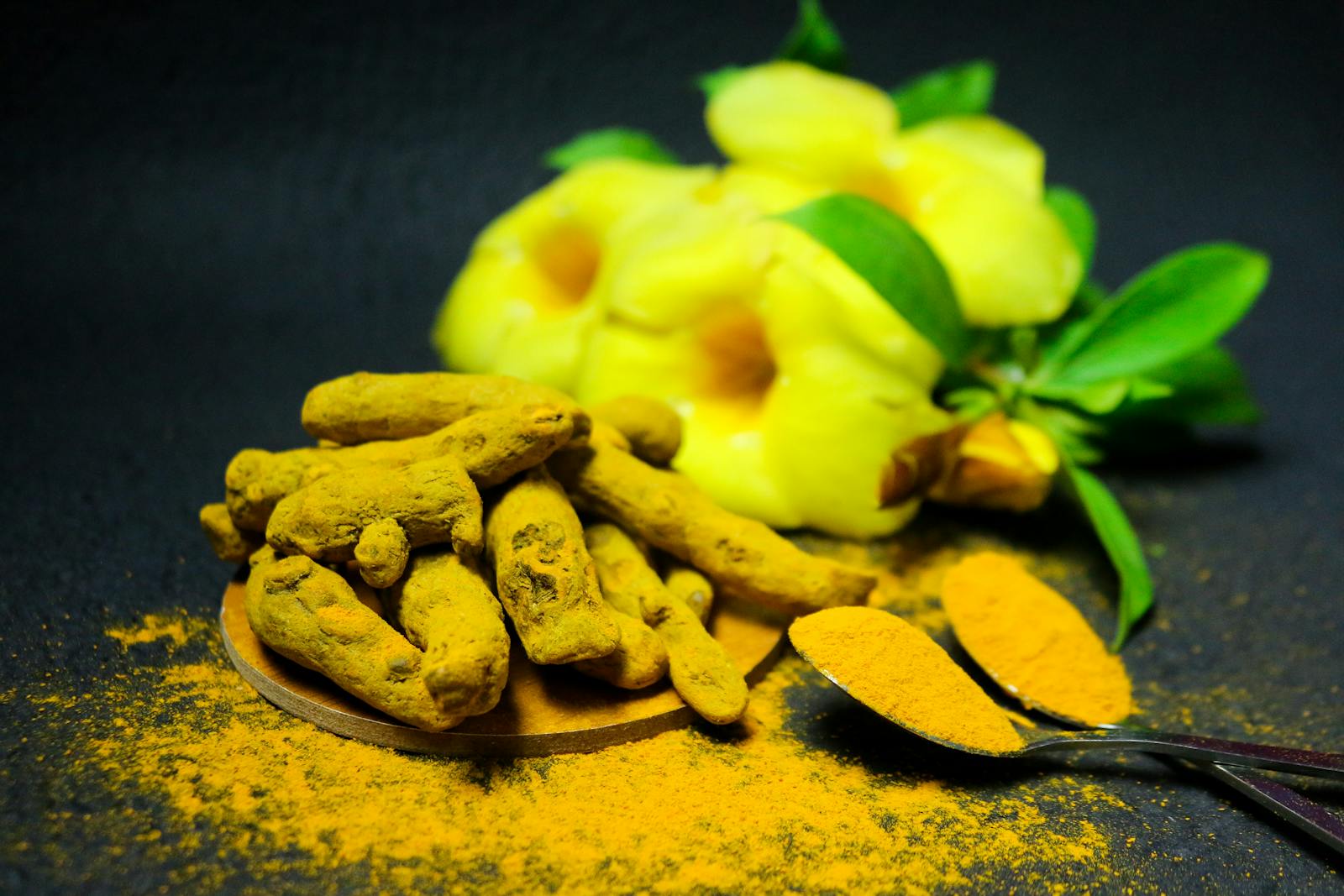
Turmeric, ashwagandha, chamomile, moringa. I take all of these regularly and have done for years. But it took studying plant biochemistry seriously before I started asking the question that should come before any supplement purchase: does this product contain the compound I am actually taking it for, and at what concentration?
That question turns out to be inseparable from how the herb was grown.
Why Farming Conditions Change What Is in the Supplement
Plants produce secondary metabolites, the compounds responsible for most of the pharmacological activity attributed to medicinal herbs, in response to environmental stress. This is not a side note in plant biochemistry. It is central to understanding how medicinal plant quality is determined.
My plant biochemistry studies covered secondary metabolite biosynthesis in detail, including the phenylpropanoid pathway that produces curcuminoids in turmeric, Curcuma longa, the withanolide biosynthesis pathway in ashwagandha, Withania somnifera, and the flavonoid pathways that produce the active compounds in chamomile, Matricaria chamomilla, and echinacea, Echinacea purpurea. What these pathways have in common is that they are upregulated under conditions of environmental stress, including nutrient competition, UV exposure, and the presence of soil microbial communities.
This has a direct implication for supplement quality. Herbs grown in biologically active soil with genuine nutrient competition and environmental variation tend to accumulate higher concentrations of secondary metabolites than herbs grown in depleted soil with synthetic nutrient supplementation that bypasses the stress signals that drive metabolite production. An ashwagandha root grown in poor, well-drained rocky soil in its native range in India, Rajasthan specifically, tends to have higher withanolide concentrations than one grown in rich, heavily fertilised agricultural soil.
I find this genuinely compelling because it means that the sustainable farming argument and the product quality argument are the same argument. Healthier soil biology produces more potent herbs. The environmental case and the consumer case align.
What Standardisation Means and Why It Separates Quality From Marketing
A supplement label listing an herb by name tells you almost nothing useful. What tells you something useful is the standardised extract percentage.
Standardisation means the extract has been produced and tested to contain a defined minimum concentration of the primary active compound. Ashwagandha standardised to 5 percent withanolides tells you something specific and verifiable. Ashwagandha root powder with no standardisation figure could contain almost any concentration depending on the raw material quality and processing method.
My quality control of chemical and environmental measurements training covered exactly how analytical verification of compound concentration works, including the chromatographic methods used to measure secondary metabolite content in plant extracts. That background makes me read supplement labels differently from most people. When a brand publishes third-party analytical certificates showing active compound concentrations, that is meaningful. When a brand lists impressive plant names without any standardisation data, the gap between what is claimed and what is in the capsule could be large.
This is where sustainability connects to transparency. Brands that invest in sustainable farming, ethical sourcing, and third-party testing tend to be the same brands that publish their analytical data. The farming investment and the quality verification investment come from the same commitment to knowing what is actually in the product.
What Overharvesting Does to Medicinal Plant Populations
The other side of the supplement sustainability question is what sourcing at scale does to wild plant populations.
Several medicinal plants face conservation pressure from commercial harvesting. Ashwagandha is cultivated at scale in India and is not currently endangered. But other commonly used medicinal plants, including certain Panax ginseng populations, goldenseal, Hydrastis canadensis, and several Echinacea species in some regions, face pressure from overharvesting of wild populations.
My plant ecology training covered population dynamics and how harvesting pressure affects species resilience. The key principle is that wild plant populations have reproductive rates and recovery times that do not scale proportionally with commercial demand. A population that takes years to recover from one harvesting event cannot sustain annual commercial-scale extraction without declining.
Cultivated sourcing avoids this problem. Herbs grown on dedicated agricultural land do not deplete wild populations regardless of demand. Certifications from bodies like FairWild, which specifically covers sustainable wild-harvesting standards, and organic certifications that require land management records, provide some verification that sourcing is not depleting wild populations.
The Soil Chemistry Argument for Organic Herb Farming
The pesticide residue argument for organic herbal supplements is the one most people have heard. The soil biology argument is the one that I think is more interesting and less often made.
My ecotoxicology training covered how pesticide applications affect non-target soil organisms. Even when a pesticide is effective and degrades within the target timeframe, repeated applications shift the composition of soil microbial communities, reducing the biological diversity that drives nutrient cycling and, relevant to this discussion, the microbial interactions that influence plant secondary metabolite production.
Research on mycorrhizal associations, the symbiotic relationships between plant roots and soil fungi that I covered in my biogeochemistry studies, shows that these associations influence secondary metabolite concentrations in medicinal plants. Plants with active mycorrhizal networks tend to produce higher concentrations of phenolic compounds and terpenoids than plants with suppressed mycorrhizal activity. Synthetic fertilisers and pesticides both reduce mycorrhizal activity.
So the organic farming argument for herbal supplements is not just about avoiding pesticide residues in the final product. It is about maintaining the soil biology that produces higher secondary metabolite concentrations in the first place. Cleaner farming produces more potent herbs through a biological mechanism, not just through the absence of contaminants.
How to Evaluate a Herbal Supplement Brand
The criteria that follow from this science are specific and verifiable rather than dependent on label language.
Check for standardised extract percentages rather than just herb names. Curcumin standardised to 95 percent curcuminoids is a specific claim. Turmeric root powder is not.
Look for third-party analytical testing certificates. These are published on the brand website or available on request and show independent verification of active compound content and absence of contaminants including heavy metals and pesticide residues.
Check sourcing information. Where are the herbs grown and how. Brands that know their supply chain and publish this information tend to source more carefully than brands that cannot answer the question.
For wild-harvested ingredients, look for FairWild certification or equivalent standards that verify sustainable harvesting practices.
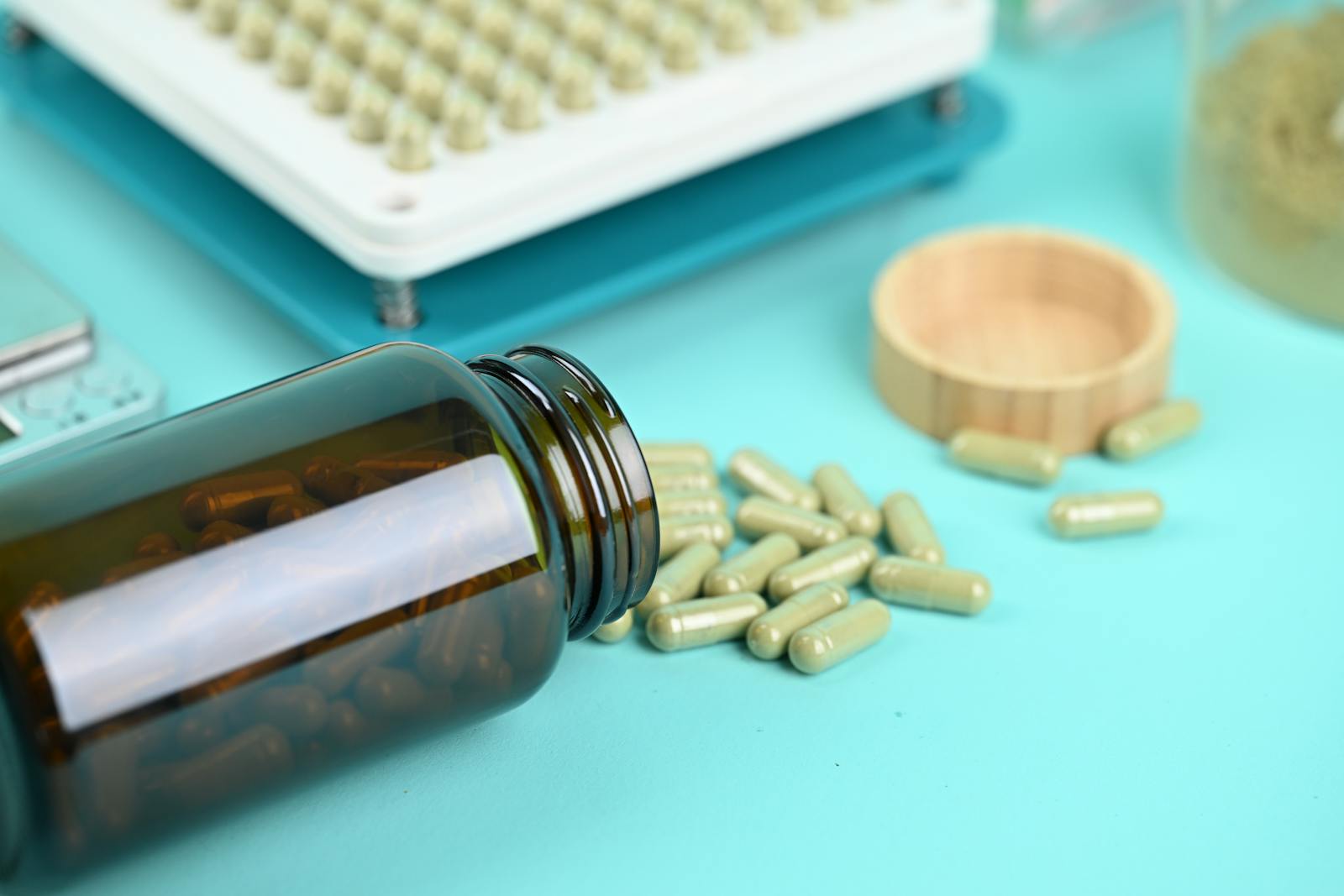
Packaging tells you something about a brand’s overall approach. Glass, compostable materials, and refill systems reflect a supply chain investment that tends to correlate with investment in ingredient quality at the other end.
Frequently Asked Questions
Do organic herbal supplements contain more active compounds?
Research shows that organically grown herbs often contain higher concentrations of secondary metabolites including polyphenols and terpenoids. The mechanism involves soil biology, specifically mycorrhizal activity and microbial nutrient cycling, rather than just the absence of synthetic inputs.
What is a standardised herbal extract?
A standardised extract has been produced and analytically tested to contain a defined minimum concentration of the primary active compound. It allows meaningful comparison between products and tells you something specific about what you are actually taking.
Is wild-harvested always better than cultivated?
Not necessarily, and sometimes worse from a sustainability perspective. Wild harvesting can deplete natural populations if not carefully managed. Cultivated herbs from well-managed organic farms with active soil biology can produce comparable or higher secondary metabolite concentrations without conservation impact.
What certifications are worth looking for in herbal supplements?
Organic certification covers farming inputs and soil management. FairWild covers sustainable wild harvesting. Third-party testing certificates cover active compound concentration and contaminant absence. Fair Trade covers labour and supply chain ethics. Each addresses a different question.
How do I know if a supplement contains what the label claims?
Look for third-party analytical certificates showing compound concentrations from independent laboratories. Standardised extract percentages on the label are a starting point but independent verification is more reliable than manufacturer claims.
Does packaging sustainability indicate product quality?
It tends to correlate rather than guarantee it. Brands that invest in sustainable packaging tend to invest in supply chain quality more broadly. It is one useful signal among several rather than a definitive indicator.
What herbs face conservation pressure from overharvesting?
Goldenseal, Hydrastis canadensis, certain wild Echinacea populations, and some Panax ginseng varieties face pressure in some regions from commercial wild harvesting. Choosing cultivated sources for these herbs removes the conservation concern regardless of demand level.

