








This article was written by Serge, MSc. Plant Biologist and Environmental Scientist with a BSc in Plant Biology and an MSc in Environmental Biology and Biogeochemistry. My background covers plant biochemistry, botany, and field research in forest and soil ecosystems. I write from real experience, not just literature.
Affiliate disclosure: This site has affiliate links, including Amazon. As an Amazon Associate I earn from qualifying purchases, at no extra cost to you.
Pain and inflammation are not random events. They are coordinated biochemical responses involving enzyme cascades, cytokine signaling, prostaglandin synthesis, and nociceptor activation. Understanding which plant compounds interact with these pathways, and how, is what separates useful herbal support from marketing claims.
My training in plant biochemistry and ecotoxicology gives me a specific framework for evaluating these herbs. The compounds that matter in pain and inflammation management have defined molecular targets. This article covers those targets and which plants deliver the most relevant chemistry.
How Inflammation Works at a Biochemical Level
Before evaluating herbs, it helps to understand what they are working against.
Inflammation is initiated when tissue damage or pathogens trigger the release of arachidonic acid from cell membranes. Cyclooxygenase enzymes, COX-1 and COX-2, convert arachidonic acid into prostaglandins, which sensitize pain receptors and promote vasodilation and swelling. Simultaneously, lipoxygenase enzymes produce leukotrienes, which recruit immune cells and amplify the inflammatory response.
Most anti-inflammatory herbs work by inhibiting one or more of these enzyme pathways. The specificity of that inhibition determines both the herb’s effectiveness and its safety profile.
Turmeric (Curcuma longa)
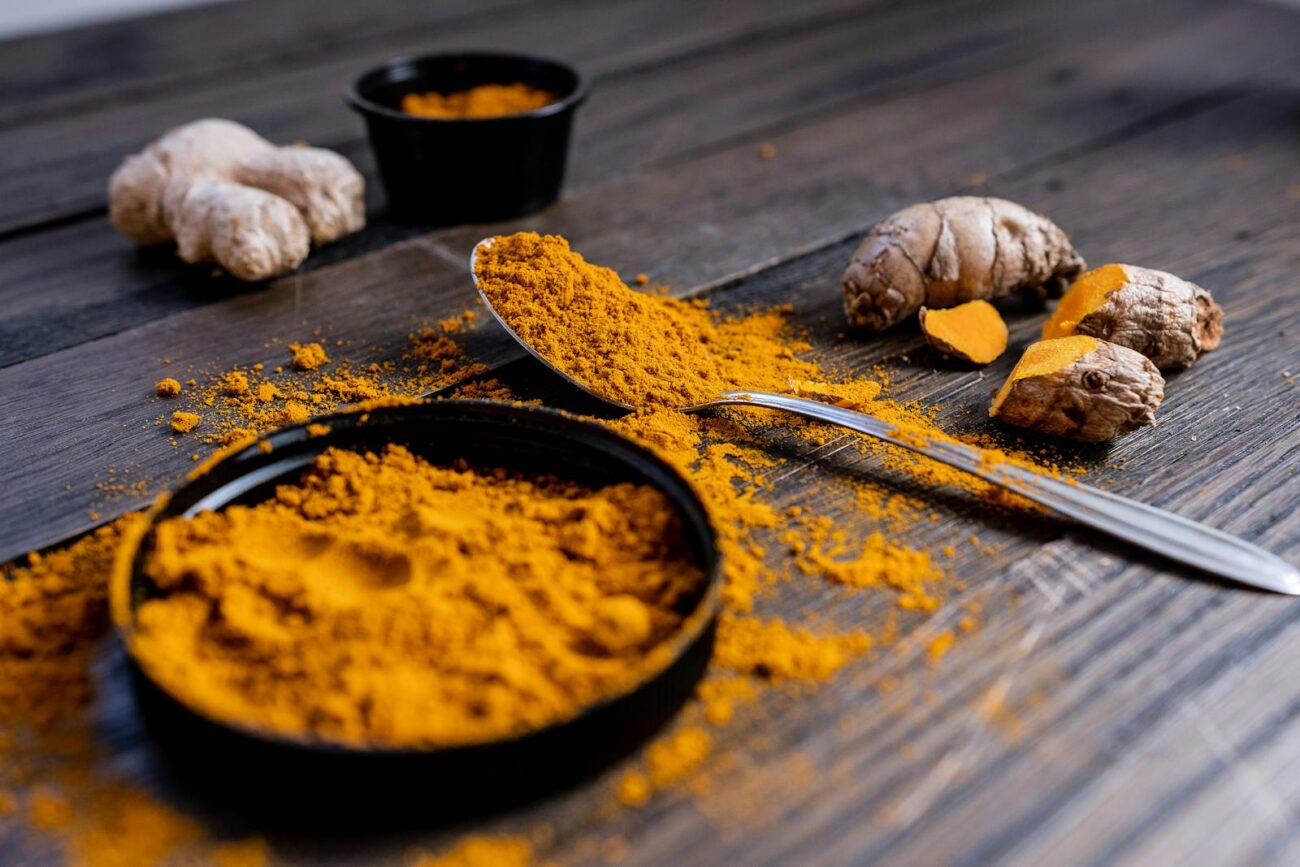
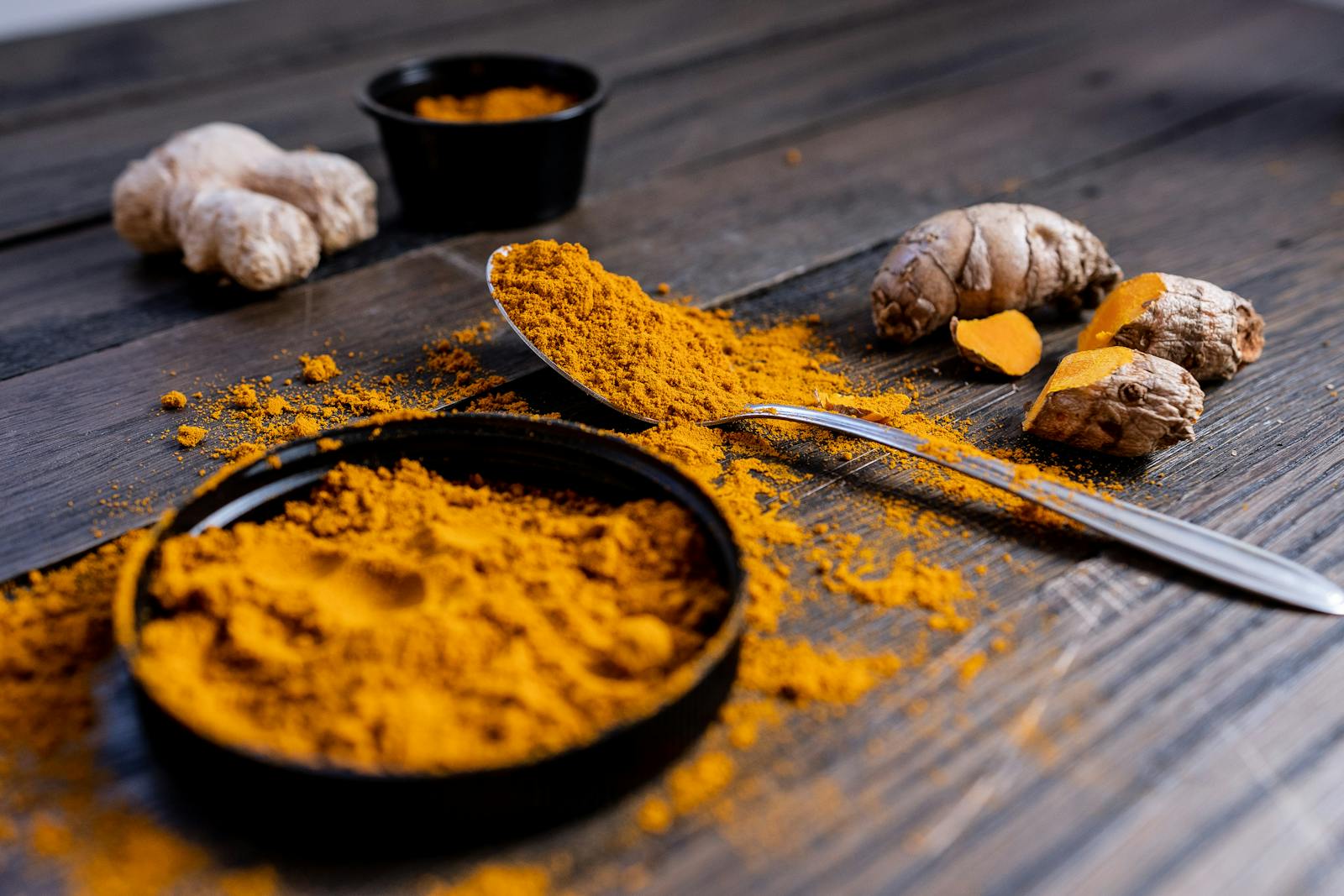
Curcumin is the primary bioactive polyphenol in turmeric rhizomes. Its anti-inflammatory activity operates through multiple pathways simultaneously, which is biochemically unusual and partly explains why it has attracted significant research attention.
Curcumin inhibits NF-kB, a transcription factor that regulates the expression of pro-inflammatory cytokines including TNF-alpha, IL-1, and IL-6. It also directly inhibits COX-2 enzyme activity and reduces prostaglandin synthesis. This multi-target inhibition profile is more similar to a broad-spectrum anti-inflammatory drug than a single-pathway compound.
The clinical evidence for curcumin in joint inflammation is moderately strong, with several controlled trials showing reductions in pain and stiffness comparable to low-dose ibuprofen in osteoarthritis patients.
The significant limitation is bioavailability. Curcumin is poorly absorbed from the digestive tract and rapidly metabolized. Piperine, the alkaloid in black pepper, inhibits curcumin’s metabolic breakdown and increases absorption by up to 2000% in some studies. This is not a marketing claim. It is a documented pharmacokinetic interaction worth taking seriously.
Ginger (Zingiber officinale)
Ginger rhizomes contain gingerols and their dehydrated forms, shogaols, which are phenolic compounds with well-documented anti-inflammatory activity. Gingerols inhibit both COX and lipoxygenase enzymes, giving ginger a dual inhibition profile that addresses both prostaglandin and leukotriene synthesis.
From a plant biochemistry perspective, gingerols are produced as defense compounds against herbivory and microbial attack. Their potency increases in stressed plant tissue, which is relevant to sourcing quality. Fresh ginger and properly dried ginger retain higher gingerol content than aged or poorly stored material.
The evidence for ginger in muscle soreness, nausea, and mild joint inflammation is well supported. Its gastrointestinal effects are particularly well studied, with gingerols shown to accelerate gastric emptying and reduce intestinal inflammation markers.
Boswellia (Boswellia serrata)
Boswellic acids, the primary bioactive compounds in Boswellia resin, work through a distinct mechanism from most anti-inflammatory herbs. They specifically inhibit 5-lipoxygenase, the enzyme responsible for leukotriene synthesis, rather than COX enzymes.
This is clinically significant because leukotriene inhibition is the mechanism used by some prescription asthma medications. Boswellia’s selective 5-LOX inhibition makes it particularly relevant for inflammatory conditions involving airway inflammation, joint inflammation, and inflammatory bowel conditions.
The most bioactive form is acetyl-11-keto-beta-boswellic acid, AKBA. Standardized Boswellia extracts specify AKBA content, and this is what to look for when evaluating product quality. Non-standardized products have highly variable potency.
Clinical trials in osteoarthritis show consistent reductions in pain and improved joint mobility with standardized Boswellia extracts over 8-12 weeks of use.
Willow Bark (Salix alba)
Willow bark contains salicin, a glycoside that is converted in the body to salicylic acid through hydrolysis in the gut and oxidation in the liver. Salicylic acid inhibits COX enzymes and reduces prostaglandin synthesis, which is the same basic mechanism as aspirin, acetylsalicylic acid.
The key difference is rate of conversion. Willow bark produces salicylic acid more slowly than aspirin, resulting in a gentler, more sustained effect with lower peak concentrations. This reduces the gastric irritation associated with high-dose aspirin while providing meaningful anti-inflammatory and analgesic activity.
Willow bark is one of the better-documented herbal pain relievers, with controlled trials showing efficacy in lower back pain and osteoarthritis comparable to low-dose synthetic salicylates.
Devil’s Claw (Harpagophytum procumbens)
Devil’s claw root contains harpagosides, iridoid glycosides with anti-inflammatory activity attributed primarily to inhibition of COX-2 and lipoxygenase pathways. The mechanism is similar to boswellia in its dual enzyme inhibition profile.
The clinical evidence for devil’s claw in osteoarthritis and lower back pain is among the strongest of any herbal anti-inflammatory, with multiple randomized controlled trials showing significant reductions in pain scores and improved mobility. The European Medicines Agency has formally recognized its traditional use for musculoskeletal pain.
Standardized extracts specify harpagoside content. Effective doses in trials typically contain 50-100mg of harpagosides daily.
Feverfew (Tanacetum parthenium)
Feverfew leaves contain parthenolide, a sesquiterpene lactone that inhibits platelet aggregation, reduces serotonin release from platelets, and inhibits prostaglandin synthesis in blood vessel walls. These mechanisms are directly relevant to migraine pathophysiology, which involves abnormal platelet activity and vascular inflammation.
Parthenolide also inhibits NF-kB, similar to curcumin, suggesting broader anti-inflammatory activity beyond vascular effects.
The evidence for feverfew in migraine prevention is moderate. Several controlled trials show reductions in migraine frequency with consistent use, though effects on acute migraine episodes are less clear. It is a preventive herb rather than an acute treatment.
Fresh leaf preparations and standardized extracts specifying parthenolide content are more reliable than non-standardized dried leaf products, where parthenolide degrades significantly during storage.
Butterbur (Petasites hybridus)
Butterbur rhizomes contain petasins, sesquiterpene compounds that relax smooth muscle in blood vessel walls and inhibit leukotriene synthesis. Both mechanisms are relevant to migraine prevention.
The clinical evidence for butterbur in migraine prevention is strong relative to most herbal remedies, with controlled trials showing reductions in migraine frequency of 50% or more with standardized extracts.
An important safety note: raw butterbur contains pyrrolizidine alkaloids, which are hepatotoxic. Only PA-free certified extracts should be used. Unpurified butterbur preparations carry a genuine liver toxicity risk and should be avoided entirely.
Peppermint (Mentha x piperita)
Menthol, the primary volatile compound in peppermint essential oil, activates TRPM8 cold receptors in skin and mucous membranes, producing a cooling sensation that reduces pain perception through counter-irritation. It also relaxes smooth muscle, which can relieve tension in muscles around the head and neck.
Topical application of diluted peppermint oil to the temples has been tested in controlled trials for tension headaches, with results comparable to low-dose acetaminophen for mild to moderate headache intensity.
The mechanism is well understood and the evidence is solid for topical use specifically. Oral peppermint for headaches has less supporting evidence.
Practical Summary
The herbs in this article have genuine biochemical activity and meaningful clinical evidence behind them. They are not equivalent to pharmaceutical anti-inflammatories in potency, but they operate through real molecular mechanisms and their effects are measurable.
Key points for practical use: curcumin requires piperine for meaningful absorption. Boswellia and devil’s claw should be standardized extracts with specified active compound content. Butterbur must be PA-free certified. Feverfew works as a preventive, not an acute treatment. Willow bark’s salicylate content means it shares contraindications with aspirin, including interactions with blood thinners.
None of these herbs should replace prescribed medication for serious inflammatory conditions without medical supervision. They are most useful as complementary support or for mild to moderate symptoms in otherwise healthy individuals.
FAQs
Can these herbs replace prescribed anti-inflammatory medication?
For serious or chronic inflammatory conditions, no. These compounds have real activity but lower potency than pharmaceutical options. They are most appropriate as complementary support or for mild symptoms. Always consult a doctor before changing medication.
Why does bioavailability matter for curcumin specifically?
Curcumin is rapidly metabolized and poorly absorbed without intervention. Without piperine or a lipid-based delivery system, most curcumin passes through the digestive tract without entering systemic circulation. This is why many studies showing weak curcumin effects used preparations without bioavailability enhancement.
How long before results are noticeable?
Herbs working through enzyme inhibition, boswellia, devil’s claw, willow bark, typically require 4-8 weeks of consistent use to produce measurable effects. Peppermint and ginger can provide more immediate symptomatic relief.
Are standardized extracts better than whole herb preparations?
For therapeutic purposes, standardized extracts with specified active compound content are more reliable. Whole herb preparations have variable potency depending on growing conditions, harvest timing, and storage.

