










This article was written by Serge, MSc. Plant Biologist and Environmental Scientist with a BSc in Plant Biology and an MSc in Environmental Biology and Biogeochemistry. My background covers plant biochemistry, botany, and field research in forest and soil ecosystems. I write from real experience, not just literature.
Affiliate disclosure: This site has affiliate links, including Amazon. As an Amazon Associate I earn from qualifying purchases, at no extra cost to you.
The gut is one of those things you stop noticing when it works and cannot think about anything else when it does not. Bloating after meals, slow digestion, nausea, cramping. Most people reach for something from the pharmacy. I reach for plants first, not out of ideology but because I find the chemistry genuinely compelling.
I drink chamomile tea most evenings. I use ginger regularly, fresh in drinks or dried powder mixed with turmeric. I have used turmeric with black pepper and apple cider vinegar most mornings for years. These are not random wellness habits. Each one has a specific compound profile and a specific mechanism I understand well enough to know why it works.
Let me walk through the main digestive herbs, what is actually inside them, and why that matters for how your gut feels.
Why Plant Compounds Work on the Gut
The digestive tract has several distinct processes that plant secondary metabolites can influence.
Smooth muscle motility is the rhythmic contractions that move food through the gut. Several plant compounds interact directly with the receptor systems that control this. Menthol from peppermint and gingerols from ginger both work here but through different mechanisms.
Mucosal protection is the lining of the gut wall. Some plants produce thick gel-like compounds called mucilage that coat and protect this lining when it is irritated or inflamed. Marshmallow root does this particularly well.
Bile production and fat digestion respond to bitter plant compounds. Dandelion root is a classic example of a plant that stimulates bile flow through its bitter chemistry.
Gut contractions in the large intestine can be directly stimulated by specific compounds in senna. This is powerful and reliable but not something to use every day.
Understanding which mechanism you need tells you which herb to reach for. Most articles skip this part. I find it the most useful part.
Ginger. Zingiber officinale
Ginger is my most used digestive herb. The reason is simple. It works quickly and the mechanism is clear.
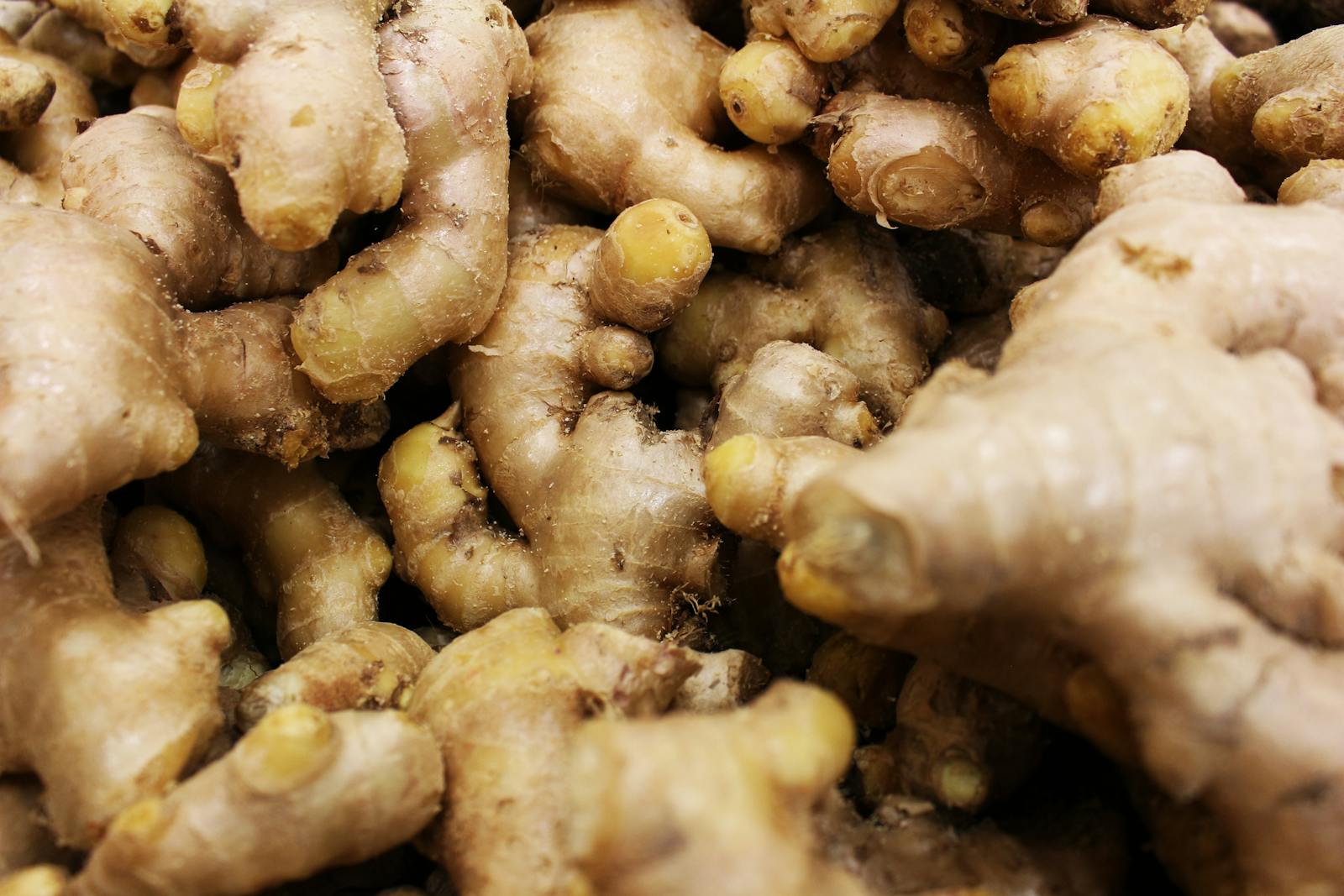
The active compounds in Zingiber officinale rhizomes are gingerols in fresh ginger and shogaols in dried ginger. Shogaols form from gingerols during the drying process which is why dried ginger has a sharper more pungent flavour.
Both compounds interact with receptors in the gut wall that regulate nausea and gastric emptying. Gastric emptying is the rate at which food moves from the stomach into the small intestine. When this slows down you feel bloated, nauseated, and uncomfortable after meals. Ginger speeds this process up by interacting with the gut’s own nervous system.
Gingerols and shogaols also reduce gut inflammation by inhibiting COX and lipoxygenase enzymes, addressing the inflammatory side of digestive discomfort at the same time.
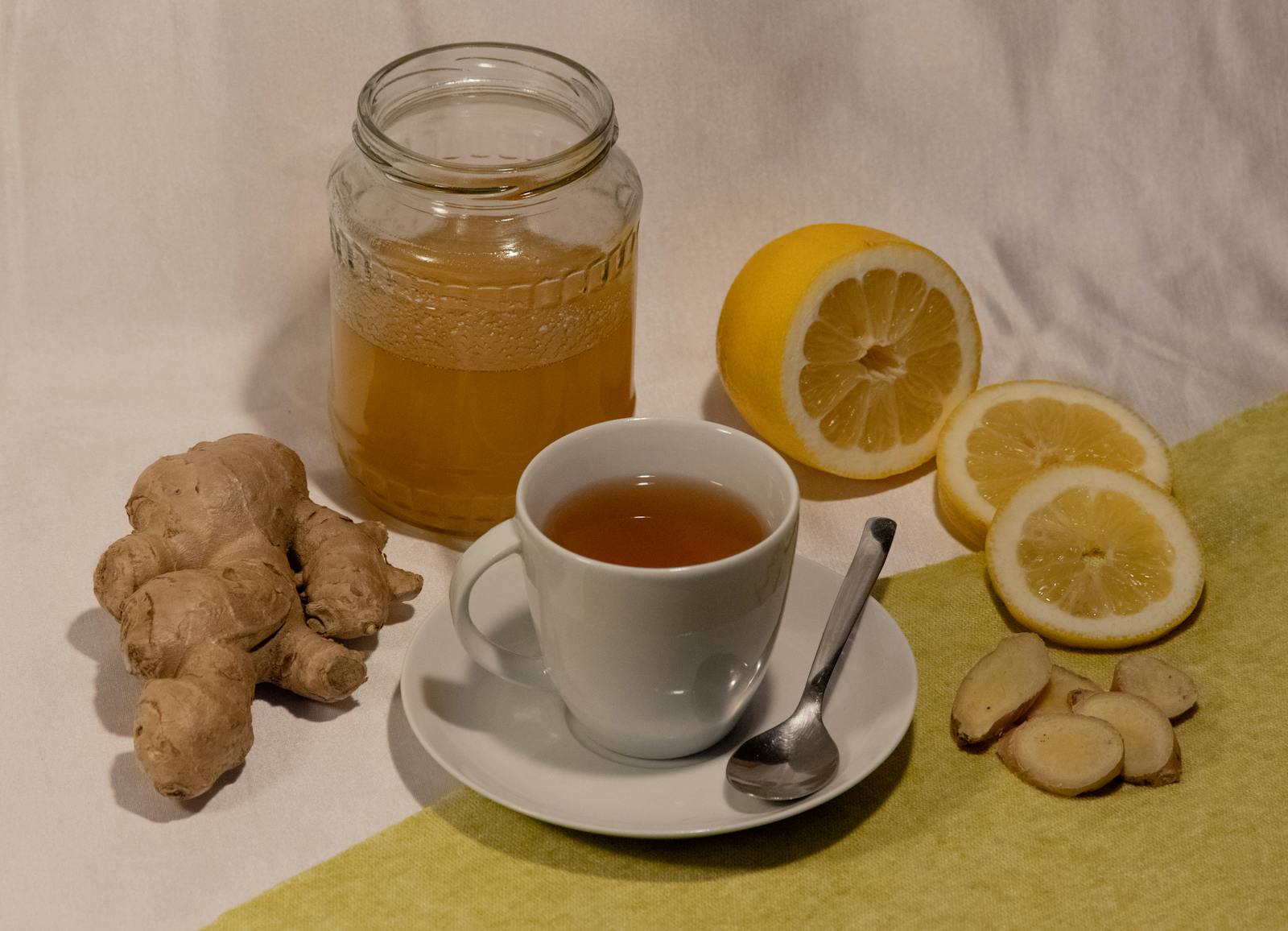
I use ginger most days. Fresh sliced in hot water, dried powder with turmeric, occasionally just chewed raw when digestion feels sluggish. The warming effect in the upper digestive tract is noticeable within minutes.
Chamomile. Matricaria chamomilla
Chamomile is probably the most underrated digestive herb. Most people think of it as a sleep herb. The gut application is just as well supported.
Matricaria chamomilla flowers contain apigenin, a flavone that relaxes smooth muscle tissue in the gut wall. When gut smooth muscle is in spasm you get cramping, pain, and trapped gas. Apigenin reduces that spasm.
The flowers also contain alpha-bisabolol and chamazulene, terpenoid compounds with anti-inflammatory activity at the gut mucosal level. So chamomile addresses both the spasm and the inflammation simultaneously.
The gut-brain connection is real and well documented. Stress tightens the gut. Apigenin also acts on receptors in the nervous system that reduce stress-driven gut tension. This is why chamomile works particularly well for the kind of digestive discomfort that comes with anxiety or a difficult day.
I have dried chamomile flowers at home and brew them for around eight minutes. Shorter than that and the apigenin extraction is incomplete. The effect on post-meal discomfort is subtle but I notice it consistently, especially in the evening.

Peppermint. Mentha x piperita
Peppermint is probably the most clinically well studied herb for gut symptoms and the evidence is genuinely strong.
Menthol from Mentha x piperita leaves relaxes intestinal smooth muscle by blocking calcium channels in the muscle cells. Calcium channel activity is what drives muscle contraction. Block it and the spasm reduces. This is the same basic mechanism as pharmaceutical drugs used for irritable bowel syndrome.
The practical result is reduced cramping, less bloating, and better movement of gas through the gut. Multiple clinical trials confirm this specifically for IBS symptoms.
One important thing. Peppermint relaxes smooth muscle everywhere in the digestive tract including the valve between the esophagus and stomach. If you have acid reflux, peppermint tea can make it worse by allowing acid to travel upward more easily. Enteric coated peppermint capsules bypass this problem by releasing menthol further down in the small intestine.
For general bloating and cramping without acid reflux issues, peppermint tea after meals is one of the more effective and well-documented options available.
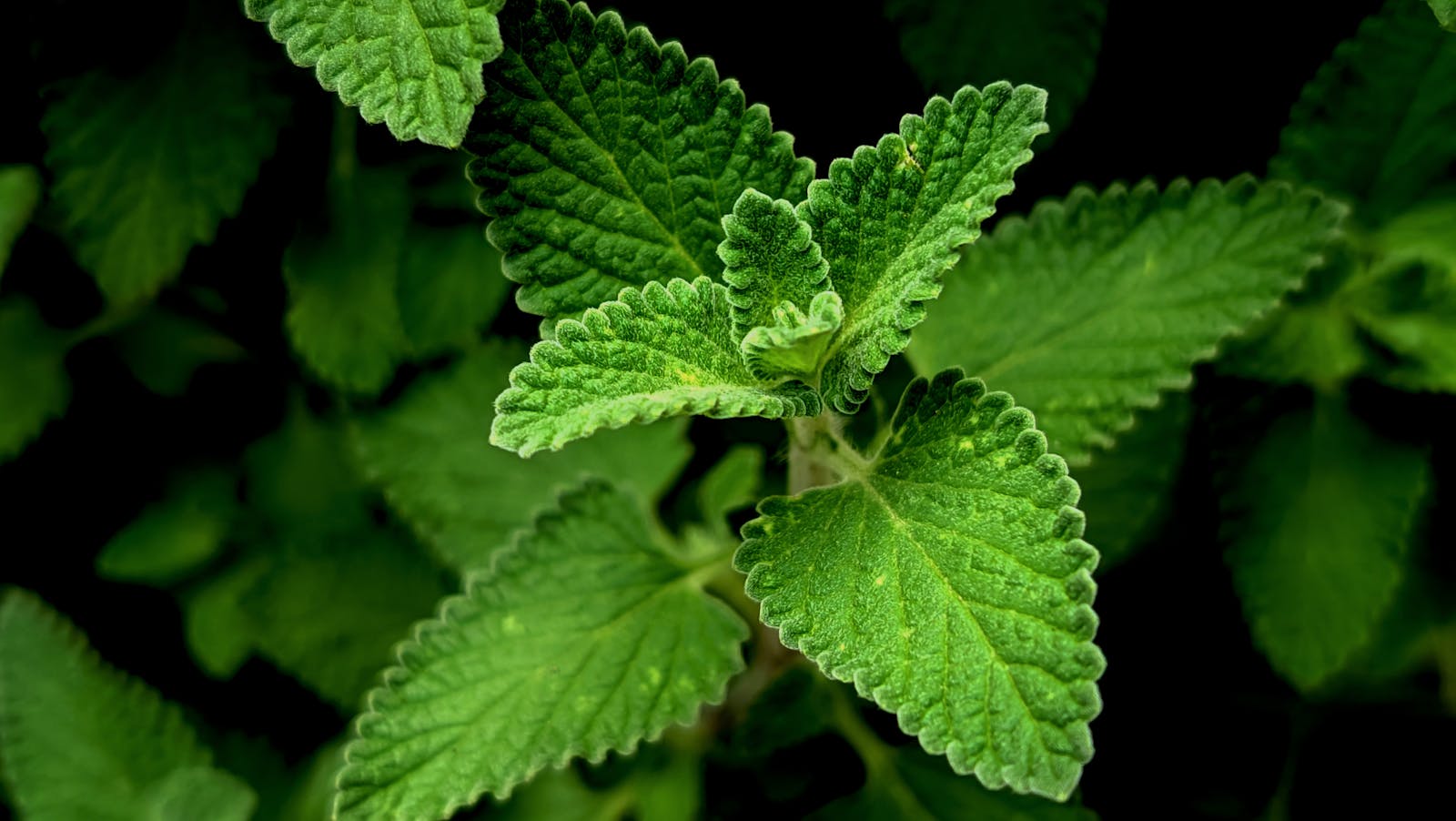
Fennel. Foeniculum vulgare
Foeniculum vulgare seeds contain trans-anethole as the primary active compound. Trans-anethole relaxes intestinal smooth muscle similarly to menthol but through a slightly different mechanism.
The result is reduced gut spasm, less trapped gas, and relief from the bloated heavy feeling after meals. Fennel seed tea is traditionally used for infant colic across multiple cultures, which gives it one of the longest safety records of any digestive herb.
I find fennel particularly useful after large meals. The slightly sweet anise flavour makes it more pleasant to drink than some of the more medicinal tasting digestive herbs.
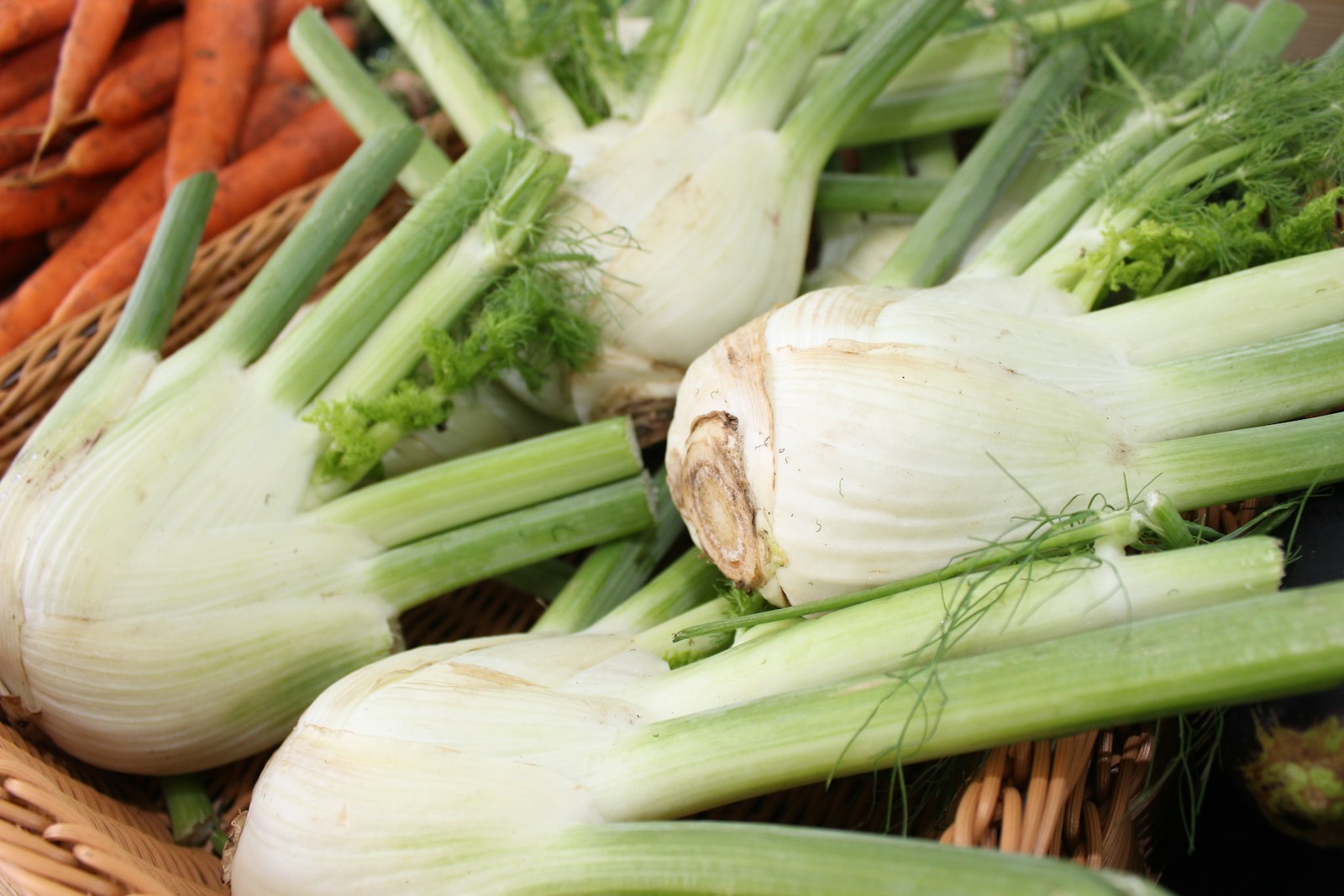
Senna. Senna alexandrina
Senna is worth discussing directly because it is genuinely effective and genuinely powerful.
Senna alexandrina contains sennosides, compounds that gut bacteria convert into active molecules that directly stimulate large intestine contractions. The result is a bowel movement within 6 to 12 hours. Reliable and consistent.
The reason I do not recommend it for daily use is that the direct stimulation of gut contractions over extended periods leads to the gut becoming less responsive to normal stimuli. Think of it as a strong short-term solution rather than a long-term digestive support tool.
For occasional constipation relief it works well. For daily digestive support there are better options that work with the gut rather than forcing it.
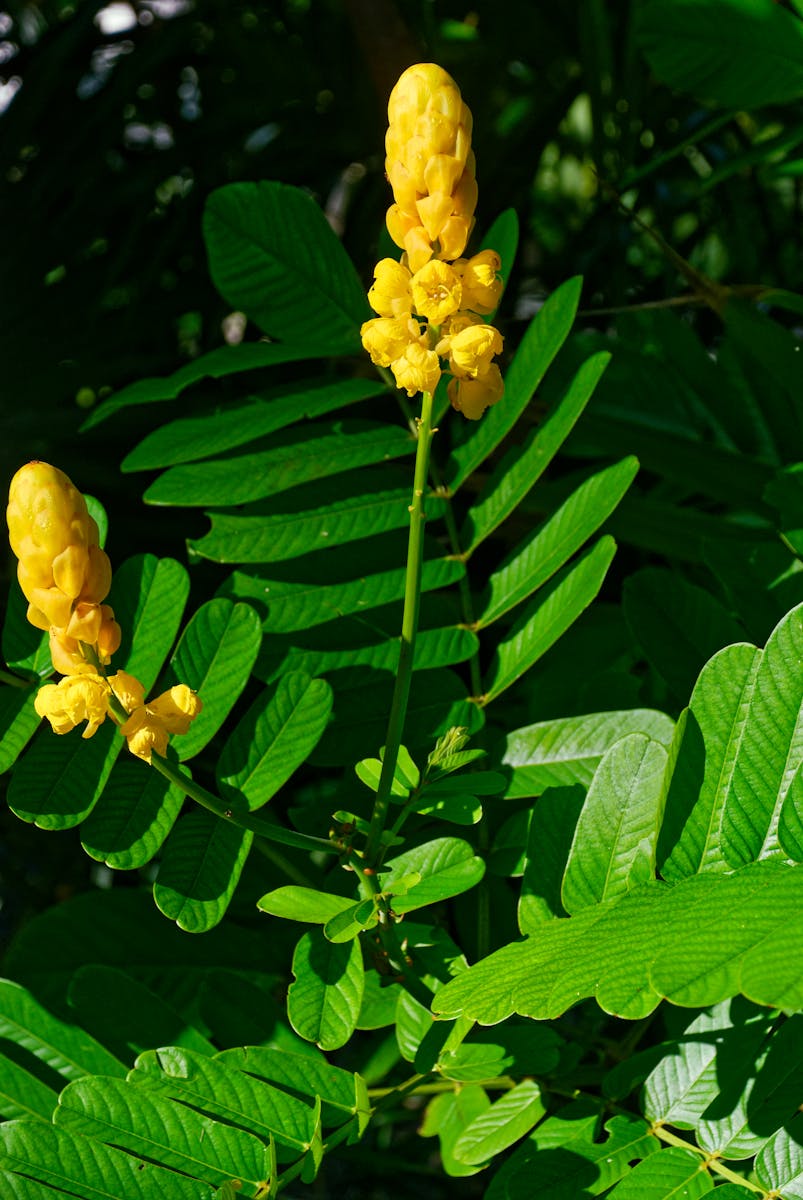
Marshmallow Root and Slippery Elm
These two work completely differently from everything above. Rather than affecting motility or gut contractions they produce mucilaginous polysaccharides, thick gel-like compounds that physically coat and protect the gut lining.
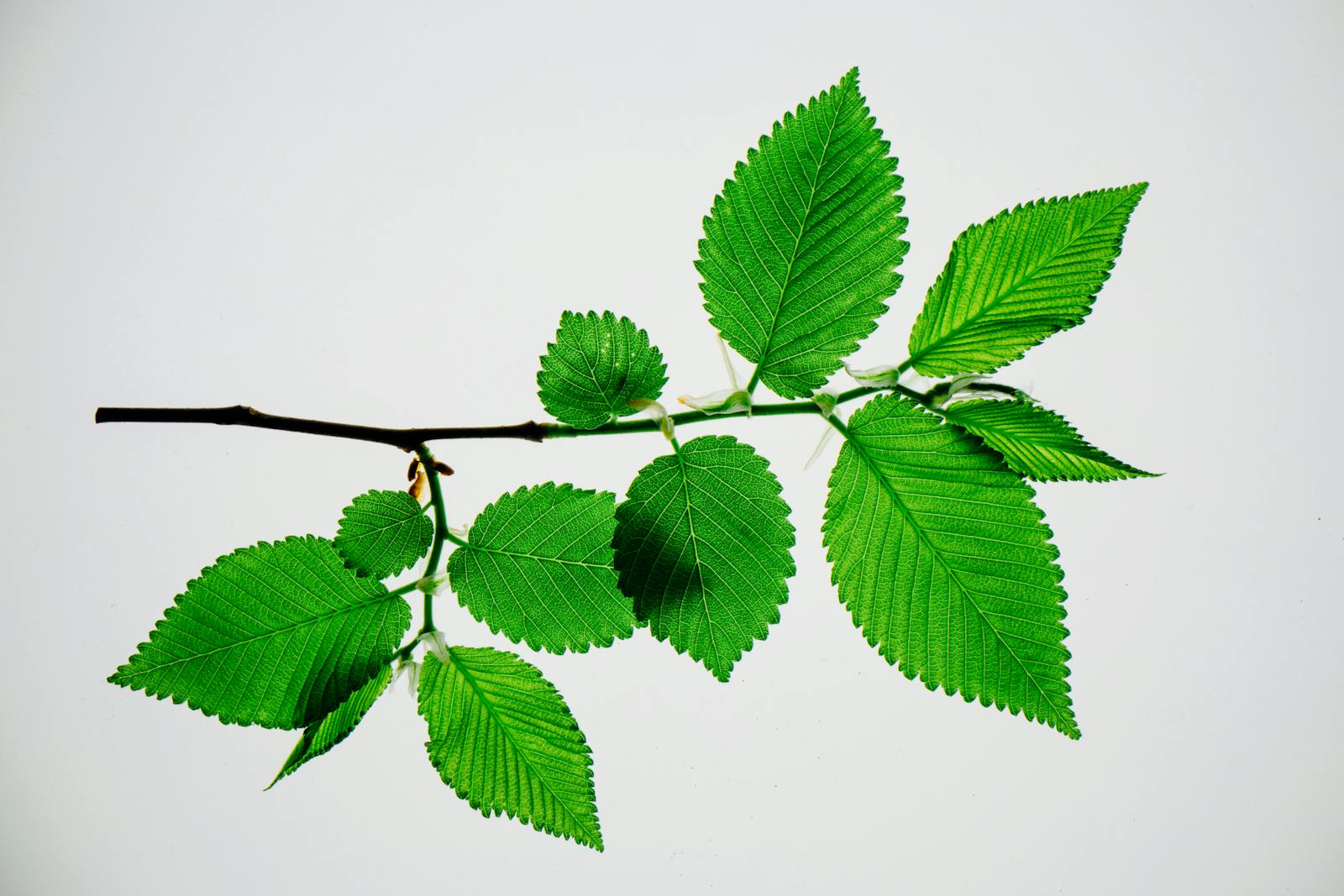
Althaea officinalis root and Ulmus rubra inner bark both produce this type of compound. When mixed with water they form a soothing gel that reduces acid irritation, protects inflamed tissue, and creates a temporary barrier against further damage.
These are the herbs to reach for with acid reflux, esophageal irritation, or inflammatory gut conditions where the gut wall itself needs protection. Cold water extraction preserves the mucilage better than hot water for marshmallow root specifically.
Which Herb For Which Symptom
Bloating and cramping: peppermint or fennel. Nausea and slow digestion after meals: ginger. Stress-related gut tension and cramping: chamomile. Acid reflux and esophageal irritation: marshmallow root or slippery elm. Short-term constipation: senna. Fat digestion and bile support: dandelion root (Taraxacum officinale).
Understanding the mechanism tells you which herb fits. Most digestive complaints involve more than one process which is why combinations like ginger and chamomile or fennel and peppermint work better than single herbs alone.
Common Questions
Which herbal tea is best for digestion?
Depends on the symptom. Peppermint for cramping and bloating. Ginger for nausea and slow digestion. Chamomile for stress-related gut discomfort. Fennel for gas after meals.
Are herbal teas good for gut health?
Several have well-documented mechanisms in the digestive system. Peppermint, ginger, chamomile, and fennel all interact with specific systems in the gut. The evidence is strongest for peppermint in IBS and ginger in nausea.
Can herbal tea cause digestive issues?
Yes in some cases. Senna taken daily can reduce the gut’s natural responsiveness. Peppermint can worsen acid reflux. High doses of ginger can irritate the stomach in sensitive people. Knowing the mechanism of each herb helps avoid these issues.
Does herbal tea make you poop?
Senna reliably stimulates bowel movement. Dandelion root improves overall digestive function through bile stimulation. Ginger improves stomach emptying. None except senna produce a direct laxative effect.
What is the best herb for gut health overall?
There is no single answer. Different herbs address different processes. Pick based on your specific symptom rather than a generic gut health claim.
Can I drink herbal tea on an empty stomach?
Most digestive herbs are fine either way. Ginger can irritate a sensitive stomach when taken without food. Peppermint on an empty stomach may worsen acid reflux.
How does ginger help digestion?
Gingerols from Zingiber officinale interact with receptors in the gut wall that regulate nausea and control how fast the stomach empties. They also reduce gut inflammation by inhibiting inflammatory enzymes.
What herbs are good for bloating?
Peppermint through menthol smooth muscle relaxation and fennel through trans-anethole antispasmodic activity are the most documented. Both reduce the intestinal spasm that traps gas.
Is chamomile good for gut health?
Yes. Apigenin in Matricaria chamomilla relaxes gut smooth muscle and reduces stress-driven gut tension. Alpha-bisabolol and chamazulene address gut wall inflammation. It is particularly useful for stress-related digestive symptoms.
How does senna work as a laxative?
Sennosides in Senna alexandrina are converted by gut bacteria into compounds that directly stimulate large intestine contractions, producing a bowel movement within 6 to 12 hours. Not appropriate for daily long-term use.

