







This article was written by Serge, MSc. Plant Biologist and Environmental Scientist with a BSc in Plant Biology and an MSc in Environmental Biology and Biogeochemistry. My background covers plant biochemistry, botany, and field research in forest and soil ecosystems. I write from real experience, not just literature.
Affiliate disclosure: This site has affiliate links, including Amazon. As an Amazon Associate I earn from qualifying purchases, at no extra cost to you.
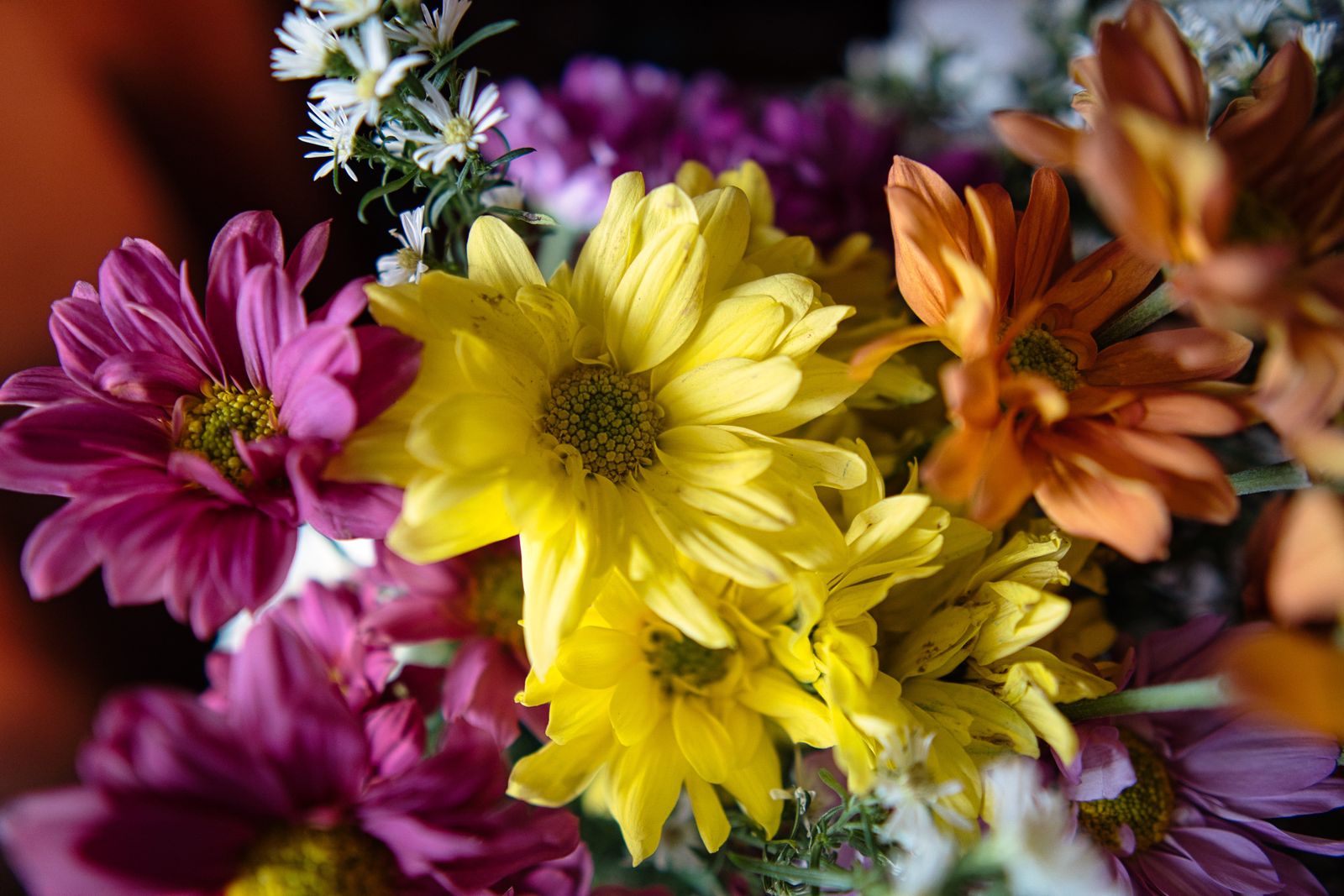
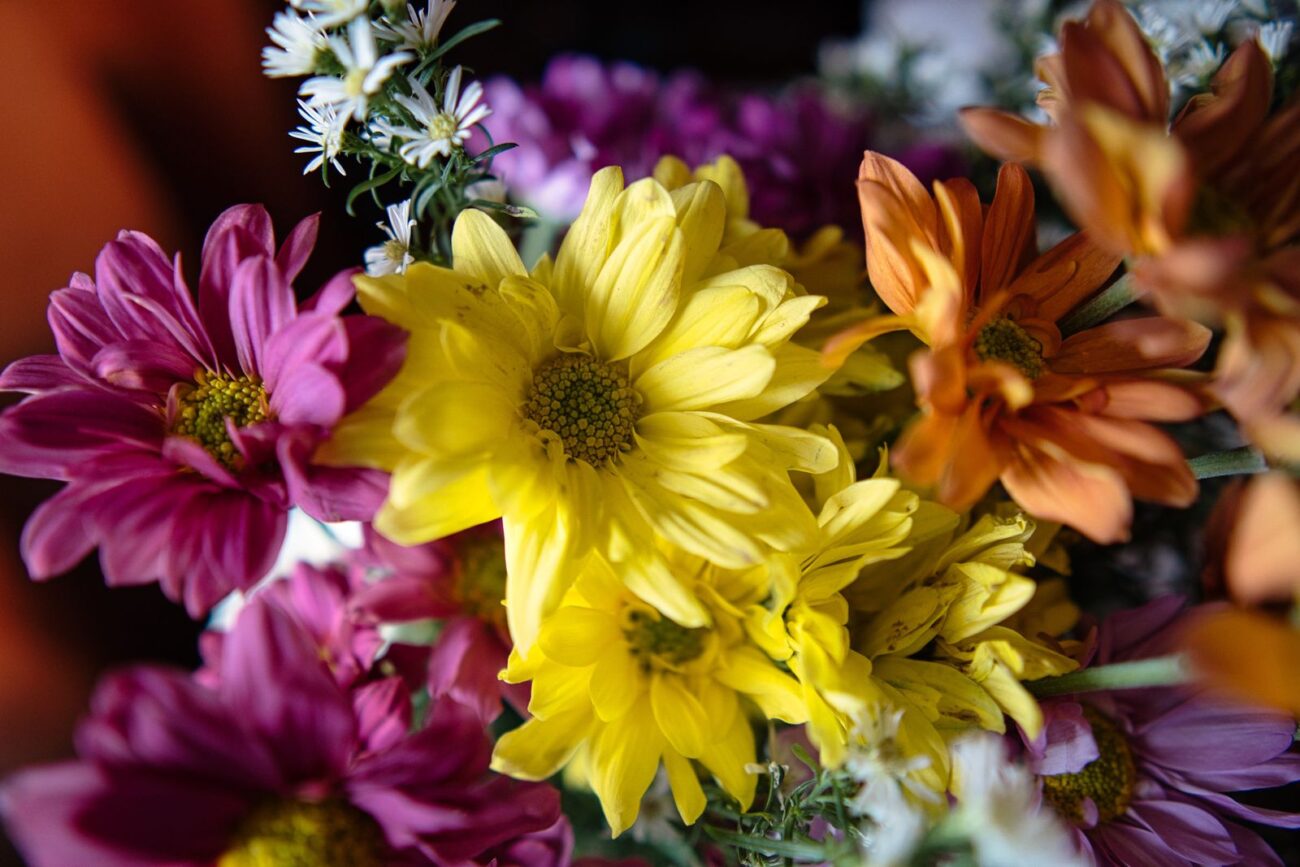
Stand in front of a mixed bunch of flowers and every color you see is a compound the plant made and put in its petals. The red of one, the yellow of another, the blue of a third, each is a different pigment. I want to walk you through the four main ones, because once you know them you can look at almost any flower and tell roughly what is going on inside it. And if you arrange flowers, it changes how you think about putting colors together.
Flower color is not there by accident. Petal color mostly exists to attract pollinators, and the pigments are how the plant signals to them. But the colors themselves come down to a small set of pigments, and almost everything you see in a florist’s bucket is some mix of them.
The four pigments behind almost every color
Most flower color comes from four groups of compounds.
Anthocyanins give you the reds, pinks, purples, and blues. They dissolve in water and sit in the fluid inside the petal cells. They cover the widest range of flower colors at the cool end, from a pale pink rose (Rosa) to a deep purple petunia (Petunia).
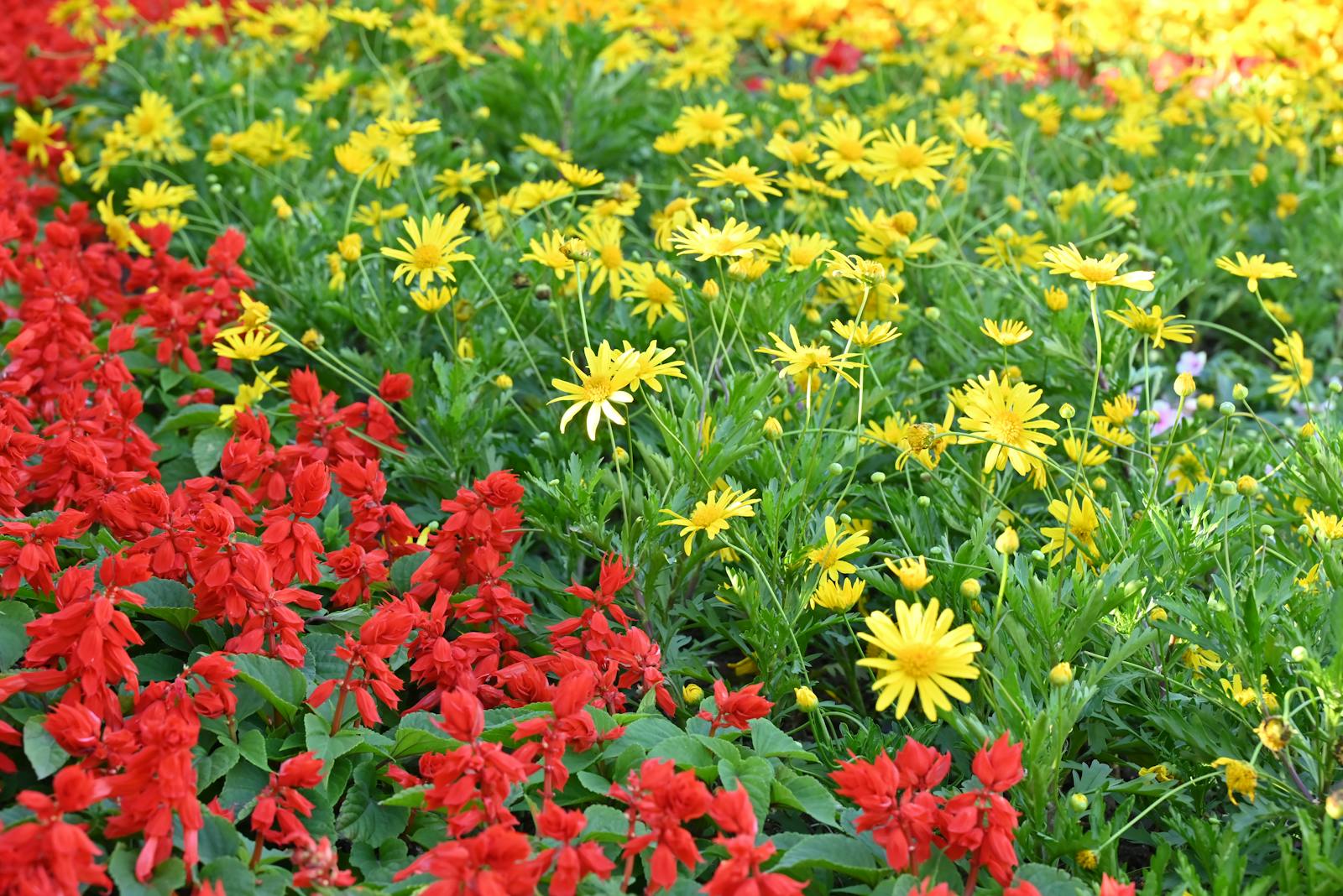
Carotenoids give you the yellows and oranges. These are the same pigments that color carrots and egg yolks. They dissolve in fat, not water, and they sit behind the warm color of a pot marigold (Calendula officinalis) or a sunflower (Helianthus annuus).
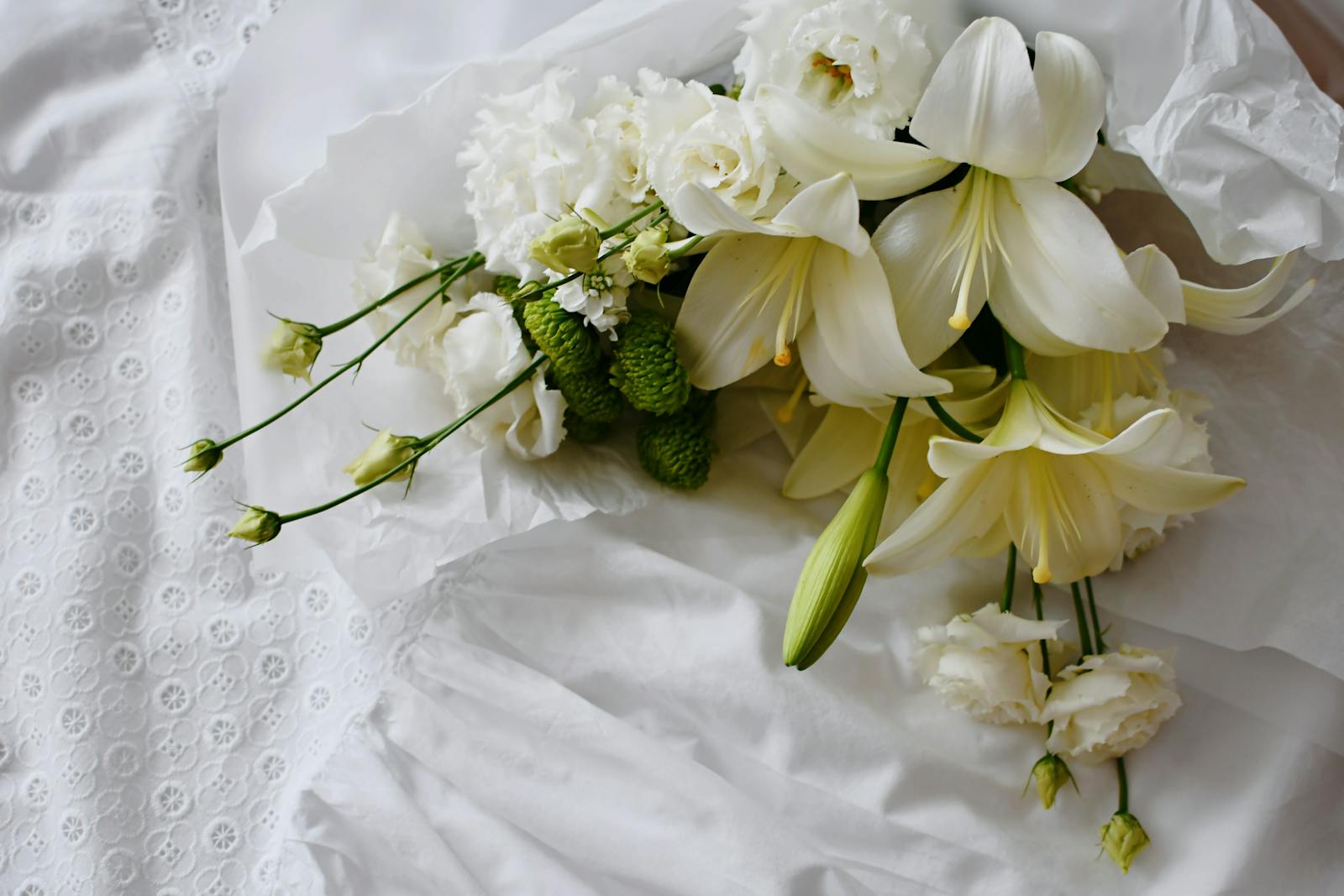
Flavonols are the quiet ones. They are close to colorless to our eyes, faintly cream or pale yellow, and they sit behind many white and cream flowers. A white petal is not empty of pigment. It usually reflects most of the light while these near-colorless compounds sit in the background.
Chlorophyll gives you green. It is the same pigment that runs photosynthesis in leaves, and it shows up in green-tinged flowers and in the sepals behind the petals.
Once you have those four straight, you can explain most of what you see.
The thing anthocyanins do that the others do not
This is the part that surprised me most when I learned it, and it is the bit a quick search rarely explains well.
During my plant biochemistry training I studied how these pigments are built and how they behave. Anthocyanins do something the other pigments do not. One anthocyanin can show a different color depending on how acidic its surroundings are. The same pigment can look red in acidic conditions and shift toward blue as conditions turn more alkaline. The color is not fixed by the molecule alone. It is set by the molecule together with the chemistry of the cell sap around it.
This is why blue is so interesting. True blue is rare and hard for a plant to make, and a lot of it is anthocyanins pushed toward blue by the pH inside the petal, sometimes with help from metal ions and other molecules sitting alongside the pigment. The hydrangea (Hydrangea macrophylla) is the well-known garden case, where soil chemistry turns the same plant from pink to blue. The pigment did not change. Its surroundings did.
So when a flower changes color as it ages, or one plant shows two different colors, you are often seeing the pigment chemistry shift: the pH of the petal changing, or the balance of pigments changing as the flower matures.
What this means for an arrangement
If you arrange flowers, the chemistry quietly explains a few things you have probably noticed.
The warm and cool colors come from different pigments, so putting a yellow carotenoid flower next to a purple anthocyanin one is setting two different chemical systems side by side. That is part of why those pairings look so strong. White flowers, which carry mostly near-colorless flavonols, give the eye a rest between stronger colors, which is why florists use them to break up and calm a busy arrangement.
And the color you buy is not always the color you keep. As cut flowers age, the pigments break down and the cell chemistry changes, so a petal can fade or shift over days in the vase. Knowing that helps you pick what will hold its color for an event and what will drift.
The next time you hold a flower, the color in it is doing real work. Water-soluble anthocyanins, tuned by the acidity around them. Fat-soluble carotenoids for the yellows and oranges. Pale flavonols behind the whites. Chlorophyll for the green. The flower is beautiful, and the chemistry under it is real, and for me knowing the second has never spoiled the first.
Frequently Asked Questions
What gives flowers their color?
Mostly four groups of pigments: anthocyanins (red, pink, purple, blue), carotenoids (yellow, orange), flavonols (near-colorless, behind many whites), and chlorophyll (green). Most flower colors are a mix of these.
Which pigment makes flowers red or pink?
Anthocyanins. They dissolve in water and sit in the petal cell fluid, and they cover the red, pink, purple, and blue range depending on their exact form and the conditions around them.
Why do some flowers change color as they age?
Because the pigment chemistry shifts. As a flower matures, the acidity inside the petal can change and pigments can break down or rebalance, so the color changes even though it is the same plant.
Can one plant have different colored flowers?
Yes. Differences in petal pH, pigment balance, or pigment breakdown can give different colors on the same plant. The hydrangea (Hydrangea macrophylla) is the well-known case, where soil chemistry shifts the same plant from pink to blue.
Why do cut flowers sometimes fade or shift color?
Once cut, the flower’s cells start to break down and their chemistry changes. The pigments degrade and the conditions in the petal shift, so colors can fade or change tone over days in the vase.
Which flower pigment is most common?
Anthocyanins sit behind the widest range of flower colors, from reds to blues, while carotenoids account for most yellows and oranges. Between them they explain most of what you see.

