

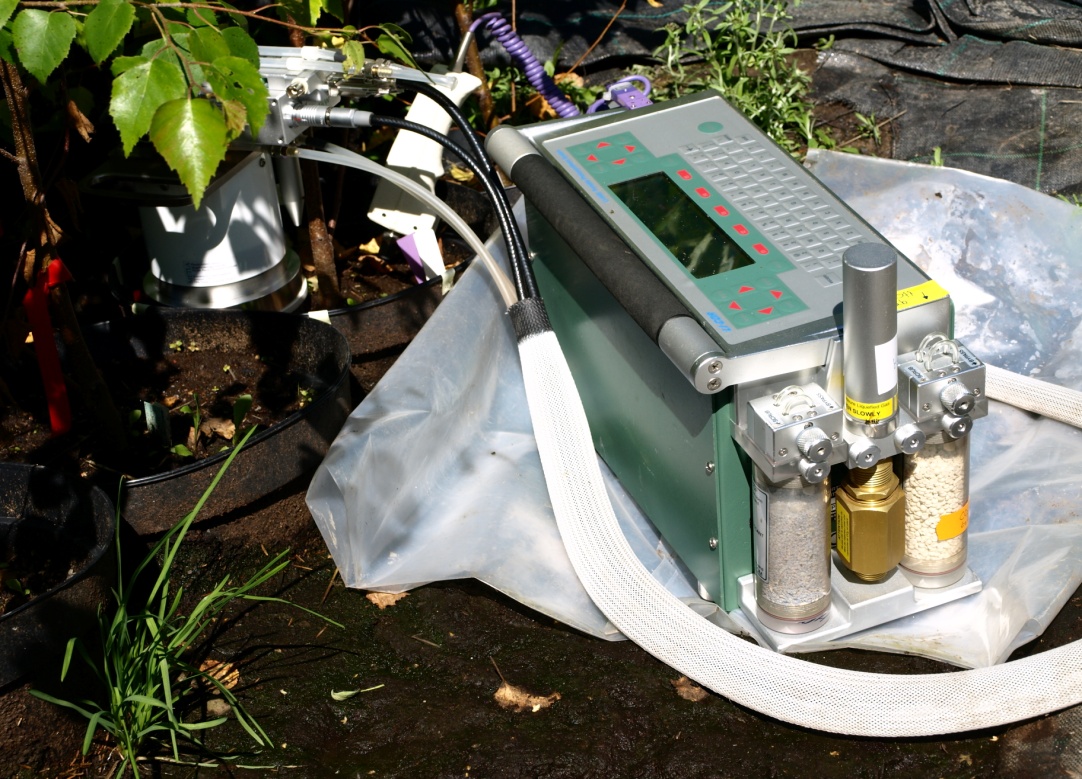





This article was written by Serge, MSc. Plant Biologist and Environmental Scientist with a BSc in Plant Biology and an MSc in Environmental Biology and Biogeochemistry. My research focused on climate change effects on boreal forest ecosystems. I write from field experience, not just literature.
Affiliate disclosure: Some posts on this site may contain affiliate links. If you choose to purchase through these links, I may earn a small commission at no extra cost to you.
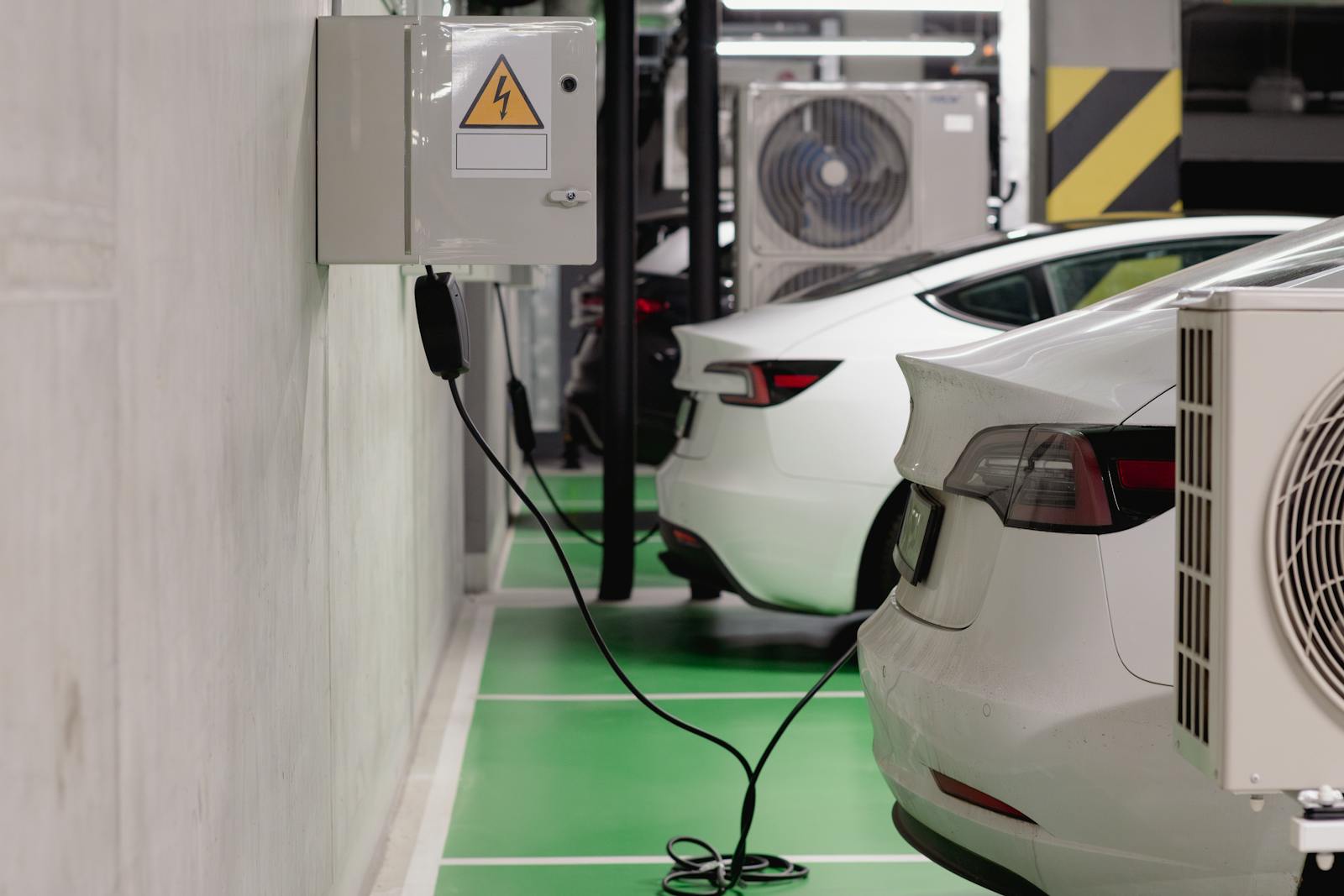
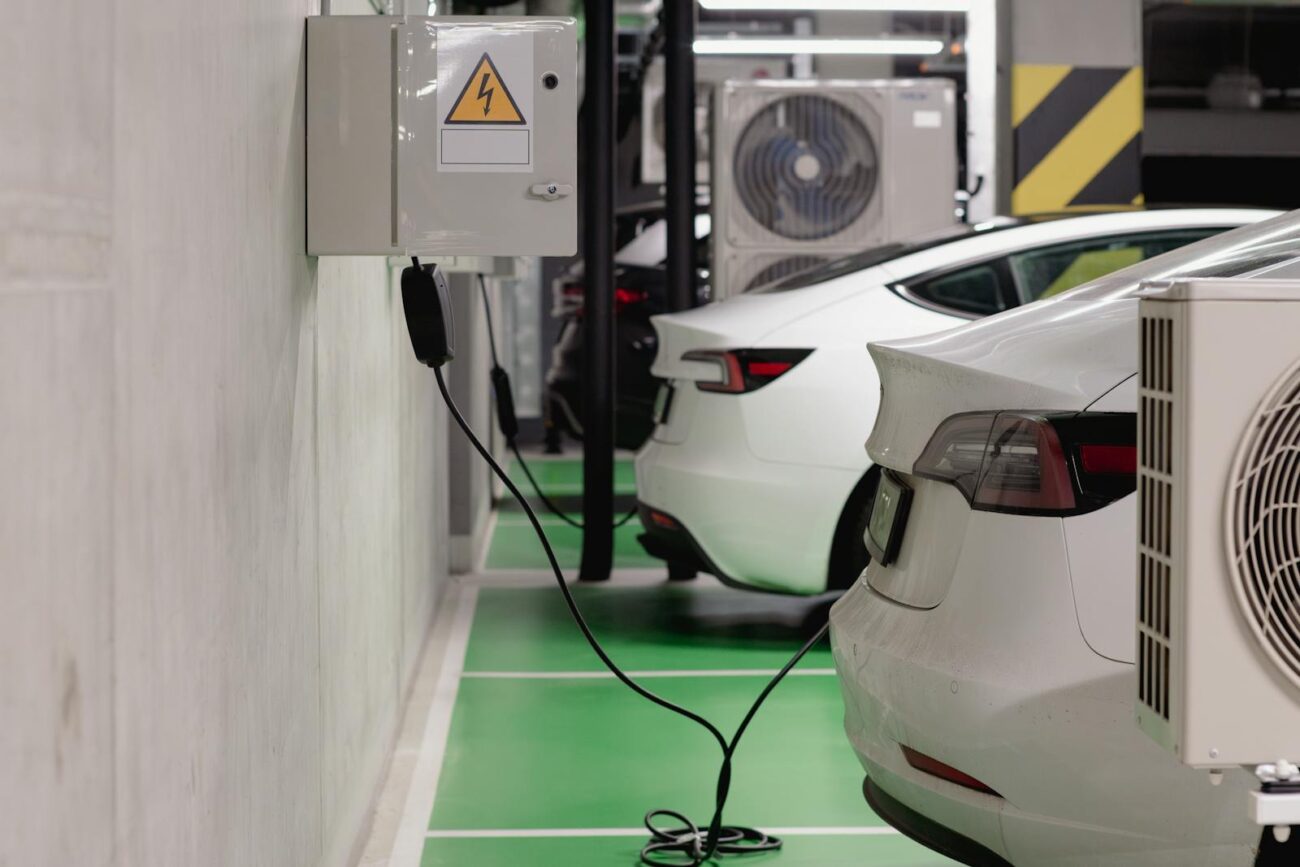
You switch to an electric car. You charge it at home. You feel good about it. Then someone tells you the electricity comes from a coal plant and suddenly the clean car feels less clean.
That tension is real, and it points to something most EV versus hydrogen comparisons miss entirely. The tailpipe is only the last step in a long chain of chemistry. Where the energy comes from, and what producing it releases into the atmosphere, is often the more important part of the calculation.
I took a course specifically on atmosphere-biosphere exchange during my environmental science training, studying how gases move between ecosystems and the atmosphere. That ran alongside two growing seasons of field research where I measured how elevated ozone and CO2 concentrations affected silver birch, Betula pendula, growth and soil respiration directly.
What that work taught me is that atmospheric chemistry changes that feel abstract at the policy level translate into measurable biological responses. That is the frame I bring to this comparison.
The Tailpipe Is Not the Whole Story
Battery electric vehicles produce zero tailpipe emissions. No nitrogen oxides, no particulates, no CO2 at the point of use. Hydrogen fuel cell vehicles produce water vapour at the tailpipe, also clean at the point of use.
But the atmosphere accumulates CO2 regardless of where it was released. A molecule from a power station three hundred kilometres away adds to the same atmospheric pool as one from a tailpipe. The relevant question for atmospheric chemistry is the full lifecycle emission, from energy source through production through the vehicle’s operational life.
That is where the real differences between these two technologies sit, and where the marketing tends to get quiet.
The Electricity Problem Behind EVs
A battery EV converts stored electricity to wheel movement at around 85 to 90 percent efficiency. That is genuinely impressive. An internal combustion engine converts around 20 to 40 percent of fuel energy to motion and loses the rest as heat. So on efficiency alone, EVs win clearly.
The problem is that the atmospheric chemistry impact of an EV depends almost entirely on how the electricity was generated.
A coal-heavy grid means significant upstream CO2 emissions. Lower than a petrol car in most analyses, yes, but not zero. A grid running on wind or solar brings lifecycle emissions close to zero. The vehicle itself does not determine how clean it is. The energy system behind it does.
This means the same EV can have very different atmospheric footprints depending on where and when it is charged. That is not a reason to avoid EVs. It is a reason to care about what the grid is running on.

The Bigger Problem With Hydrogen
Hydrogen fuel cell vehicles produce only water vapour at the tailpipe. The fuel cell combines hydrogen with oxygen to generate electricity, which drives the motor. Energy conversion efficiency runs around 50 to 60 percent, lower than a battery drivetrain but still higher than internal combustion.
So far so clean. But here is the problem nobody in the showroom will mention.
Around 95 percent of hydrogen produced globally comes from steam methane reforming of natural gas. That process reacts methane, CH4, with steam at high temperature to produce hydrogen and CO2. For every tonne of hydrogen produced this way, roughly 9 to 12 tonnes of CO2 are released. This is grey hydrogen, and it is what most hydrogen vehicles currently run on even when marketed as a clean fuel.
Blue hydrogen captures that CO2 using carbon capture and storage. It reduces emissions significantly but not to zero.
Green hydrogen uses electrolysis powered by renewable electricity to split water into hydrogen and oxygen with no CO2 produced. That is the only version that makes hydrogen genuinely zero-emission from an atmospheric chemistry perspective. It currently represents less than one percent of global hydrogen production.
That gap between the marketing and the production reality is something I think people buying hydrogen vehicles deserve to know about upfront.
The Ozone Problem That Nobody Talks About
This is the part of the comparison I find most interesting from my own research background, and it almost never appears in consumer articles.
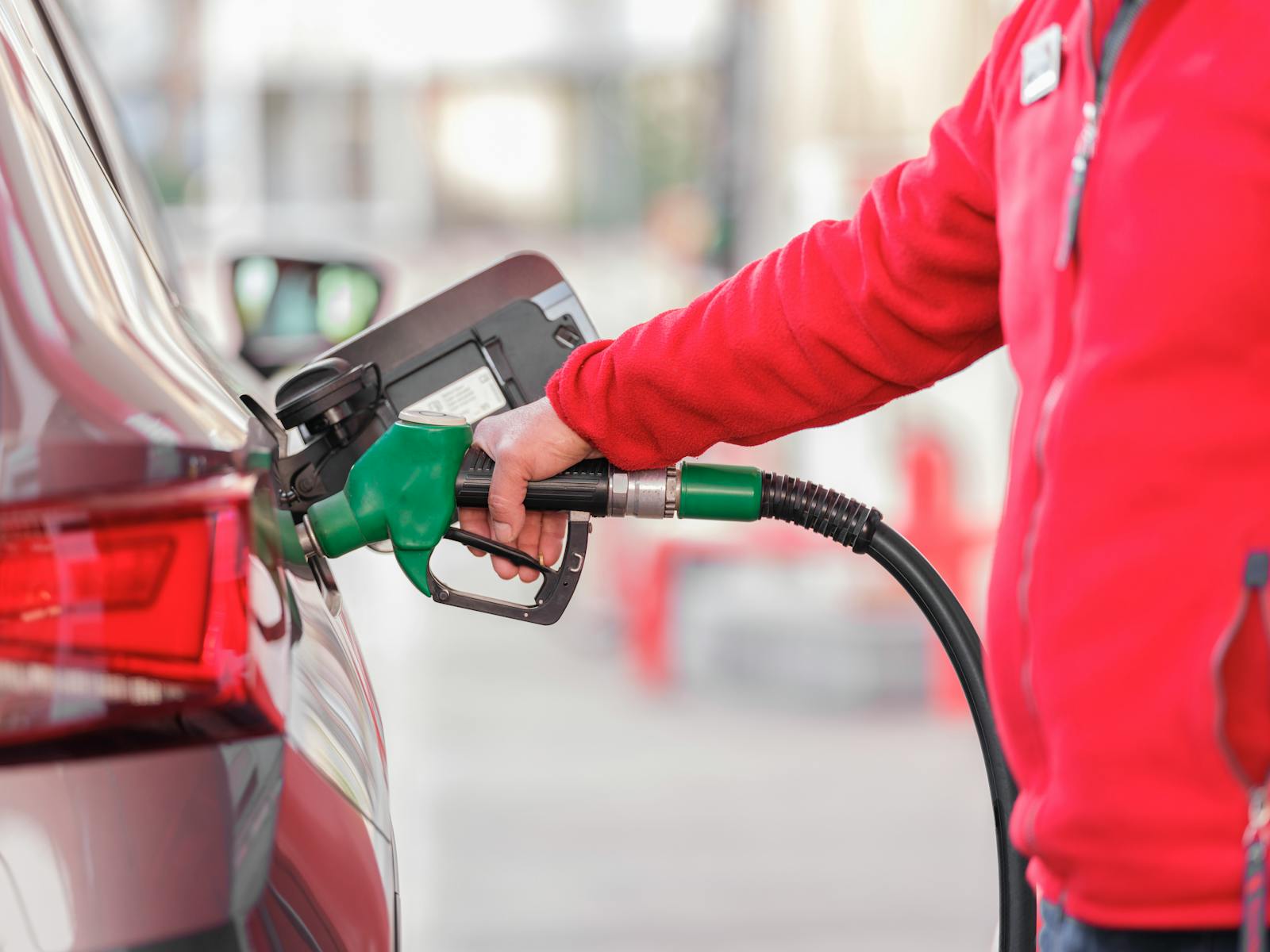
Internal combustion engines burning petrol or diesel produce nitrogen oxides, NOx, as a byproduct of high-temperature combustion. Those nitrogen oxides react with volatile organic compounds in sunlight to form ground-level ozone. I worked directly with ozone as a treatment variable in my field research, applying elevated concentrations to birch plots and measuring the biological response. Even moderate ozone rises above ambient produced measurable effects on tree growth and soil carbon cycling.
Battery EVs produce zero NOx at the point of use. Hydrogen fuel cell vehicles also produce essentially zero NOx since the fuel cell reaction does not involve high-temperature combustion.
Both technologies eliminate one of the main precursor pathways for ground-level ozone formation from road transport. That is a genuine atmospheric chemistry benefit that both share, and I think it deserves far more attention than it gets in the CO2-dominated conversation.
The Mining Problem Both Technologies Share
I want to be honest here because my ecotoxicology training makes me take the upstream material costs seriously, and too many green technology articles skip this entirely.
EV batteries require lithium, cobalt, nickel, and manganese. Lithium extraction from brine deposits is water-intensive. Cobalt mining involves significant environmental disturbance. What I learned studying ecotoxicology is how heavy metals from mining sites move into soil, water, and plant tissue through contamination pathways that persist long after active mining ends.
Hydrogen fuel cells use platinum as a catalyst. Platinum is one of the rarest elements in Earth’s crust and its extraction is energy-intensive.
Neither technology is clean from a materials perspective. In most lifecycle analyses the atmospheric benefit of eliminating combustion emissions over decades of vehicle use outweighs the upstream mining impact. But I would rather people know both sides of the calculation than assume the technology is problem-free.
Where Each Technology Actually Makes Sense
Battery EVs have higher energy efficiency from source to wheel. They suit passenger cars and light vehicles where regular overnight charging is feasible and where the grid is moving toward renewables.
Hydrogen makes more sense where energy density and rapid refuelling outweigh efficiency considerations. Heavy goods vehicles, long-distance transport, shipping, and potentially aviation are the applications where the refuelling speed advantage becomes genuinely significant. Charging a large truck for hours is a real operational problem that hydrogen solves in a way batteries currently cannot.
My read of the atmospheric chemistry is that this does not require picking a winner. Both technologies reduce the atmospheric pollutant load from transport relative to internal combustion, but only if the electricity and hydrogen come from clean production sources. Getting that upstream chemistry right is the variable that determines whether either technology actually delivers on its promise.
Frequently Asked Questions
What is the atmospheric difference between EVs and hydrogen cars?
Both produce zero tailpipe CO2 and nitrogen oxides at the point of use. The difference is upstream. EV emissions depend on the electricity source. Hydrogen emissions depend on how the hydrogen was produced.
Why does electricity generation affect how clean an EV is?
The atmosphere accumulates CO2 regardless of where it was released. A coal-heavy grid means upstream emissions even when the tailpipe is clean. As grids shift to renewables, EV lifecycle emissions fall.
What is green hydrogen?
Hydrogen produced by electrolysis using renewable electricity, splitting water with no CO2 released. Currently less than one percent of global hydrogen production.
What is grey hydrogen?
Hydrogen produced from natural gas by steam methane reforming. Releases roughly 9 to 12 tonnes of CO2 per tonne of hydrogen produced. Most hydrogen at filling stations today is grey.
Do EVs or hydrogen cars reduce ozone pollution?
Both do. Neither produces the nitrogen oxides that react with VOCs in sunlight to form ground-level ozone. That is a genuine atmospheric benefit both technologies share.
Which is more energy efficient?
Battery EVs convert around 85 to 90 percent of stored energy to wheel movement. Hydrogen fuel cell vehicles convert around 50 to 60 percent. EVs are more efficient source to wheel.
What are the mining impacts of EV batteries?
Lithium, cobalt, nickel, and manganese extraction all carry real environmental costs including water use and heavy metal contamination pathways in soil and water that persist after mining ends.
Where does hydrogen make more sense than batteries?
Heavy-duty transport, long-distance haulage, shipping, and aviation, where rapid refuelling and high energy density matter more than efficiency.
Will EVs and hydrogen cars coexist?
Most likely yes. Each suits different applications and both reduce atmospheric pollutant loads relative to combustion engines when upstream energy sources are clean.
