













This article was written by Serge, MSc. Plant Biologist and Environmental Scientist with a BSc in Plant Biology and an MSc in Environmental Biology and Biogeochemistry. My background covers plant biochemistry, botany, and field research in forest and soil ecosystems. I write from real experience, not just literature.
Affiliate disclosure: This site has affiliate links, including Amazon. As an Amazon Associate I earn from qualifying purchases, at no extra cost to you.

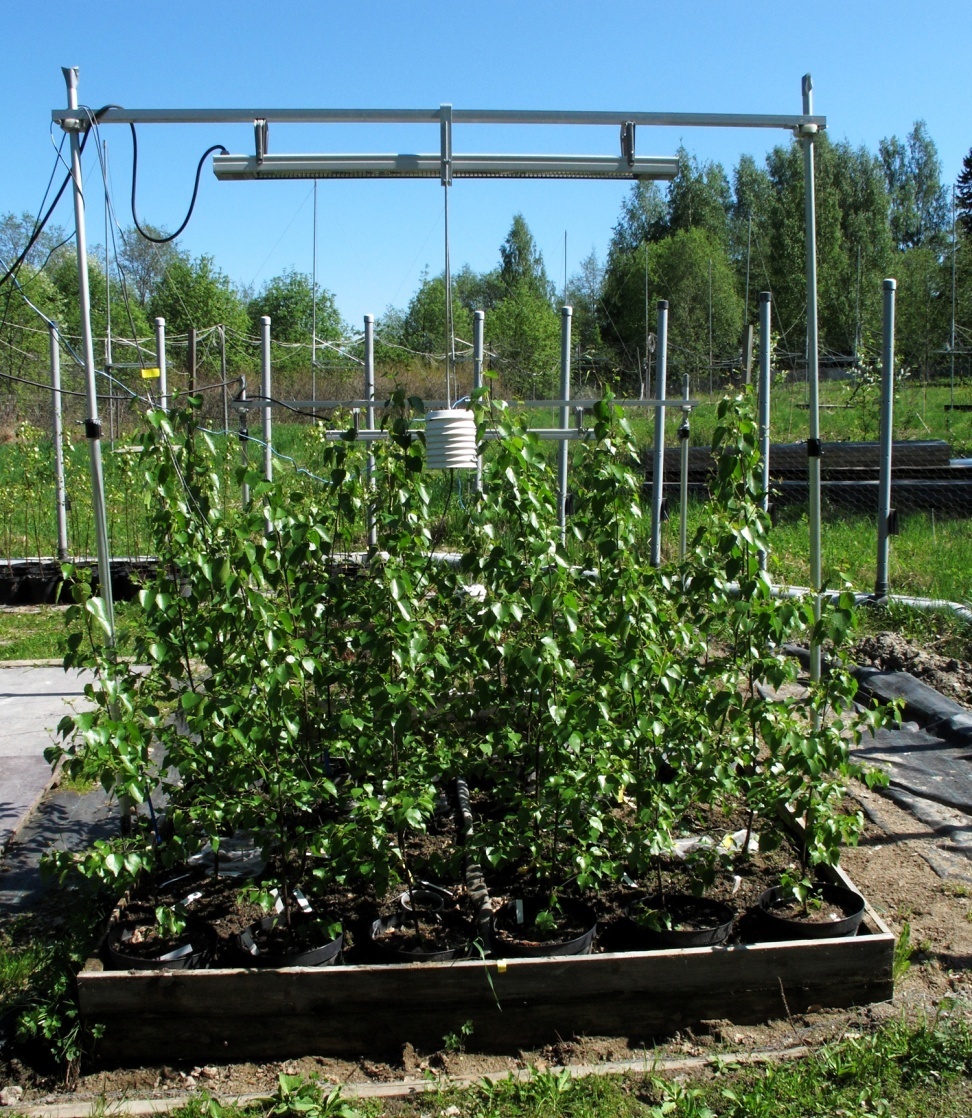
I spend a lot of time thinking about how human activity changes the chemistry of living systems. Not in an abstract way. In my field research I spent two growing seasons at an open-air site measuring how elevated ozone and temperature affected silver birch, Betula pendula, growth and soil carbon dioxide efflux.
The ozone concentration in our treatment plots was 33.4 parts per billion versus 24.2 in the ambient control. That difference, smaller than most people would notice in daily life, produced measurable changes in tree growth and soil respiration.
That experience shaped how I read environmental science. Small changes in atmospheric chemistry translate into real biological responses, and they do so at concentrations that feel negligible until you start measuring them.
So when people ask what difference individual choices make, my answer comes from that background.
Here is what the chemistry actually shows.
How Atmospheric Carbon Chemistry Works
The atmosphere is not a passive backdrop. It is an active chemical system, and the carbon cycle sits at the centre of it.
Plants fix atmospheric carbon dioxide through photosynthesis, building it into organic compounds in leaves, stems, and roots. Some of that carbon moves into the soil when roots grow and die, where microbial communities respire it back to CO2.
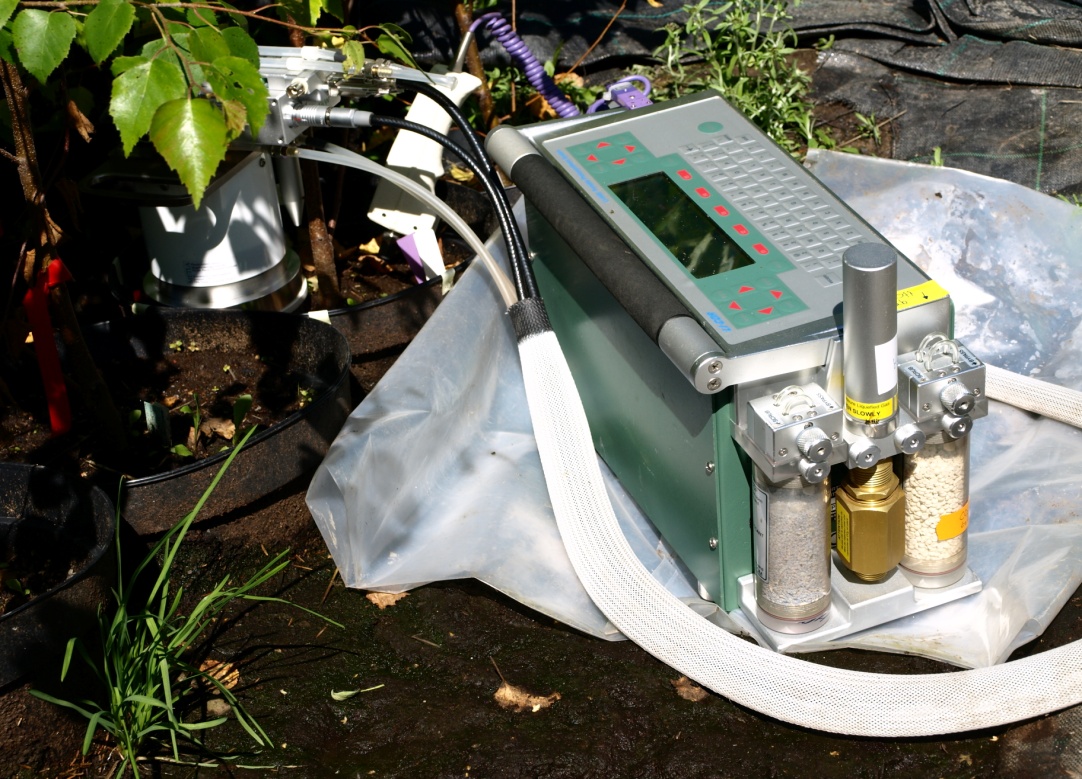
I measured that process directly using a LICOR 6400-09 gas analyser at soil depth. Under warming of just 0.9 degrees Celsius, soil respiration increased 36 percent in one birch genotype and 24 percent in the other. That tells you how sensitive the carbon balance of even a small patch of soil is to temperature.
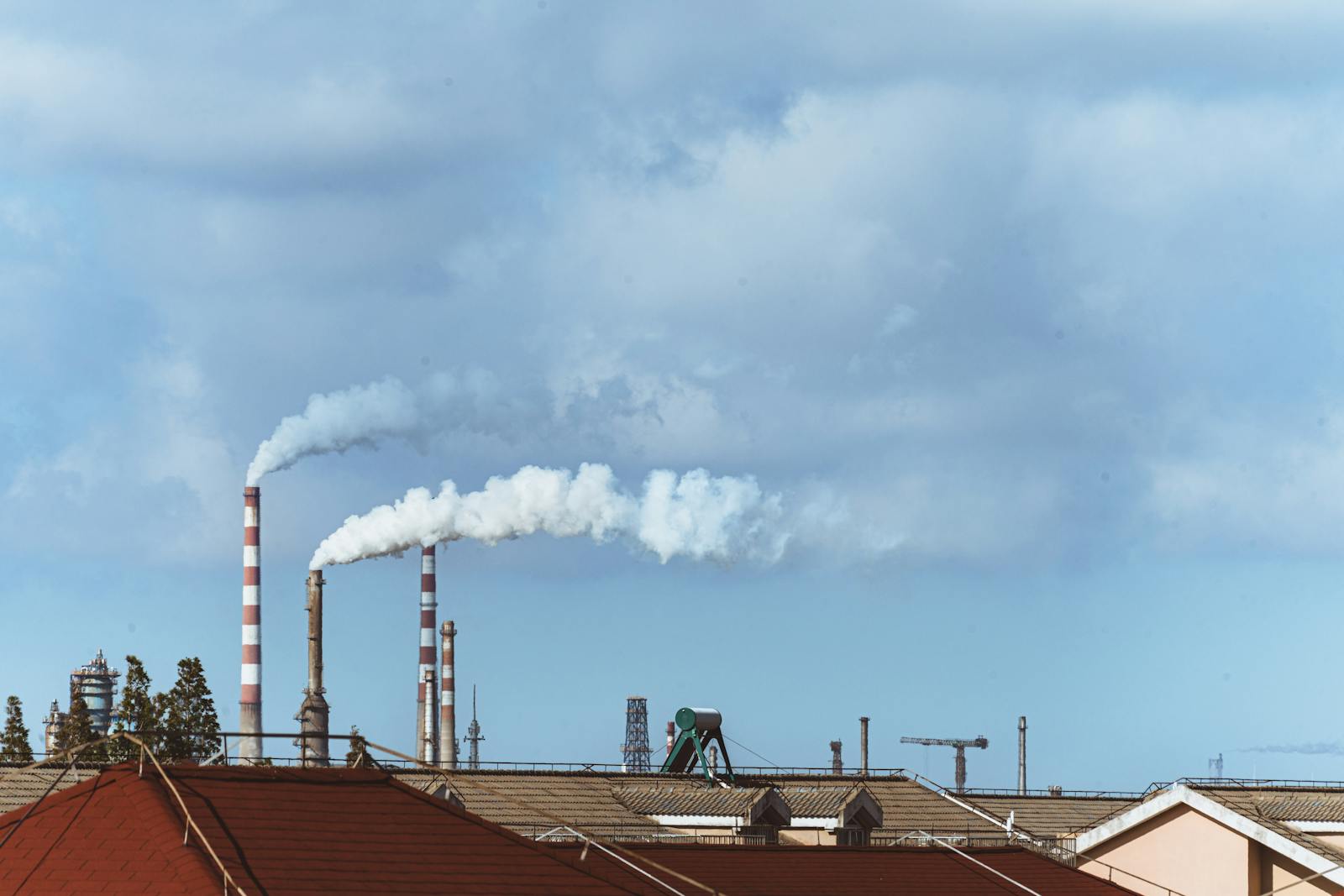
Burning fossil fuels adds CO2 to the atmospheric pool faster than natural sinks can absorb it. The chemistry of that is well understood: combustion of hydrocarbons produces CO2 and water, and the CO2 accumulates because the terrestrial and oceanic uptake rates cannot keep pace with current emission rates. The result is a gradual shift in atmospheric composition that drives the temperature changes I was measuring in my experiment.
This is not a remote problem. It is a chemistry problem with a straightforward material cause.
What Ozone Chemistry Shows About Pollution
Ground-level ozone is worth understanding separately from stratospheric ozone, because the two behave very differently.
Stratospheric ozone, sitting in the upper atmosphere, filters UV radiation and protects living systems. Ground-level ozone forms when nitrogen oxides from combustion react with volatile organic compounds in the presence of sunlight. It is a secondary pollutant, not directly emitted, but formed through atmospheric chemistry from precursors that come largely from vehicle exhaust and industrial processes.
My field research used ozone as a treatment variable because its effects on plant physiology are well-documented and measurable. Ozone enters leaves through stomata and generates reactive oxygen species inside leaf cells. Those reactive oxygen species damage cell membranes, disrupt photosynthesis, and reduce the plant’s ability to fix carbon. At the concentrations we used, effects on stem diameter and soil respiration were detectable within a single growing season.
At the ecosystem level, ground-level ozone reduces forest productivity and affects the carbon balance of vegetation. Every reduction in combustion-derived nitrogen oxide emissions is a reduction in the precursor chemistry that forms it.
The Household Chemistry You Can Actually Change
My indoor microbes exposure assessment training covered how the chemistry of indoor environments differs from outdoor air, and the differences are larger than most people expect.
Indoor air concentrations of volatile organic compounds are consistently higher indoors than outdoors, sometimes by a factor of ten, because indoor spaces concentrate emissions from cleaning products, furnishings, paints, and personal care products without the dilution that outdoor airflow provides. Many of these compounds are terpenes, aldehydes, and glycol ethers that evaporate readily at room temperature.
The chemistry behind reducing indoor VOC exposure is not complicated. Fragrance is the largest single source of VOCs in most household cleaning products, including many labelled as natural or green. Fragrance-free products with simpler surfactant chemistry release far fewer volatile compounds. Sodium carbonate, citric acid, and plant-derived surfactants like those from coconut, Cocos nucifera, do the cleaning chemistry without the volatile load.
Ventilation matters independently of what products you use. Opening windows during and after cleaning dilutes VOC concentrations before they build up to levels that affect respiratory tissue.
Energy Chemistry and Why Efficiency Comes First
From my quality control of chemical measurements training I know that measuring something properly requires understanding what you are actually measuring and where the largest sources of error or variation sit.
The same principle applies to energy use. The largest sources of household carbon emissions are heating, cooling, and hot water in most climates, not lighting. LED lighting uses around 80 percent less energy than incandescent bulbs, which is real and worth doing, but it sits lower in the hierarchy than insulation, heating system efficiency, and the carbon intensity of your electricity source.
Solar generation at the household level reduces reliance on grid electricity, and the lifecycle carbon benefit of solar over fossil fuel generation is substantial once the manufacturing energy debt is repaid. That repayment period for a quality system is typically two to four years, leaving the remaining lifespan as net carbon-positive generation.
The chemistry of all of this connects back to the same point: combustion produces CO2 and atmospheric precursors for ground-level ozone. Reducing combustion at any scale reduces both.

What the Field Research Tells Us About Scale
One thing that stayed with me from my field work is how the effects of atmospheric change are not linear and not uniform across individuals of the same species.
In my silver birch experiment, two genotypes, gt14 and gt15, responded differently to the same ozone and temperature treatments. Temperature increased leaf area in gt14 but decreased it in gt15. Ozone reduced stem diameter in gt14 under ambient temperature but not in gt15. The same atmospheric conditions produced different biological outcomes depending on genetic variation.
At the ecosystem level, this means that atmospheric chemistry changes do not affect all species or all individuals equally. Some are more sensitive, some more resilient. But across enough individuals and enough species, the cumulative effect of elevated ozone and CO2 on forest productivity and carbon cycling is measurable and significant.
Individual choices that reduce combustion emissions feed into that cumulative picture. The chemistry does not care whether the reduction came from one large source or from many small ones. It accumulates either way.
Questions You May Have
Does individual action make a real difference to atmospheric chemistry?
The chemistry does not distinguish between sources. A reduction in combustion-derived CO2 and nitrogen oxides from any source reduces the atmospheric pool those compounds feed into. Individual actions aggregate in the same way emissions do.
What is ground-level ozone and where does it come from?
Ground-level ozone forms through atmospheric chemistry when nitrogen oxides from combustion react with volatile organic compounds in sunlight. It is a secondary pollutant, not directly emitted, and it is harmful to both plant physiology and respiratory tissue.
Why are indoor VOC concentrations higher than outdoors?
Indoor spaces concentrate emissions from cleaning products, furnishings, and personal care products without the dilution that outdoor airflow provides. Concentrations can be up to ten times higher indoors than outdoors.
What is the most effective household change for reducing carbon emissions?
Heating, cooling, and hot water are the largest sources of household carbon emissions in most climates. Improving insulation and heating efficiency, and reducing the carbon intensity of your electricity source, makes a larger difference than lighting or small appliance choices.
How does ozone affect plants?
Ozone enters leaves through stomata and generates reactive oxygen species inside leaf cells. These damage cell membranes, disrupt photosynthesis, and reduce carbon fixation. Effects are detectable at concentrations that occur in polluted urban and peri-urban environments.
What does soil respiration have to do with climate change?
Soil microbes respire organic carbon back to CO2. Under warming conditions, soil respiration rates increase, releasing more carbon to the atmosphere. In my field research, a temperature increase of 0.9 degrees Celsius increased soil CO2 efflux by 24 to 36 percent depending on birch genotype, showing how sensitive soil carbon balance is to temperature.
Are natural cleaning products always lower in VOCs?
Not reliably. Many products labelled natural or green contain fragrance, which is often the largest VOC source in cleaning products. Fragrance-free products, whether conventional or natural, consistently release fewer volatile compounds than fragranced versions of either type.
What makes LED lights more efficient than incandescent bulbs?
Incandescent bulbs convert most electrical energy to heat rather than light. LEDs convert a much higher proportion to light directly, using around 80 percent less energy for the same light output. The efficiency gain comes from the semiconductor physics of the LED rather than a heat-based emission process.
How does the carbon cycle connect to everyday choices?
Plants fix atmospheric CO2 through photosynthesis. Burning fossil fuels returns carbon that was stored over millions of years back to the atmosphere much faster than natural sinks can absorb it. Reducing combustion at any scale slows the rate at which the atmospheric carbon pool grows.

